Bylaws For Homeowners Association In Alameda
Description

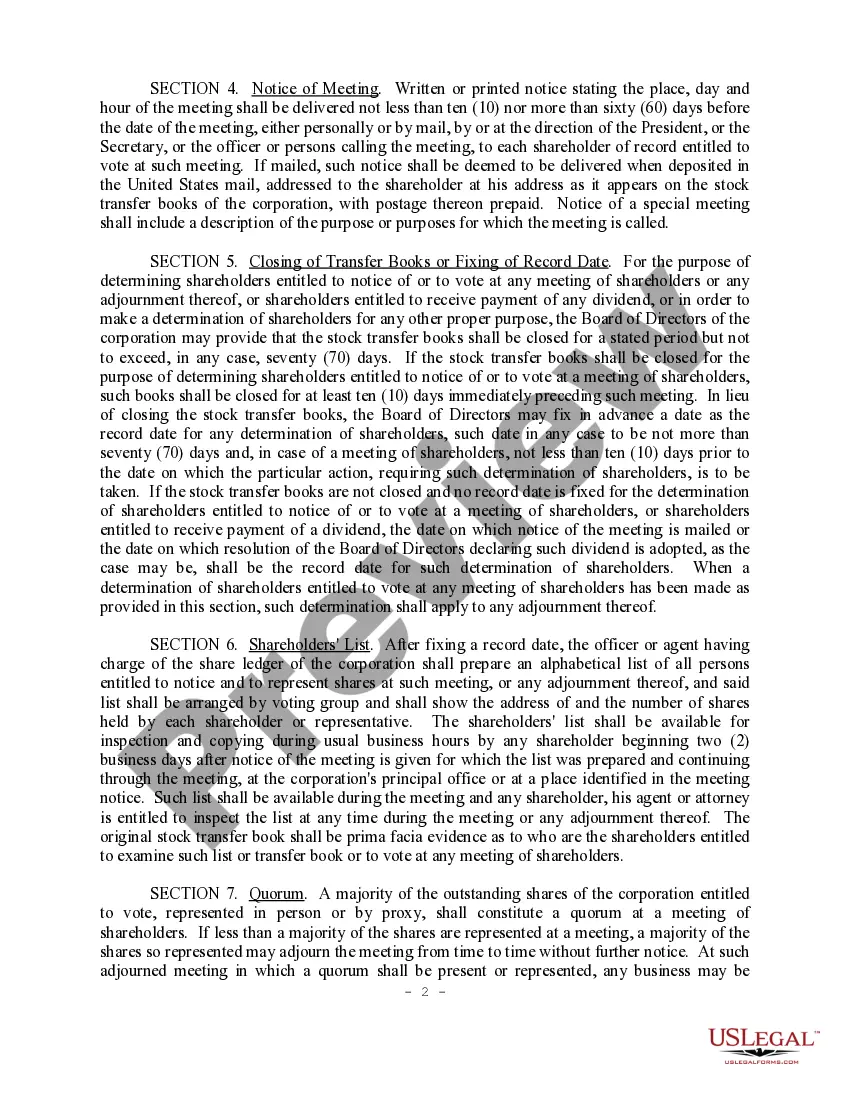
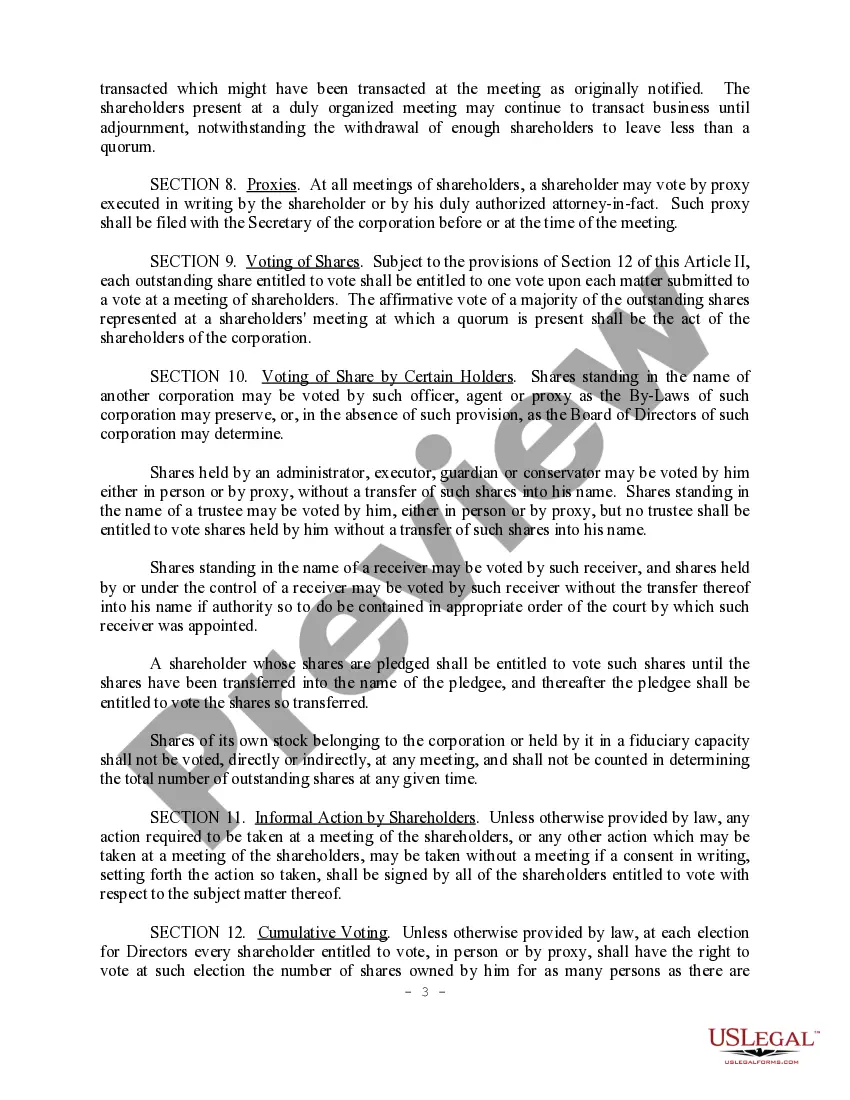
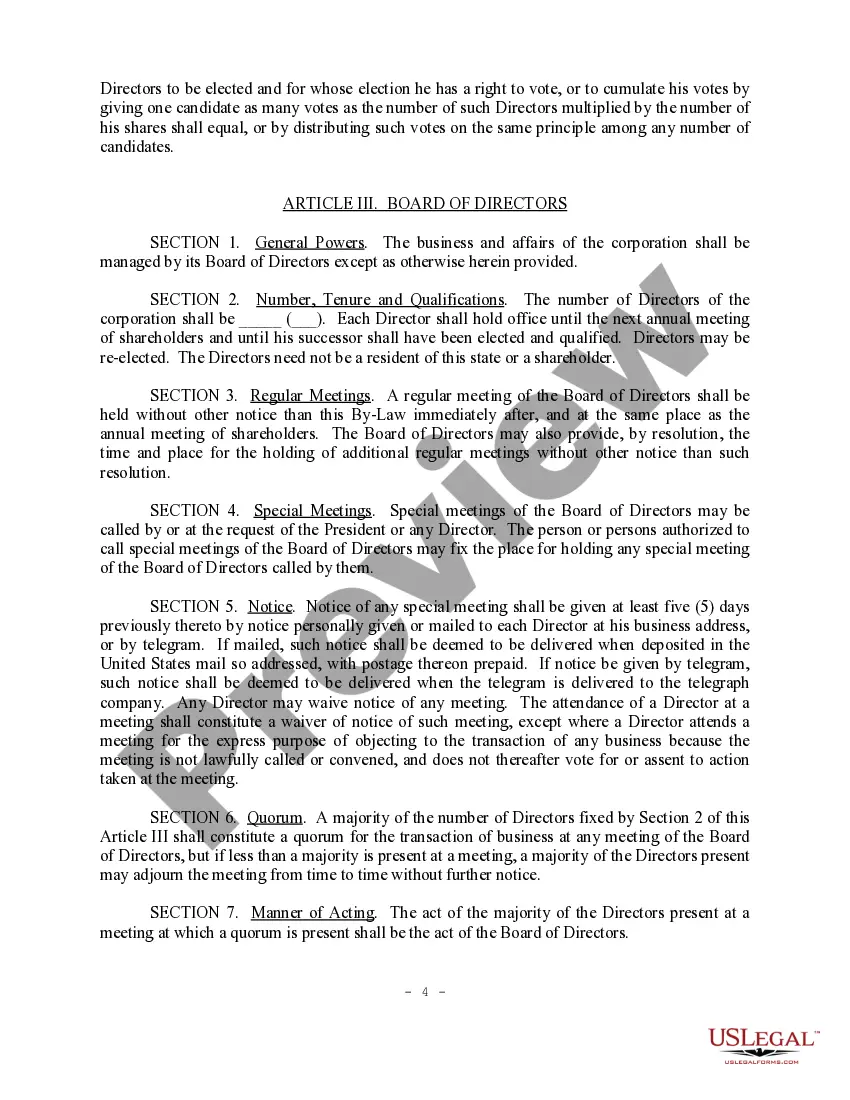
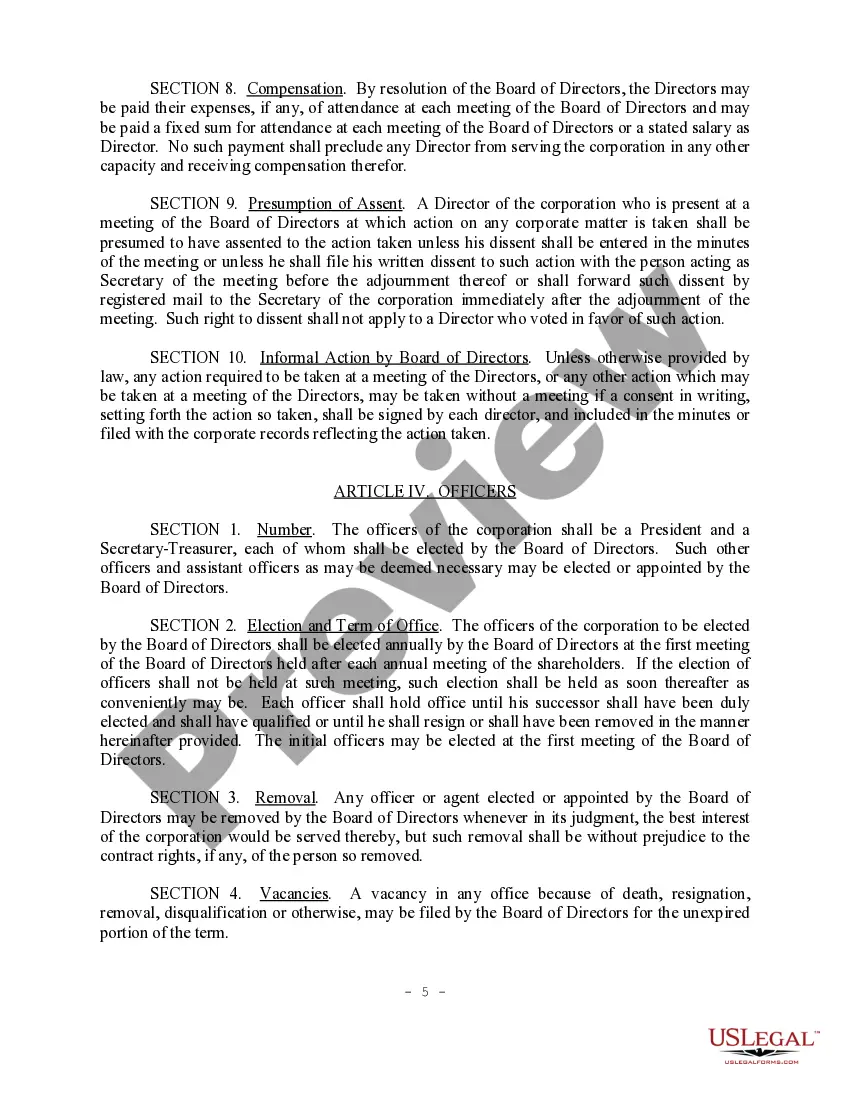
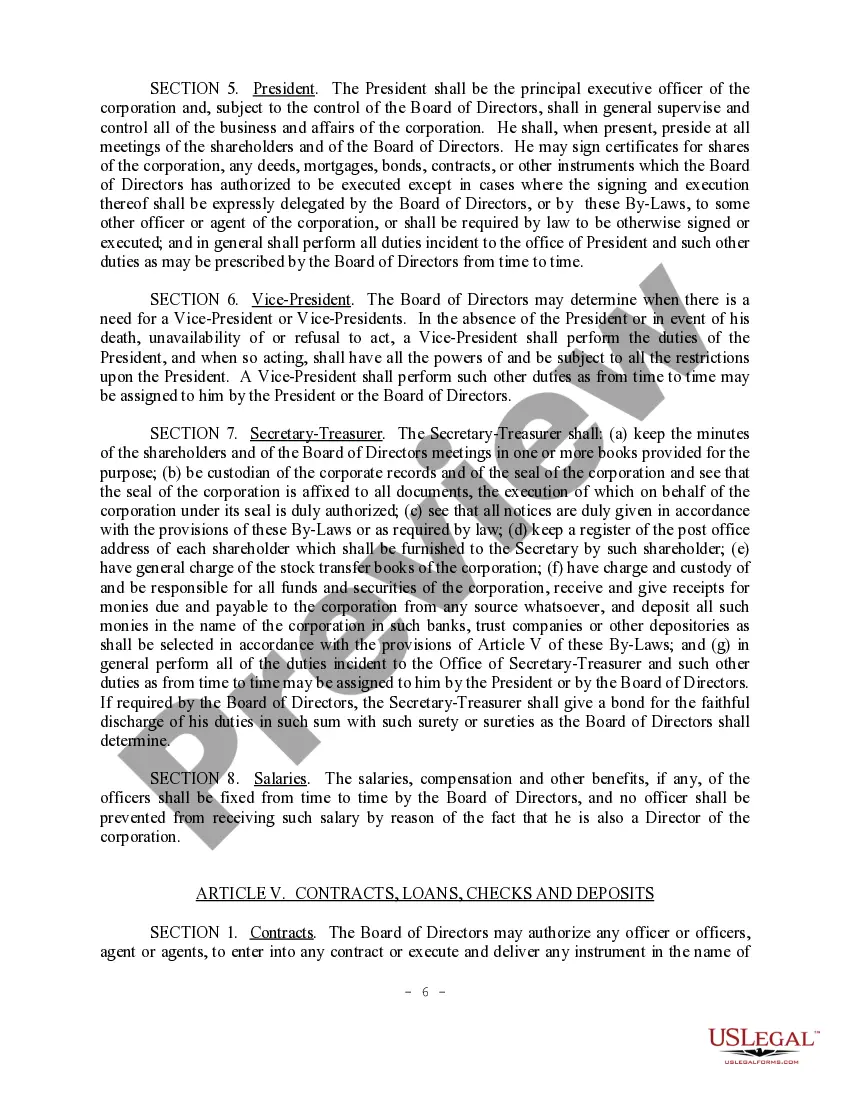
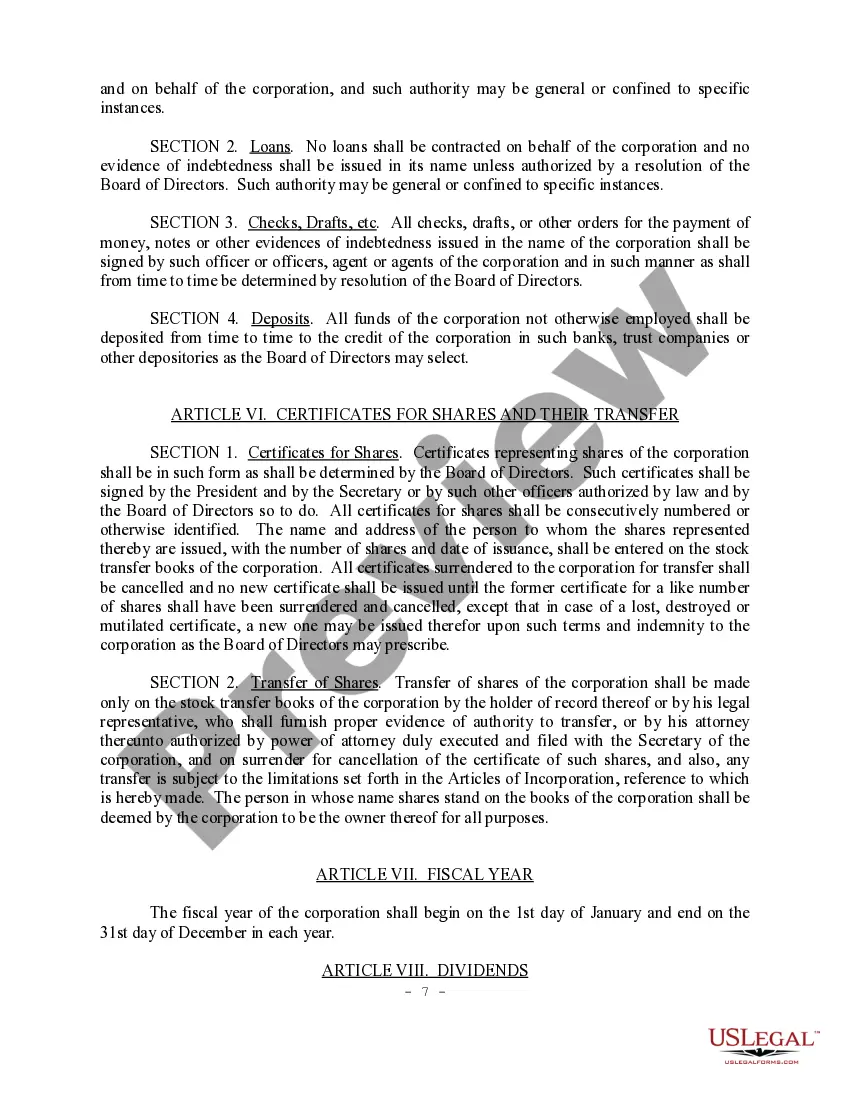
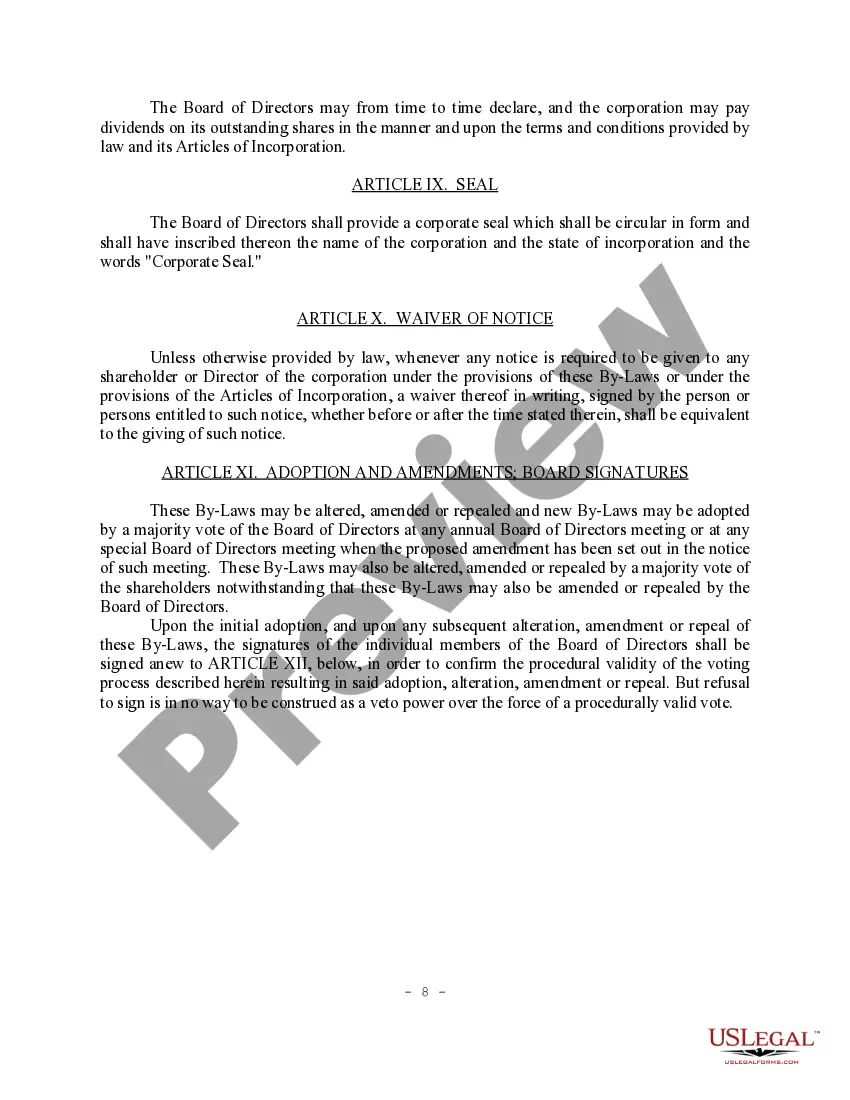
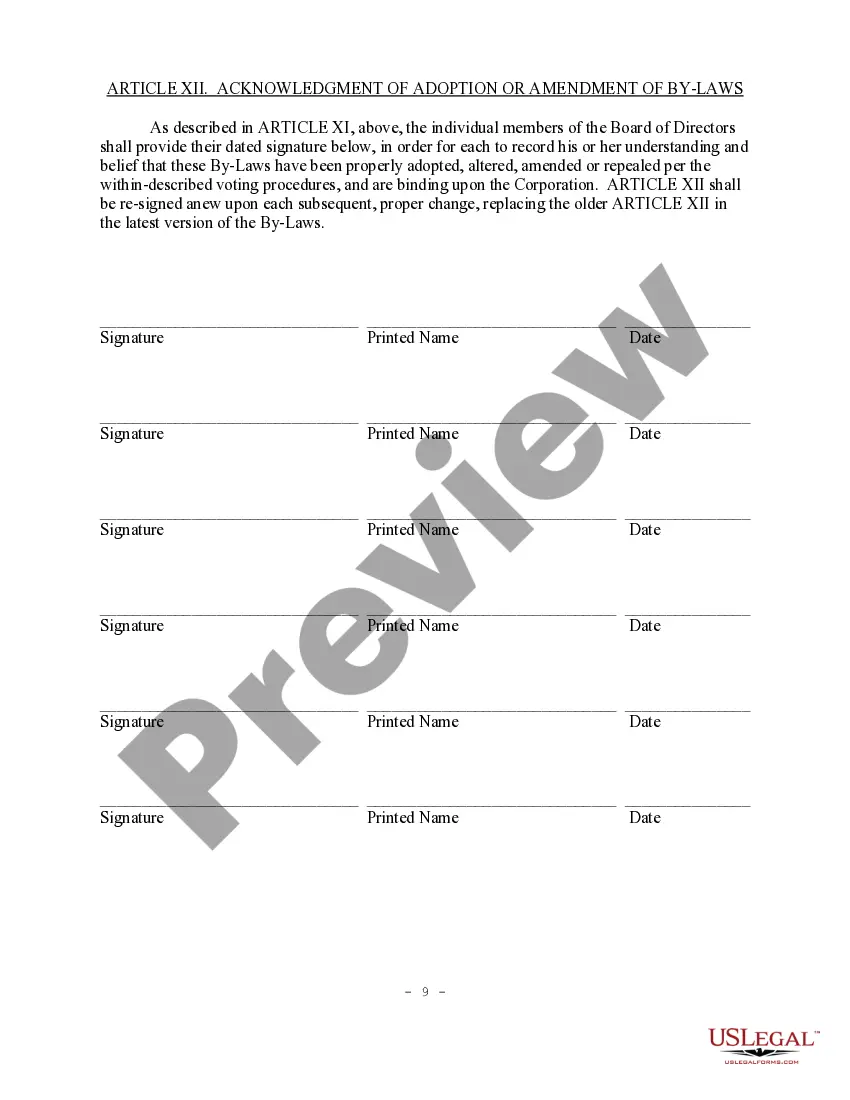
Get your form ready online
Our built-in tools help you complete, sign, share, and store your documents in one place.
Make edits, fill in missing information, and update formatting in US Legal Forms—just like you would in MS Word.
Download a copy, print it, send it by email, or mail it via USPS—whatever works best for your next step.
Sign and collect signatures with our SignNow integration. Send to multiple recipients, set reminders, and more. Go Premium to unlock E-Sign.
If this form requires notarization, complete it online through a secure video call—no need to meet a notary in person or wait for an appointment.
We protect your documents and personal data by following strict security and privacy standards.

Make edits, fill in missing information, and update formatting in US Legal Forms—just like you would in MS Word.

Download a copy, print it, send it by email, or mail it via USPS—whatever works best for your next step.

Sign and collect signatures with our SignNow integration. Send to multiple recipients, set reminders, and more. Go Premium to unlock E-Sign.

If this form requires notarization, complete it online through a secure video call—no need to meet a notary in person or wait for an appointment.

We protect your documents and personal data by following strict security and privacy standards.
Looking for another form?







Form popularity
FAQ
The Davis-Stirling Act is the primary body of law regulating how community associations operate. It covers matters such as budgets and reserves, financial oversight, collection of assessments, maintenance, rules enforcement, board meetings, elections, recordkeeping, dispute resolution, etc.
You can contact your local government office for assistance. For example, you can visit the California Attorney General's HOA Consumer Information page for more details. Online Databases: There are online databases and resources that compile HOA documents. These can be helpful if your HOA participates in such programs.
Most HOA documents are public record, including governing documents. Some states only require the HOA to make certain documents public, while others can be kept confidential.
Are HOA Documents Public Record? Most HOA documents are public record, including governing documents.
Unlike nonprofit businesses, LLC bylaws are not public record, so they can be more challenging to obtain. Complete the following steps to obtain a copy of bylaws for an LLC business: Step 1: Request a copy from the secretary of state in the business's registered state.
Simply put, homeowners association bylaws dictate how an HOA should run. Since HOAs are considered corporations under law, albeit non-profit, they require bylaws to govern day-to-day operations. HOA bylaws are also sometimes referred to as neighborhood association bylaws or subdivision bylaws.
The new law will add a new section 5116 to the Civil Code and will allow HOAs to use electronic voting for electing or recalling directors, or for amending the governing documents. The law does not, however, permit the use of electronic voting for any other things—e.g., approving special assessments, etc.
To find an association's corporate status, contact information, list of board members, current community manager (if applicable), and Articles of Incorporation, one should visit the state agency responsible for overseeing corporations in their state.
In 2024, the California legislature passed an amendment that allowed online elections to be held within HOAs. It recognized that this could open the door to digital vote manipulation within the HOA's management, though, so the state mandated that each HOA election needed to have an independent inspector of elections.
The Davis-Stirling Common Interest Development Act, also known as the Davis-Stirling Act, is a body of law that governs California inium, cooperative, and planned development communities, known as common interest developments, regardless of when they were developed.
