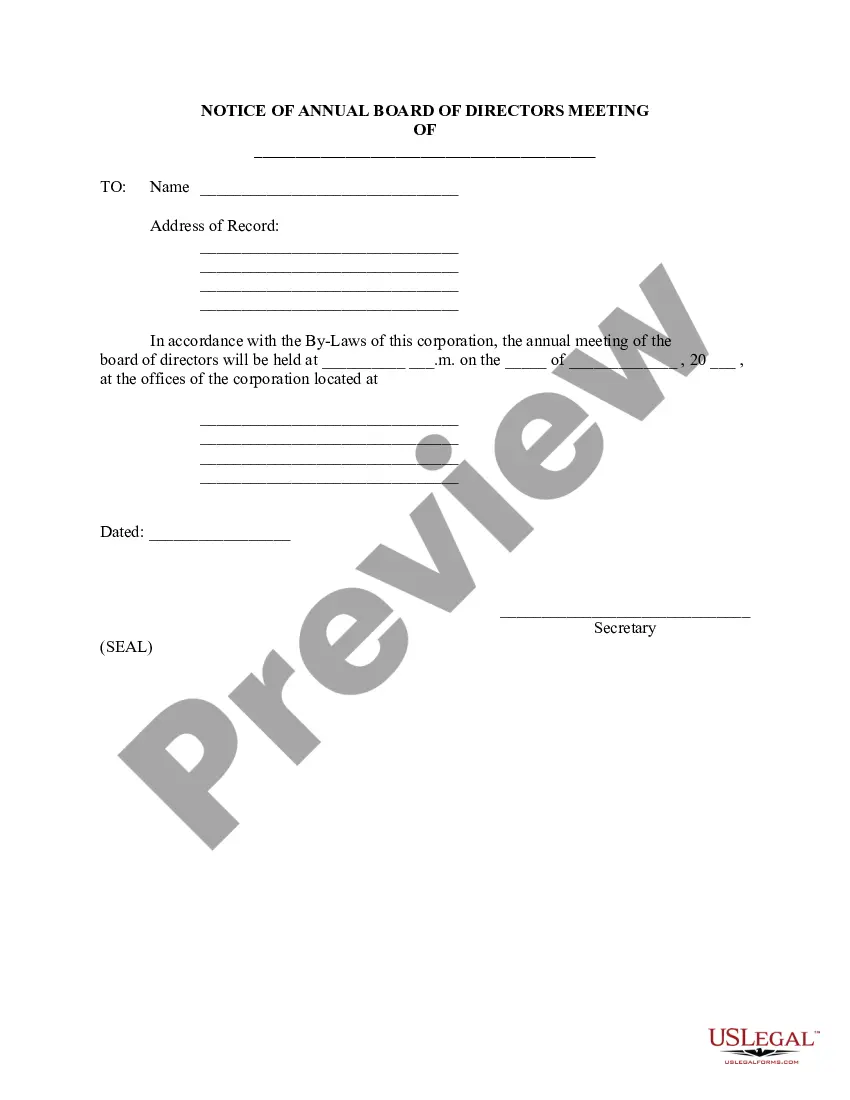
Contingency Agreement Sample For Construction In Travis
Description







Get your form ready online
Our built-in tools help you complete, sign, share, and store your documents in one place.
Make edits, fill in missing information, and update formatting in US Legal Forms—just like you would in MS Word.
Download a copy, print it, send it by email, or mail it via USPS—whatever works best for your next step.
Sign and collect signatures with our SignNow integration. Send to multiple recipients, set reminders, and more. Go Premium to unlock E-Sign.
If this form requires notarization, complete it online through a secure video call—no need to meet a notary in person or wait for an appointment.
We protect your documents and personal data by following strict security and privacy standards.

Make edits, fill in missing information, and update formatting in US Legal Forms—just like you would in MS Word.

Download a copy, print it, send it by email, or mail it via USPS—whatever works best for your next step.

Sign and collect signatures with our SignNow integration. Send to multiple recipients, set reminders, and more. Go Premium to unlock E-Sign.

If this form requires notarization, complete it online through a secure video call—no need to meet a notary in person or wait for an appointment.

We protect your documents and personal data by following strict security and privacy standards.
Looking for another form?








Form popularity
FAQ
What Is a Contingency? A contingency is a potential occurrence of a negative event in the future, such as an economic recession, natural disaster, fraudulent activity, terrorist attack, or a pandemic.
Here are what the Smith + Malek team has seen as the most common errors in construction contracts: It's not written down. Both parties haven't signed the contract. Not all of the terms of the agreement are in writing and in the contract. The timeline is unclear. Particular terms aren't defined.
This contingency is normally calculated as a percentage. If the phase is 100 days of effort, contingency at 20% would be another 20 days. As the project progresses, the level of risk reduces as the requirements and issues become known, so the percentage will be reduced.
A contingent contract is a legal agreement in which the terms and conditions only apply or take effect if a specific event occurs. Essentially, the parties involved agree to perform actions or obligations based on the occurrence or non-occurrence of a particular event in the future.
A contingency can cover a range of unexpected costs during a construction project. Some examples are unforeseen site conditions, changes in project scope, unplanned repairs, delays in timeline and regulation changes such as building codes or zoning requirements.
To write a simple contract, title it clearly, identify all parties and specify terms (services or payments). Include an offer, acceptance, consideration, and intent. Add a signature and date for enforceability. Written contracts reduce disputes and offer better legal security than verbal ones.
How To Write A Construction Contract With 7 Steps Step 1: Define the Parties Involved. Step 2: Outline the Scope of Work. Step 3: Establish the Timeline. Step 4: Determine the Payment Terms. Step 5: Include Necessary Legal Clauses. Step 6: Address Change Orders and Modifications. Step 7: Sign and Execute the Contract.