Contingency Agreement Sample For Construction In Tarrant
Description







Get your form ready online
Our built-in tools help you complete, sign, share, and store your documents in one place.
Make edits, fill in missing information, and update formatting in US Legal Forms—just like you would in MS Word.
Download a copy, print it, send it by email, or mail it via USPS—whatever works best for your next step.
Sign and collect signatures with our SignNow integration. Send to multiple recipients, set reminders, and more. Go Premium to unlock E-Sign.
If this form requires notarization, complete it online through a secure video call—no need to meet a notary in person or wait for an appointment.
We protect your documents and personal data by following strict security and privacy standards.

Make edits, fill in missing information, and update formatting in US Legal Forms—just like you would in MS Word.

Download a copy, print it, send it by email, or mail it via USPS—whatever works best for your next step.

Sign and collect signatures with our SignNow integration. Send to multiple recipients, set reminders, and more. Go Premium to unlock E-Sign.

If this form requires notarization, complete it online through a secure video call—no need to meet a notary in person or wait for an appointment.

We protect your documents and personal data by following strict security and privacy standards.
Looking for another form?



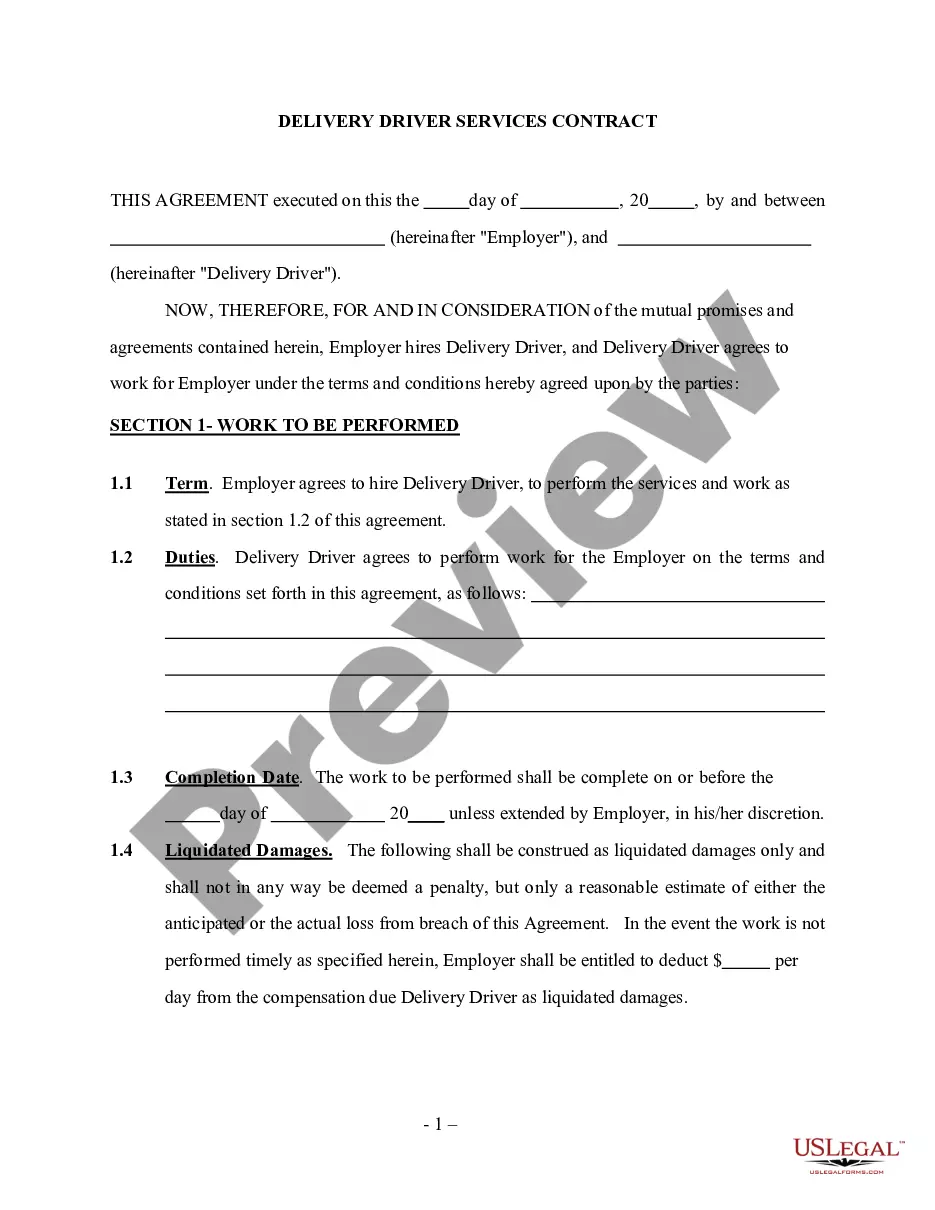

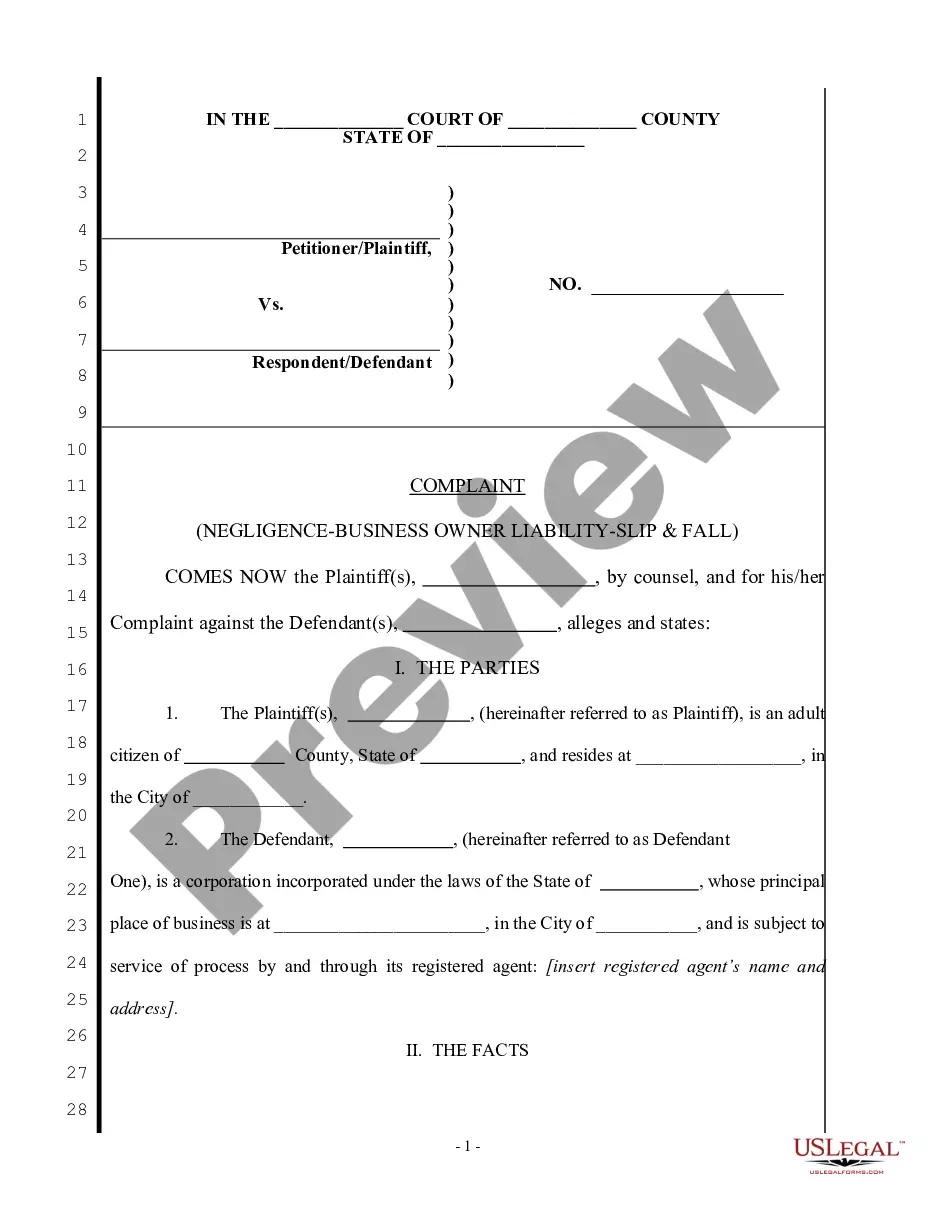
Form popularity
FAQ
A contingency plan is a backup plan designed to address unexpected events or risks that could impact the project's timeline, budget, or quality. A contingency plan is typically implemented when a specific risk event occurs, and it outlines a series of actions to be taken to mitigate the impact of the event.
Bidding Contingency means the funding amount identified by the Owner and design professionals within the Anticipated Hard Bid to accommodate market variances or estimating errors.
Home builders and remodelers usually allocate between 5% and 10% of a project budget for a construction contingency. This amount creates enough breathing room for unexpected costs. Anyone tracking estimates and costs manually will calculate a contingency percentage on top of all costs before profit margins are applied.
Retainage is the withholding of a portion of the final payment for a defined period to assure a contractor or subcontractor has finished a construction project completely and correctly.
The Architect's Handbook of Professional Practice clarifies a contingency allowance as the amount, or percentage, included in the project budget to cover unpredictable changes in the work or items of work. It serves three core purposes: To account for errors and omissions in the construction documents.
Developing a contingency plan for construction requires identifying potential risks and issues that may affect the project, analyzing the probability and impact of each risk and issue, and determining the appropriate response strategies and actions.
A contingency can cover a range of unexpected costs during a construction project. Some examples are unforeseen site conditions, changes in project scope, unplanned repairs, delays in timeline and regulation changes such as building codes or zoning requirements.
Examples of contingency plans in business could include: Strategies to ensure minimal operational disruption during crises, such as unexpected market shifts, regulatory compliance changes, or severe staff shortages.
How Is Construction Contingency Calculated? Typically, most construction projects use a contingency rate of 5% to 10% from the total project budget. This is typically enough to cover any unexpected costs that may arise throughout the project.
Project contingency is simply the process by which you account for uncertainty in that estimation by factoring in any risk. This is then added to the original estimate to ensure the company is prepped for a worst-case scenario that could otherwise derail a project.
