Law Firm Form For Debt Collection In Queens
Description







Get your form ready online
Our built-in tools help you complete, sign, share, and store your documents in one place.
Make edits, fill in missing information, and update formatting in US Legal Forms—just like you would in MS Word.
Download a copy, print it, send it by email, or mail it via USPS—whatever works best for your next step.
Sign and collect signatures with our SignNow integration. Send to multiple recipients, set reminders, and more. Go Premium to unlock E-Sign.
If this form requires notarization, complete it online through a secure video call—no need to meet a notary in person or wait for an appointment.
We protect your documents and personal data by following strict security and privacy standards.

Make edits, fill in missing information, and update formatting in US Legal Forms—just like you would in MS Word.

Download a copy, print it, send it by email, or mail it via USPS—whatever works best for your next step.

Sign and collect signatures with our SignNow integration. Send to multiple recipients, set reminders, and more. Go Premium to unlock E-Sign.

If this form requires notarization, complete it online through a secure video call—no need to meet a notary in person or wait for an appointment.

We protect your documents and personal data by following strict security and privacy standards.
Looking for another form?




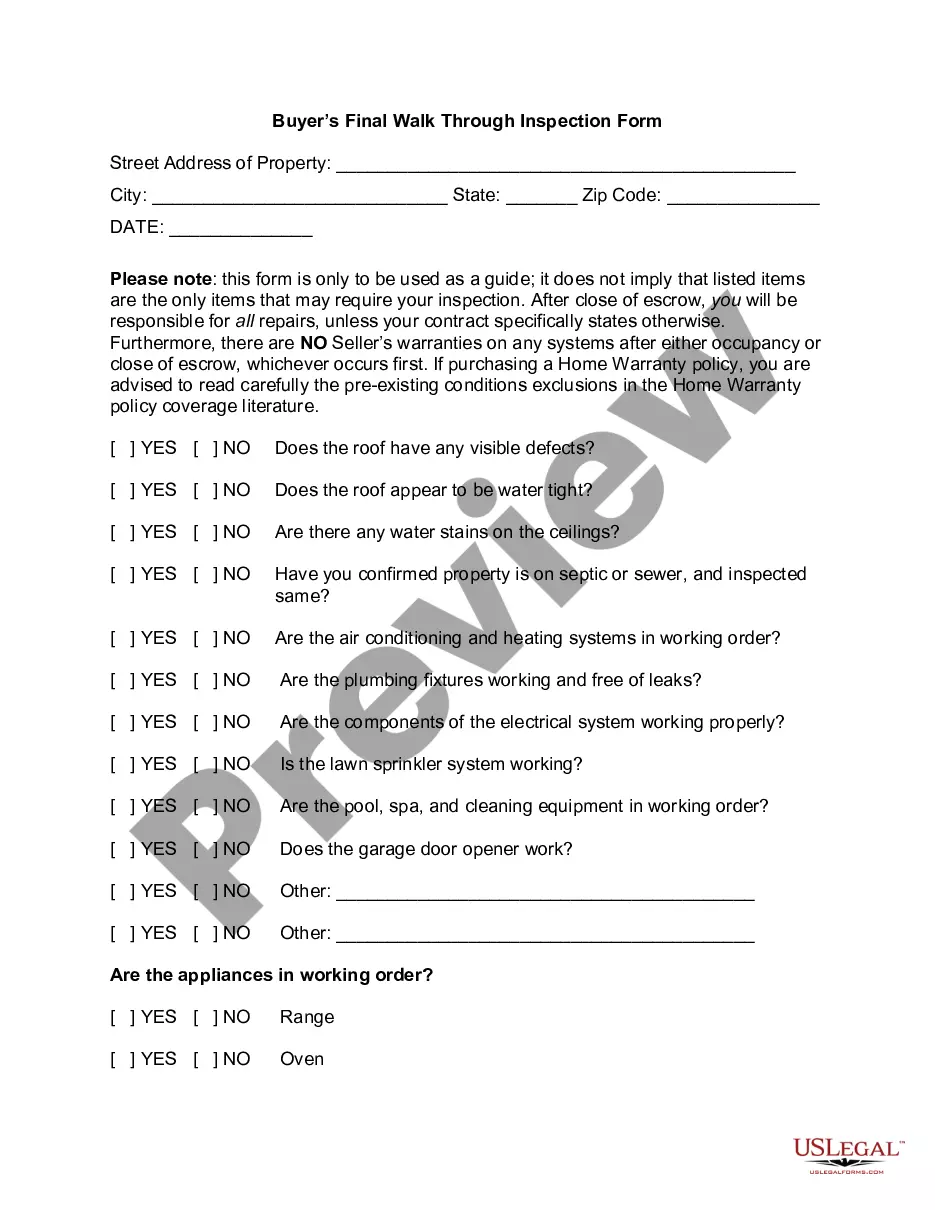

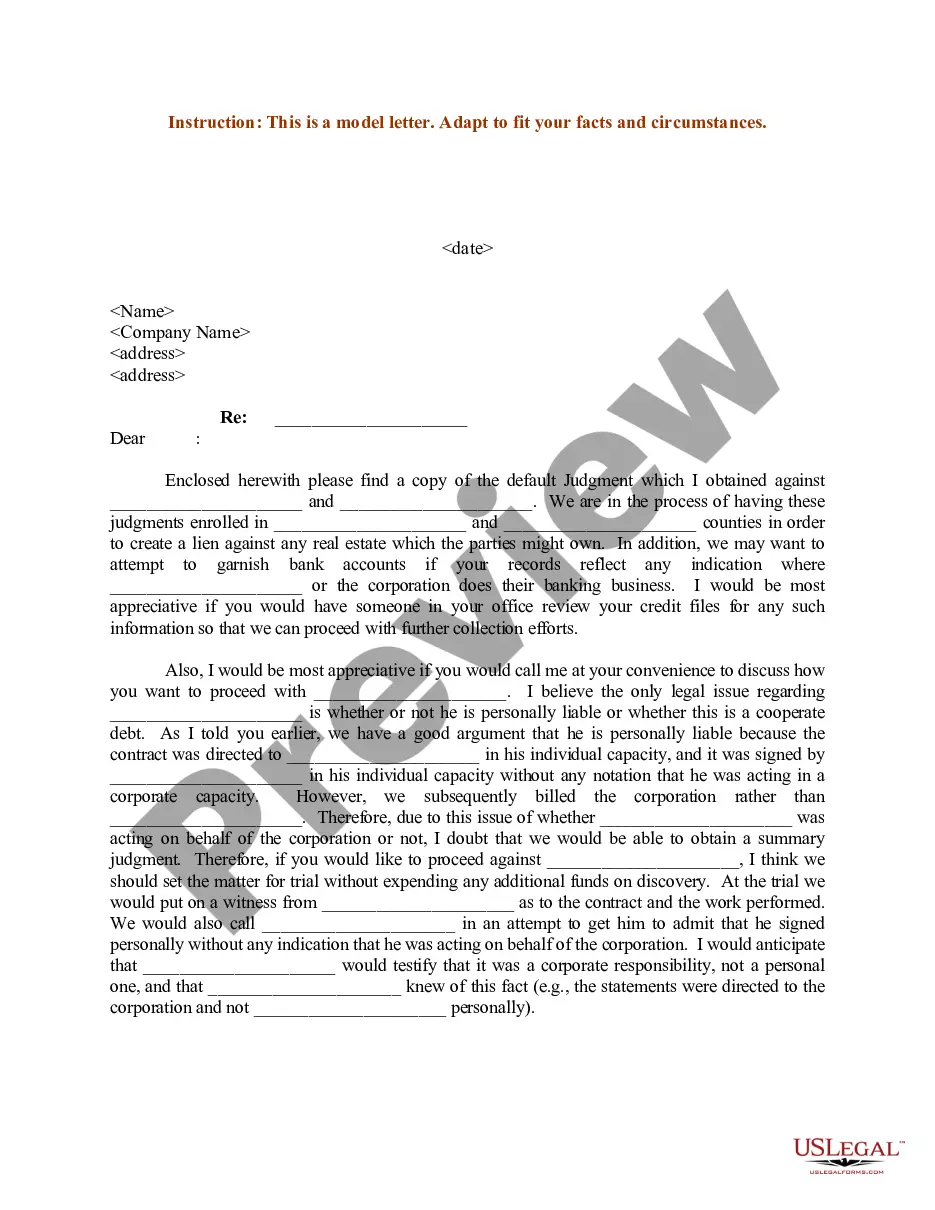
Form popularity
FAQ
6 Ways to Deal With Debt Collectors Check Your Credit Report. Make Sure the Debt Is Valid. Know the Statute of Limitations. Consider Negotiating. Try to Make the Payments You Owe. Send a Cease and Desist Letter.
But what if there was a simple, powerful phrase that could put an end to their relentless pursuit? Thankfully, you can stop debt collectors in their tracks with these 11 words: “Please cease and desist all calls and contact with me, immediately.”
During the call you should never say it's your debt, your account, that you ever had an account, and any other personal financial information. Don't lie if they ask you point-blank questions; just don't answer them by reiterating the first paragraph... several times if necessary.
It's easy, just write the debt collector and let them know you do not want any further contact from them. Include your name, address, phone number, and account number in your letter.
Its called a verification of debt letter. write to them and ask for verification of debt (preferably itemized). send it by certified mail with return receipt (where they attach a little postcard to the back and stamp it when it gets delivered). they have 30 days to reply with proof.
The 7-in-7 rule, established by the Consumer Financial Protection Bureau (CFPB) in 2021, limits how often debt collectors can contact you by phone. Specifically, the rule states that a debt collector cannot: Make more than seven calls within a seven-day period to a consumer regarding a specific debt.
Debt validation letter vs. The debt collector is legally required to send this letter within five days of first contacting you. On the other hand, a debt verification letter is a letter you send to a debt collector to dispute the debt or request more information about it.
How Can I Request a Letter of Validation for My Aadhaar? Go to UIDAI: VIsit UIDAI's official webpage. Selection of Requests: Under the "My Aadhaar" page, choose the "Request for Address Validation Letter" option. Aadhaar Sign-in: Use your Virtual ID or Aadhaar Number to log in.
SIGN Under the FDCPA, the validation notice is not required to be provided in writing if it is given in the initial communication. This means, if you haven't contacted the consumer before this point, SIGN consent isn't required to send a validation notice by email.
Federal law requires collection agencies to provide debt validation notices, so you don't need to request one. In some cases, a collector may provide the validation letter as its initial communication to you. If not, they must provide it within five days of their first communication, either in the mail or via email.
