Contingency In Agreement In Palm Beach
Description







Get your form ready online
Our built-in tools help you complete, sign, share, and store your documents in one place.
Make edits, fill in missing information, and update formatting in US Legal Forms—just like you would in MS Word.
Download a copy, print it, send it by email, or mail it via USPS—whatever works best for your next step.
Sign and collect signatures with our SignNow integration. Send to multiple recipients, set reminders, and more. Go Premium to unlock E-Sign.
If this form requires notarization, complete it online through a secure video call—no need to meet a notary in person or wait for an appointment.
We protect your documents and personal data by following strict security and privacy standards.

Make edits, fill in missing information, and update formatting in US Legal Forms—just like you would in MS Word.

Download a copy, print it, send it by email, or mail it via USPS—whatever works best for your next step.

Sign and collect signatures with our SignNow integration. Send to multiple recipients, set reminders, and more. Go Premium to unlock E-Sign.

If this form requires notarization, complete it online through a secure video call—no need to meet a notary in person or wait for an appointment.

We protect your documents and personal data by following strict security and privacy standards.
Looking for another form?





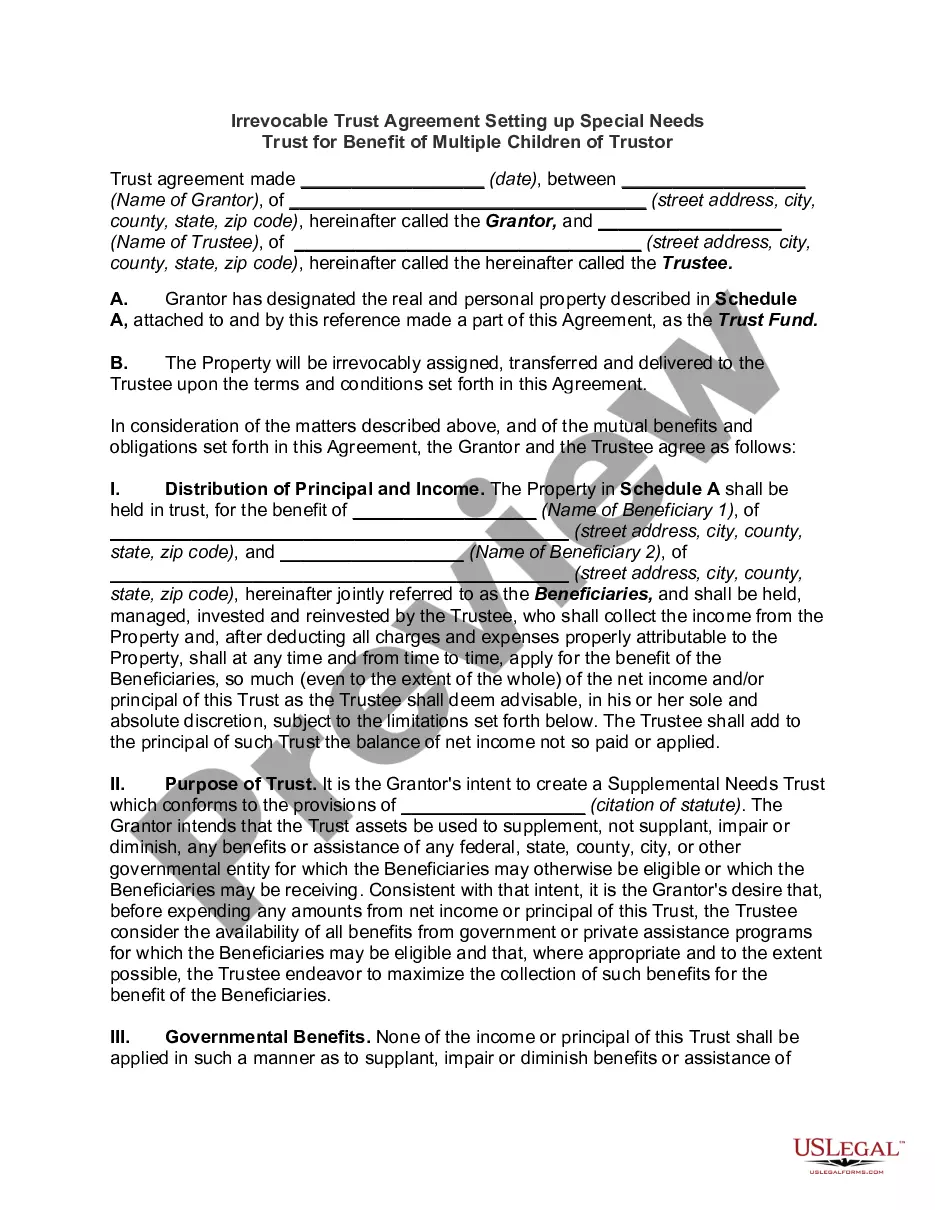

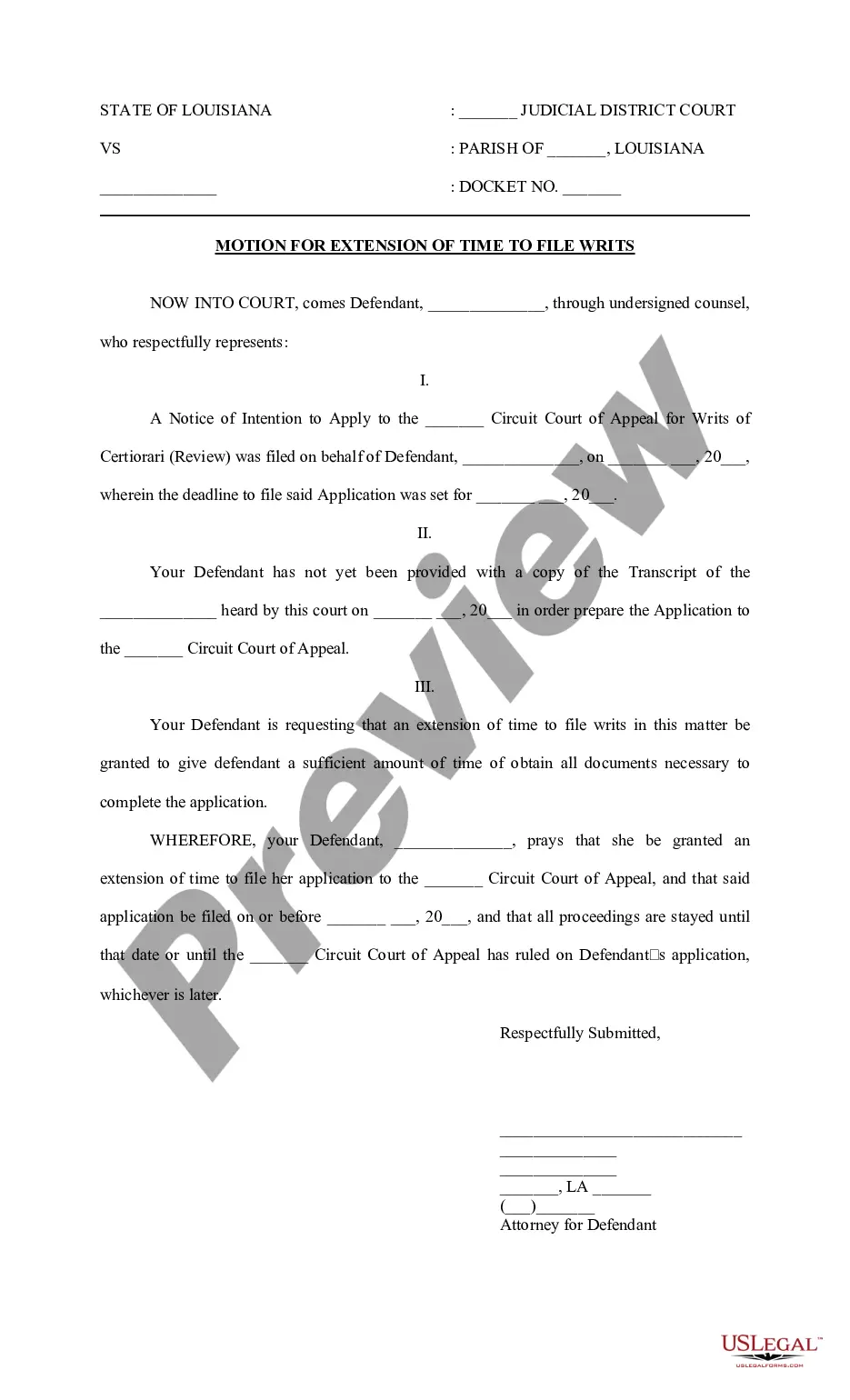


Form popularity
FAQ
In a contingency contract, the task defines exactly what behavior a person must engage in to access the reward. It should include what needs to be done, who must do it, when it must be done and details with how it must be done. It should be very clear and specific for all parties.
Example of a Contingency Contract One straightforward example might be a child who agrees with their parent that if they get an A in a particular class, they will get a new bicycle. Of course, the contract may be verbal, and it may be between family members.
Best practices for drafting a contingent contract #1 Define the conditions clearly to activate the contract obligations. #2 Include detailed descriptions of all parties' obligations. #3 Keep the contract simple to avoid misunderstandings. #4 Regularly update your contracts to keep them relevant and enforceable.
A contingency is a potentially negative event that may occur in the future, such as an economic recession, natural disaster, or fraudulent activity. Companies and investors plan for various contingencies through analysis and implementing protective measures.
In the case of conditional contracts, conditions that need to be fulfilled are certain, i.e., bound to happen, which is not the case with contingent contracts, as such conditions may or may not happen.
The most common contingency is the home inspection contingency. This condition on an offer states the home sale will only be finalized if the property passes a professional home inspection. In other words, buyers can walk away from a home sale if the home inspection turns up serious problems.
Contingency clauses help parties find common ground when they have divergent future expectations. However, they come with complexities and potential drawbacks, such as increased administrative overhead and the need for careful negotiation and drafting.
A "contingent contract is a contract to do or not to do something, if some event, collateral to such contract, does or does not happen.
The contract is characterized as "contingent" because the terms are not final and are based on certain events or conditions occurring. A contingent contract can also be viewed as protection against a future change of plans.
Contingent contracts usually occur when negotiating parties fail to reach an agreement. The contract is characterized as "contingent" because the terms are not final and are based on certain events or conditions occurring. A contingent contract can also be viewed as protection against a future change of plans.
