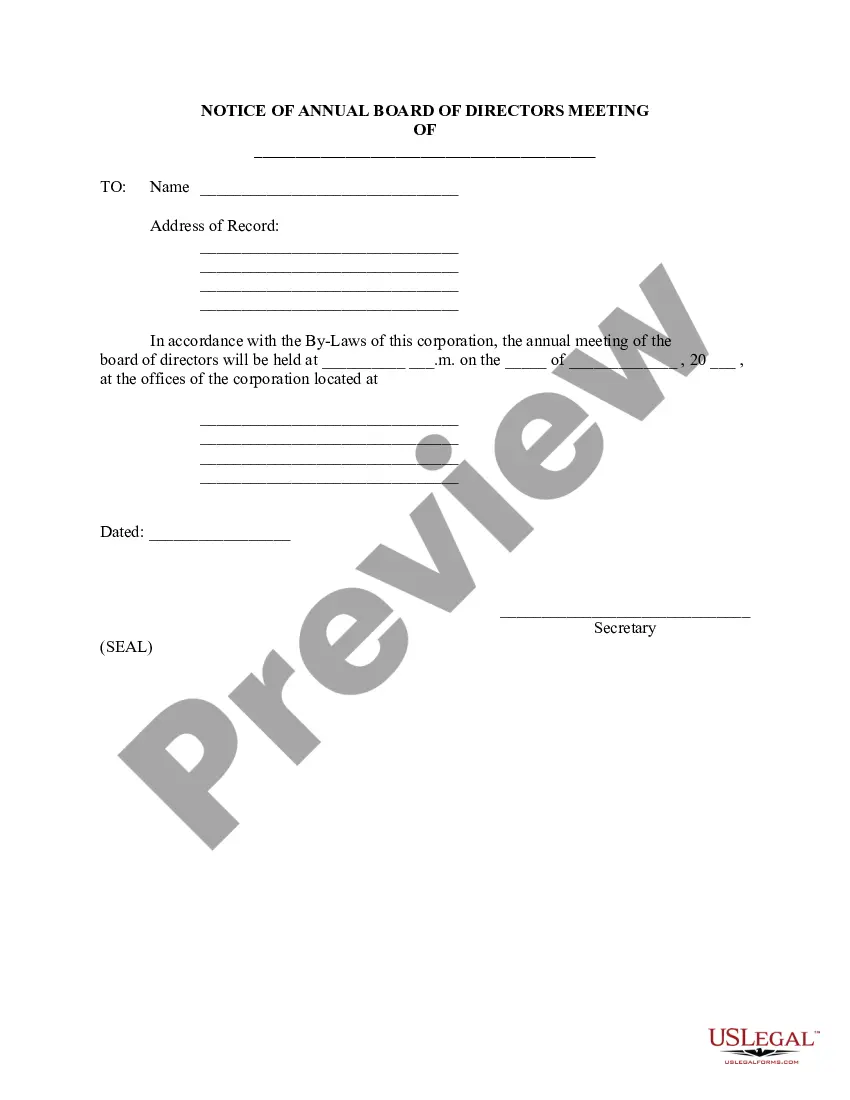
Contingency Agreement Sample For Roof Replacement In Palm Beach
Description







Get your form ready online
Our built-in tools help you complete, sign, share, and store your documents in one place.
Make edits, fill in missing information, and update formatting in US Legal Forms—just like you would in MS Word.
Download a copy, print it, send it by email, or mail it via USPS—whatever works best for your next step.
Sign and collect signatures with our SignNow integration. Send to multiple recipients, set reminders, and more. Go Premium to unlock E-Sign.
If this form requires notarization, complete it online through a secure video call—no need to meet a notary in person or wait for an appointment.
We protect your documents and personal data by following strict security and privacy standards.

Make edits, fill in missing information, and update formatting in US Legal Forms—just like you would in MS Word.

Download a copy, print it, send it by email, or mail it via USPS—whatever works best for your next step.

Sign and collect signatures with our SignNow integration. Send to multiple recipients, set reminders, and more. Go Premium to unlock E-Sign.

If this form requires notarization, complete it online through a secure video call—no need to meet a notary in person or wait for an appointment.

We protect your documents and personal data by following strict security and privacy standards.
Looking for another form?



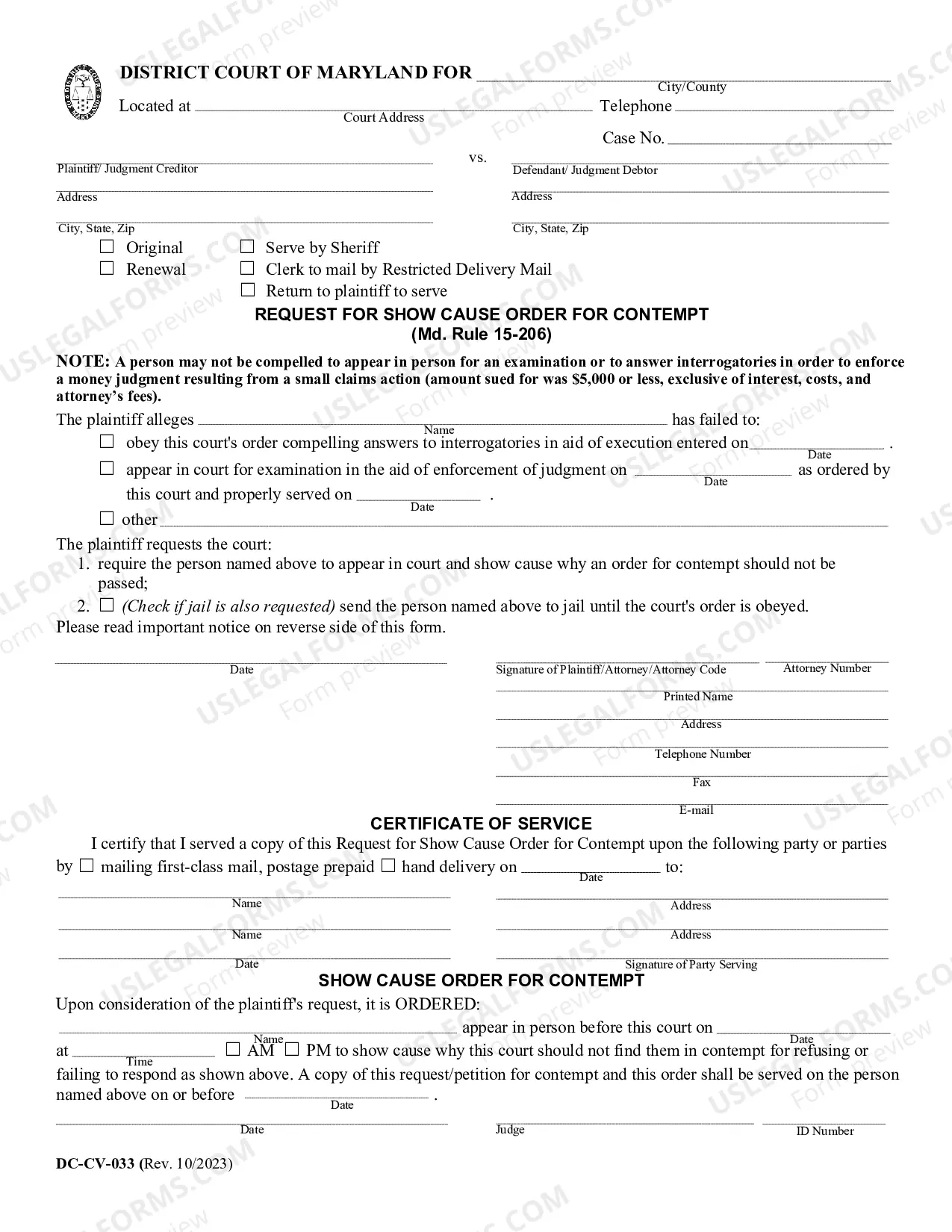
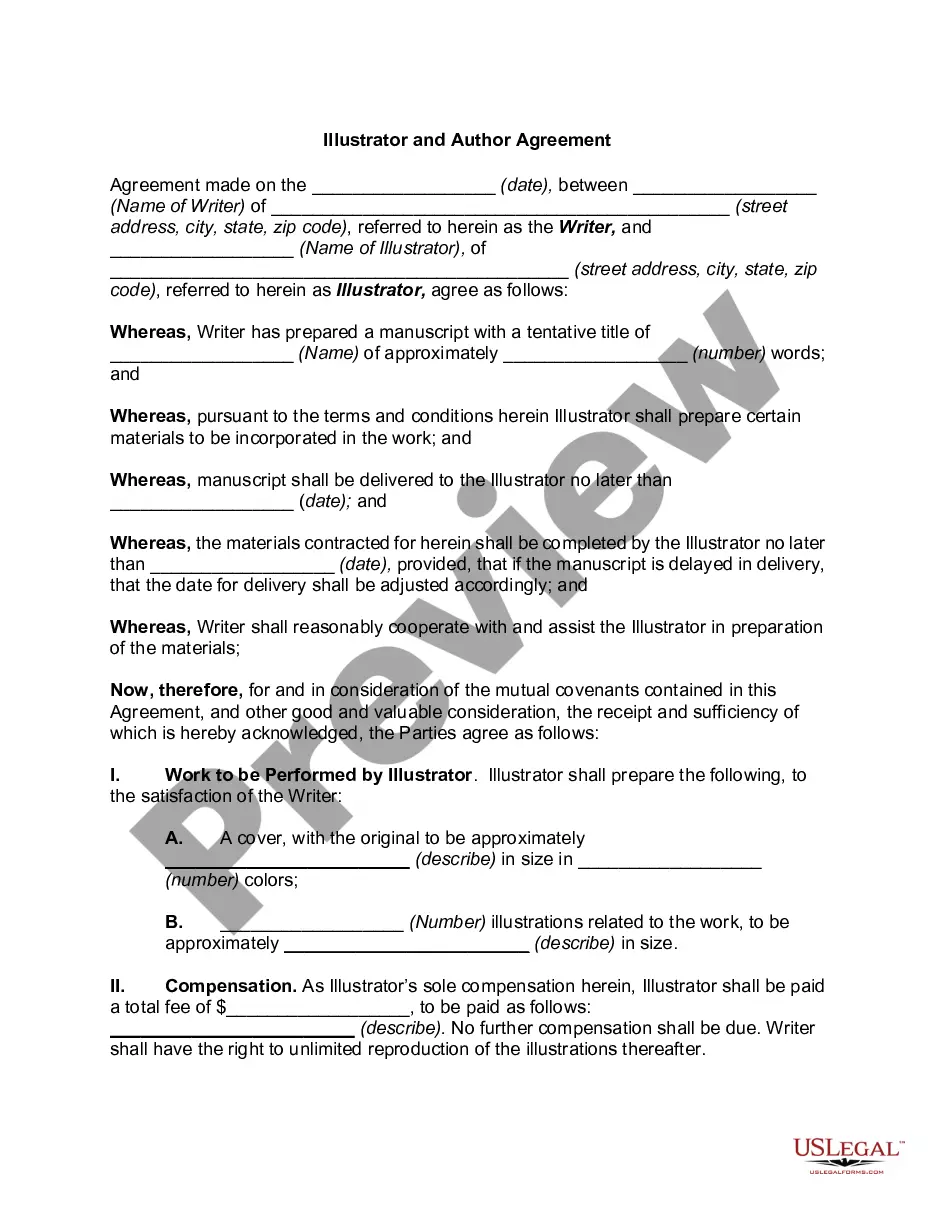




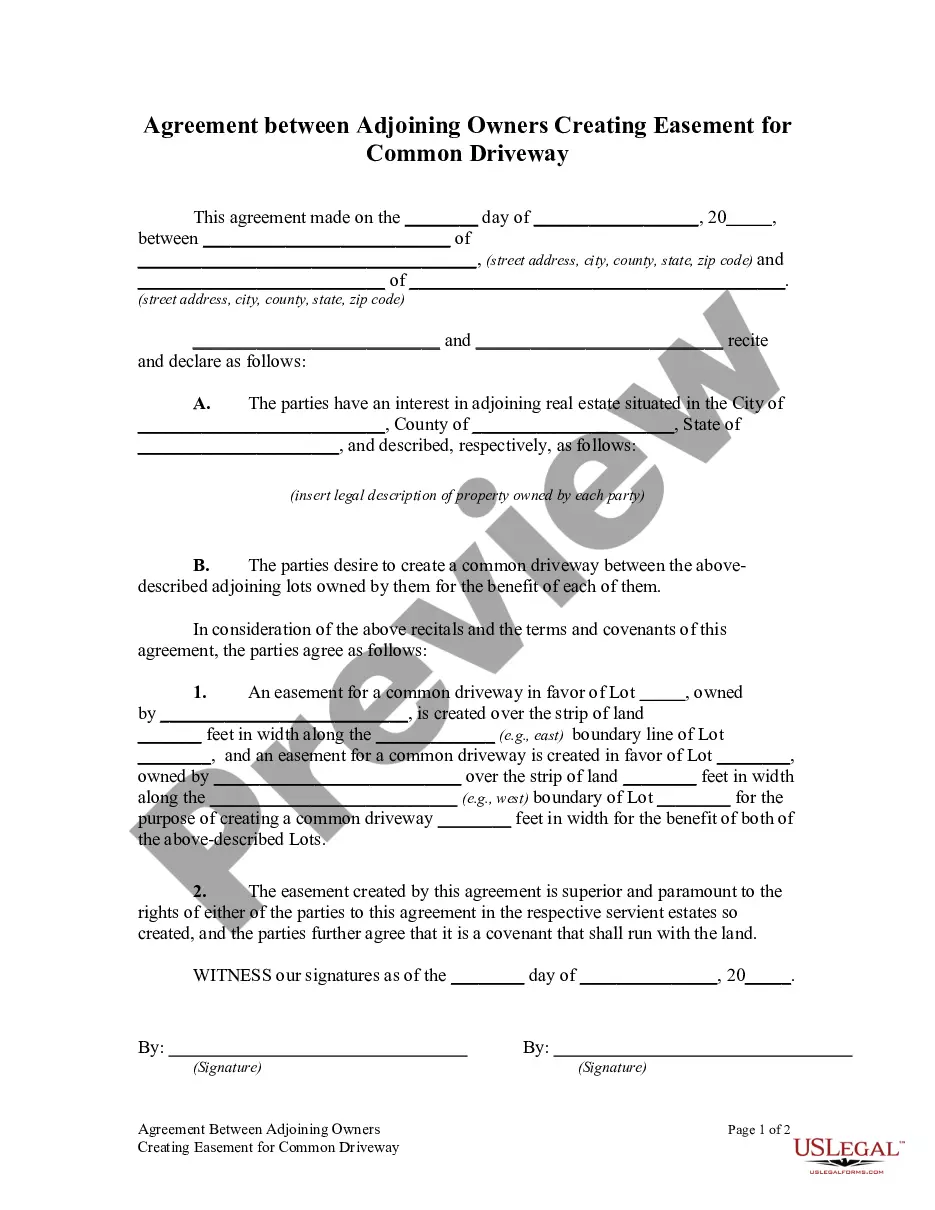
Form popularity
FAQ
You are required to be given a three day right to cancel a home repair contract if: the sale of services or merchandise involves $25 or more, and • the contract is signed when the salesperson or contractor is physically present in your residence.
Here's what you really need to do to make a quality roofing estimate/bid. Step 1: Do Your Roofing Pre-Check. Step 2: Measure the Roof. Step 3: Estimate Roofing Material Costs. Step 4: Estimate Labor & Rental Costs. Step 5: Account for Overhead & Profit Margin. Step 6: Create the Formal Roofing Estimate.
A standard roofing contract should contain, at a minimum, the following info: License number and insurance details. Project's scope. Terms of payment. Option for terminating the contract. Project's timeline. Materials. Date and signature. Contractor and customer details.
A roofing contingency contract is a legally binding document. There's usually a grace period after signing, but you should discuss that with your roofing pro. Make sure you have a termination clause in your contract before signing.
Improper Installation They have specific directions about installation, including the length of the nails used, the number of nails per shingle, and more. If you choose a less qualified roofer who cuts corners, makes rookie mistakes, or disregards the specifications, you'll be looking at a voided warranty.
Homeowners can cancel within ten (10) days after the execution of the contract or by the official start date of the work, whichever comes first. The official start date is defined by statute as: The commencement of work involving materials that will be part of the final roof. The issuance of a final permit.
Cancel the contingency agreement and move on. Do not let contractors scare you. As long as no work has been done and no materials have been delivered, you owe nothing! Even if temporary tarp coverings were performed the maximum amount owed to the contractor ranges between 150 and 500.
In May 2022, Florida's 25% Roof Replacement Rule was eliminated and replaced with Senate Bill 4-D. The law originally stated that if more than 25% of the roof was damaged, the entire roof would need to be replaced to meet code requirements.