Law Firm Form Withdrawal In Orange
Description







Get your form ready online
Our built-in tools help you complete, sign, share, and store your documents in one place.
Make edits, fill in missing information, and update formatting in US Legal Forms—just like you would in MS Word.
Download a copy, print it, send it by email, or mail it via USPS—whatever works best for your next step.
Sign and collect signatures with our SignNow integration. Send to multiple recipients, set reminders, and more. Go Premium to unlock E-Sign.
If this form requires notarization, complete it online through a secure video call—no need to meet a notary in person or wait for an appointment.
We protect your documents and personal data by following strict security and privacy standards.

Make edits, fill in missing information, and update formatting in US Legal Forms—just like you would in MS Word.

Download a copy, print it, send it by email, or mail it via USPS—whatever works best for your next step.

Sign and collect signatures with our SignNow integration. Send to multiple recipients, set reminders, and more. Go Premium to unlock E-Sign.

If this form requires notarization, complete it online through a secure video call—no need to meet a notary in person or wait for an appointment.

We protect your documents and personal data by following strict security and privacy standards.
Looking for another form?





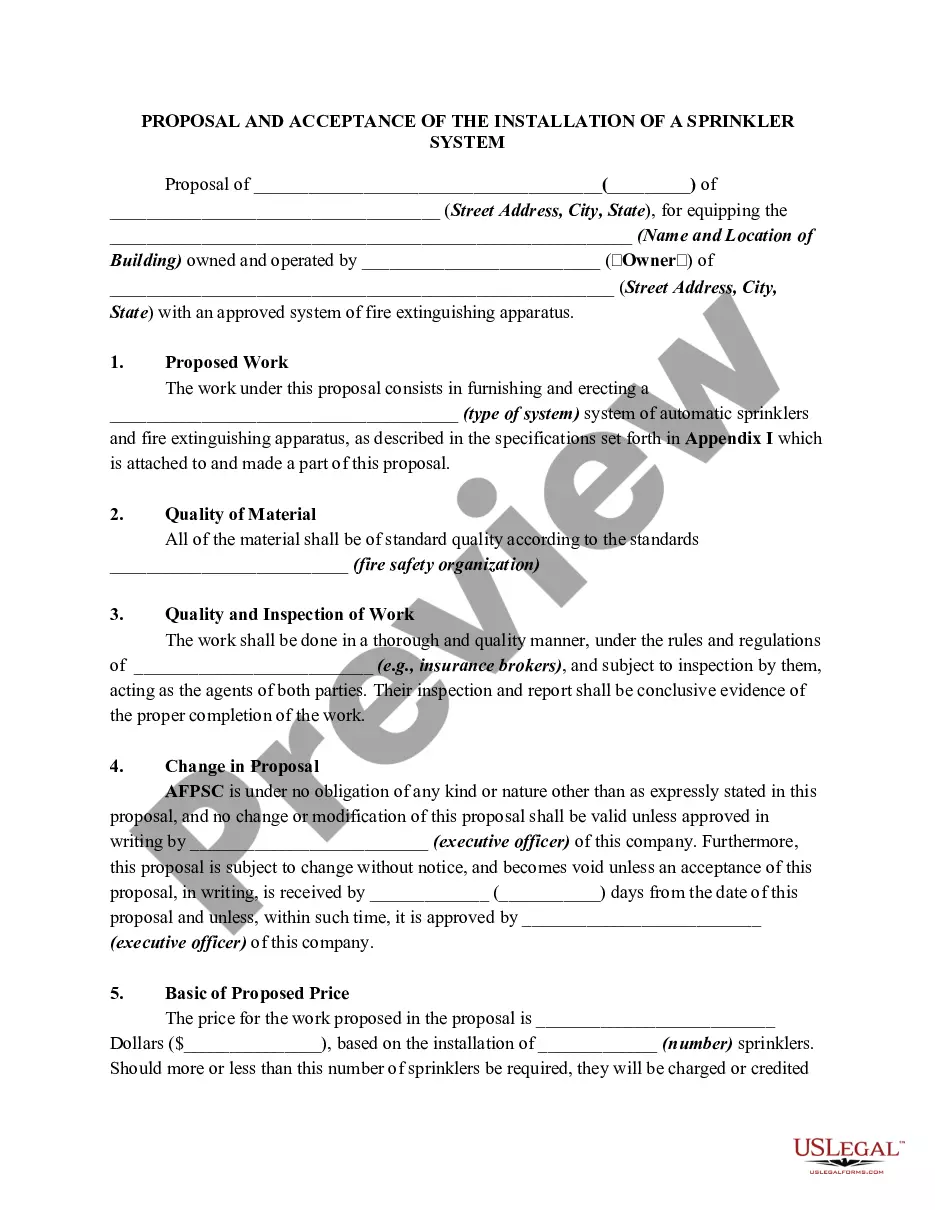
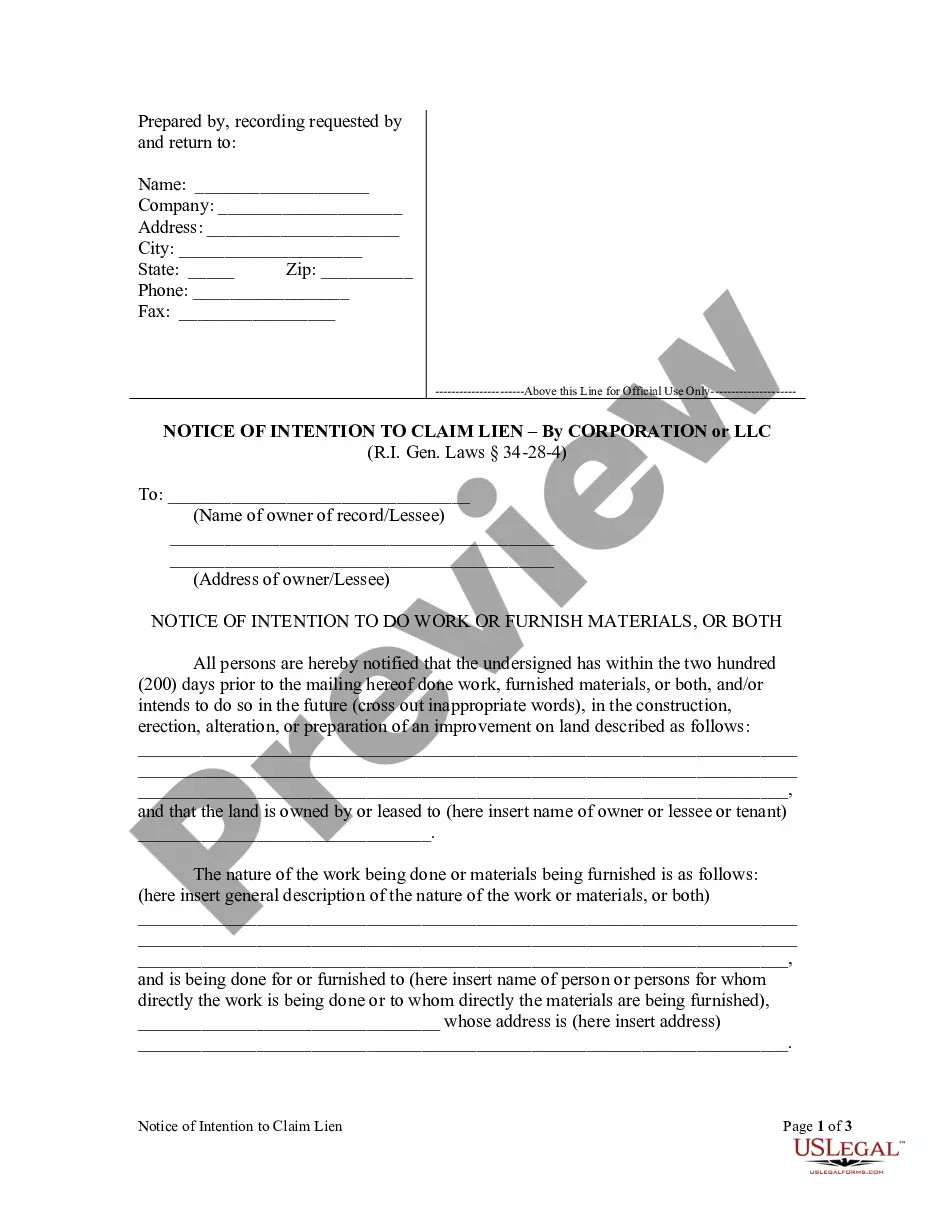


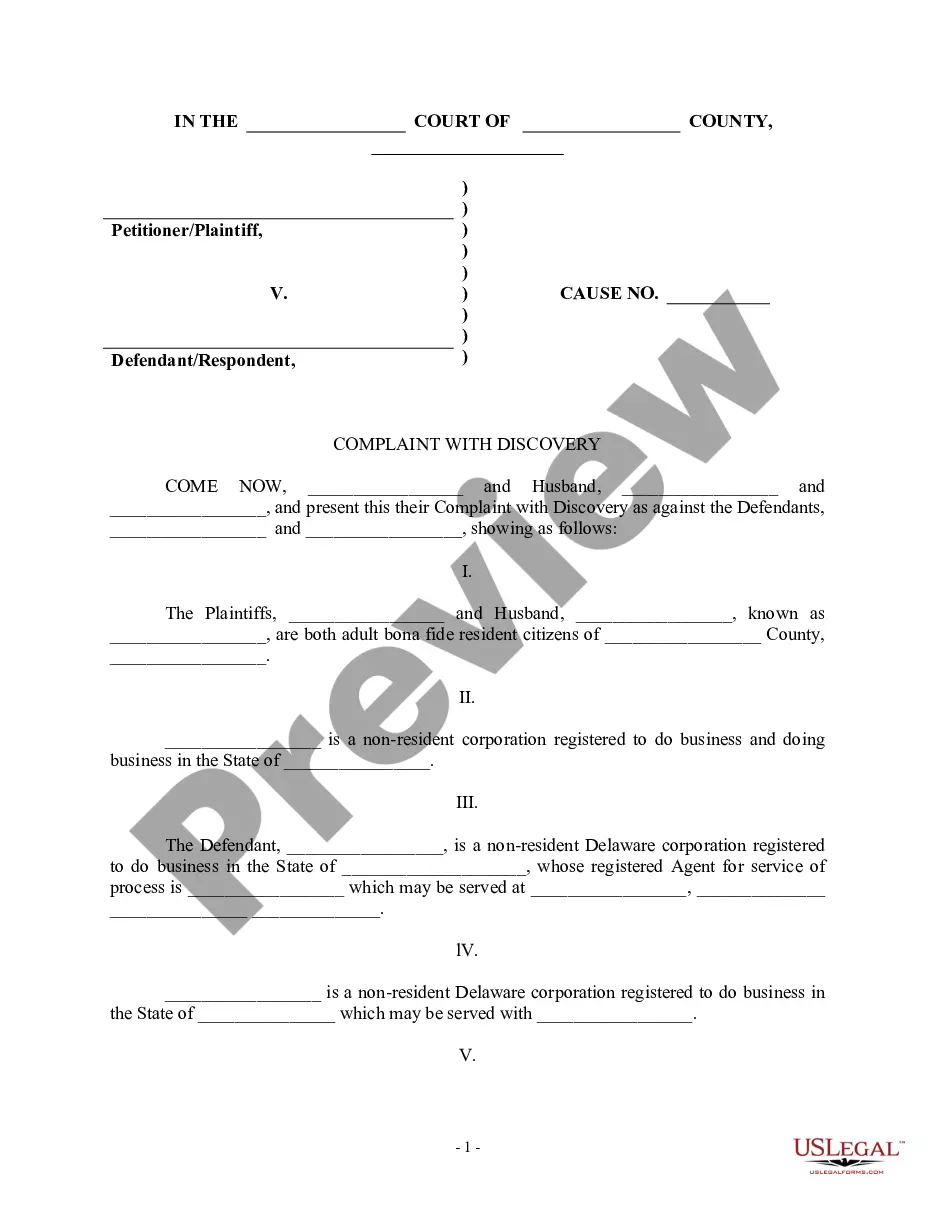
Form popularity
FAQ
(1) An attorney may request withdrawal by filing a motion to withdraw. Unless the court orders otherwise, the motion need be served only on the party represented and the attorneys directly affected. (2) The proof of service need not include the address of the party represented.
Appear in court: If the court schedules a hearing for the motion to withdraw, it is crucial to appear in court and explain to the judge why you believe the attorney should not be allowed to withdraw from your case.
A form disengagement letter (also known as a withdrawal letter or a termination of engagement letter) sent by an attorney or law firm to a client when withdrawing from representation in a litigation matter.
LBR 2091-1(a) provides a procedure for an attorney to withdraw as counsel, and that withdrawal results in the client no longer being represented by an attorney. The former client is now considered to be a "Self-Represented Party". Sometimes a client agrees to become a Self-Represented party.
(1) An attorney may request withdrawal by filing a motion to withdraw. Unless the court orders otherwise, the motion need be served only on the party represented and the attorneys directly affected. (2) The proof of service need not include the address of the party represented.
If the withdrawing attorney does not have co-counsel or replacement counsel, he or she must seek the court's approval to withdraw. The rule requires that a motion to withdraw be filed and served on the client and other parties of record.
Only speak to your lawyer in writing, like email. Demand that your lawyer file papers for your deadline, in writing. Oppose the motion to withdraw. Make your lawyer prove why they need to withdraw. Remember, your attorney works for you.
The decision to decline a representation is best to communicate that declination in writing. "Non-engagement letters" should clearly inform the prospective client that the law firm will not represent the prospective client in that matter and that he or she should not rely on the lawyer for any advice or legal action.
The lawyer must warn the client before withdrawing under the circumstances. Paragraph (b)(6) permits a lawyer to withdraw with the consent of the client. Paragraph (b)(7) carries forward current rule 3-700(C)(3), which permits withdrawal if a lawyer is unable to work with co-counsel.
Ceasing to act Once you have taken on a client, you should not cease to act without good reason and without providing reasonable notice. If you do need to stop acting for a client, you should explain the client's options.
