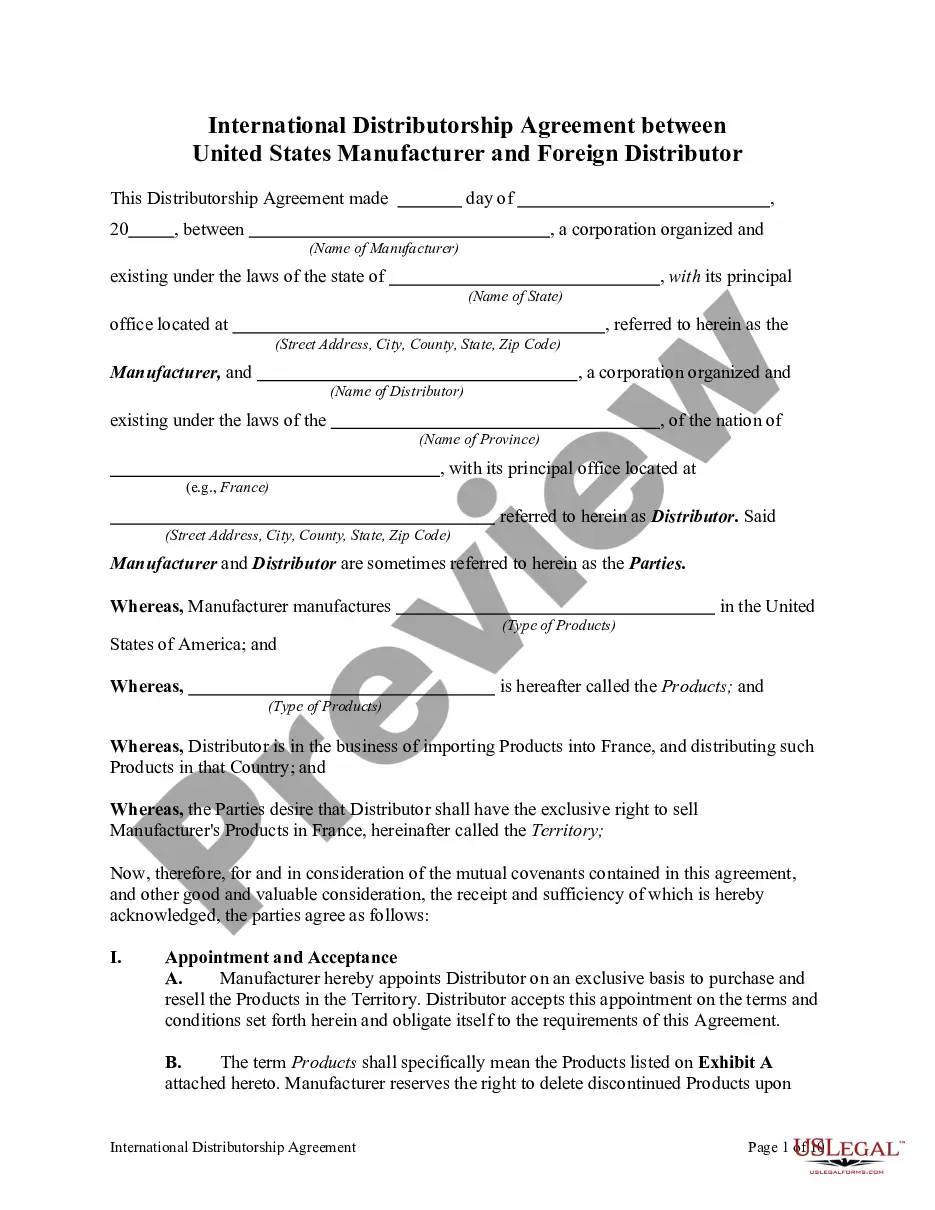
Contingent Fee For Attorneys In Miami-Dade
Description







Get your form ready online
Our built-in tools help you complete, sign, share, and store your documents in one place.
Make edits, fill in missing information, and update formatting in US Legal Forms—just like you would in MS Word.
Download a copy, print it, send it by email, or mail it via USPS—whatever works best for your next step.
Sign and collect signatures with our SignNow integration. Send to multiple recipients, set reminders, and more. Go Premium to unlock E-Sign.
If this form requires notarization, complete it online through a secure video call—no need to meet a notary in person or wait for an appointment.
We protect your documents and personal data by following strict security and privacy standards.

Make edits, fill in missing information, and update formatting in US Legal Forms—just like you would in MS Word.

Download a copy, print it, send it by email, or mail it via USPS—whatever works best for your next step.

Sign and collect signatures with our SignNow integration. Send to multiple recipients, set reminders, and more. Go Premium to unlock E-Sign.

If this form requires notarization, complete it online through a secure video call—no need to meet a notary in person or wait for an appointment.

We protect your documents and personal data by following strict security and privacy standards.
Looking for another form?





Form popularity
FAQ
The recommended percentage for a contingency fund is between 5-10% of the total budget, but this may vary depending on project complexity and past experiences.
Typically, most construction projects use a contingency rate of 5% to 10% from the total project budget. This is typically enough to cover any unexpected costs that may arise throughout the project.
This contingency is normally calculated as a percentage. If the phase is 100 days of effort, contingency at 20% would be another 20 days. As the project progresses, the level of risk reduces as the requirements and issues become known, so the percentage will be reduced.
Set aside a well-researched contingency amount, typically between 5% and 10% of the overall project budget.
The average contingency rate falls between 20-40%, with most lawyers charging around 33% to 35% of the total amount recovered in a case. The exact percentage can vary depending on the complexity of the case, the lawyer's experience, and the stage at which the case is resolved.
It provides a safety net for unexpected expenses and ensures the project stays on track, both in terms of budget and timeline. The recommended percentage for a contingency fund is between 5-10% of the total budget, but this may vary depending on project complexity and past experiences.
In Florida, attorney's fees are generally recoverable by the winning party if they are allowed by agreement such as in a written contract or by law in a statute. This protocol is commonly called the American Rule because it modified its cousin, the English Rule, which awarded fees to the winner in all civil cases.