Contingency Rules In Massachusetts
Description







Get your form ready online
Our built-in tools help you complete, sign, share, and store your documents in one place.
Make edits, fill in missing information, and update formatting in US Legal Forms—just like you would in MS Word.
Download a copy, print it, send it by email, or mail it via USPS—whatever works best for your next step.
Sign and collect signatures with our SignNow integration. Send to multiple recipients, set reminders, and more. Go Premium to unlock E-Sign.
If this form requires notarization, complete it online through a secure video call—no need to meet a notary in person or wait for an appointment.
We protect your documents and personal data by following strict security and privacy standards.

Make edits, fill in missing information, and update formatting in US Legal Forms—just like you would in MS Word.

Download a copy, print it, send it by email, or mail it via USPS—whatever works best for your next step.

Sign and collect signatures with our SignNow integration. Send to multiple recipients, set reminders, and more. Go Premium to unlock E-Sign.

If this form requires notarization, complete it online through a secure video call—no need to meet a notary in person or wait for an appointment.

We protect your documents and personal data by following strict security and privacy standards.
Looking for another form?




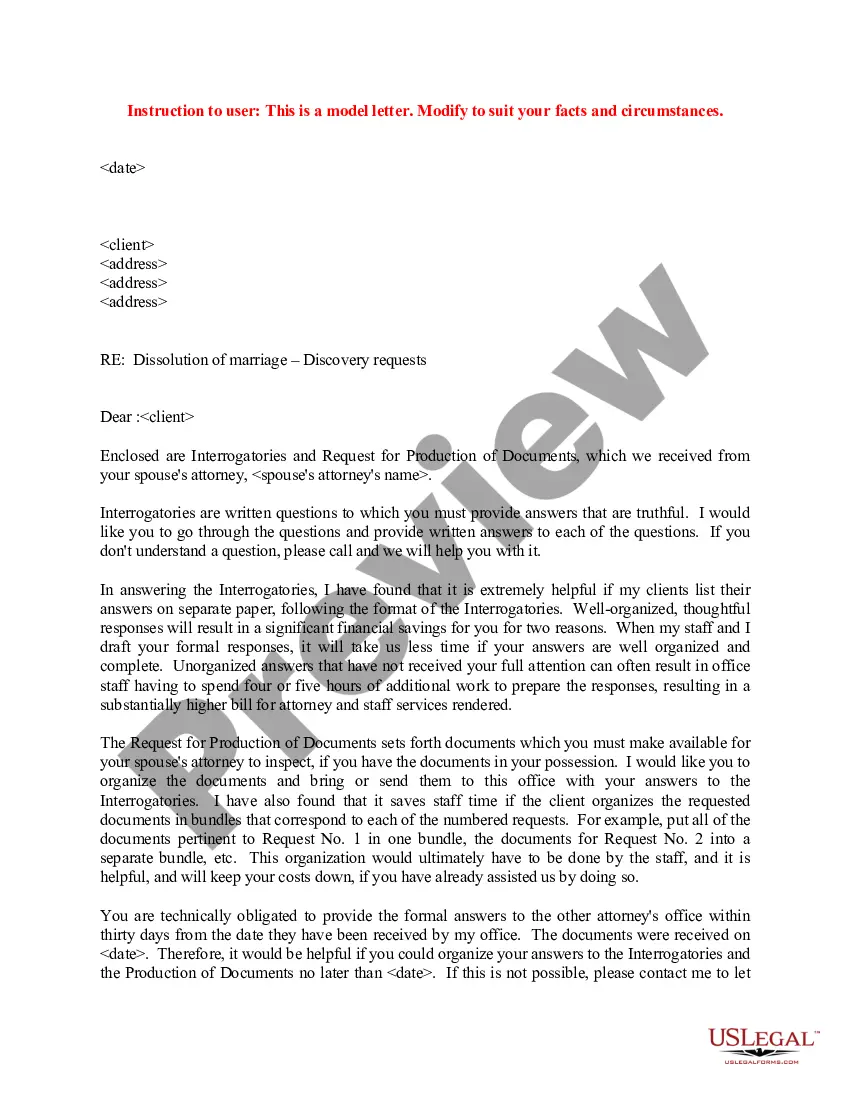


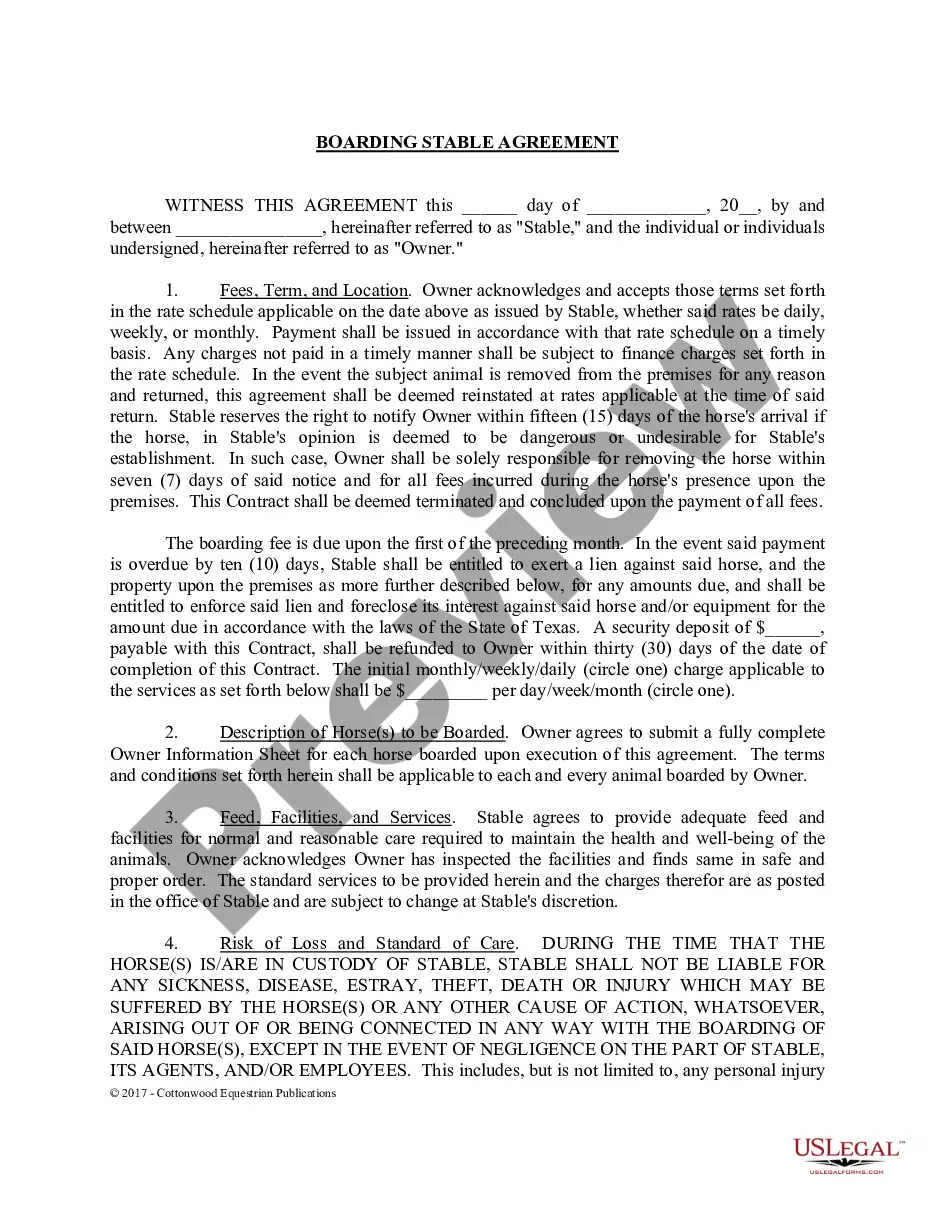


Form popularity
FAQ
Contingency planning ensures that we know what to do when disaster strikes, and have the systems and tools to respond fast. It means anticipating the types of disasters we might face and knowing practically how to manage disasters when they do strike.
The Massachusetts Contingency Plan (MCP) Numerical Standards is a set of standards that establishes liability for operators and owners of zones that are contaminated with hazardous material or oil.
The Massachusetts Contingency Plan (MCP) Numerical Standards is a set of standards that establishes liability for operators and owners of zones that are contaminated with hazardous material or oil.
In real estate, “contingent” refers to a status in which a Massachusetts property is under contract for sale. Still, certain conditions or contingencies must be met before the sale is finalized. These conditions commonly include inspections, financing, appraisal, or selling another property.
out clause allows the seller to continue listing the house for sale. If the buyer does sell the house during that time, the buyer closes title on the seller's house.
A contingency clause should clearly outline the conditions, how the conditions are to be fulfilled, and which party is responsible for fulfilling them. The clause should also provide a timeframe for what happens if the condition is not met.
A contingency is a potentially negative event that may occur in the future, such as an economic recession, natural disaster, or fraudulent activity. Companies and investors plan for various contingencies through analysis and implementing protective measures.
