Contingency Lawyers For Wrongful Termination In Harris
Description







Get your form ready online
Our built-in tools help you complete, sign, share, and store your documents in one place.
Make edits, fill in missing information, and update formatting in US Legal Forms—just like you would in MS Word.
Download a copy, print it, send it by email, or mail it via USPS—whatever works best for your next step.
Sign and collect signatures with our SignNow integration. Send to multiple recipients, set reminders, and more. Go Premium to unlock E-Sign.
If this form requires notarization, complete it online through a secure video call—no need to meet a notary in person or wait for an appointment.
We protect your documents and personal data by following strict security and privacy standards.

Make edits, fill in missing information, and update formatting in US Legal Forms—just like you would in MS Word.

Download a copy, print it, send it by email, or mail it via USPS—whatever works best for your next step.

Sign and collect signatures with our SignNow integration. Send to multiple recipients, set reminders, and more. Go Premium to unlock E-Sign.

If this form requires notarization, complete it online through a secure video call—no need to meet a notary in person or wait for an appointment.

We protect your documents and personal data by following strict security and privacy standards.
Looking for another form?

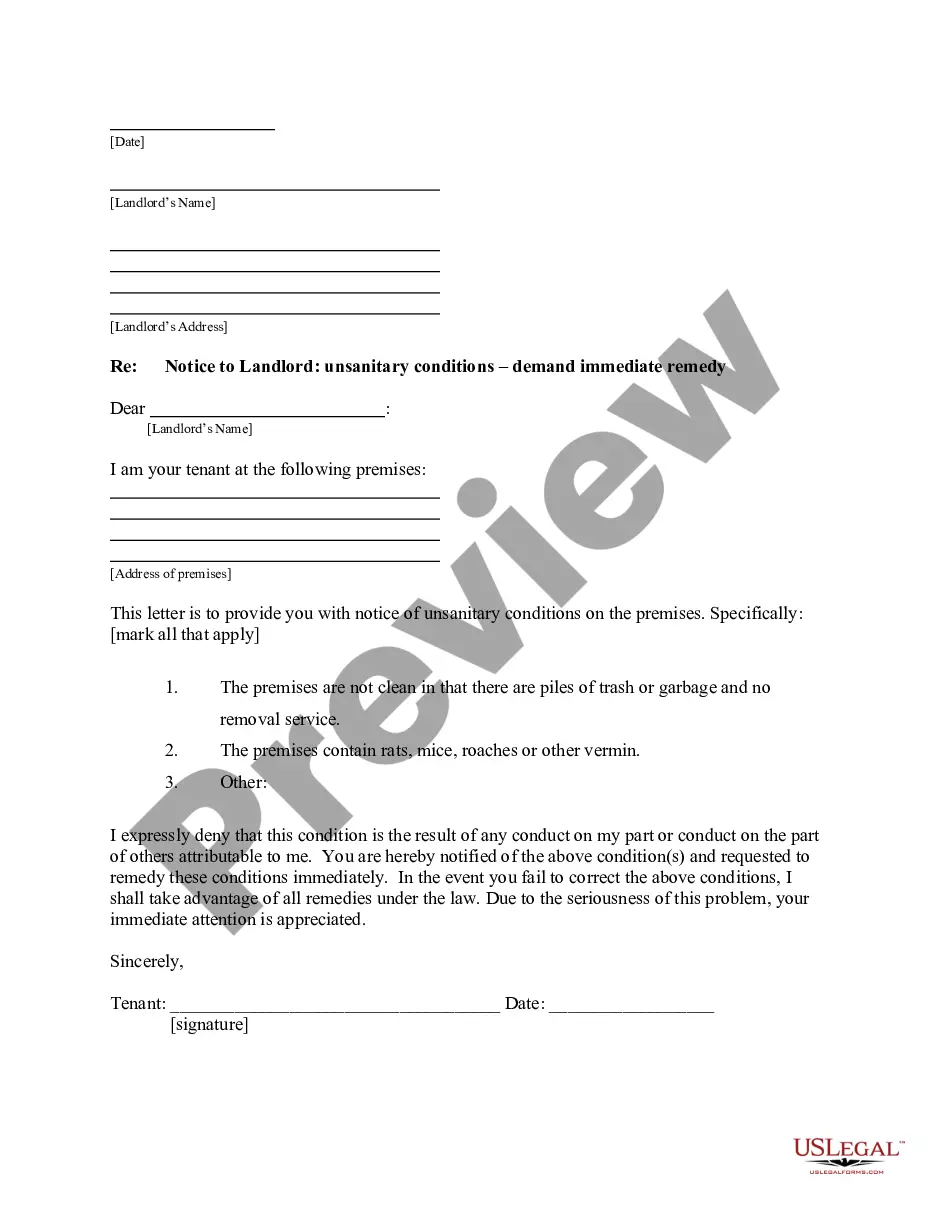




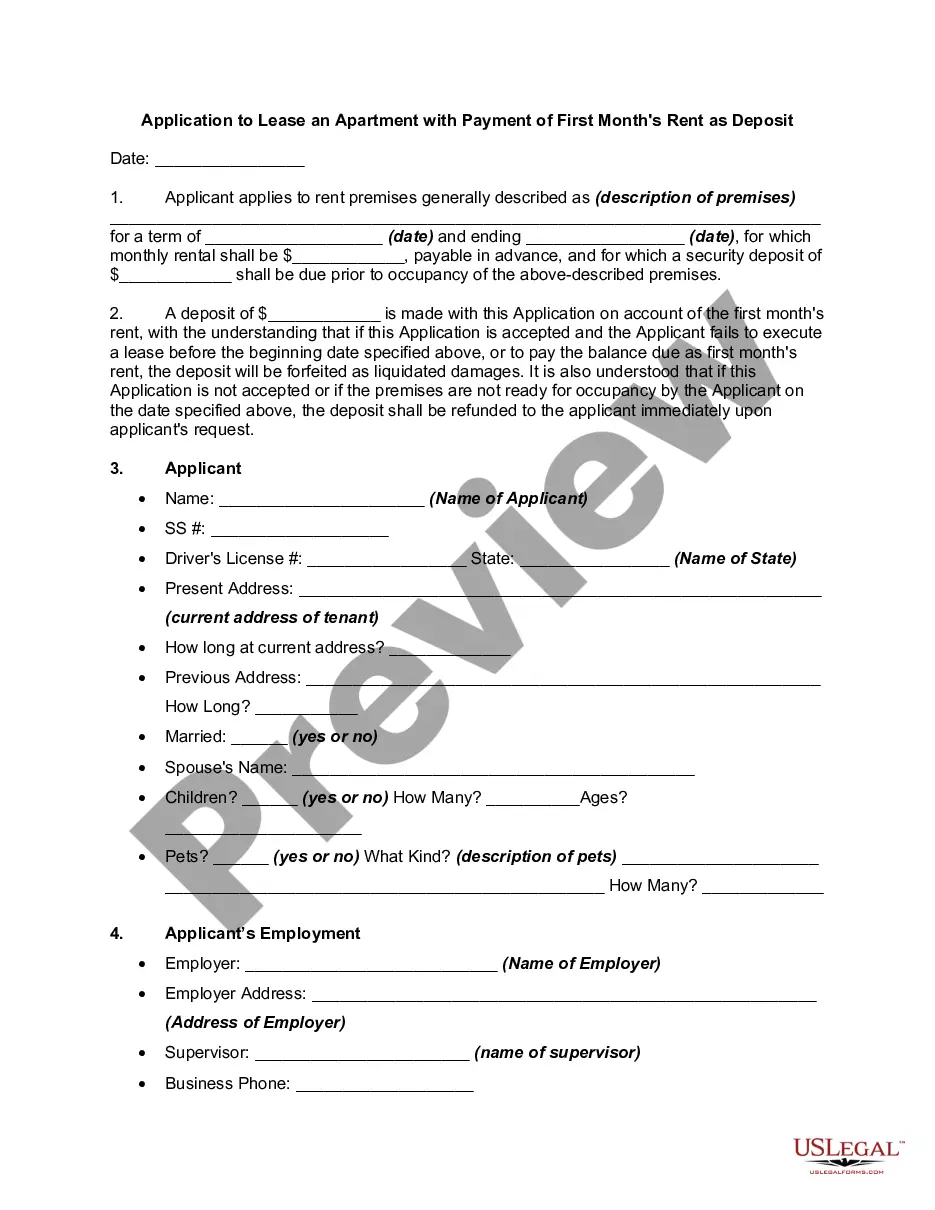


Form popularity
FAQ
Can you get fired without a written warning in Texas? Yes, in Texas, employers have the discretion to terminate employees without a written warning.
Texas discrimination statutes: a discharge may not be based upon a person's race, color, religion, gender (including pregnancy), age, national origin, or disability. many other states add veteran status, sexual orientation, and gender identity to the list.
To prove wrongful termination, an employee will first need to provide evidence that an employment relationship existed between them and their employer, and that their employer indeed terminated them or that their employment was “constructively” terminated.
Texas is an at-will state, meaning your employer can fire you for a good reason, bad reason or simply no reason at all. However, there are circumstances where termination may be illegal, and you can sue your employer for damages.
For instance, it would be illegal for an employer to terminate an employee because of race, religion, age or disability discrimination or retaliation. Other examples would include terminating an employee because the employee disclosed she was pregnant, or because the employee made a workplace safety complaint.
First, you might have to file an administrative complaint with a government agency first. If the employer's reason for termination were unlawful, then the employee can bring a wrongful termination claim. This is even if the employee is an at-will employee.
Is there an average settlement in wrongful termination cases? Wrongful termination settlements are determined case-by-case. Workers who prevail in a wrongful termination claim often get awarded between $5,000 and $100,000 in compensation. However, each case is different.
Documentation plays a crucial role in bolstering a wrongful termination claim in Texas. Keeping records of employment contracts, performance evaluations, emails, and any incidents of discrimination or retaliation can provide valuable evidence to support your case.
As a simple example, if your compensation was $100,000 year (salary plus benefits), and a jury decides after a trial – two years later – that your termination was discriminatory, you could be entitled to $200,000 in lost past compensation.
