Contingency With Law In Franklin
Description







Get your form ready online
Our built-in tools help you complete, sign, share, and store your documents in one place.
Make edits, fill in missing information, and update formatting in US Legal Forms—just like you would in MS Word.
Download a copy, print it, send it by email, or mail it via USPS—whatever works best for your next step.
Sign and collect signatures with our SignNow integration. Send to multiple recipients, set reminders, and more. Go Premium to unlock E-Sign.
If this form requires notarization, complete it online through a secure video call—no need to meet a notary in person or wait for an appointment.
We protect your documents and personal data by following strict security and privacy standards.

Make edits, fill in missing information, and update formatting in US Legal Forms—just like you would in MS Word.

Download a copy, print it, send it by email, or mail it via USPS—whatever works best for your next step.

Sign and collect signatures with our SignNow integration. Send to multiple recipients, set reminders, and more. Go Premium to unlock E-Sign.

If this form requires notarization, complete it online through a secure video call—no need to meet a notary in person or wait for an appointment.

We protect your documents and personal data by following strict security and privacy standards.
Looking for another form?



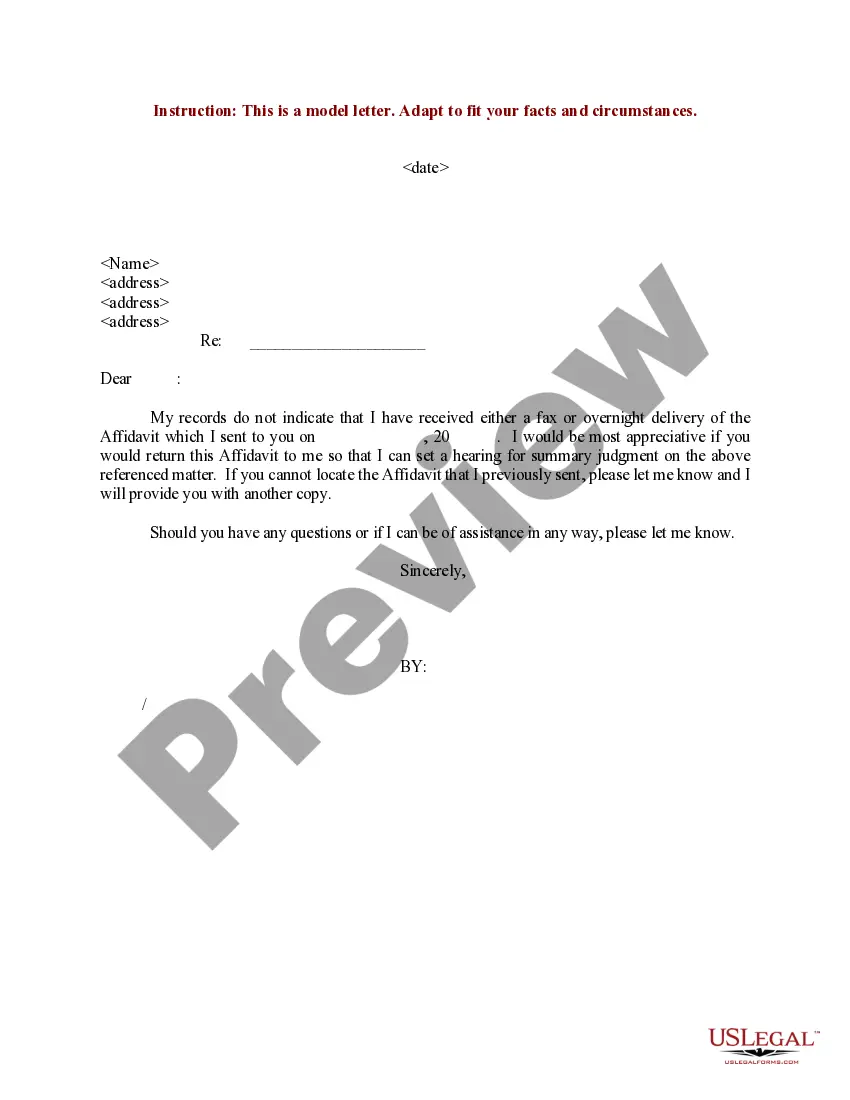
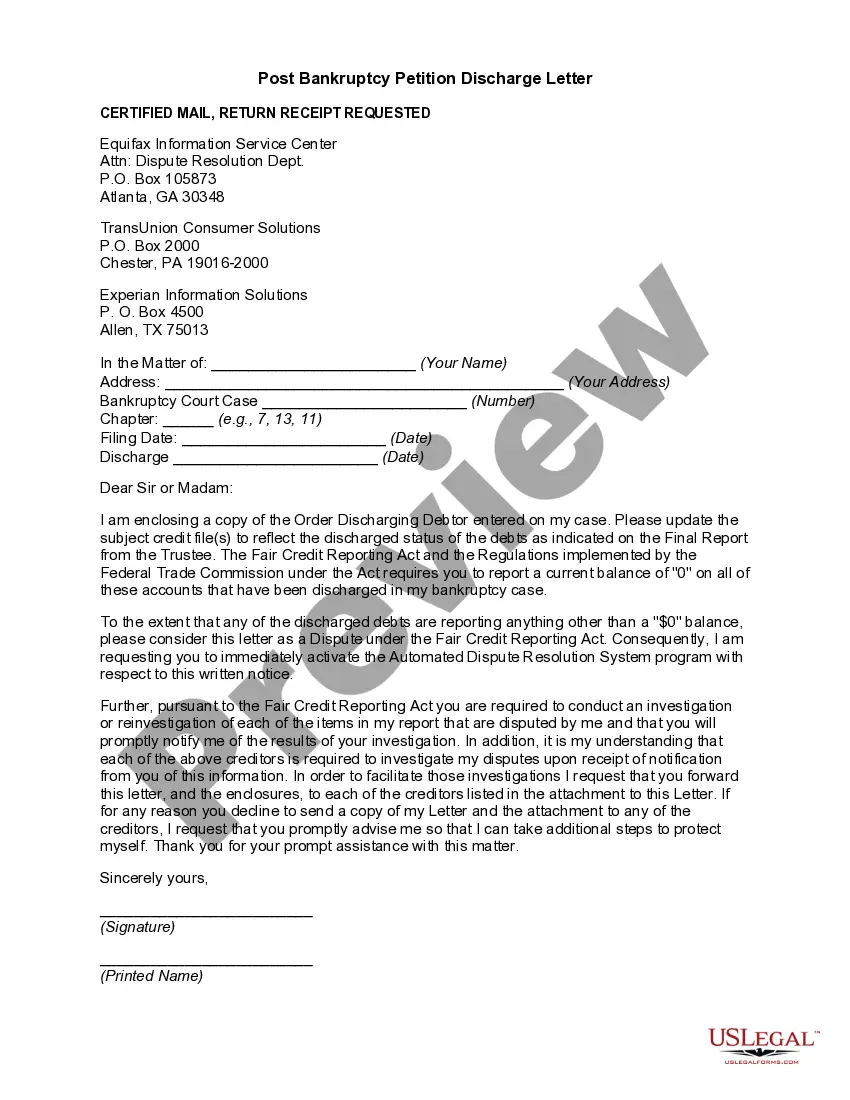
Form popularity
FAQ
Contingency planning means preparing an organization to be ready to respond effectively in the event of an emergency. It is an important part of the IFRC's work supporting National Society preparedness.
Examples of contingency plans in business could include: Strategies to ensure minimal operational disruption during crises, such as unexpected market shifts, regulatory compliance changes, or severe staff shortages.
Contingency planning ensures that we know what to do when disaster strikes, and have the systems and tools to respond fast. It means anticipating the types of disasters we might face and knowing practically how to manage disasters when they do strike.
The average contingency rate falls between 20-40%, with most lawyers charging around 33% to 35% of the total amount recovered in a case. The exact percentage can vary depending on the complexity of the case, the lawyer's experience, and the stage at which the case is resolved.
: dependent on or conditioned by something else. Payment is contingent on fulfillment of certain conditions. a plan contingent on the weather. 2. : likely but not certain to happen : possible.
Adjective. dependent for existence, occurrence, character, etc., on something not yet certain; conditional (often followed by on or upon ): Our plans are contingent on the weather. liable to happen or not; uncertain; possible: They had to plan for contingent expenses.
What Is a Contingency? A contingency is a potential occurrence of a negative event in the future, such as an economic recession, natural disaster, fraudulent activity, terrorist attack, or a pandemic.
This contingency is normally calculated as a percentage. If the phase is 100 days of effort, contingency at 20% would be another 20 days. As the project progresses, the level of risk reduces as the requirements and issues become known, so the percentage will be reduced.
