Law Firm Form For Internship In Arizona
Description





Get your form ready online
Our built-in tools help you complete, sign, share, and store your documents in one place.
Make edits, fill in missing information, and update formatting in US Legal Forms—just like you would in MS Word.
Download a copy, print it, send it by email, or mail it via USPS—whatever works best for your next step.
Sign and collect signatures with our SignNow integration. Send to multiple recipients, set reminders, and more. Go Premium to unlock E-Sign.
If this form requires notarization, complete it online through a secure video call—no need to meet a notary in person or wait for an appointment.
We protect your documents and personal data by following strict security and privacy standards.

Make edits, fill in missing information, and update formatting in US Legal Forms—just like you would in MS Word.

Download a copy, print it, send it by email, or mail it via USPS—whatever works best for your next step.

Sign and collect signatures with our SignNow integration. Send to multiple recipients, set reminders, and more. Go Premium to unlock E-Sign.

If this form requires notarization, complete it online through a secure video call—no need to meet a notary in person or wait for an appointment.

We protect your documents and personal data by following strict security and privacy standards.
Looking for another form?
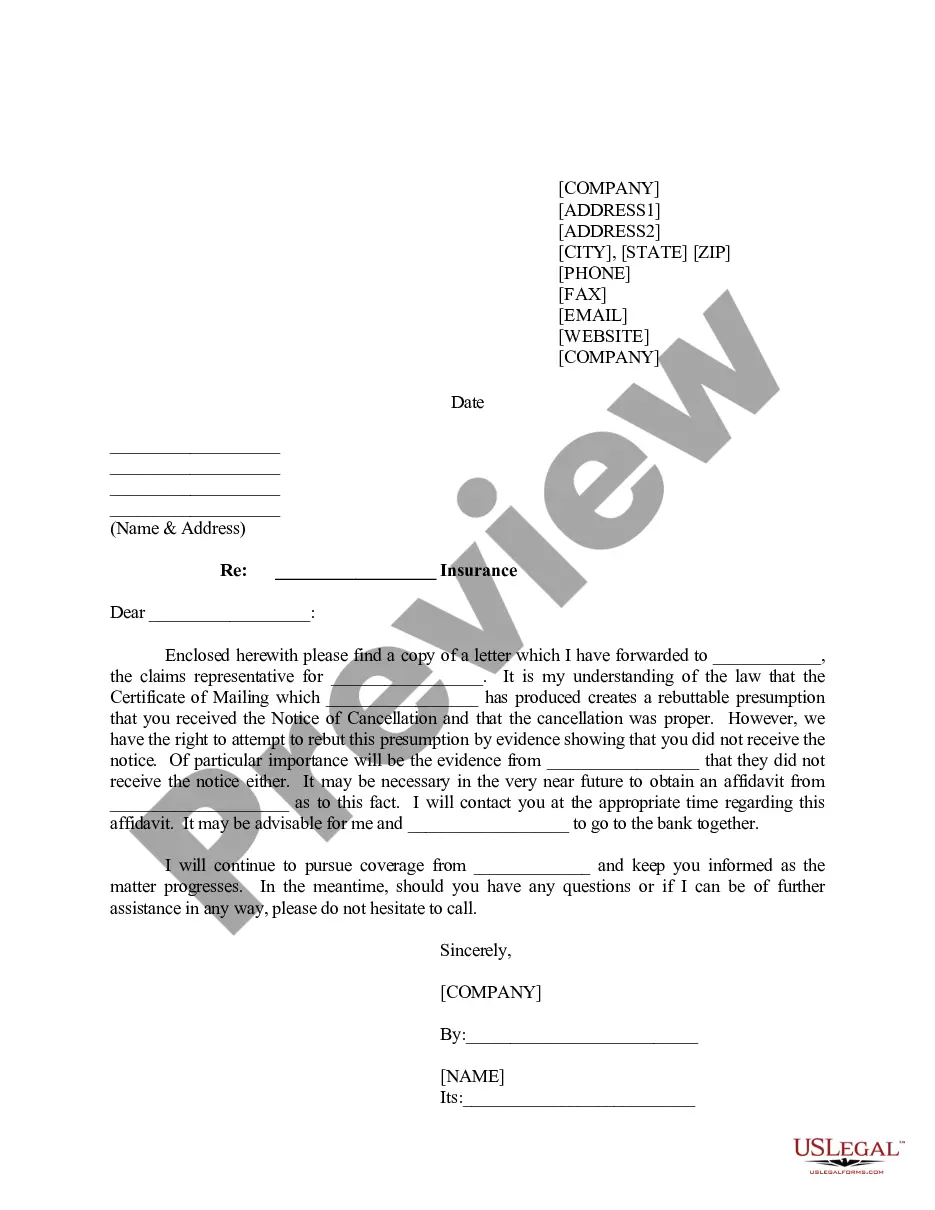
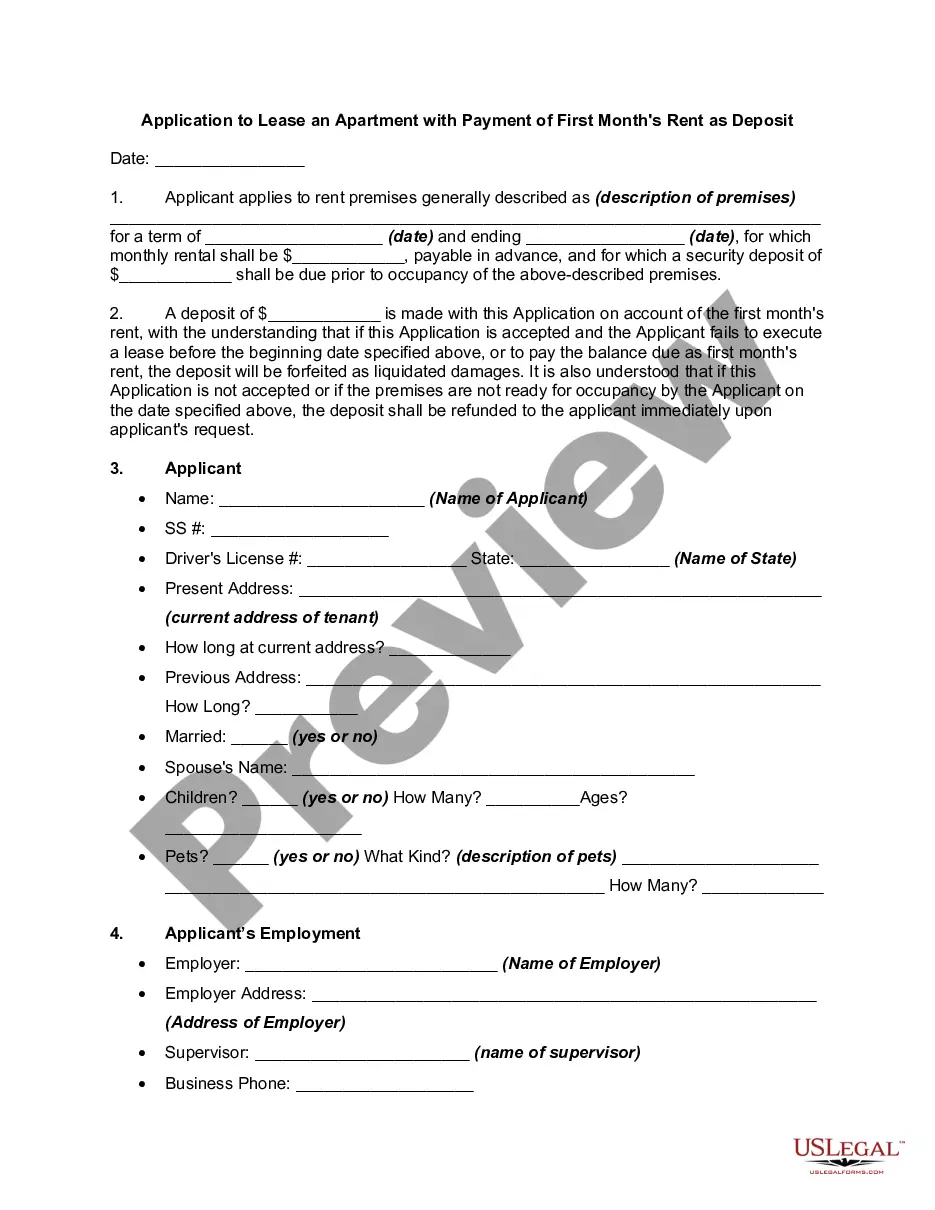
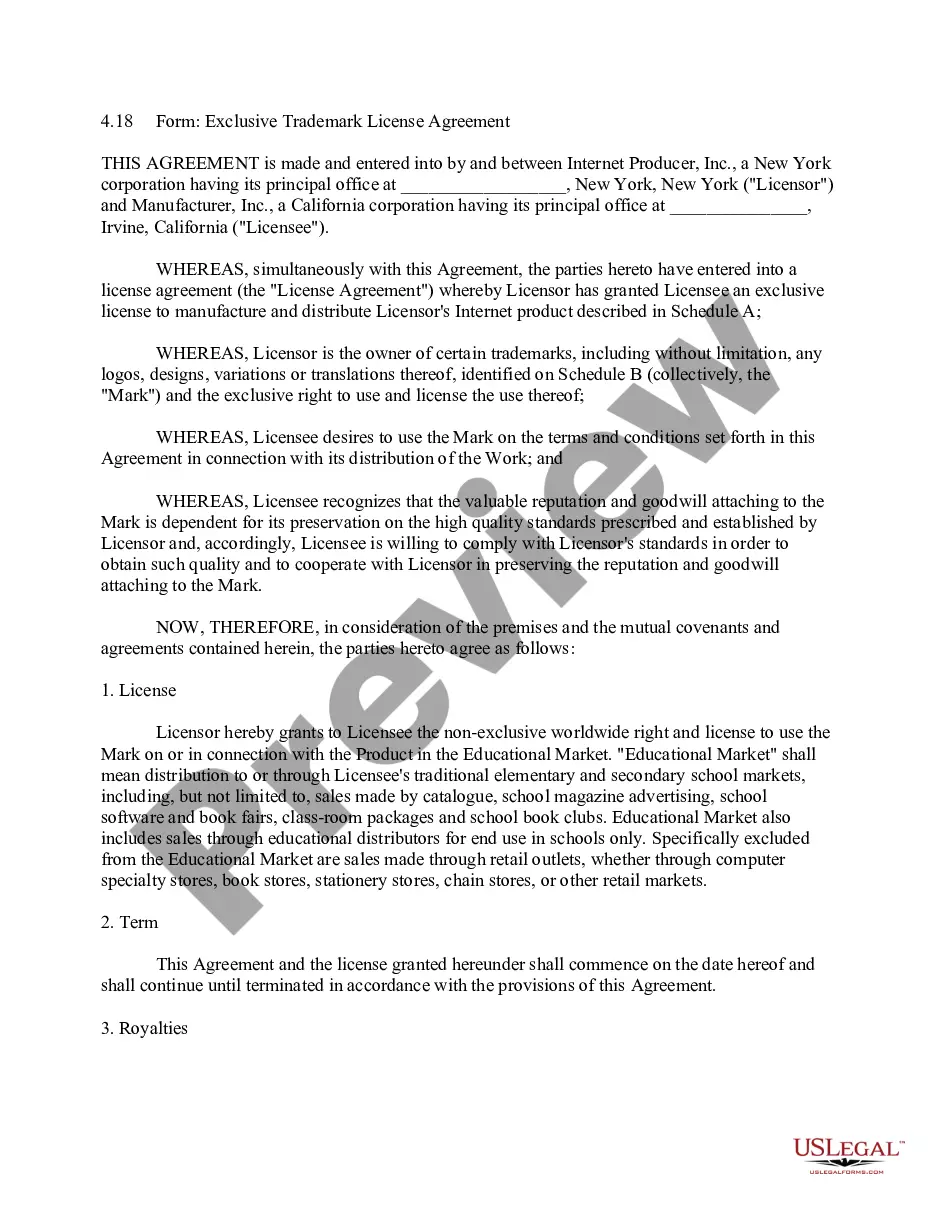
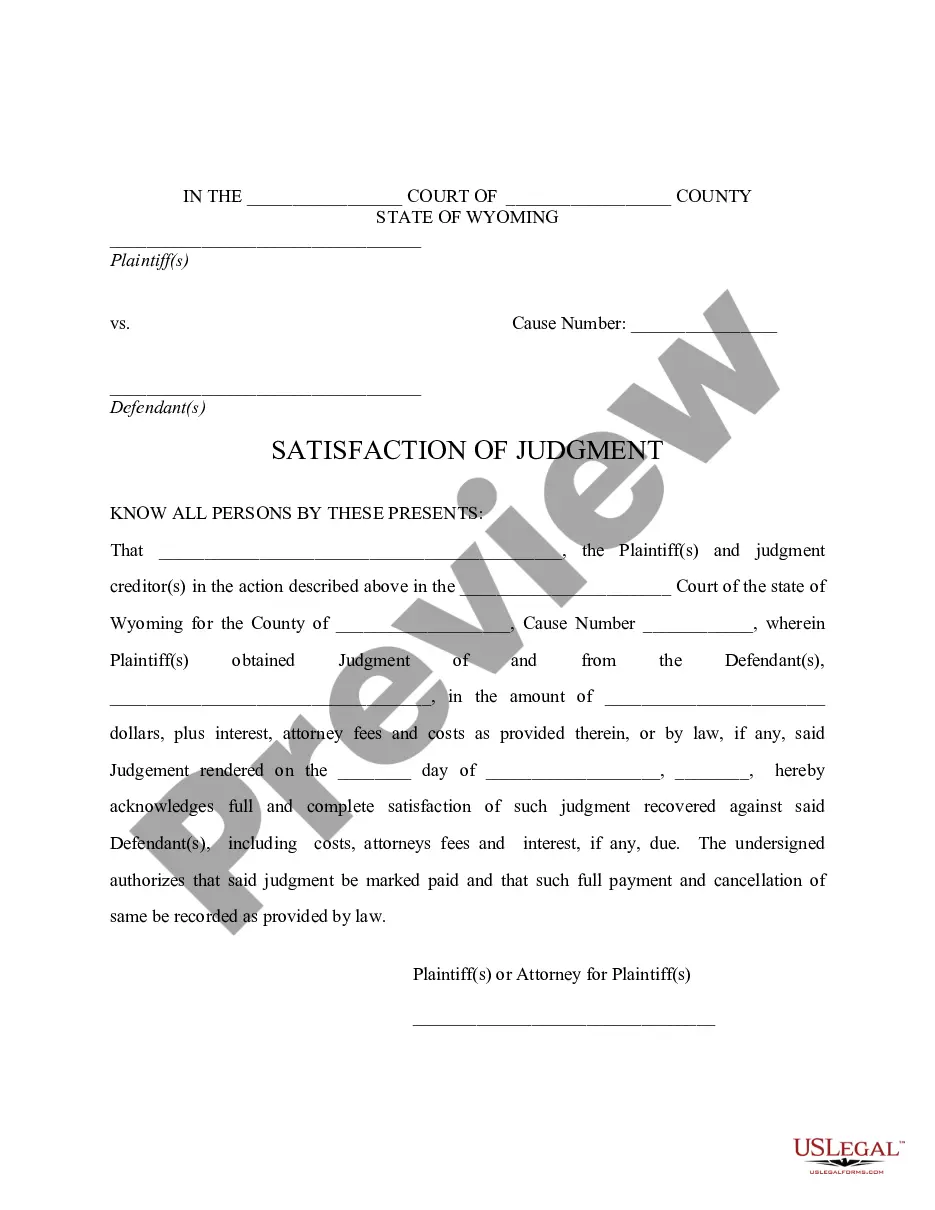

Form popularity
FAQ
Yes, including a resume when applying for internships is generally necessary and beneficial. It provides a structured summary of your education, skills, and relevant experiences, allowing potential employers to assess your qualifications quickly.
Follow these guidelines to create an impactful legal intern education resume section: 1Start with your highest degree. Begin with your highest level of legal education attained. 2Include relevant coursework. 3Highlight honors and awards. 4Relevant legal workshops or seminars.
How to write a resume for an internship Write a targeted student internship resume objective. Add extra details to your education section. 3. Make a section for your major accomplishments. Highlight your real-world skills.
When including an internship on your resume, detail the company name, internship title, dates of participation, and key responsibilities or projects you were involved in. Highlight any skills or accomplishments gained during the internship that are relevant to the job you're applying for.
How to write a law internship cover letter Put your details in a document header. Introduce yourself to the recruiter. Explain what motivated you to apply. Show the recruiter why you're well suited to the internship. Encourage follow-up contact. Use a complimentary close to finish.
Formatting your legal CV to meet the role expectations Use the reverse chronological order to showcase your experience, starting with your most recent role; Include your contact details (email address, phone number, and location) - and potentially your professional photo - in the header;
How to write a congressional internship cover letter Research the employer and the internship role. Include your contact information. Introduce yourself to the internship coordinator. Emphasize your qualifications. Include a call to action. Thank the internship coordinator for their time.
Another option is to network with legal professionals through a job-related social media platform or in person. Other ways to find a law internship include contacting small, local firms directly, asking your instructors if they know of any opportunities, attending a career fair or visiting your school career center .
Mention the specific internship role you are applying for and how you learned about the opportunity. You'll also want to briefly introduce yourself in the introduction and explain why you're interested in the internship. In the body of the letter, showcase your most relevant skills and experiences.
Here are six steps you can follow when crafting a cover letter for a legal internship: Include your contact information. Reflect on the appropriate approach. Write a compelling opening paragraph. Discuss your background. Highlight your skills. Craft a closing paragraph.
