Contingency Rules In Arizona
Description







Get your form ready online
Our built-in tools help you complete, sign, share, and store your documents in one place.
Make edits, fill in missing information, and update formatting in US Legal Forms—just like you would in MS Word.
Download a copy, print it, send it by email, or mail it via USPS—whatever works best for your next step.
Sign and collect signatures with our SignNow integration. Send to multiple recipients, set reminders, and more. Go Premium to unlock E-Sign.
If this form requires notarization, complete it online through a secure video call—no need to meet a notary in person or wait for an appointment.
We protect your documents and personal data by following strict security and privacy standards.

Make edits, fill in missing information, and update formatting in US Legal Forms—just like you would in MS Word.

Download a copy, print it, send it by email, or mail it via USPS—whatever works best for your next step.

Sign and collect signatures with our SignNow integration. Send to multiple recipients, set reminders, and more. Go Premium to unlock E-Sign.

If this form requires notarization, complete it online through a secure video call—no need to meet a notary in person or wait for an appointment.

We protect your documents and personal data by following strict security and privacy standards.
Looking for another form?


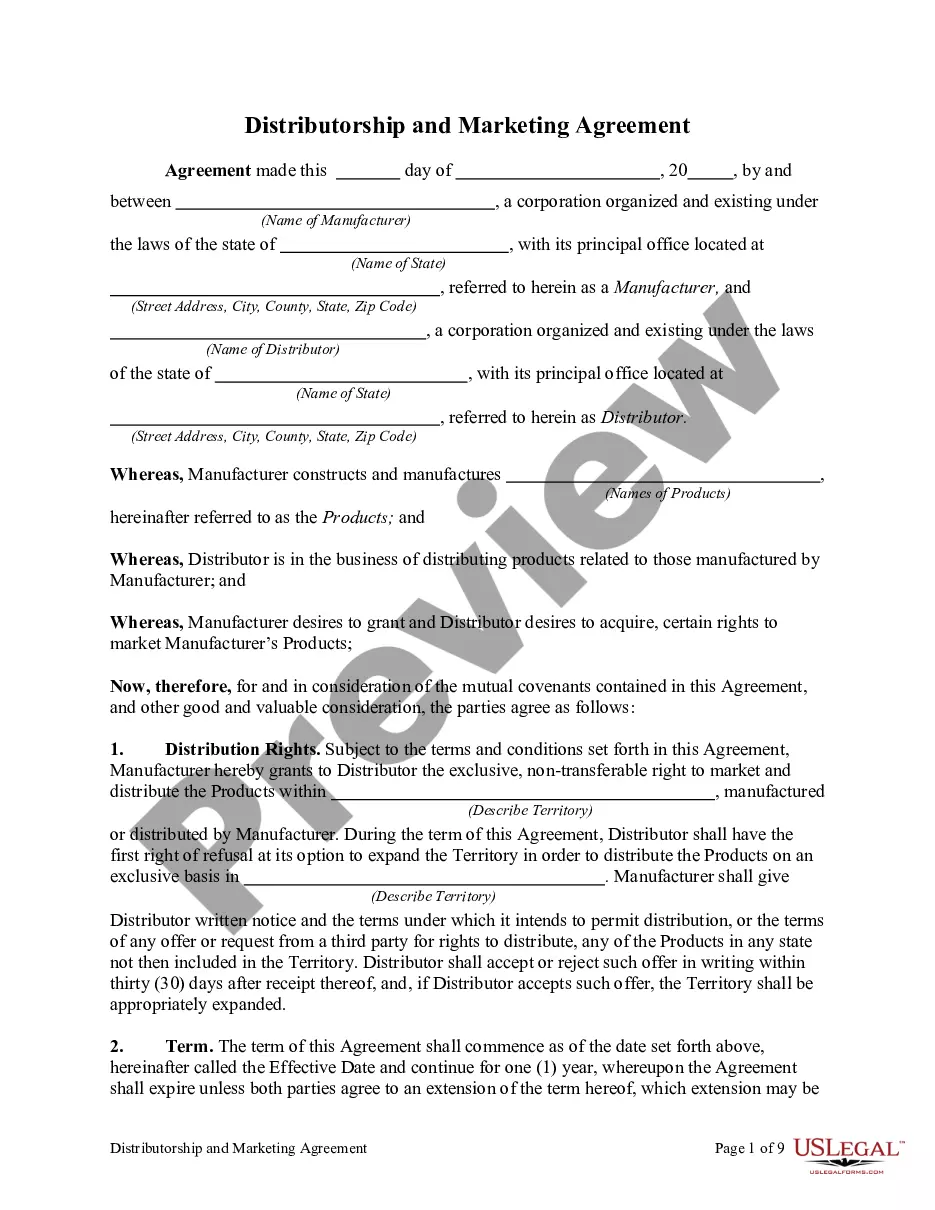
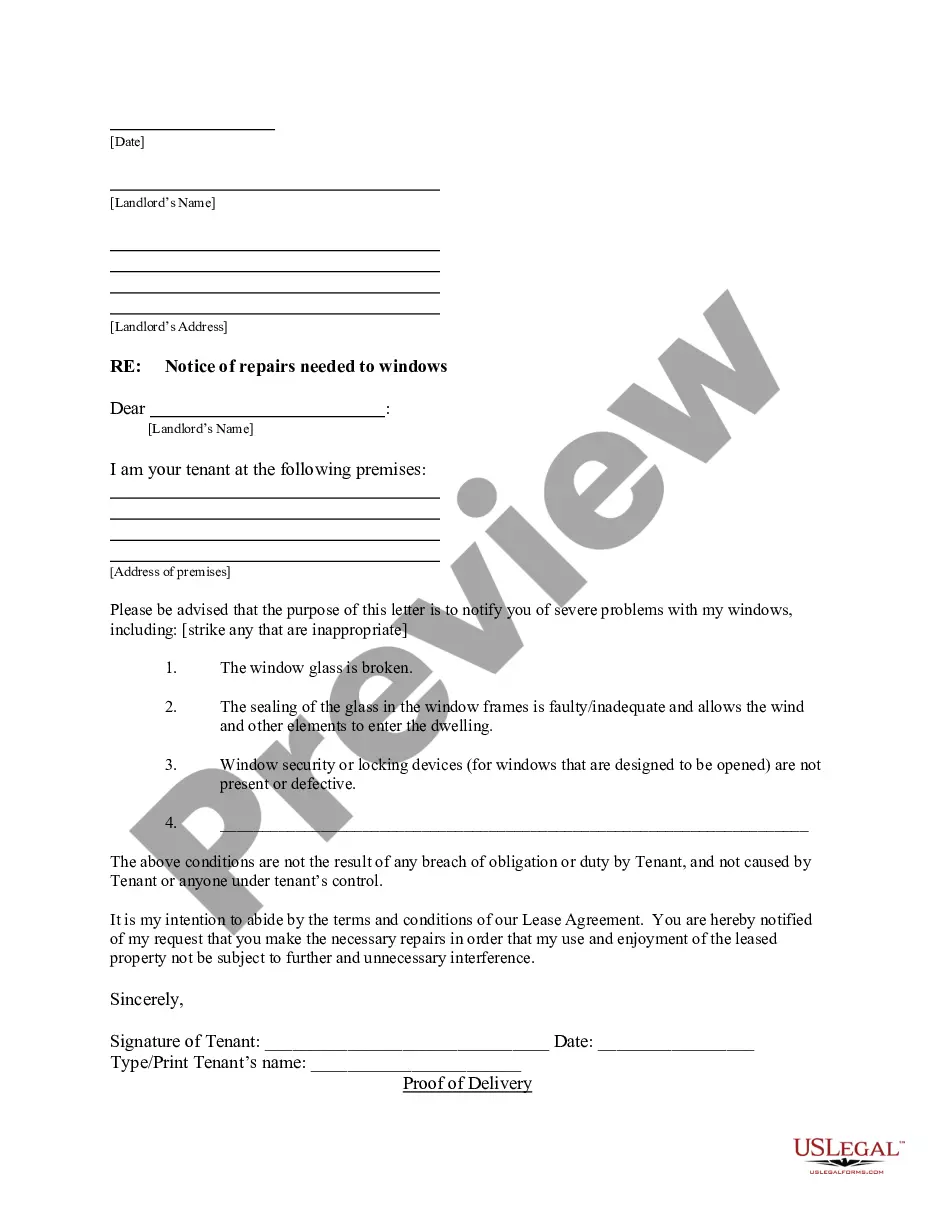




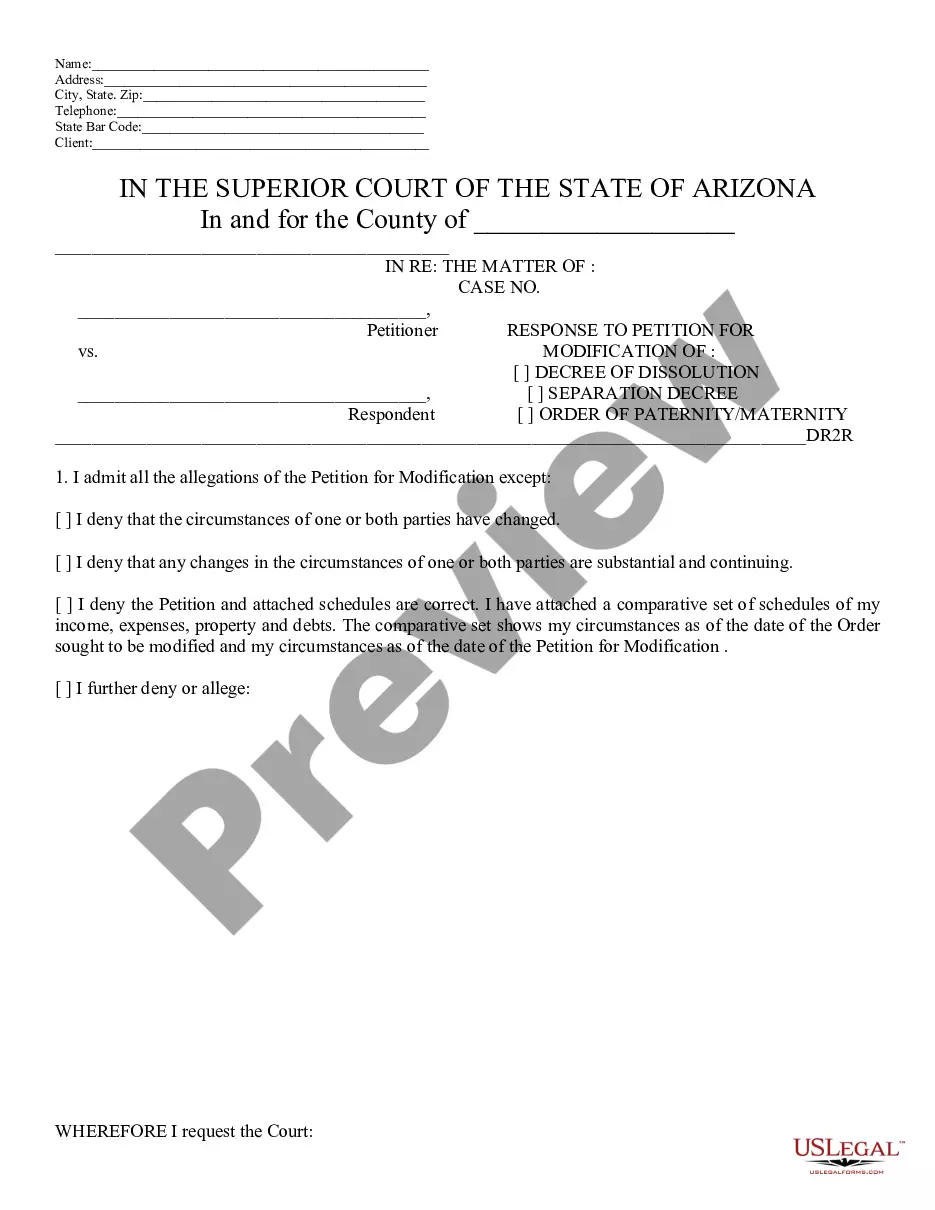

Form popularity
FAQ
Any party may file a motion for reconsideration within 15 days after the panel issues the decision. ARCAP 22 Any party may file a petition for review in the Arizona Supreme Court within 30 days of the decision.
Discovery. (a) Witnesses. Within twenty days of the filing of a response, disciplinary counsel and the judge shall exchange the names and addresses of all persons known to have knowledge of the relevant facts, designating those persons the parties intend to call at the hearing.
In essence, Rule 69 allows divorcing spouses in Arizona to settle some or all of their disputes on their own. The family court will ultimately decide any remaining divorce matters.
Rule 25-Substitution of Parties. (a) Death. (1) If a party dies and the claim is not thereby extinguished, the court may order substitution of the proper parties.
Sanctions. An appellate court may impose sanctions on an attorney or a party if it determines that an appeal or a motion is frivolous, or was filed solely for the purpose of delay. An appellate court also may impose sanctions on an attorney or a party for a violation of these Rules.
The average contingency rate falls between 20-40%, with most lawyers charging around 33% to 35% of the total amount recovered in a case. The exact percentage can vary depending on the complexity of the case, the lawyer's experience, and the stage at which the case is resolved.
A conflict of interest occurs when a public officer or employee (or a relative) has a substantial interest in any decision of a public agency. A.R.S. § 38-503.
The contingency rules theory assumes that: (I) compliance-gaining and com- pliance-resisting activities are governed antecedently by jive varieties of sev- evaluative and adaptive contingency rules; (2) the actual contexts where social influence agents interact determine the configuration of rules governing their ...
Contingent means that an event may or may not occur in the future, depending on the fulfillment of some condition that is uncertain. This term is often used in contracts where the event will not take effect until the specified condition occurs.
