Compra Venta Contrato Withholding In Fairfax
Description

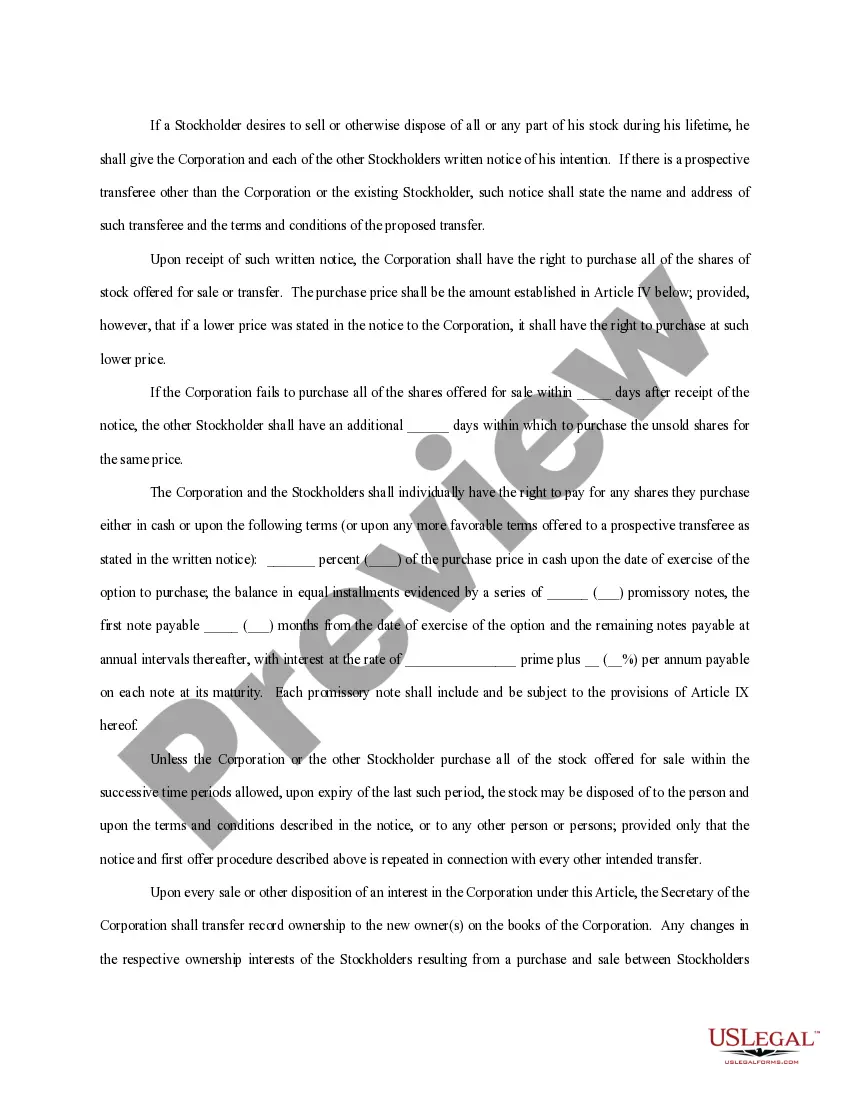
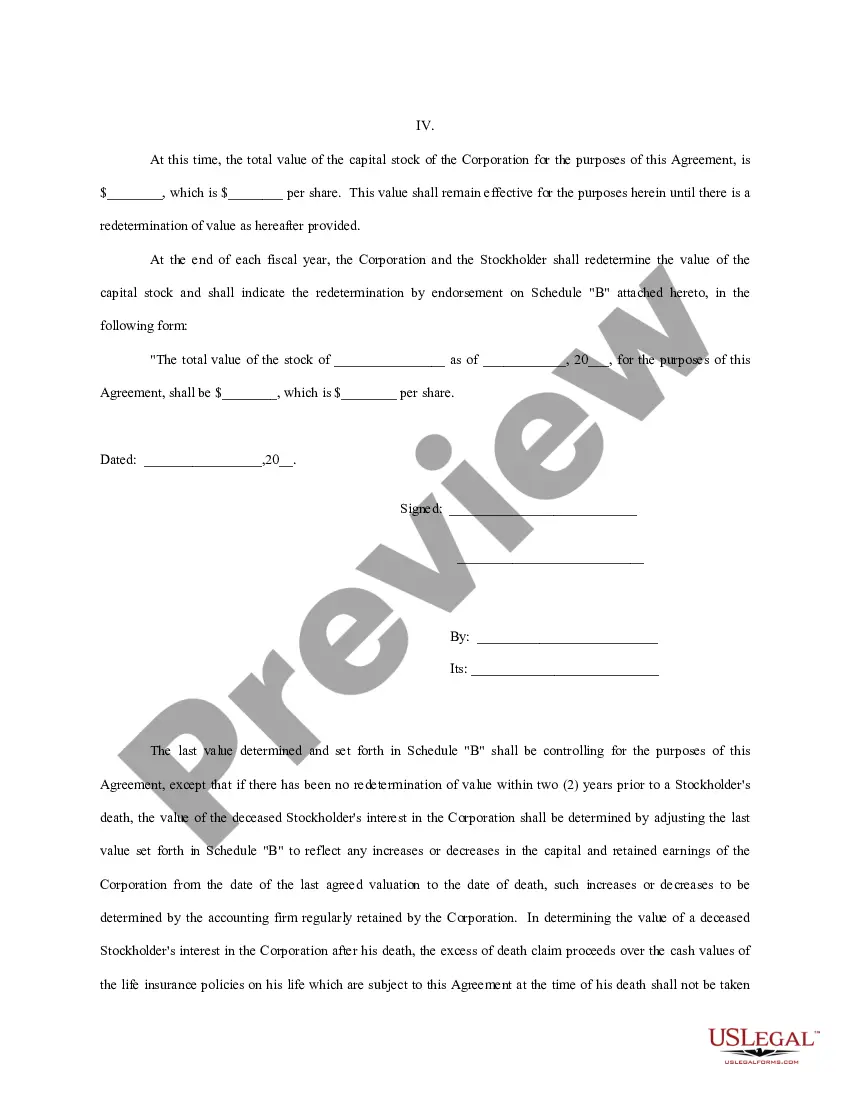
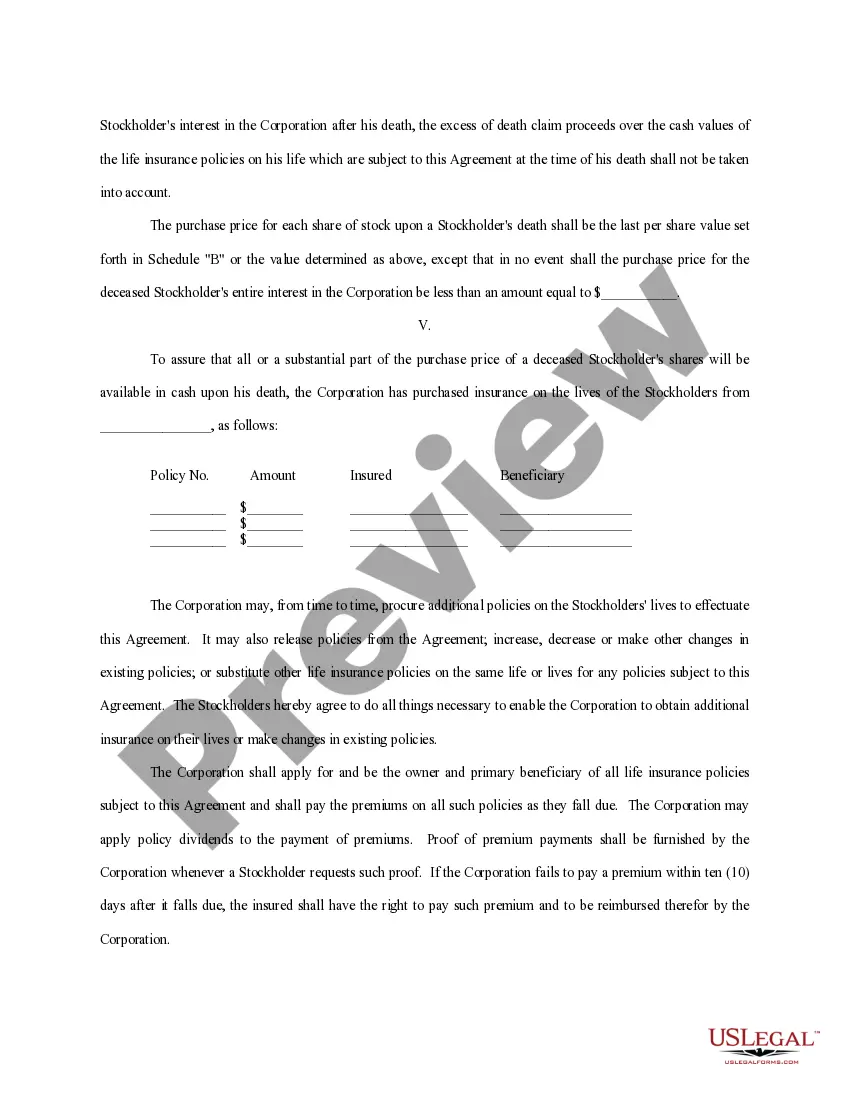
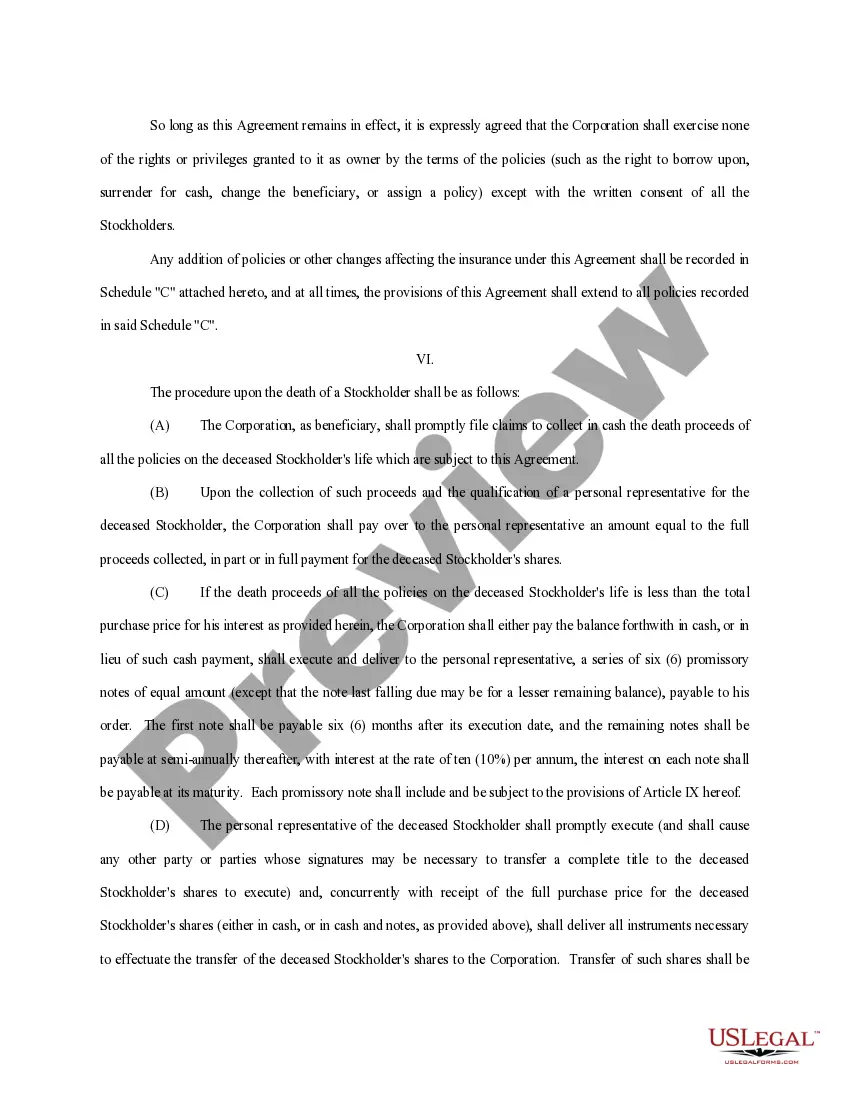

Get your form ready online
Our built-in tools help you complete, sign, share, and store your documents in one place.
Make edits, fill in missing information, and update formatting in US Legal Forms—just like you would in MS Word.
Download a copy, print it, send it by email, or mail it via USPS—whatever works best for your next step.
Sign and collect signatures with our SignNow integration. Send to multiple recipients, set reminders, and more. Go Premium to unlock E-Sign.
If this form requires notarization, complete it online through a secure video call—no need to meet a notary in person or wait for an appointment.
We protect your documents and personal data by following strict security and privacy standards.

Make edits, fill in missing information, and update formatting in US Legal Forms—just like you would in MS Word.

Download a copy, print it, send it by email, or mail it via USPS—whatever works best for your next step.

Sign and collect signatures with our SignNow integration. Send to multiple recipients, set reminders, and more. Go Premium to unlock E-Sign.

If this form requires notarization, complete it online through a secure video call—no need to meet a notary in person or wait for an appointment.

We protect your documents and personal data by following strict security and privacy standards.
Looking for another form?









Form popularity
FAQ
Virginia has a progressive state income tax system with four tax brackets that range from 2% to 5.75%. The bracket you fall into will depend on your income level.
Virginia Form VA-4, Employee's Virginia Income Tax Withholding Exemption Certificate.
You may need to gather the following information in order to complete your vehicle update: Property Number (On your Fairfax County property bill, look near the top or bottom right corner after "Include this Number on your Check:") Vehicle Identification Number (VIN) Vehicle Year, Make, Model and Trim.
The tax rate for most vehicles is $4.57 per $100 of assessed value. For properties included in a special subclass, the tax rate is $0.01 per $100 of assessed value. This special subclass includes the following: privately-owned vans used for van pools.
In general, an employer who pays wages to one or more employees in Virginia is required to deduct and withhold state income tax from those wages. Since Virginia law substantially conforms to federal law, if federal law requires an employer to withhold tax from any payment, we also require Virginia withholding.
Every resident of Virginia, including domiciliary residents, is liable to state income taxation as a resident.
Withholding is the amount of income tax your employer pays on your behalf from your paycheck. Learn how to make sure the correct amount is being withheld and how to change it.
You may view your tax information online or request a copy of the bill by emailing DTARCD@fairfaxcounty or calling 703-222-8234, TTY 711.
In general, an employer who pays wages to one or more employees in Virginia is required to deduct and withhold state income tax from those wages. Since Virginia law substantially conforms to federal law, if federal law requires an employer to withhold tax from any payment, we also require Virginia withholding.
