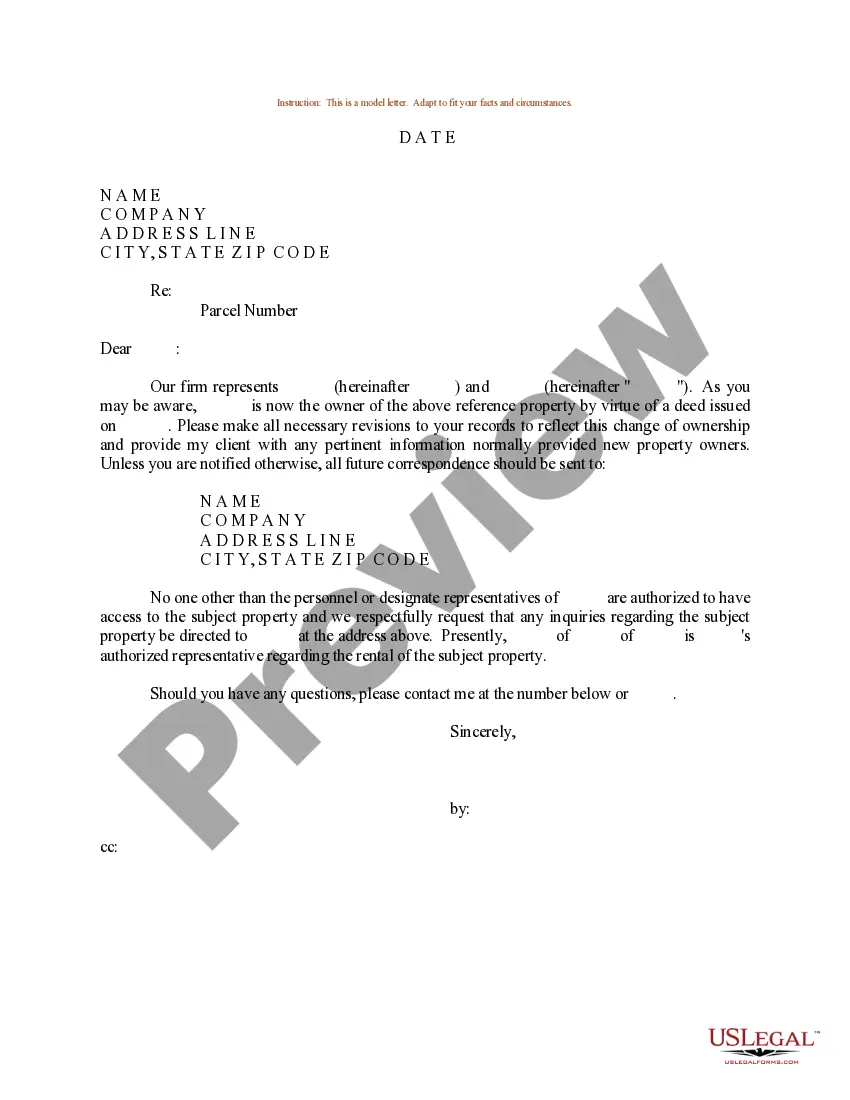
Agreement Commercial Property For Rent In Travis
Description



Form popularity
FAQ
The triple net (NNN) lease is often considered the most prevalent form of commercial lease, particularly for retail and industrial properties, due to its predictability for landlords and clear delineation of expense responsibilities for tenants.
Types of leasehold estates The first type is most common: Estate for years: An agreement that permits occupancy between two specified dates, at the end of which the property must be vacated. Estate from period to period: A monthly tenancy that has no specified end date.
What are the most important steps for drafting a commercial lease agreement? Identify the parties and the property. Determine the rent and the term. Negotiate the improvements and the maintenance. Allocate the taxes and the insurance. Include the clauses and the contingencies. Review and sign the agreement.
1. Gross Lease. Gross leases are most common for commercial properties such as offices and retail space. The tenant pays a single, flat amount that includes rent, taxes, utilities, and insurance.
The landlord of a commercial space for rent may require the following: Security deposit (e.g., one month's rent or more) Financial statements. Profit and loss statements. Balance sheet. Business bank statements. Previous landlord information. Credit reports. Business tax returns.
How to create a lease agreement Collect each party's information. Include specifics about your property. Consider all of the property's utilities and services. Know the terms of your lease. Set the monthly rent amount and due date. Calculate any additional fees. Determine a payment method. Consider your rights and obligations.
It must be served at least three months before the expiry of the original term. For example, if the contractual term ends on the 30th June then the tenant should serve the notice to the landlord by no later than the 28th March.
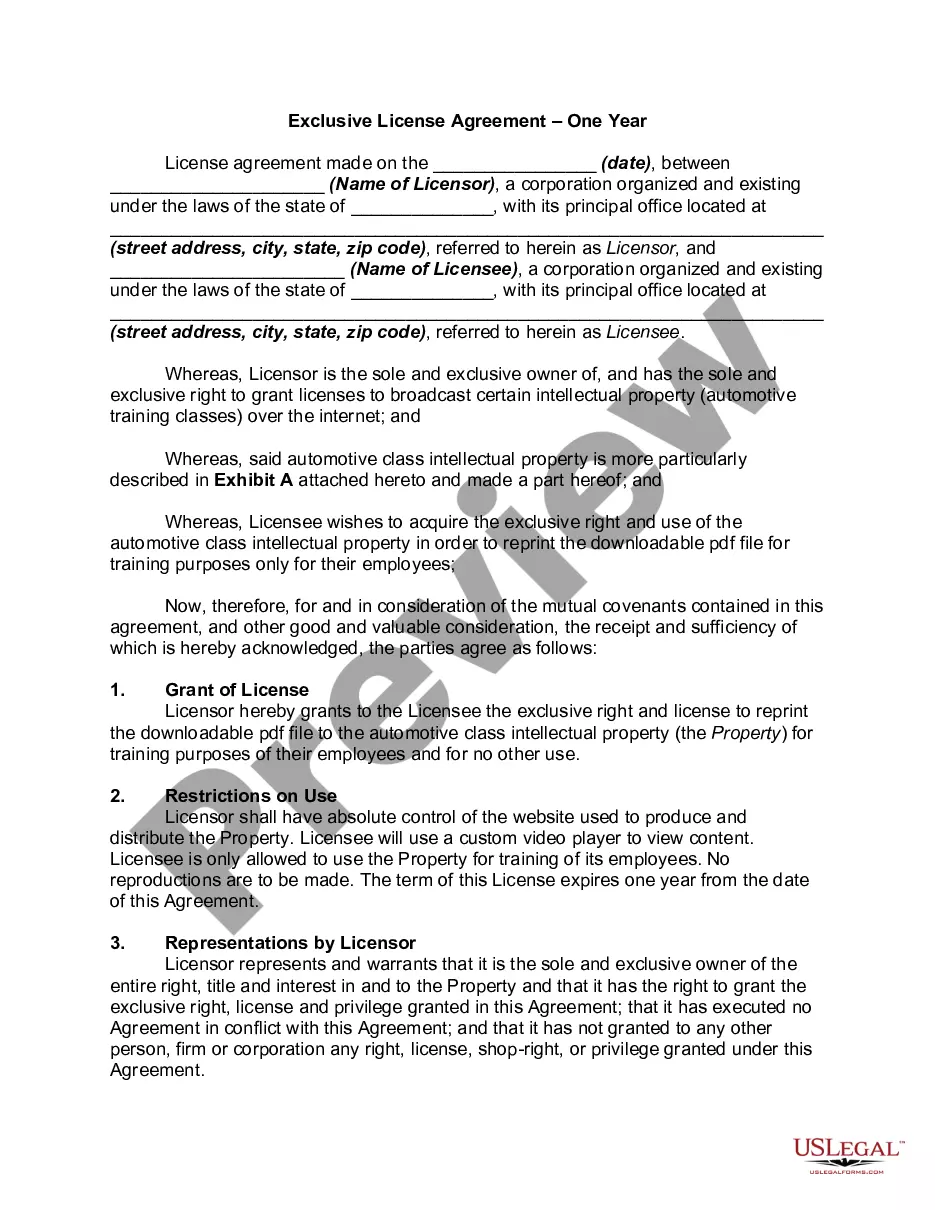
Leases must be for a minimum period of five years unless the tenant waives that minimum period. A commercial lease can be for any term negotiated between the parties.
Commercial leases usually have a minimum period of one year, though typical leases are much longer than that. It's not uncommon to have five, ten, or fifteen year commercial leases. While shorter lease terms for some types of businesses exist, they are the exception and not the norm.
The lease length can differ based on your location, property type, needs, and the current state of the market. Residential leases are shorter, typically around 6 months to a year. Commercial leases, depending on various factors, can range from 3 years to 10 or more.
