Right To Sell Property In Santa Clara
Description

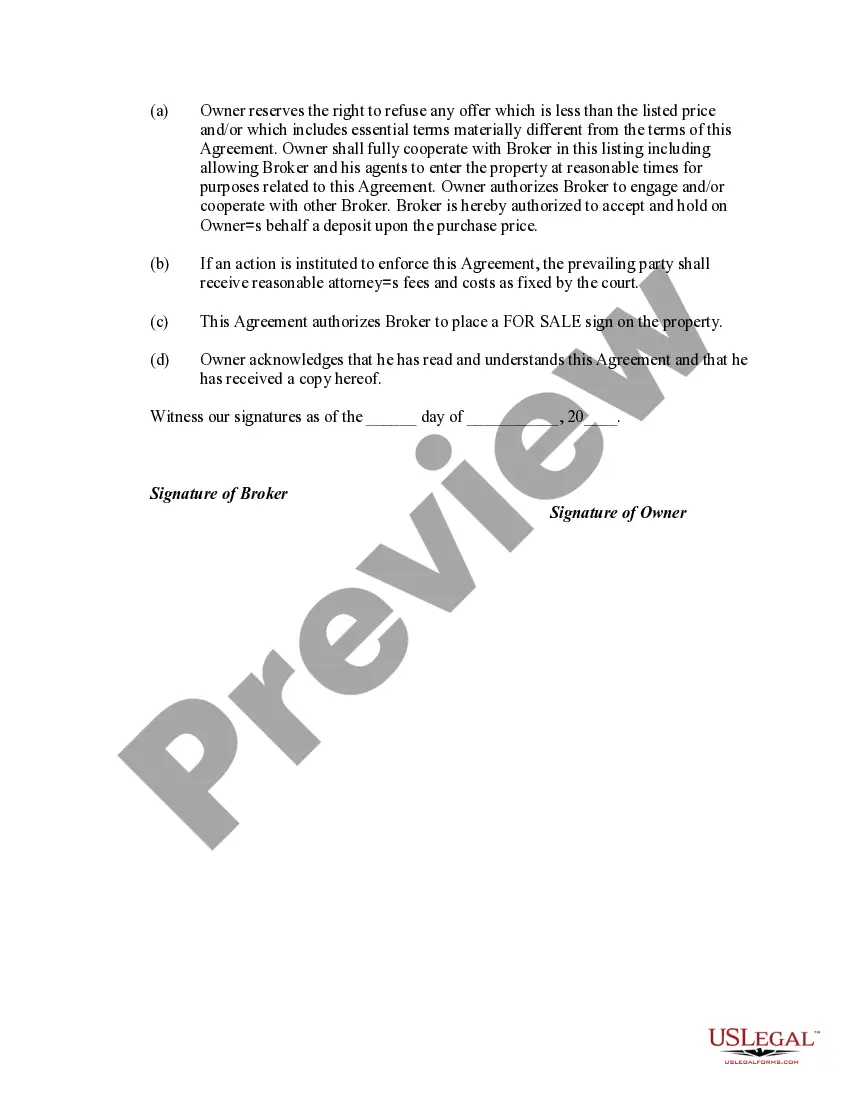

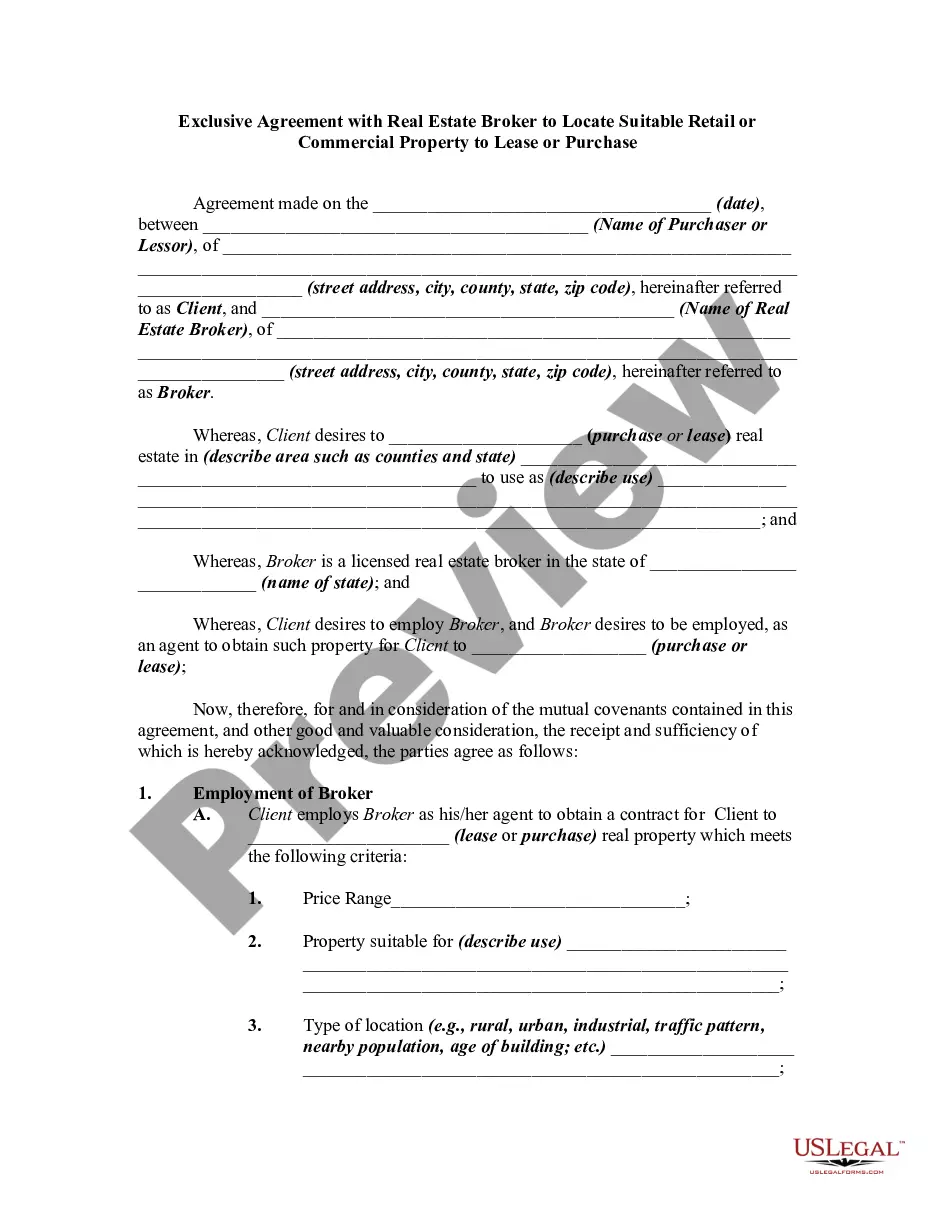
Get your form ready online
Our built-in tools help you complete, sign, share, and store your documents in one place.
Make edits, fill in missing information, and update formatting in US Legal Forms—just like you would in MS Word.
Download a copy, print it, send it by email, or mail it via USPS—whatever works best for your next step.
Sign and collect signatures with our SignNow integration. Send to multiple recipients, set reminders, and more. Go Premium to unlock E-Sign.
If this form requires notarization, complete it online through a secure video call—no need to meet a notary in person or wait for an appointment.
We protect your documents and personal data by following strict security and privacy standards.

Make edits, fill in missing information, and update formatting in US Legal Forms—just like you would in MS Word.

Download a copy, print it, send it by email, or mail it via USPS—whatever works best for your next step.

Sign and collect signatures with our SignNow integration. Send to multiple recipients, set reminders, and more. Go Premium to unlock E-Sign.

If this form requires notarization, complete it online through a secure video call—no need to meet a notary in person or wait for an appointment.

We protect your documents and personal data by following strict security and privacy standards.
Looking for another form?










Form popularity
FAQ
FAQs About California Real Estate Probate Law A: When a house goes through probate in California, it becomes part of the estate that the court administers. The appointed Executor or Administrator is entrusted with managing the property, including securing it, keeping it, and even selling it.
If you're tech savvy their websites could be your gateway. Each county in California has its ownMoreIf you're tech savvy their websites could be your gateway. Each county in California has its own system. So the process can vary like California weather.
California state law prohibits the publishing of identifying information like a homeowner's name online without written permission from the owner. Property ownership information can be requested from the County Registrar-Recorder/County Clerk.
Visit the appropriate county clerk's office or city government office in person. Locate the land records department or public access terminal (sometimes called a cadastral). Search by property address, legal description, or owner name (if known).
Santa Clara County's transfer tax is the same as that of the state—$0.55 for every $500 of the home's value. For properties located within San Jose, Palo Alto, or Mountain View, the transfer tax is $1.65 for every $500 or fractional portion of the real property value.
A: Anywhere between 14 to 90 days after closing. A properly recorded deed can take anywhere from 14 days to 90 days. That may seem like a long time, but your local government office goes over every little detail on the deed to make sure the property is correct and there are no errors.
