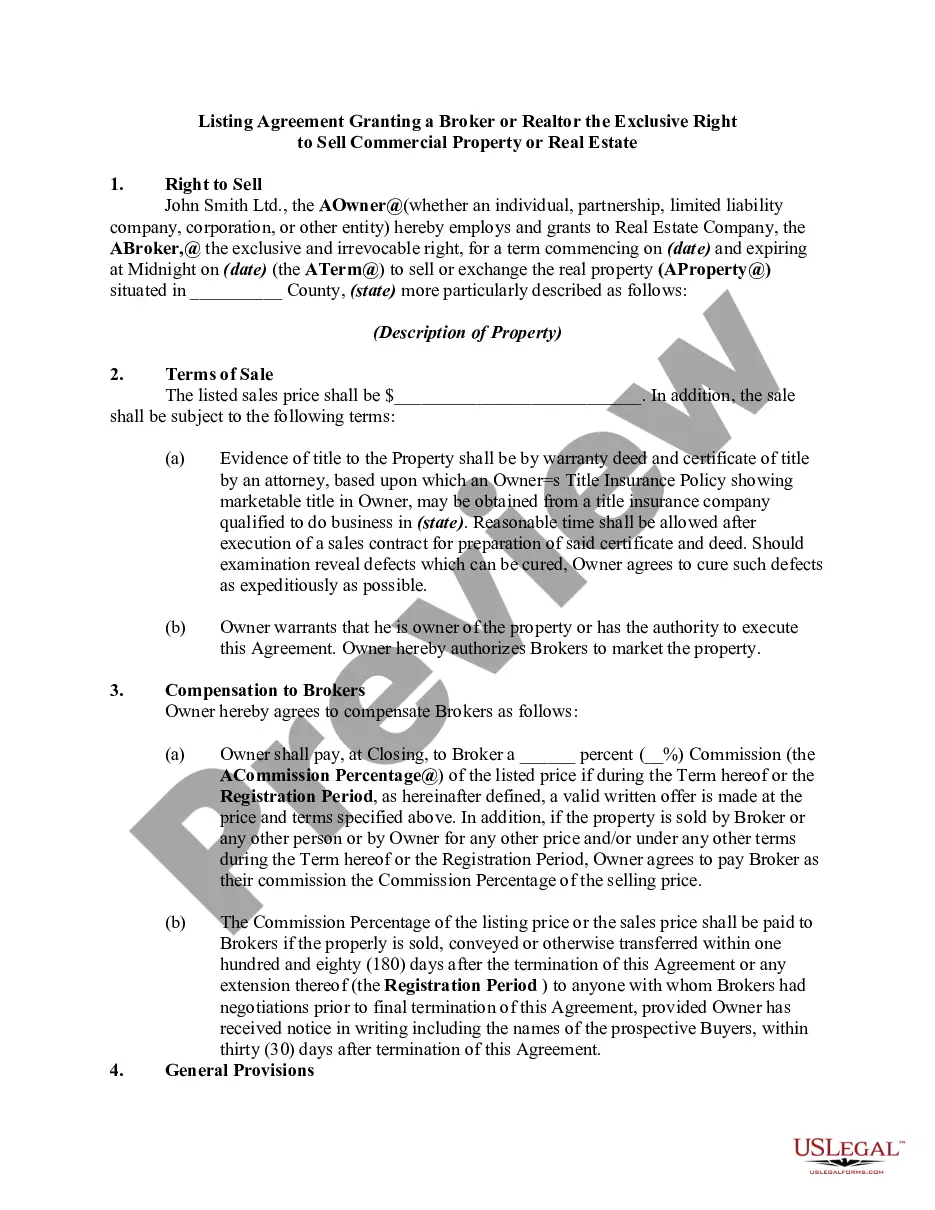
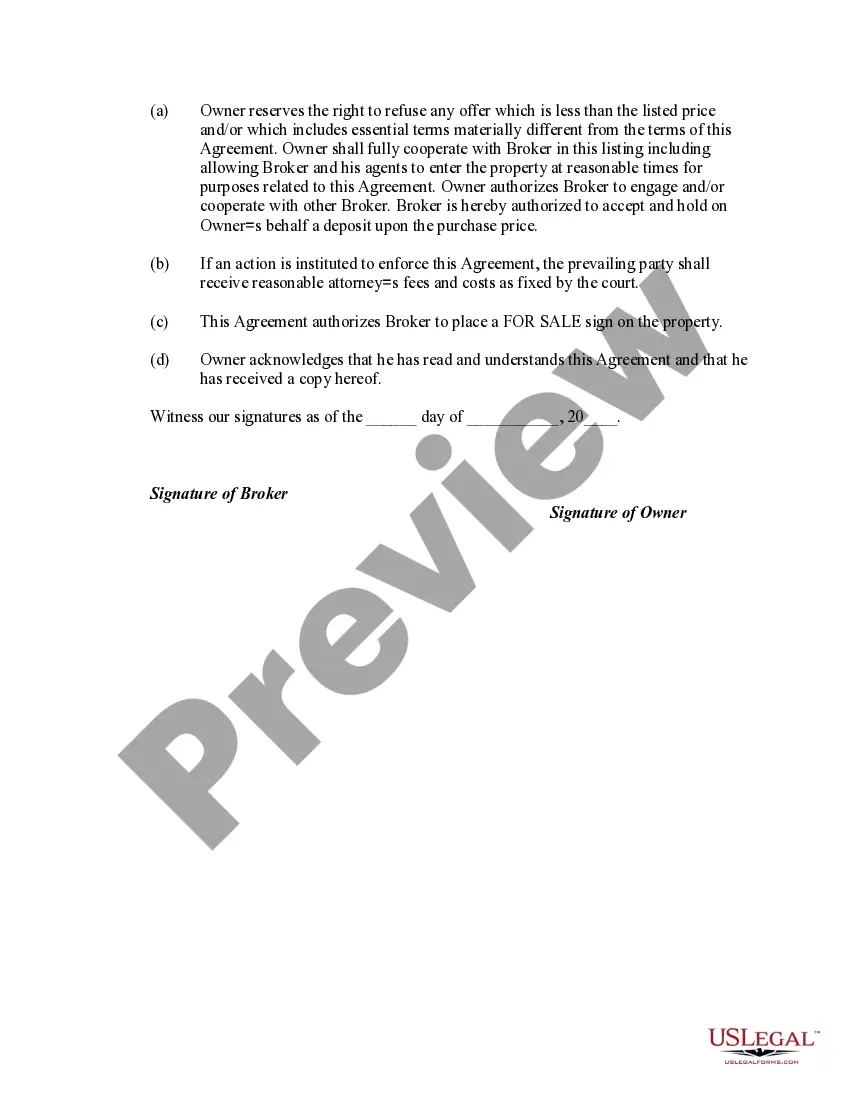
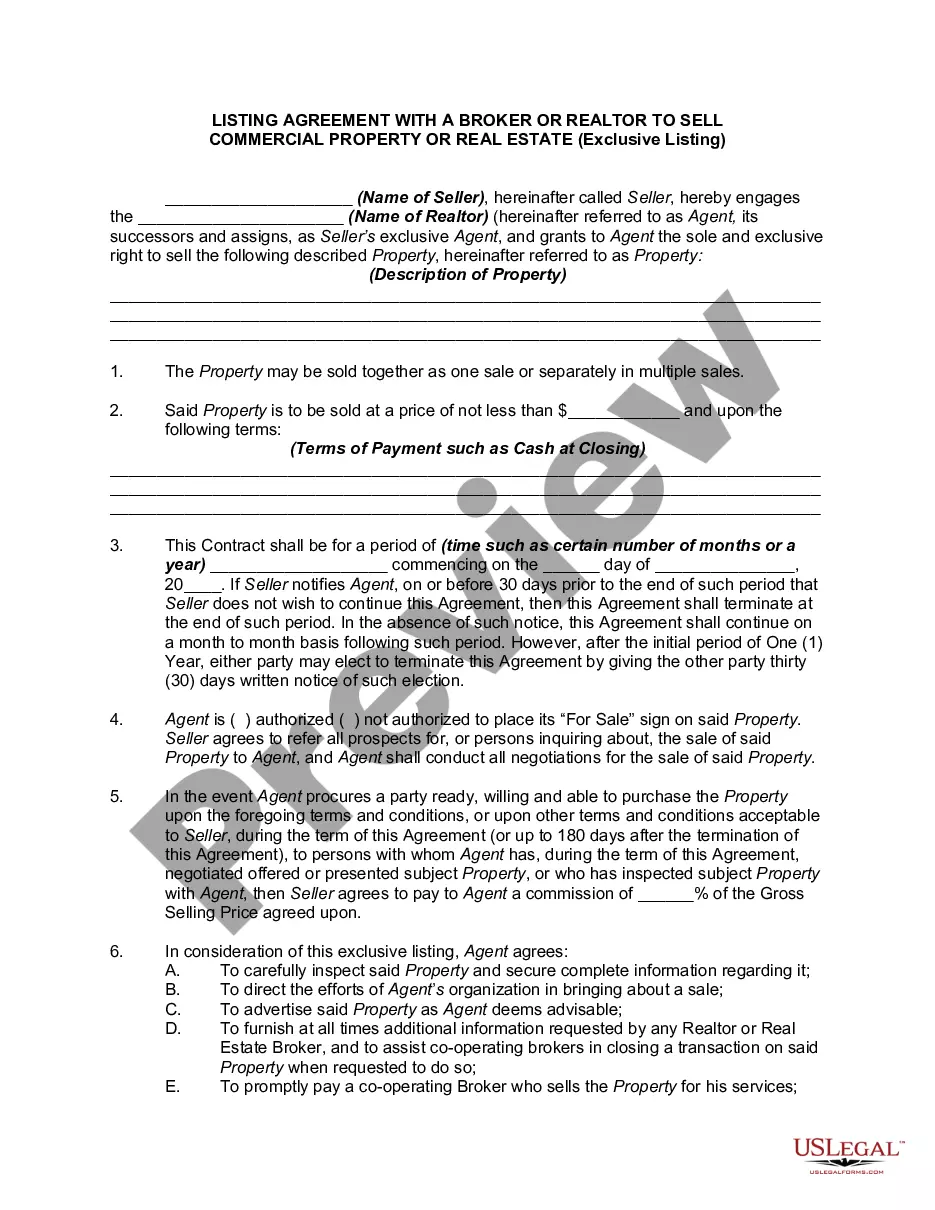
Agreement Commercial Property For Lease In Sacramento
Description
Get your form ready online
Our built-in tools help you complete, sign, share, and store your documents in one place.
Make edits, fill in missing information, and update formatting in US Legal Forms—just like you would in MS Word.
Download a copy, print it, send it by email, or mail it via USPS—whatever works best for your next step.
Sign and collect signatures with our SignNow integration. Send to multiple recipients, set reminders, and more. Go Premium to unlock E-Sign.
If this form requires notarization, complete it online through a secure video call—no need to meet a notary in person or wait for an appointment.
We protect your documents and personal data by following strict security and privacy standards.

Make edits, fill in missing information, and update formatting in US Legal Forms—just like you would in MS Word.

Download a copy, print it, send it by email, or mail it via USPS—whatever works best for your next step.

Sign and collect signatures with our SignNow integration. Send to multiple recipients, set reminders, and more. Go Premium to unlock E-Sign.

If this form requires notarization, complete it online through a secure video call—no need to meet a notary in person or wait for an appointment.

We protect your documents and personal data by following strict security and privacy standards.
Looking for another form?
Form popularity
FAQ
Verbal and Written Agreements California's Statute of Frauds requires a lease to be in writing if it either: 1. has a term longer than one year; or 2. has a term less than one year which expires more than one year after the agreement is reached.
The standard lease agreement in California, whether for residential or commercial property, is a legal contract between the property owner and the prospective tenant. It outlines the terms under which the tenant can occupy and use the rental property.
In some states, notarization isn't necessary for leases shorter than one year. For example, California does not require notarization for standard residential leases, while Ohio may require it for some lease types.
For example, it is common in a lease for a commercial building for the landlord to be obligated to maintain and repair the “structural elements” of the building (i.e., the foundation, exterior walls, roof supports and roof), and for the tenant to agree to maintain the remainder of the building, including interior, ...
In general, business contracts do not need to be notarized unless there are circumstances inherent in the transaction that might lead one party or the other to be concerned about the identity and/or authority of the other party to enter into the transaction.
Common Documents Requiring Notarization Revocable Living Trust. Amendment to Revocable Trust. Transfer Deeds to transfer real estate. Any document to be recorded. Sworn Statement. Parental Consent for Travel. Grant Deed/Quitclaim Deed. Interspousal Transfer Deed.
Yes, state laws significantly influence lease notarization requirements. Some states, like California and Texas, require notarization for leases exceeding one year, while others, such as Florida, do not require it unless specified.
Yes, state laws significantly influence lease notarization requirements. Some states, like California and Texas, require notarization for leases exceeding one year, while others, such as Florida, do not require it unless specified.
This will be done using a Land Registry form known as a TR1. If the lease is for less than 7 years, then the lease can be assigned by using a deed of assignment. Both these documents have the same effect and will generally be executed by both you as the current tenant and the assignee.
By law, security deposits must be returned when the tenant moves out, minus allowed expenses. The law limits the amount of security deposits. o Until July 1, 2024, the limit is two times the monthly rent (or, for furnished units, three times the rent).