Right To Sell Property In Queens
Description

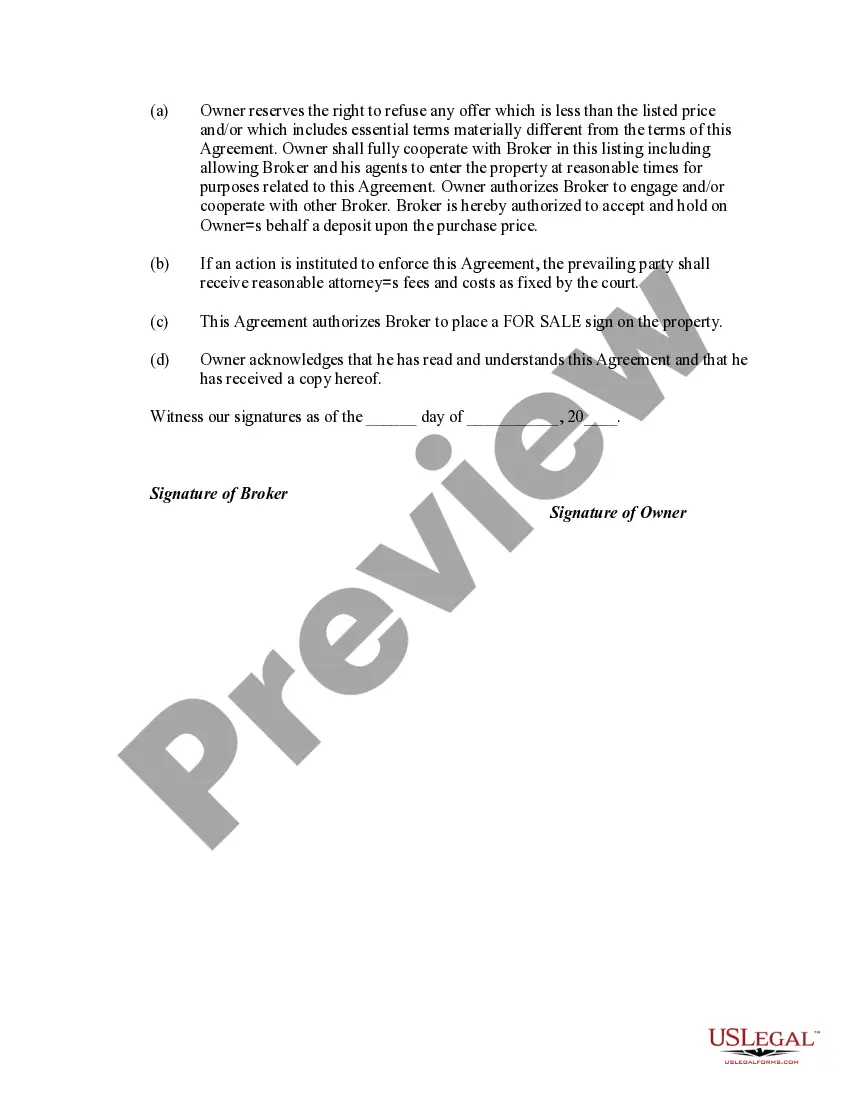

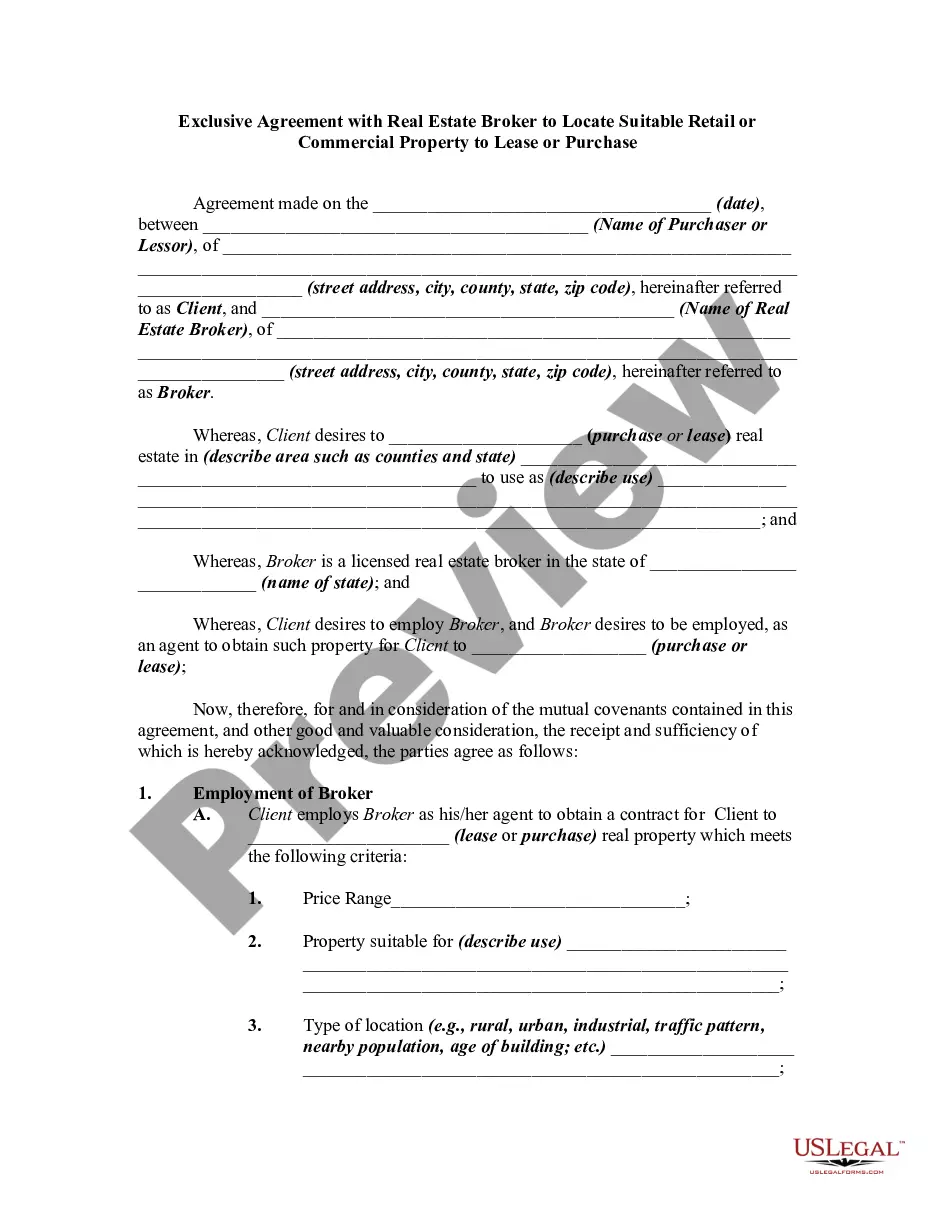
Get your form ready online
Our built-in tools help you complete, sign, share, and store your documents in one place.
Make edits, fill in missing information, and update formatting in US Legal Forms—just like you would in MS Word.
Download a copy, print it, send it by email, or mail it via USPS—whatever works best for your next step.
Sign and collect signatures with our SignNow integration. Send to multiple recipients, set reminders, and more. Go Premium to unlock E-Sign.
If this form requires notarization, complete it online through a secure video call—no need to meet a notary in person or wait for an appointment.
We protect your documents and personal data by following strict security and privacy standards.

Make edits, fill in missing information, and update formatting in US Legal Forms—just like you would in MS Word.

Download a copy, print it, send it by email, or mail it via USPS—whatever works best for your next step.

Sign and collect signatures with our SignNow integration. Send to multiple recipients, set reminders, and more. Go Premium to unlock E-Sign.

If this form requires notarization, complete it online through a secure video call—no need to meet a notary in person or wait for an appointment.

We protect your documents and personal data by following strict security and privacy standards.
Looking for another form?









Form popularity
FAQ
Unlike many states, New York requires sellers to involve a lawyer in the house-selling transaction. (N.Y. Jud.
Disclosure Requirements in New York The Property Condition Disclosure Statement asks the seller to answer questions about the condition of the property, such as whether there are any structural problems, environmental hazards, or issues with the plumbing or electrical systems.
Sellers Will Be Exposed To Liability Even After Closing may subject the seller to claims by the buyer prior to or after the transfer of title. That means buyers can sue sellers after closing. And the statute of limitations on these claims may be as long as six years.
This window of time is the 'statute of limitations'. Depending on the type of case and claim, the statute of limitations in New York State for real estate transactions typically ranges from one year to six years or even 10 years in some cases.
Seller accepts offer. The next step is for the seller to accept the buyer's offer, or present a counter offer. Even after there is an accepted offer, however, neither party is legally obligated to go through with the transaction at this point. Either party can back out of the deal without being in breach of contract.
It's not just about having a savvy negotiator by your side or someone to double-check the paperwork. In New York, an attorney's presence is as essential as a subway map on your first day in the city. While it's not required that you have an attorney by your side at the closing table, it's a very good idea.
Below are some of the most common disclosures for New York real estate sales: Property Condition Disclosure Statement. Environmental Disclosure Statement. Lead-Based Paint Disclosure Statement. Flood Hazard Disclosure Statement. Smoke Detector Disclosure Statement. General info. Environmental.
Unlike many states, New York requires sellers to involve a lawyer in the house-selling transaction.
In New York, hiring an attorney to handle the closing of a real estate transaction is both highly recommended and legally required. This requirement is in place to properly address the complexity of property sales and to protect the interests of all parties involved.
