Agreement Commercial Property With Living Space In Phoenix
Description

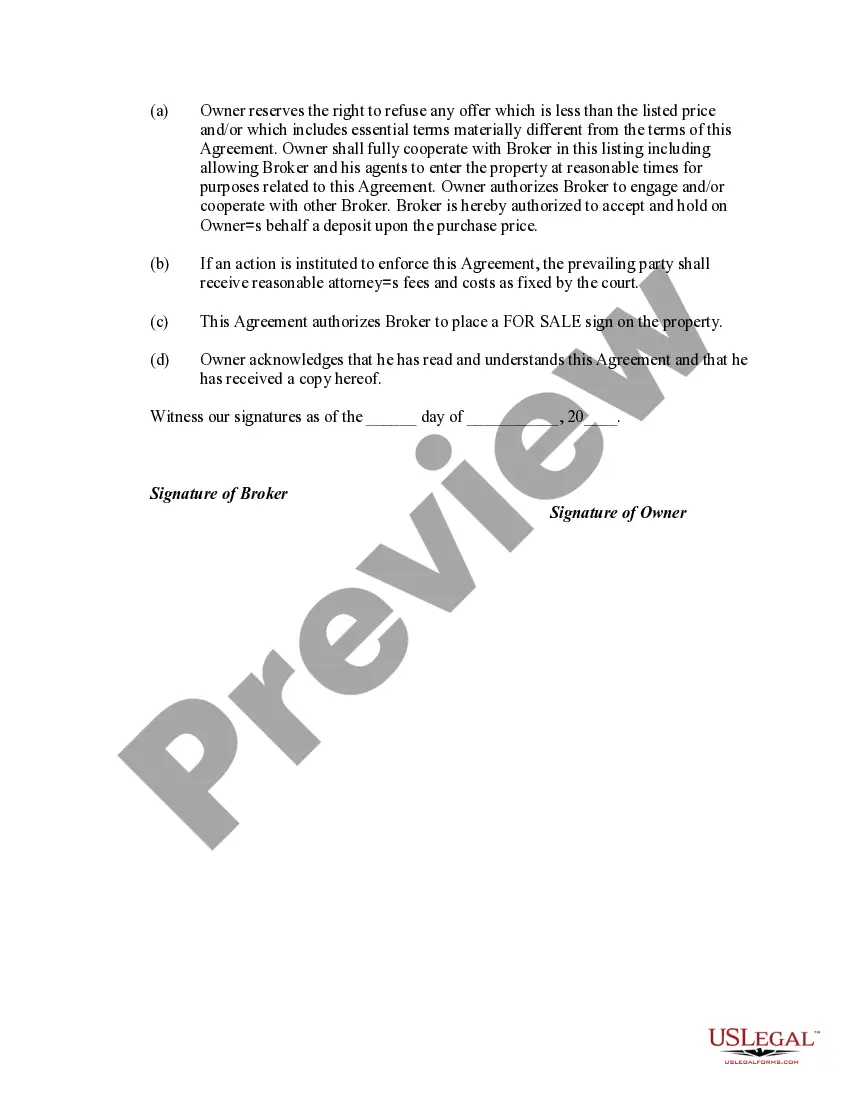

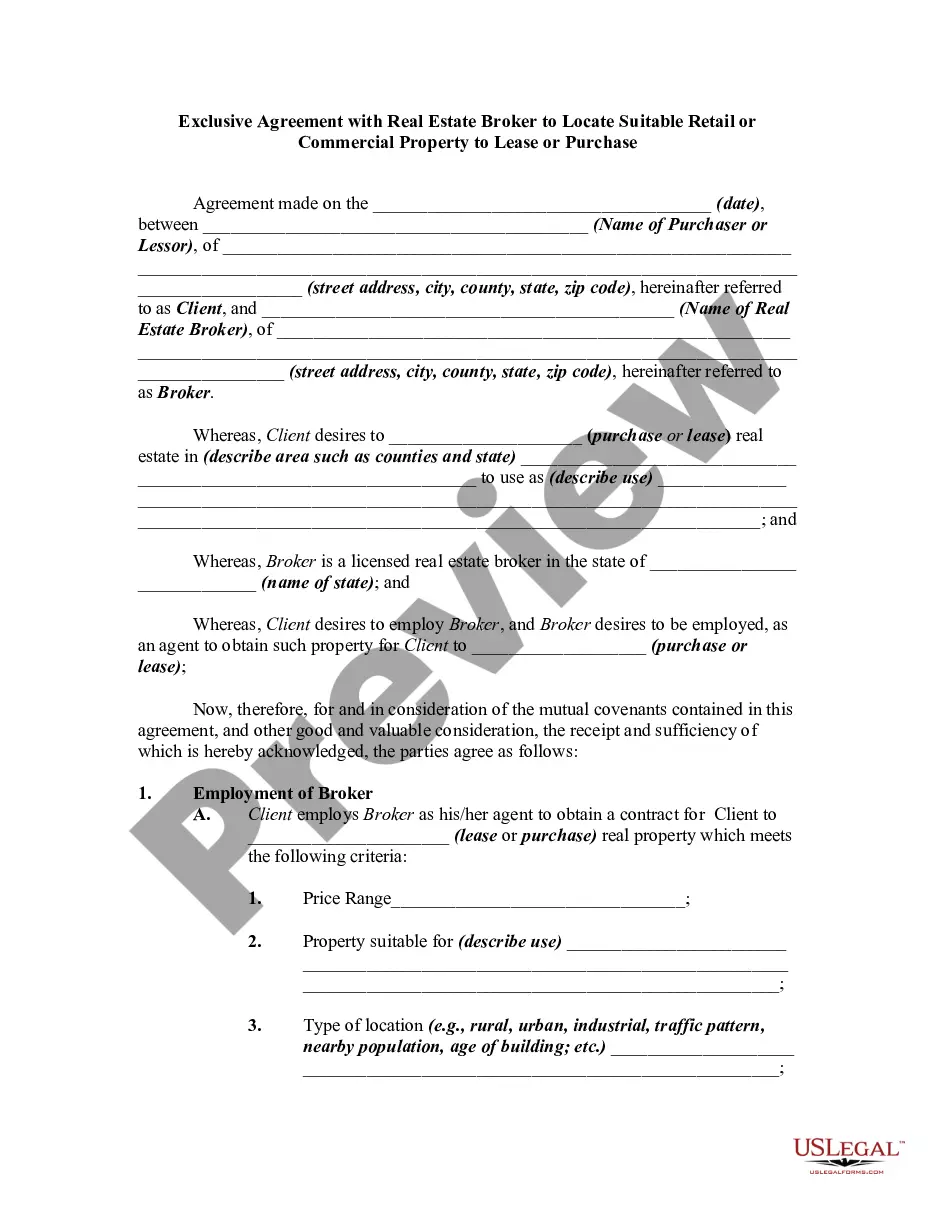
Get your form ready online
Our built-in tools help you complete, sign, share, and store your documents in one place.
Make edits, fill in missing information, and update formatting in US Legal Forms—just like you would in MS Word.
Download a copy, print it, send it by email, or mail it via USPS—whatever works best for your next step.
Sign and collect signatures with our SignNow integration. Send to multiple recipients, set reminders, and more. Go Premium to unlock E-Sign.
If this form requires notarization, complete it online through a secure video call—no need to meet a notary in person or wait for an appointment.
We protect your documents and personal data by following strict security and privacy standards.

Make edits, fill in missing information, and update formatting in US Legal Forms—just like you would in MS Word.

Download a copy, print it, send it by email, or mail it via USPS—whatever works best for your next step.

Sign and collect signatures with our SignNow integration. Send to multiple recipients, set reminders, and more. Go Premium to unlock E-Sign.

If this form requires notarization, complete it online through a secure video call—no need to meet a notary in person or wait for an appointment.

We protect your documents and personal data by following strict security and privacy standards.
Looking for another form?










Form popularity
FAQ
Using a commercial property as a residential space This means you need to apply to change the building use from commercial to residential. While this is perfectly achievable, the first thing to consider is the type of building you're interested in.
Unless a commercial real estate property is defined as mixed use—for example, tenants living above storefronts—it is intended to be for business operations only, not for residential use.
6 Key Things to Include in a Commercial Lease Letter of Intent A Statement Declaring Your Interest in Leasing the Space. A Description of Your Company. An Outline of On-Site Employees, Equipment, and Machinery. Your Business Hours. An Overview of Your Current Space. Contact Details.
Like we said in the opening, the typical commercial property will go 50 to 60 years before significant maintenance and other work becomes necessary to sustain it.
Penalties, evictions, and in severe cases, imprisonment can ensue. However, with the proper permissions and alterations, converting a commercial space for residential use might be possible. There's a growing trend towards mixed-use properties, where spaces are designed for residential and commercial purposes.
Commercial properties involve tenants that are businesses or multifamily apartments with five or more units. Residential properties are those where people live, such as single-family homes, duplexes, triplexes, or apartment buildings with four or fewer units.
Residential office that is purely low impact commercial; homeowner, or employee may live on the premises, and office use of the property predominates. The purpose of R-O zoning is to allow low impact commercial to coexist with residential or to buffer residential from more intense commercial uses.
You typically have to get permission from the city to do this and that usually requires providing them with detailed plans and attending city planning meetings. Your property has to meet certain rules and standards to ensure it complies with commercial standards and building codes.
A Landlord's Responsibilities in a Commercial Lease Making repairs to the property. Maintaining the premises. Ensuring the property's compliance with housing and safety standards. Ensuring the property's compliance with building codes.
A letter of intent is used in commercial real estate transactions whenever negotiations are expected to be complex. They are typically drafted after someone has already viewed the property and had preliminary conversations with the owner and/or broker about moving forward with the transaction.
