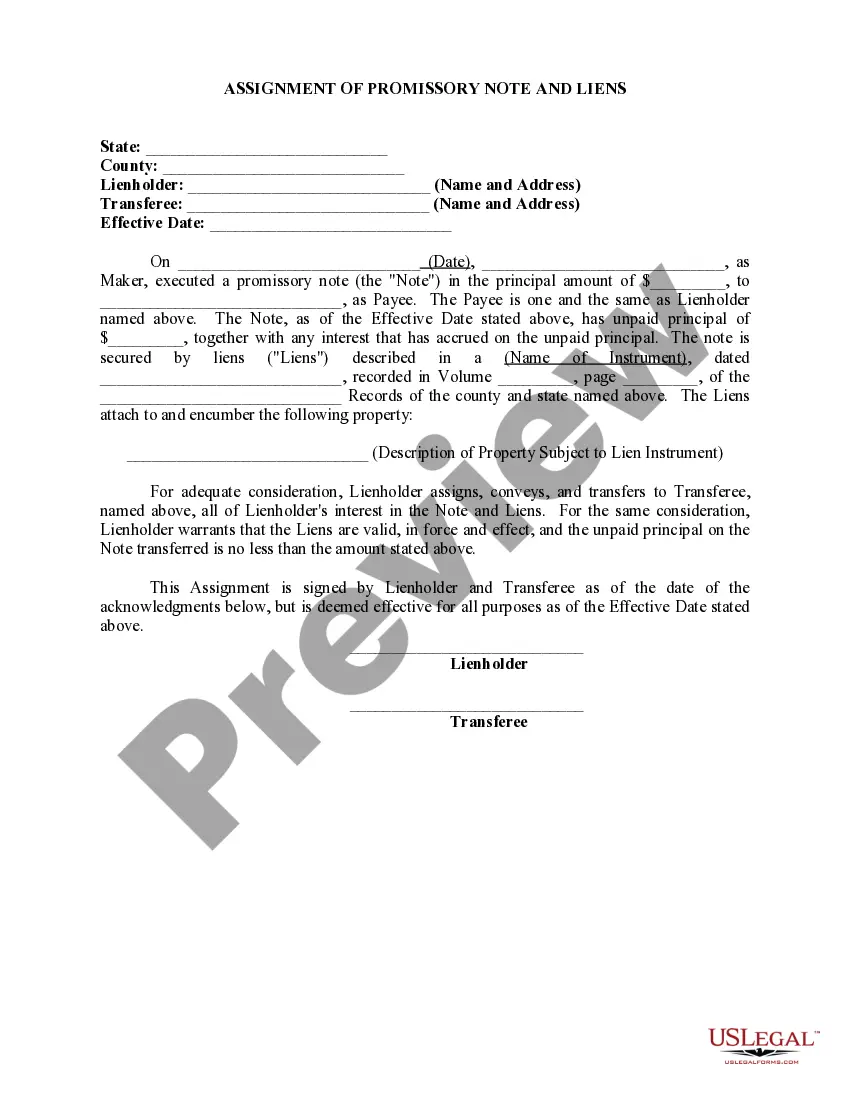
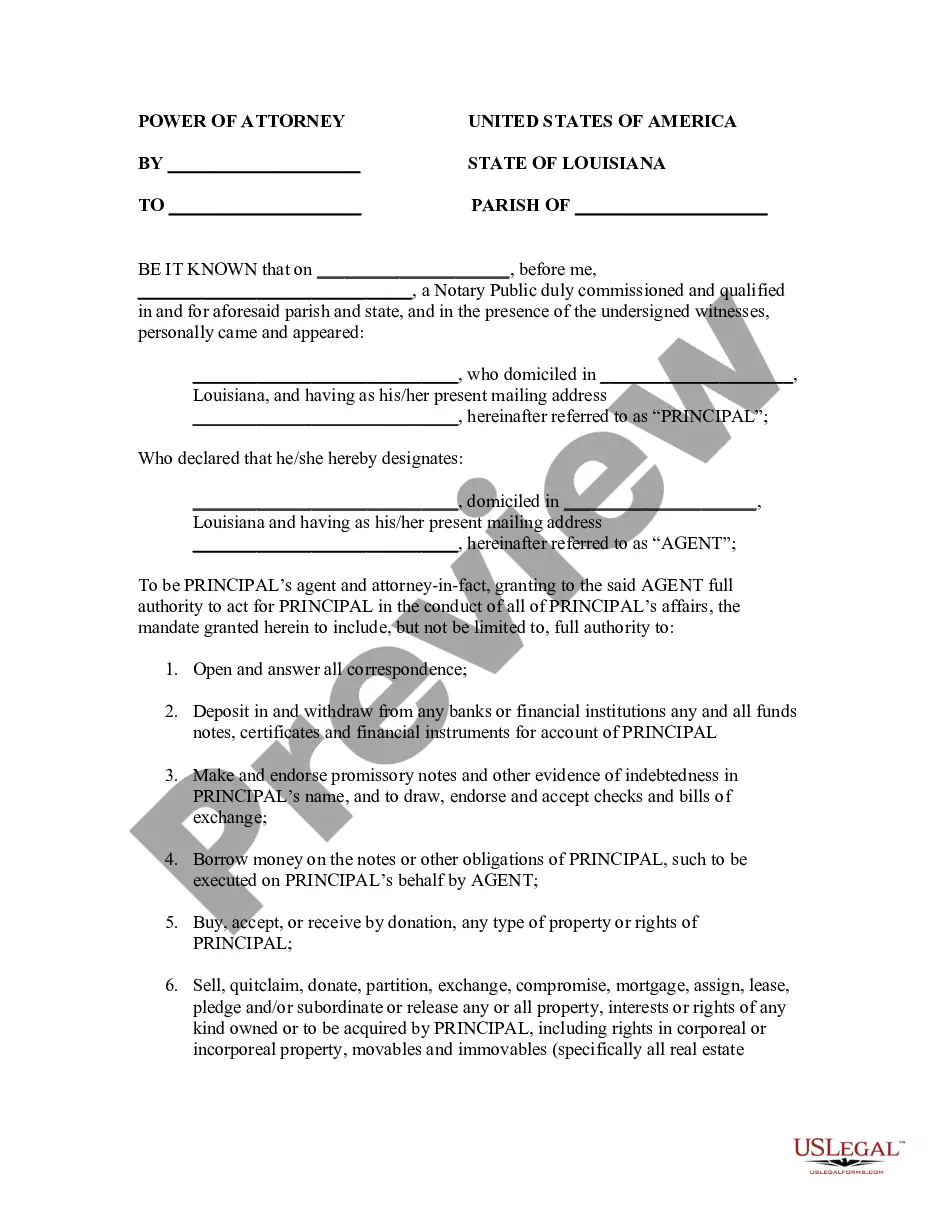
Right To Sell Agreement In New York
Description

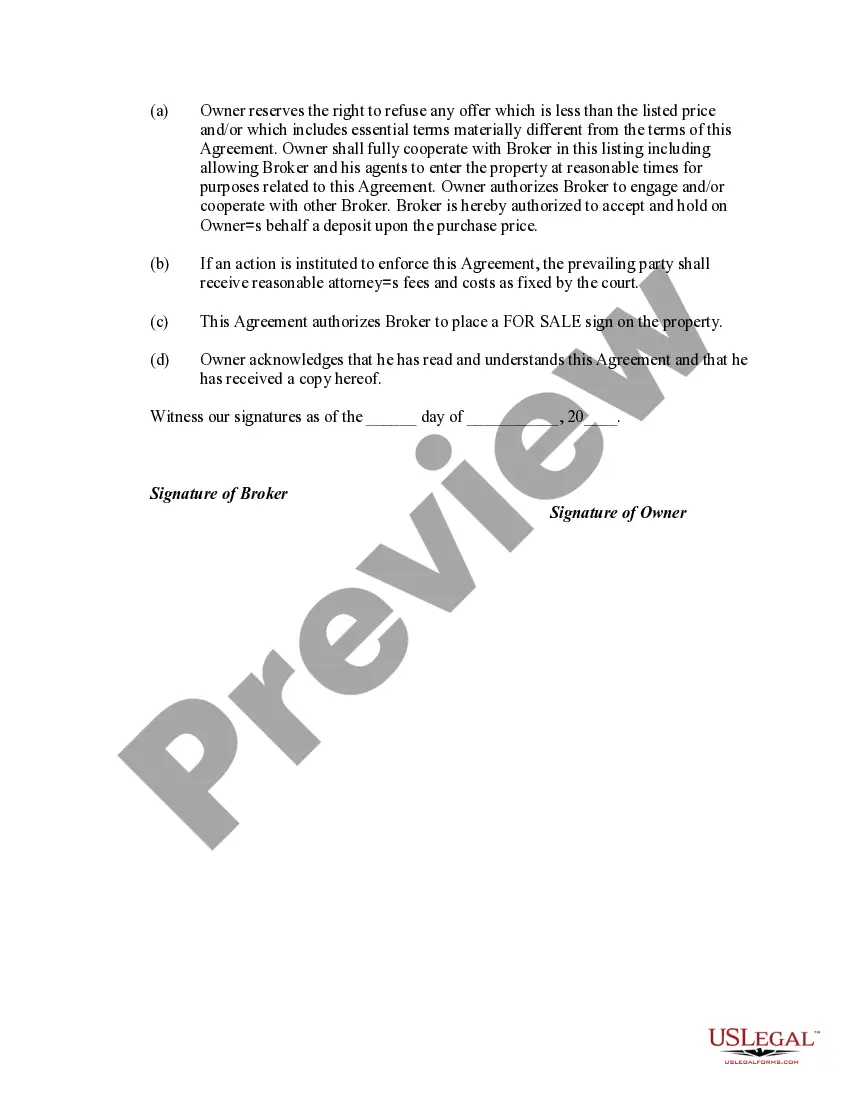

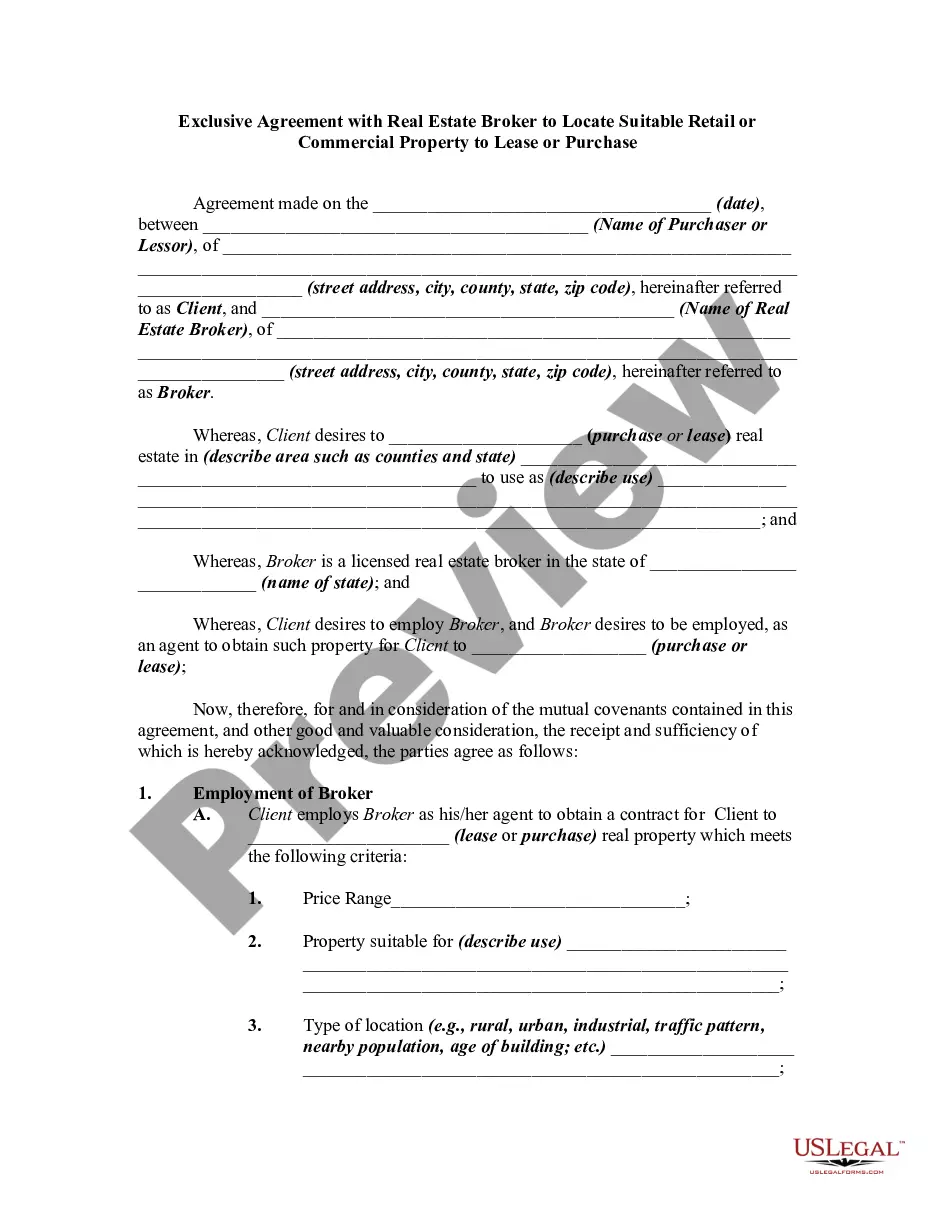
Get your form ready online
Our built-in tools help you complete, sign, share, and store your documents in one place.
Make edits, fill in missing information, and update formatting in US Legal Forms—just like you would in MS Word.
Download a copy, print it, send it by email, or mail it via USPS—whatever works best for your next step.
Sign and collect signatures with our SignNow integration. Send to multiple recipients, set reminders, and more. Go Premium to unlock E-Sign.
If this form requires notarization, complete it online through a secure video call—no need to meet a notary in person or wait for an appointment.
We protect your documents and personal data by following strict security and privacy standards.

Make edits, fill in missing information, and update formatting in US Legal Forms—just like you would in MS Word.

Download a copy, print it, send it by email, or mail it via USPS—whatever works best for your next step.

Sign and collect signatures with our SignNow integration. Send to multiple recipients, set reminders, and more. Go Premium to unlock E-Sign.

If this form requires notarization, complete it online through a secure video call—no need to meet a notary in person or wait for an appointment.

We protect your documents and personal data by following strict security and privacy standards.
Looking for another form?

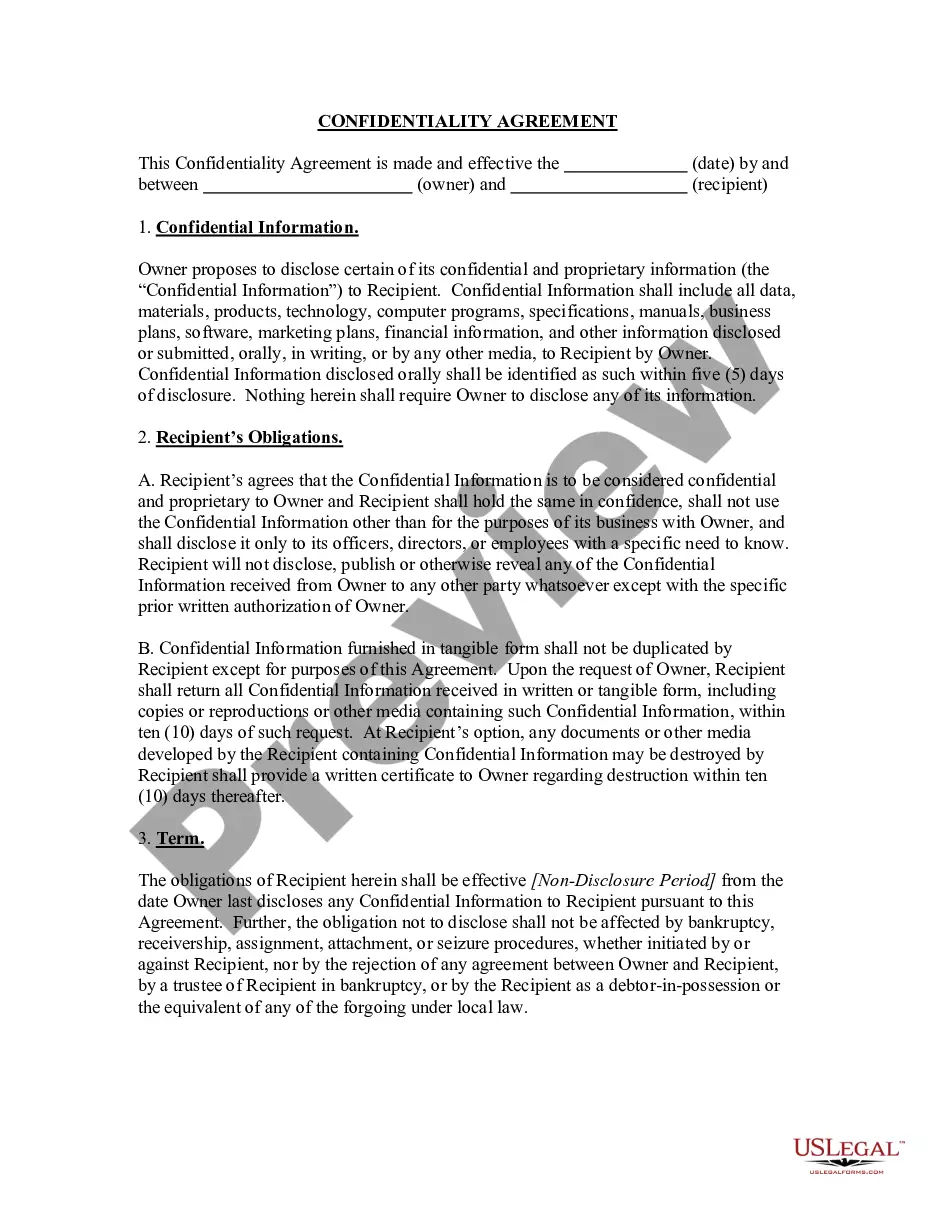
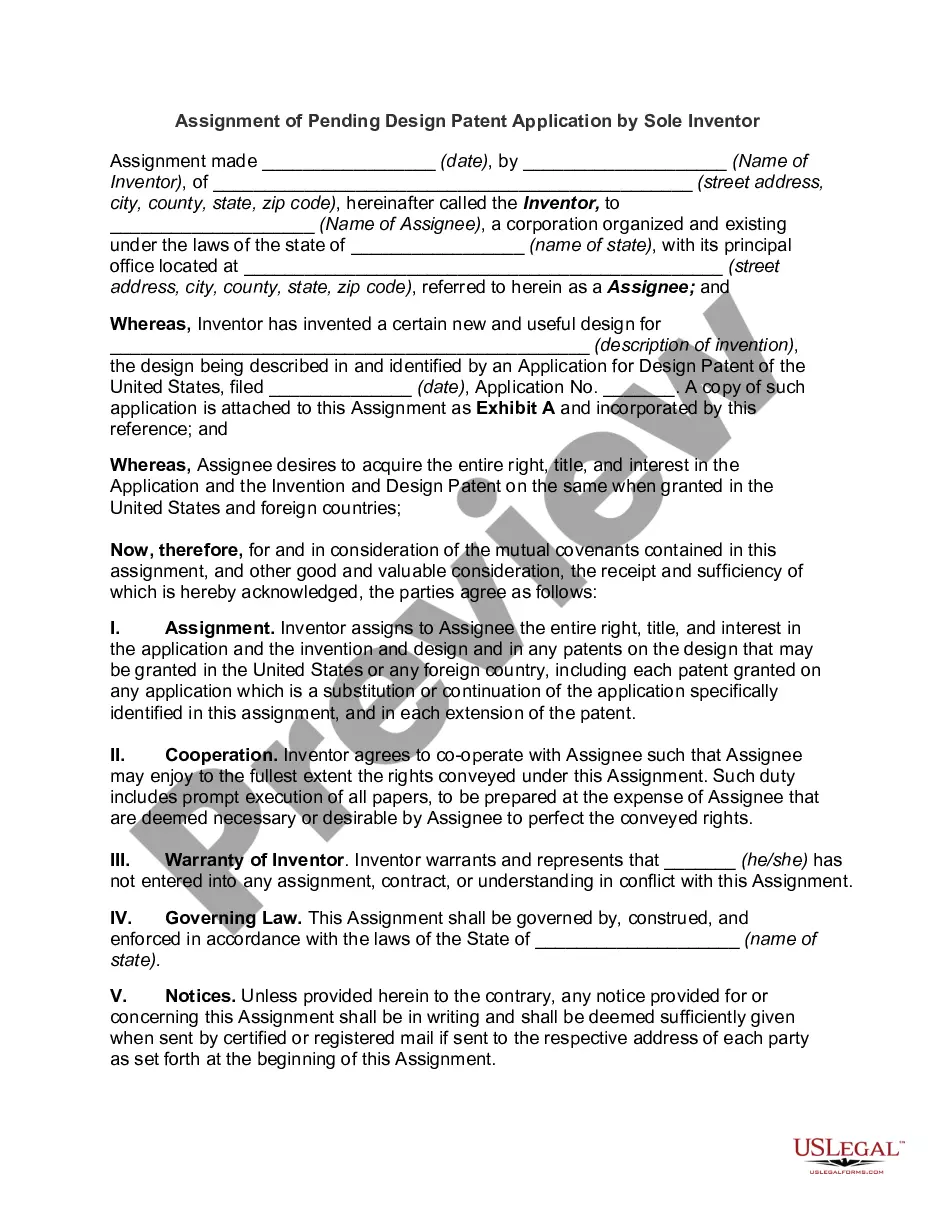




Form popularity
FAQ
Exclusive Agency: Tenant agrees that Tenant Broker will act as Tenant's exclusive agent for the purpose of locating and leasing acceptable real property in New York. Tenant will refer all information received from other brokers, persons, prospective Landlords or any other source to Tenant Broker.
The label of "agreement to agree" is often understood as the death knell of a contract claim. Often—but not always. Under New York law, a preliminary agreement that omits material terms can still impose an obligation to negotiate in good faith toward a complete agreement.
If either the buyer or seller backs out without a legitimate reason and in violation of the contract terms, the consequences can be severe. The non-breaching party may be entitled to damages, such as lost profits, costs associated with finding a new buyer or property, or even attorney's fees.
Types of agreements under Indian Contract Act, 1872 Valid agreement. Section 11 of the Indian Contract Act, 1872. Void agreement. Section 24 of the Indian Contract Act, 1872. Wagering Agreements. Contingent Agreement. Voidable agreement. Express and implied agreements. Illegal Agreements.
Consequently, agreements to agree have traditionally been held to be void for uncertainty with the result that they are typically found to be unenforceable.
Agreements to agree represent an arrangement where parties consent to negotiate future terms, but these agreements often bring forth considerable legal debates regarding their validity and enforceability. Legal foundations in UK commercial law generally require that contracts be clear and definite to be enforceable.
Agreements to agree may prove practical to guide parties in their negotiations of a main agreement, however it is an accepted principle that an agreement to agree is unenforceable for reasons of vagueness and uncertainty unless a deadlock mechanism is included.
Often understood as the death knell of a contract claim. Often—but not always. Under New York law, a prelimi- nary agreement that omits material terms can still impose an obligation to negotiate in good faith toward a complete agreement.
So, here's the rule, as recently summarized by a New York County trial court: "The requirements for formation of an enforceable contract are: (1) at least two parties with legal capacity to contract; (2) mutual assent to the terms of an agreement with reasonably certain terms; and, (3) consideration (i.e., payment).
