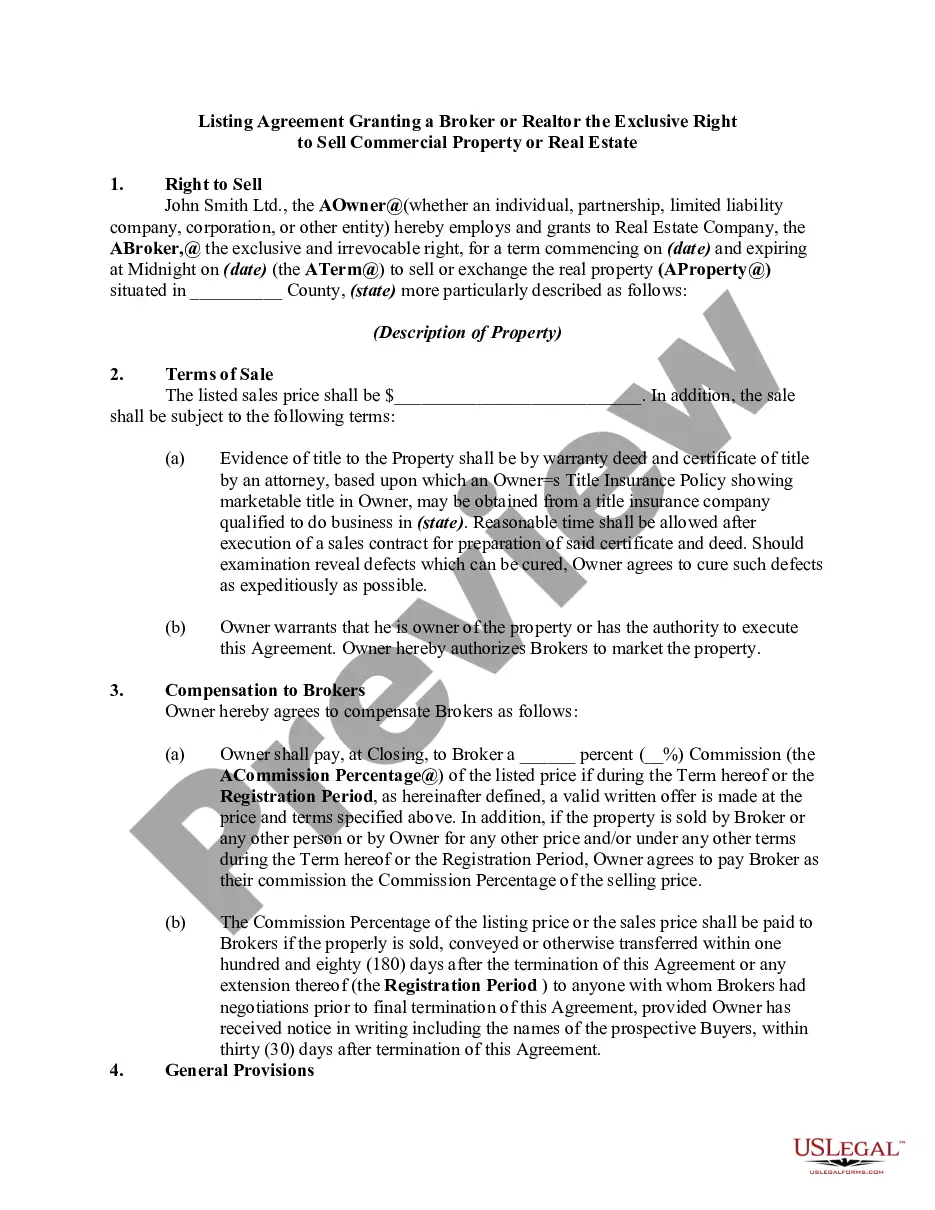
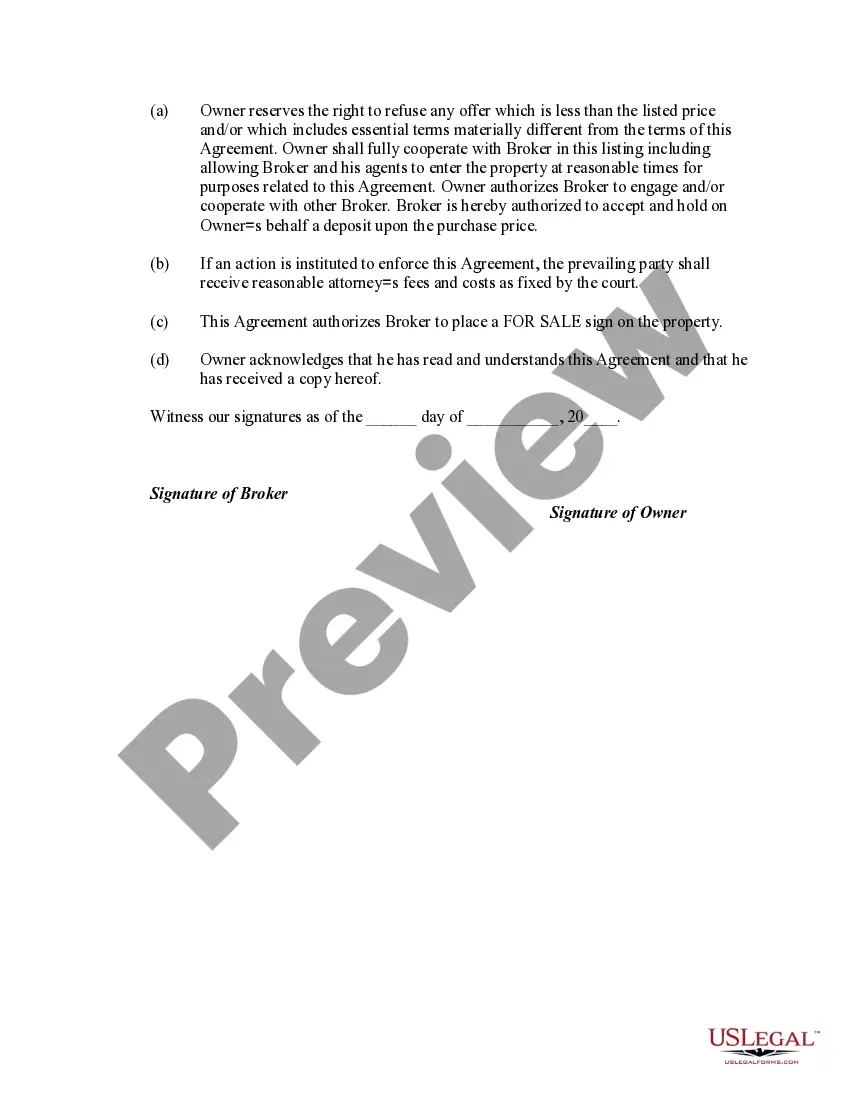
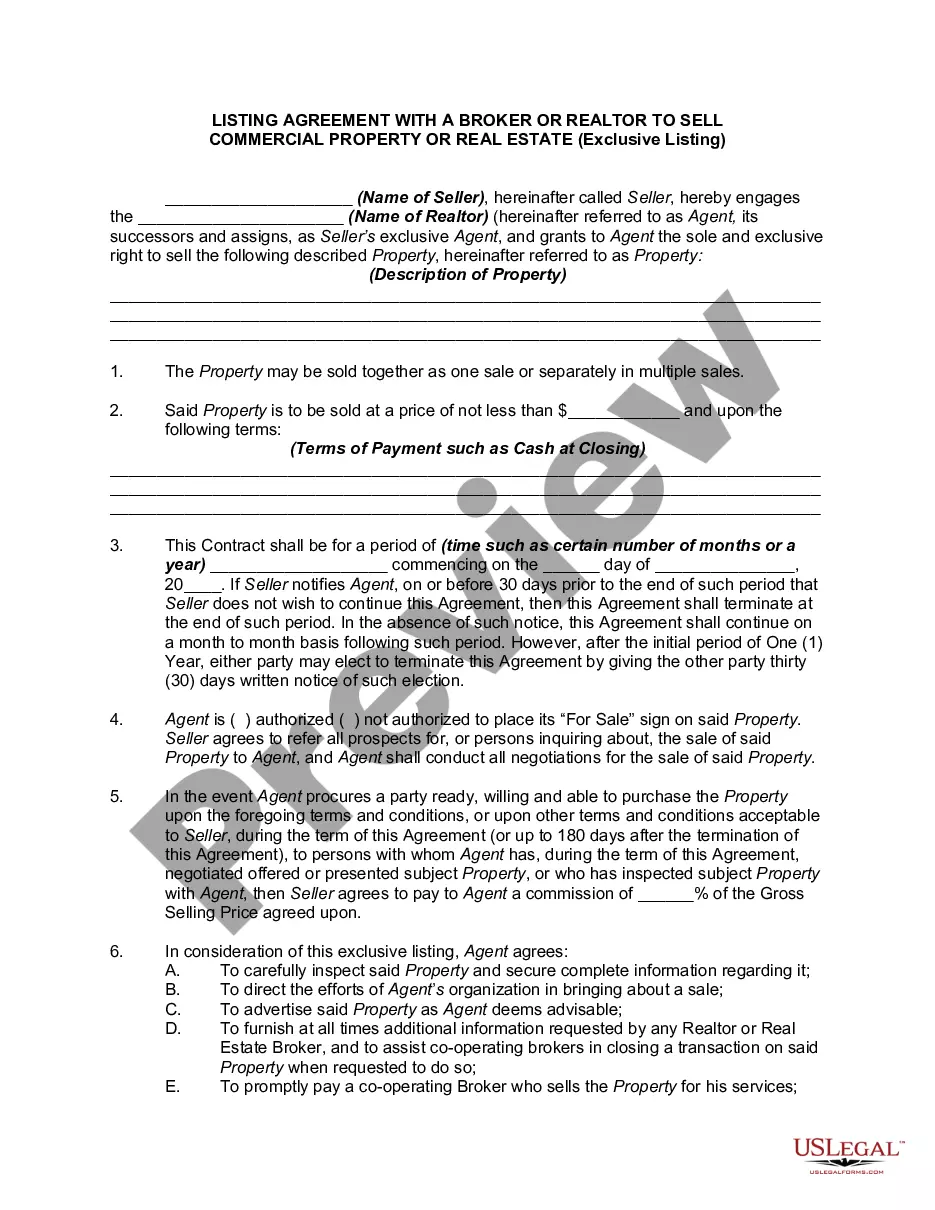
Agreement Commercial Property With Owner In New York
Description
Get your form ready online
Our built-in tools help you complete, sign, share, and store your documents in one place.
Make edits, fill in missing information, and update formatting in US Legal Forms—just like you would in MS Word.
Download a copy, print it, send it by email, or mail it via USPS—whatever works best for your next step.
Sign and collect signatures with our SignNow integration. Send to multiple recipients, set reminders, and more. Go Premium to unlock E-Sign.
If this form requires notarization, complete it online through a secure video call—no need to meet a notary in person or wait for an appointment.
We protect your documents and personal data by following strict security and privacy standards.

Make edits, fill in missing information, and update formatting in US Legal Forms—just like you would in MS Word.

Download a copy, print it, send it by email, or mail it via USPS—whatever works best for your next step.

Sign and collect signatures with our SignNow integration. Send to multiple recipients, set reminders, and more. Go Premium to unlock E-Sign.

If this form requires notarization, complete it online through a secure video call—no need to meet a notary in person or wait for an appointment.

We protect your documents and personal data by following strict security and privacy standards.
Looking for another form?

Form popularity
FAQ
If your commercial property is in a commercial-only zone, it's illegal to live there. However, mixed-use zoning districts may allow for both residential and commercial purposes, making it possible to live where you work.
Commercial properties involve tenants that are businesses or multifamily apartments with five or more units. Residential properties are those where people live, such as single-family homes, duplexes, triplexes, or apartment buildings with four or fewer units.
Yes, commercial properties may be converted into residential spaces or “artist lofts” in specified areas of Manhattan, Brooklyn, and Queens. Of course, you must adhere to the city's zoning law and building codes when converting from commercial use to residential.
Using a commercial property as a residential space This means you need to apply to change the building use from commercial to residential. While this is perfectly achievable, the first thing to consider is the type of building you're interested in.
Commercial property consists of buildings and lots that are designed for use by businesses, rather than as living spaces. Commercial property usually includes things like restaurants, retail stores and shopping centers.
Examples of commercial contracts For example, your business entered a software license agreement with the vendors of all the software you use in your organization. Other examples of commercial contracts include: Joint venture agreement. Shareholders agreement.
Five typical business contracts are the business entity agreement, nondisclosure agreement, contractor agreement, sales-related agreement, and commercial lease. Although you probably had a lawyer prepare these contracts for you, understanding what they are and who they affect could be important for your business.
The landlord is often responsible for anything structural unless an issue is caused by the tenant's negligence. This would include the foundation, walls and roof of the building. The landlord is also usually responsible for the electrical, heating and ventilation systems.
Basic Commercial Contract Principles Generally, contracts should be in writing, signed and dated by both parties. There may be other formalities, such as witnesses, notarization, etc., required by the laws of a particular jurisdiction to create a binding contract.
1. Commercial agreement: The negotiations between parties regarding the commercial aspects of product or services are recorded in commercial agreements in writing. The agreements define the obligations of each party and benefits they will get in return from the agreement.