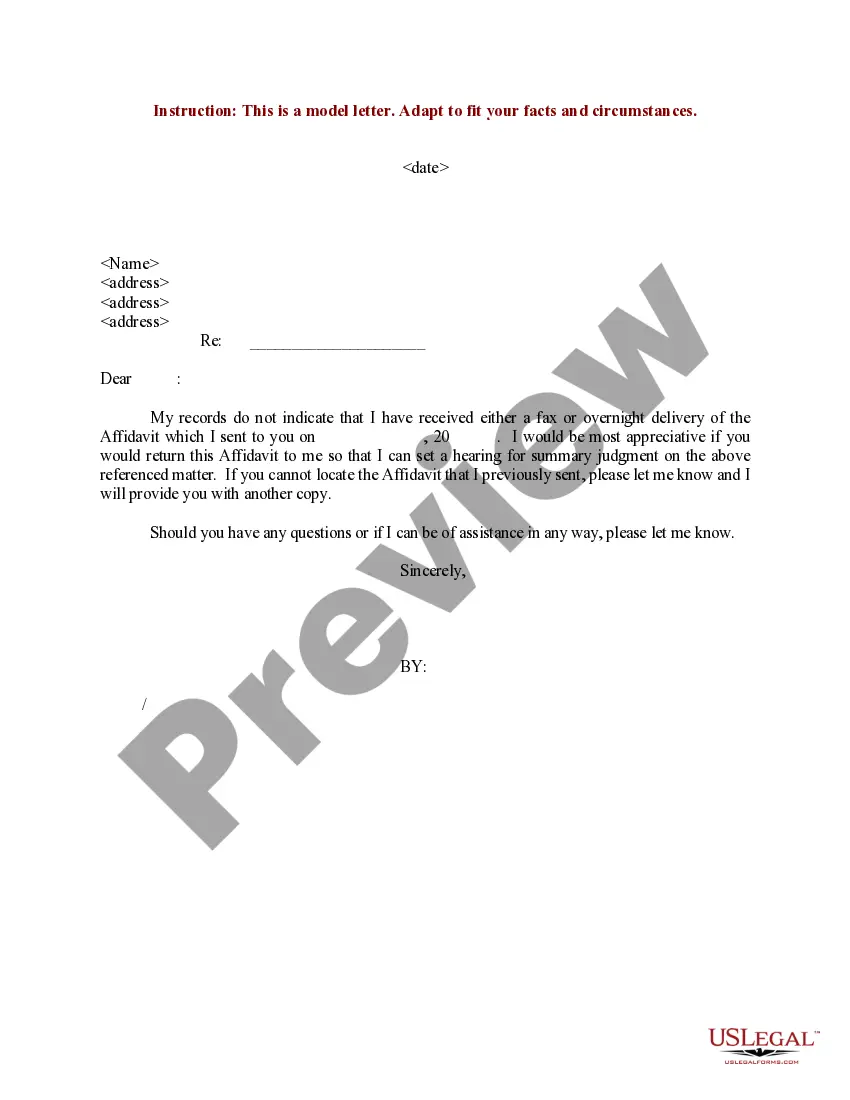
Right To Sell Property In Minnesota
Description

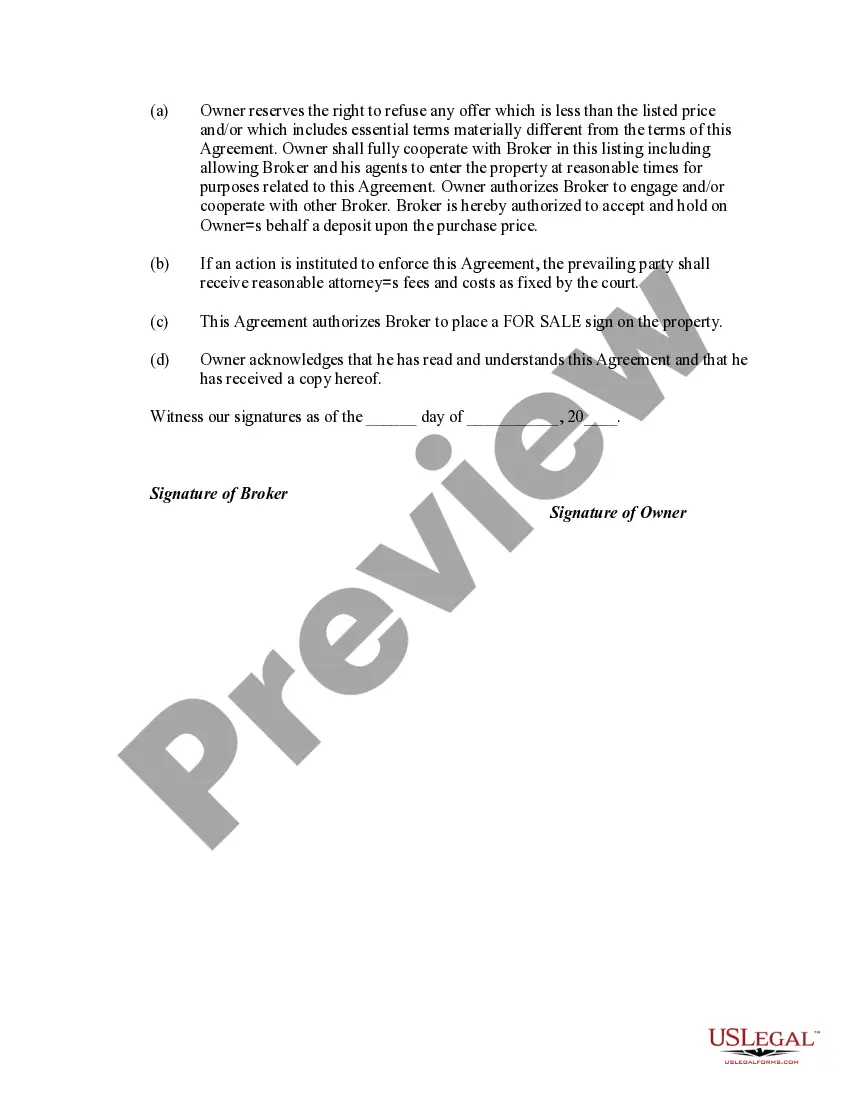

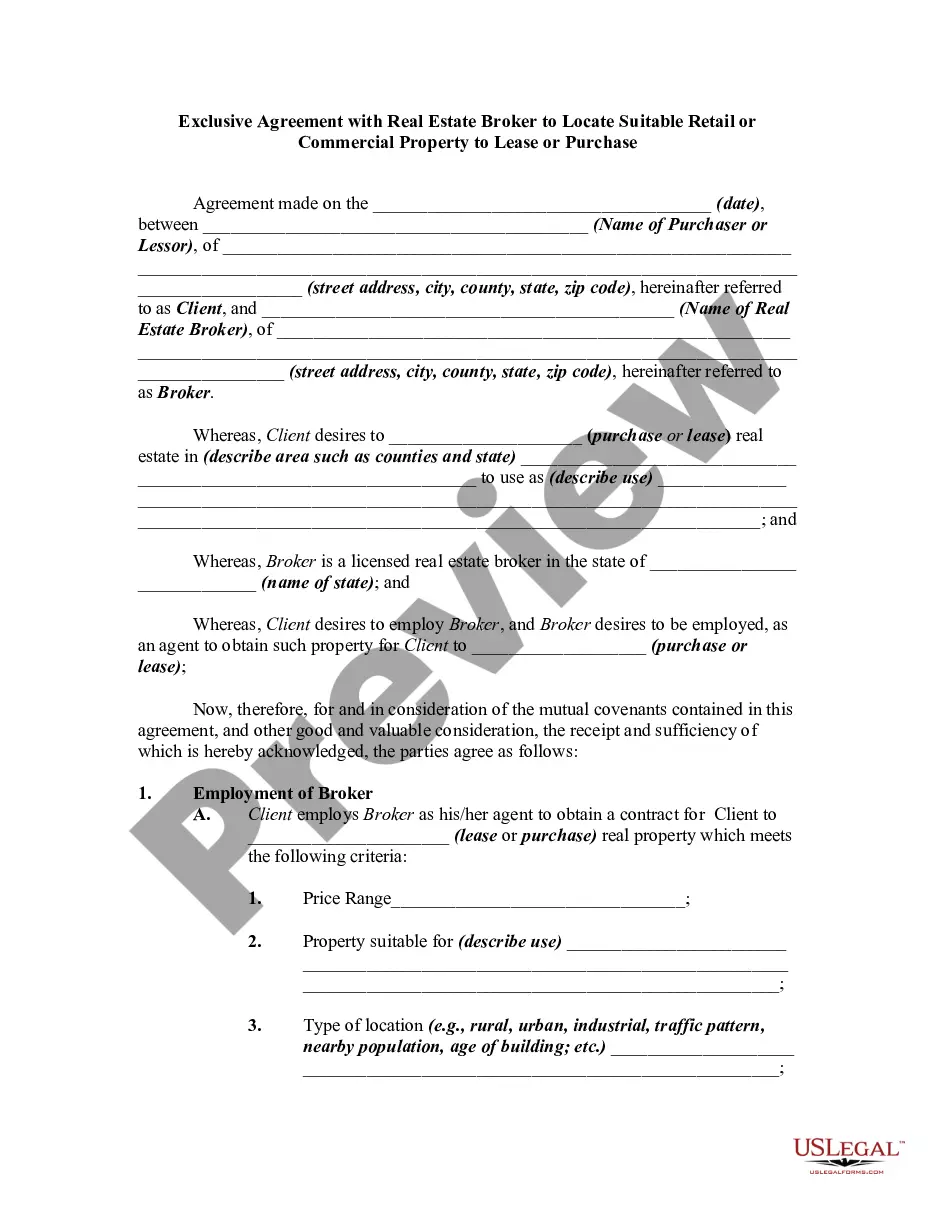
Get your form ready online
Our built-in tools help you complete, sign, share, and store your documents in one place.
Make edits, fill in missing information, and update formatting in US Legal Forms—just like you would in MS Word.
Download a copy, print it, send it by email, or mail it via USPS—whatever works best for your next step.
Sign and collect signatures with our SignNow integration. Send to multiple recipients, set reminders, and more. Go Premium to unlock E-Sign.
If this form requires notarization, complete it online through a secure video call—no need to meet a notary in person or wait for an appointment.
We protect your documents and personal data by following strict security and privacy standards.

Make edits, fill in missing information, and update formatting in US Legal Forms—just like you would in MS Word.

Download a copy, print it, send it by email, or mail it via USPS—whatever works best for your next step.

Sign and collect signatures with our SignNow integration. Send to multiple recipients, set reminders, and more. Go Premium to unlock E-Sign.

If this form requires notarization, complete it online through a secure video call—no need to meet a notary in person or wait for an appointment.

We protect your documents and personal data by following strict security and privacy standards.
Looking for another form?










Form popularity
FAQ
Most seller property disclosures are required for residential properties and vacant land. This means that when selling a residential property, the seller is legally obligated to disclose any known defects or issues with the property to potential buyers.
A general warranty deed is used to transfer an interest in real estate in Minnesota in most real estate transactions. A Minnesota warranty deed conveys real property with warranty covenants to the buyer. It requires an acknowledgement of the grantor's signature.
Home sellers in Minnesota are required by law to disclose detailed information about the status and condition of their property. Sellers need to fill out the Condition of the Property or another form that complies with state law to inform buyers about what they're potentially purchasing.
Typically, executors have the authority to sell property without needing unanimous consent from all heirs. However, if the decision to sell is contested, an executor might need to seek approval from the probate court.
Do you have to report a death in your home while selling real estate in Minnesota? Minnesota do not require disclosure of death on a property.
Minnesota law specifies that the seller of a residential property must make a written disclosure to the prospective buyer that includes all “material facts of which the seller is aware that could adversely and significantly affect 1) an ordinary buyer's use and enjoyment of the property, or 2) any intended use of the ...
Typically, executors have the authority to sell property without needing unanimous consent from all heirs. However, if the decision to sell is contested, an executor might need to seek approval from the probate court.
A general warranty deed is used to transfer an interest in real estate in Minnesota in most real estate transactions. A Minnesota warranty deed conveys real property with warranty covenants to the buyer. It requires an acknowledgement of the grantor's signature.