Right To Sell Property In Florida
Description

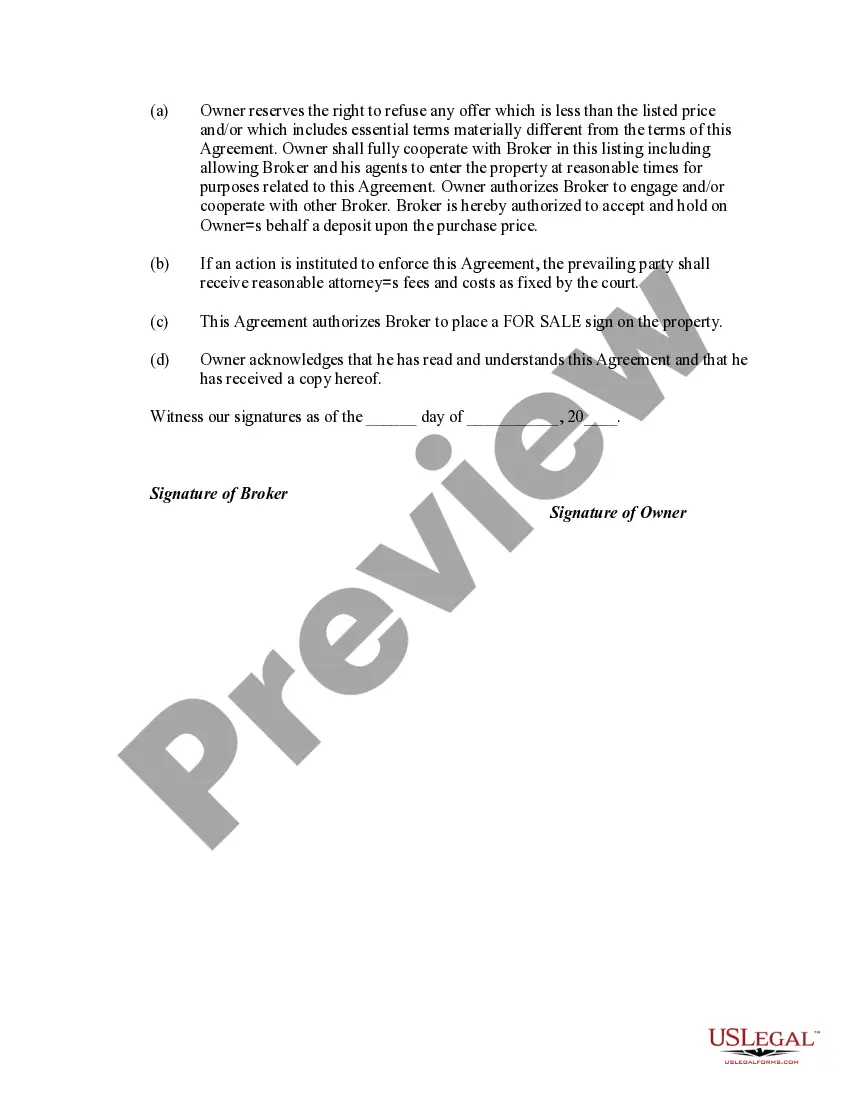

Get your form ready online
Our built-in tools help you complete, sign, share, and store your documents in one place.
Make edits, fill in missing information, and update formatting in US Legal Forms—just like you would in MS Word.
Download a copy, print it, send it by email, or mail it via USPS—whatever works best for your next step.
Sign and collect signatures with our SignNow integration. Send to multiple recipients, set reminders, and more. Go Premium to unlock E-Sign.
If this form requires notarization, complete it online through a secure video call—no need to meet a notary in person or wait for an appointment.
We protect your documents and personal data by following strict security and privacy standards.

Make edits, fill in missing information, and update formatting in US Legal Forms—just like you would in MS Word.

Download a copy, print it, send it by email, or mail it via USPS—whatever works best for your next step.

Sign and collect signatures with our SignNow integration. Send to multiple recipients, set reminders, and more. Go Premium to unlock E-Sign.

If this form requires notarization, complete it online through a secure video call—no need to meet a notary in person or wait for an appointment.

We protect your documents and personal data by following strict security and privacy standards.
Looking for another form?
Form popularity
FAQ
The right of a property owner to use, maintain, develop, and improve his or her property for personal use or for the use of any other person, subject to state law and local ordinances. The right of the property owner to privacy and to exclude others from the property to protect the owner's possessions and property.
On August 17, 2024, Realtors that represent Sellers are no longer required to offer commission to the Buyer's Agents. As a result, Buyers will have to sign a separate agreement with a Realtor.
What are the Tenant's Rights When the Landlord Sells the Property? Generally, the landlord owns the home and can sell the property any time they want. From the tenant's perspective, they have the right to live in the property, even if there is a new owner, for as long as the lease is still in effect.
When an individual continuously occupies a property for seven consecutive years, lacking any legal document to support a claim to the land's title, they may establish adverse possession by filing a return with the county appraisers within one year of entry onto the property, and paying all taxes and liens assessed ...
Florida's new anti-squatter law (HB 621), effective July 1, 2024, allows property owners to remove squatters without a formal eviction by filing a law enforcement affidavit. This streamlines removal, preventing squatters from falsely claiming rights under adverse possession laws.
Florida law does not require buyers or sellers to obtain a real estate attorney for closing the sale of a home, but that doesn't mean you don't need one. Instead, you should consider a real estate closing lawyer to represent your interests in a home buying transaction and protect your rights.
The personal representative of a Florida estate can sell real property during probate administration.
You must have owned the home for at least 2 out of the past 5 years; You must have lived in the house for at least 2 years (cumulatively) out of the last 5 years (this time does not have to be consecutive as long as it adds up to 2 years);
Unlicensed Practice of Real Estate is a Third Degree Felony in Florida. Under Florida Statute 475.42(1)(a), the crime of Unlicensed Practice of Real Estate is committed when a person engages in real estate activities listed under Florida Statute 475.01(1)(a) without a real estate license for compensation.
