Boundary Lines In India In Travis
Description


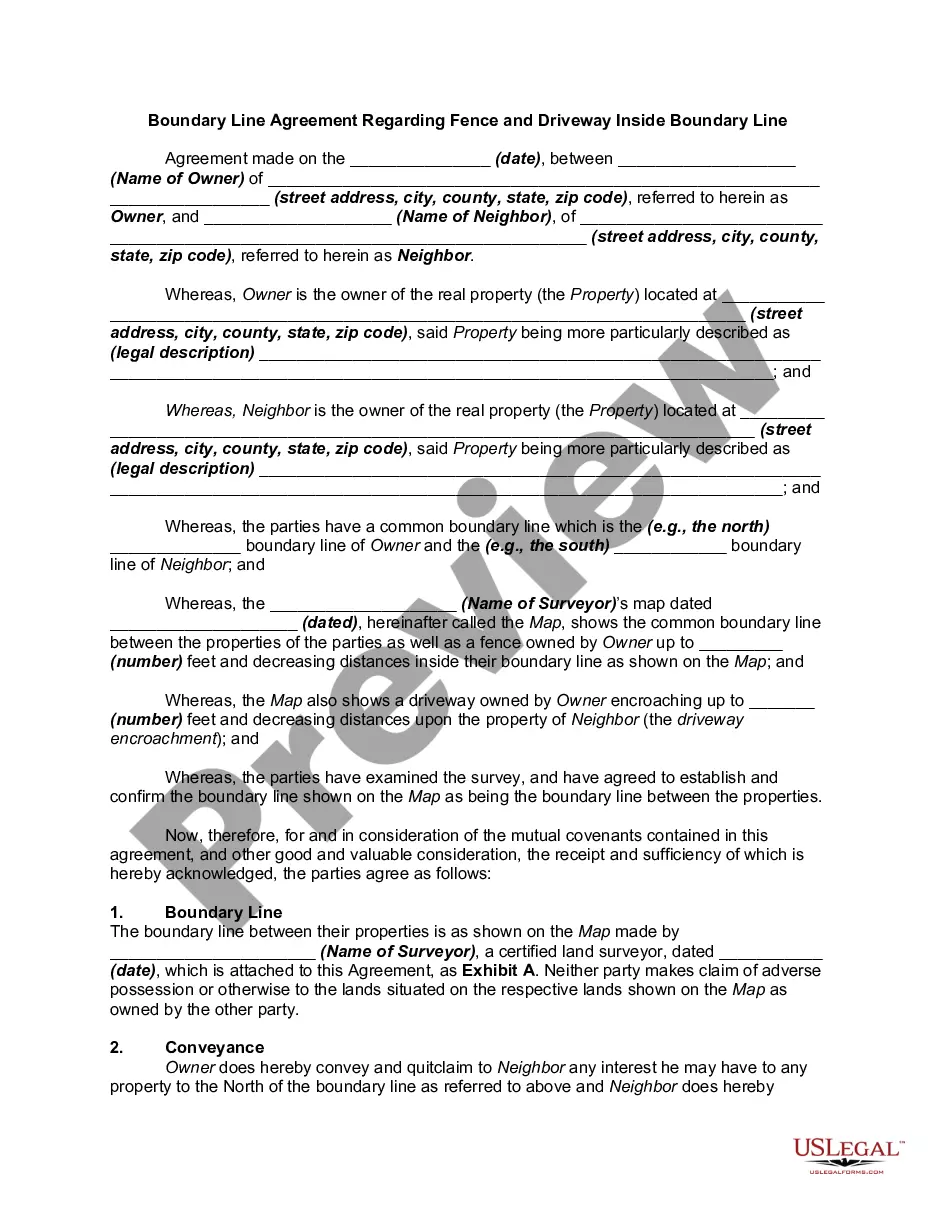
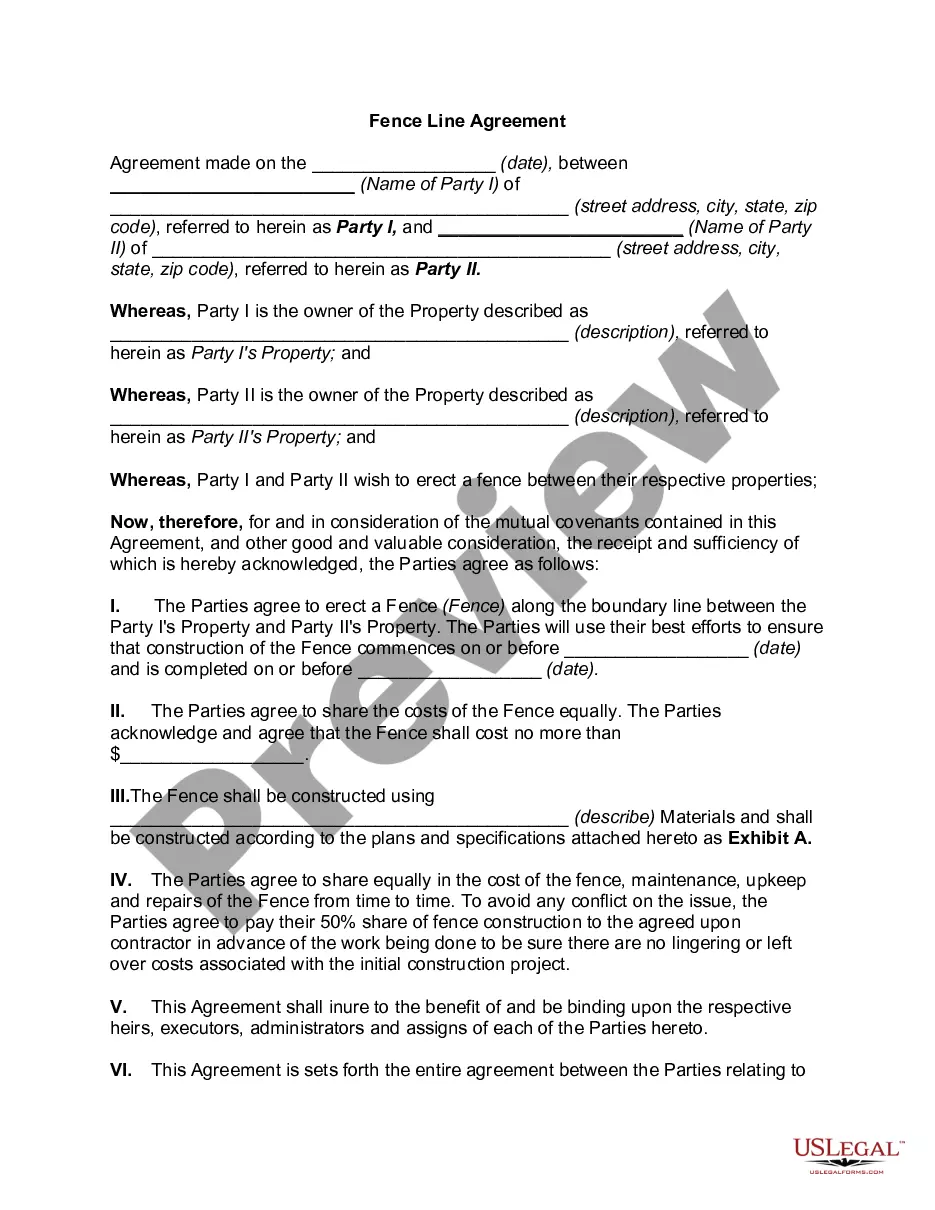
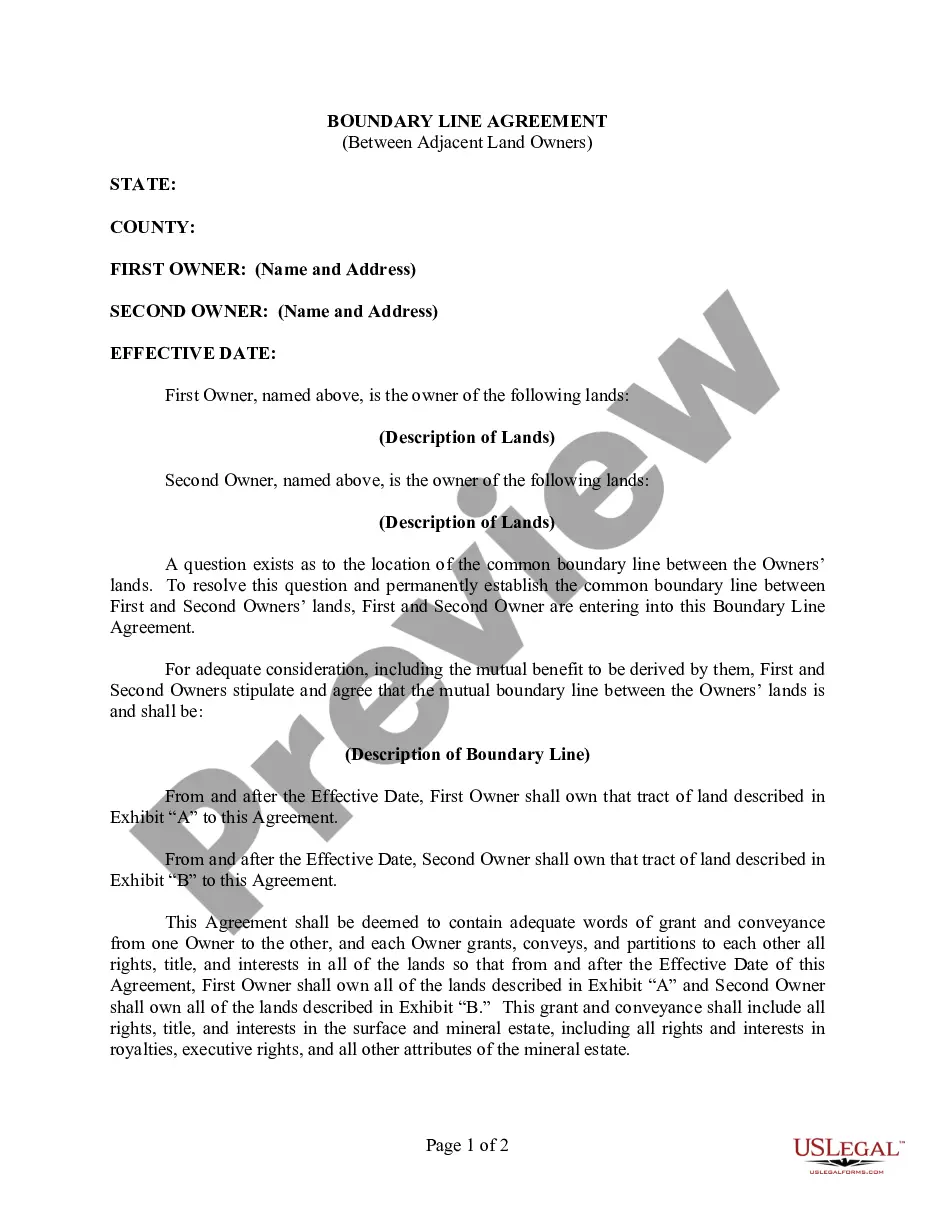
Get your form ready online
Our built-in tools help you complete, sign, share, and store your documents in one place.
Make edits, fill in missing information, and update formatting in US Legal Forms—just like you would in MS Word.
Download a copy, print it, send it by email, or mail it via USPS—whatever works best for your next step.
Sign and collect signatures with our SignNow integration. Send to multiple recipients, set reminders, and more. Go Premium to unlock E-Sign.
If this form requires notarization, complete it online through a secure video call—no need to meet a notary in person or wait for an appointment.
We protect your documents and personal data by following strict security and privacy standards.

Make edits, fill in missing information, and update formatting in US Legal Forms—just like you would in MS Word.

Download a copy, print it, send it by email, or mail it via USPS—whatever works best for your next step.

Sign and collect signatures with our SignNow integration. Send to multiple recipients, set reminders, and more. Go Premium to unlock E-Sign.

If this form requires notarization, complete it online through a secure video call—no need to meet a notary in person or wait for an appointment.

We protect your documents and personal data by following strict security and privacy standards.
Looking for another form?









Form popularity
FAQ
India shares land borders with Bhutan, desh, China, Afghanistan, Myanmar, Nepal, and Pakistan. India's international boundaries include the McMahon Line, Radcliffe Line, Durand Line, Line of Actual Control (LAC), and Line of Control (LOC).
The McMahon Line named after Sir Henry McMahon is the effective boundary between China and India. It runs from the eastern border of Bhutan along the crest of the Himalayas until it reaches the great bend in the Brahmaputra River where that river emerges from its Tibetan course into the Assam Valley.
Germany has borders with nine neighbouring countries. While borders imply challenges, they also offer opportunities for cross-border cooperation.
Answer: India shares borders with nine nations; two are sea borders, and the other seven are land borders. Answer: Afghanistan, desh, Bhutan, China, Maldives, Myanmar, Nepal, Pakistan, and Sri Lanka are India's neighbours.
Answer: A total of nine countries are known to border India. These are Pakistan, Afghanistan, Bhutan, Nepal, Myanmar, China, Maldives, Thailand, and Sri Lanka.
Answer: India shares borders with nine nations; two are sea borders, and the other seven are land borders. Answer: Afghanistan, desh, Bhutan, China, Maldives, Myanmar, Nepal, Pakistan, and Sri Lanka are India's neighbours.
In that case, you can file suit for declaration and injunction in civil court in order to restrain your neighbour from breaking the compound wall. If he destroy the wall, act of mischief and criminal offense. Without court order, his any action will be criminal offense.
India has a land boundary of about 15,200 km and the total length of the coastline of the mainland including Andaman and Nicobar and Lakshadweep is 7,516.6 km.
The Indian discovery of the road and objection to the Chinese presence in the sector was one of the factors leading to sharp border clashes between the two countries in 1962. At the conclusion of the conflict, China retained control of about 14,700 square miles (38,000 square km) of territory in Aksai Chin.
Johnson's Line and McDonald's Line were two proposed frontiers between India and China during the British era of administration in India. Johnson's line places Aksai Chin under Indian administration in what was once Jammu and Kashmir (now Ladakh). The McDonald Line, proposed in 1893 brought it under Chinese control.
