Indian Boundary Line With Other Countries In San Antonio
Description


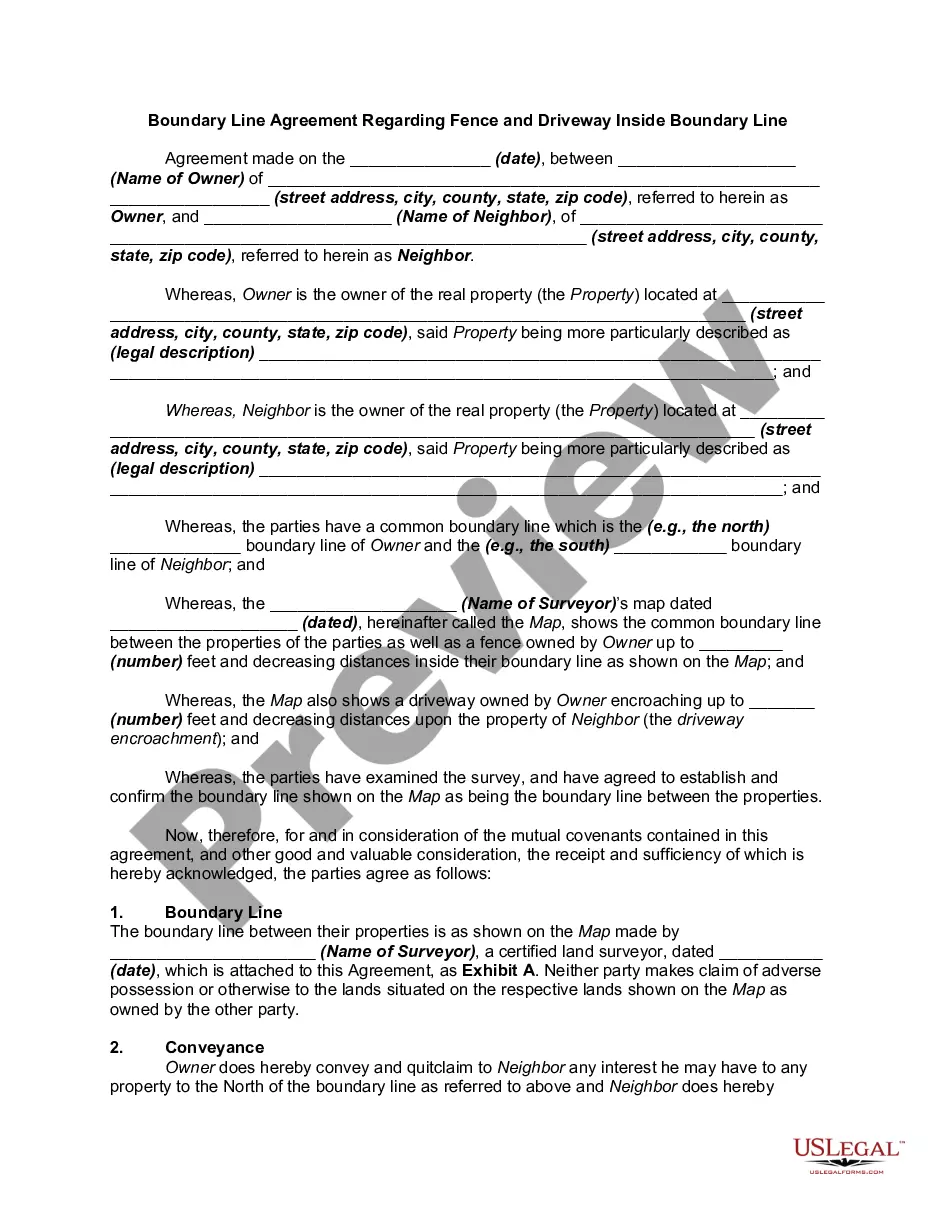
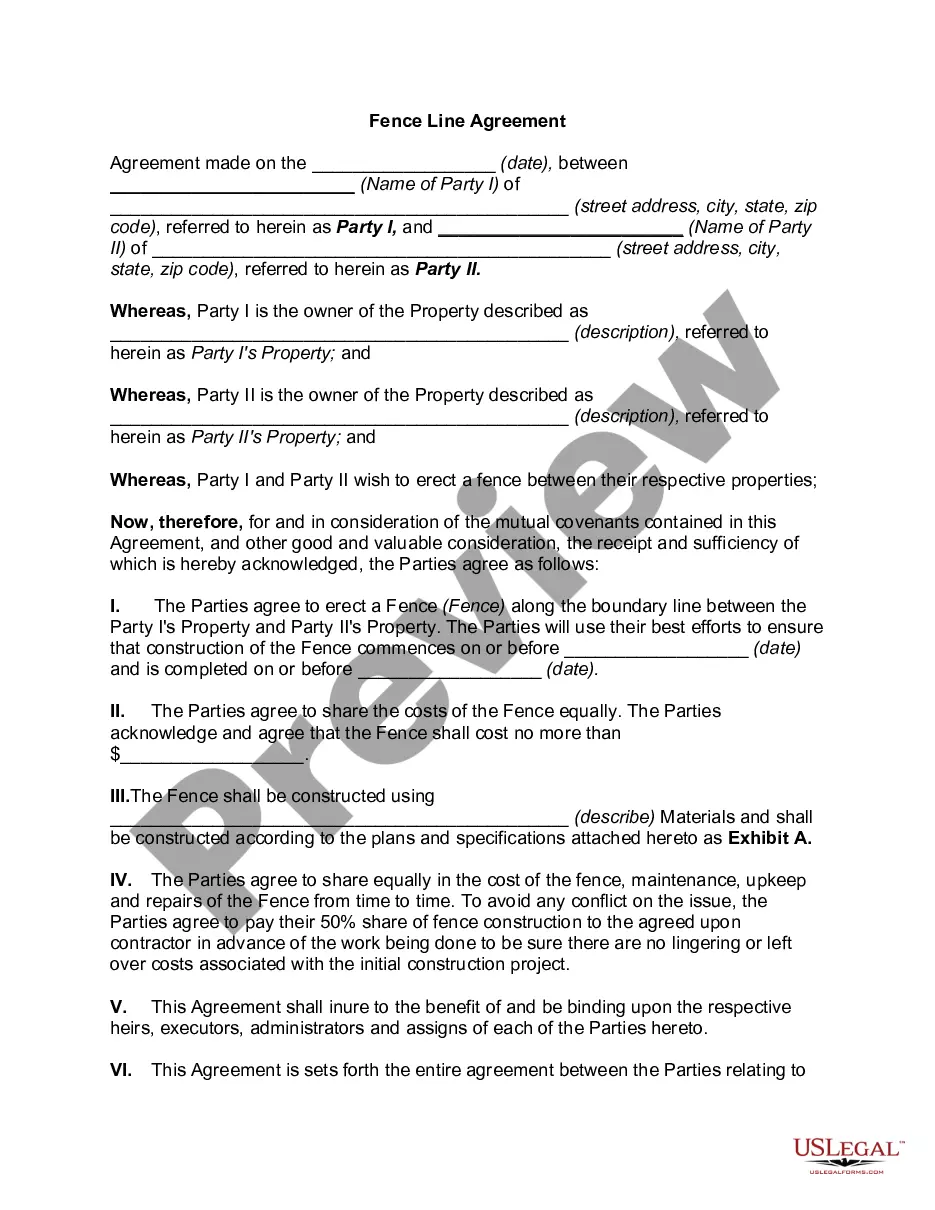
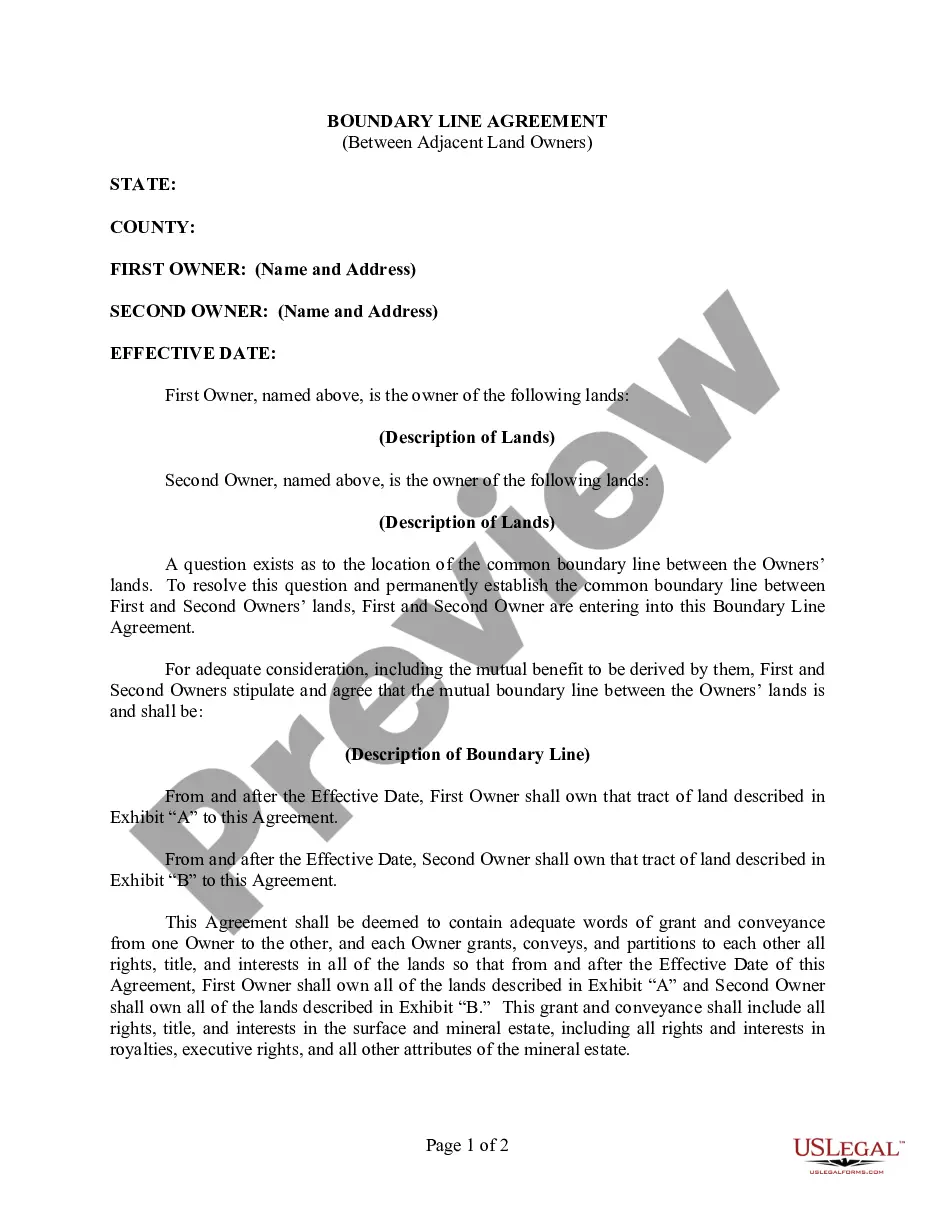
Get your form ready online
Our built-in tools help you complete, sign, share, and store your documents in one place.
Make edits, fill in missing information, and update formatting in US Legal Forms—just like you would in MS Word.
Download a copy, print it, send it by email, or mail it via USPS—whatever works best for your next step.
Sign and collect signatures with our SignNow integration. Send to multiple recipients, set reminders, and more. Go Premium to unlock E-Sign.
If this form requires notarization, complete it online through a secure video call—no need to meet a notary in person or wait for an appointment.
We protect your documents and personal data by following strict security and privacy standards.

Make edits, fill in missing information, and update formatting in US Legal Forms—just like you would in MS Word.

Download a copy, print it, send it by email, or mail it via USPS—whatever works best for your next step.

Sign and collect signatures with our SignNow integration. Send to multiple recipients, set reminders, and more. Go Premium to unlock E-Sign.

If this form requires notarization, complete it online through a secure video call—no need to meet a notary in person or wait for an appointment.

We protect your documents and personal data by following strict security and privacy standards.
Looking for another form?

Form popularity
FAQ
Ing to the 2019 American Community Survey, San Antonio had an estimated 88.4% White population, 6.6% Black and African American population, 0.2% American Indian and Alaska Native population, 2.8% Asian population, 0.1% Native Hawaiian and other Pacific Islander population, 0.2% other race, and 1.7% two or more ...
Table Population Hispanic or Latino, percent (b)(b) 64.4% White alone, not Hispanic or Latino, percent 23.3% Population Characteristics Veterans, 2019-2023 90,18457 more rows
The area now known as Bexar County has continued to be inhabited by Indigenous Peoples for over 14,000 years. Today, San Antonio is home to an estimated 30,000 Indigenous Peoples, representing 1.4% of the city's population. Members of the Coahuiltecan tribe are still fighting for representation and inclusion.
Only three federally recognized tribes still have reservations in Texas, the Alabama-Coushatta, Tigua, and Kickapoo. The state recognized Lipan Apache Tribe of Texas has its headquarters in McAllen. The Caddo, Comanche, and Tonkawa are officially headquartered in Oklahoma.
The Dallas–Fort Worth (DFW) area has one of the largest Indian American populations in the United States, comprising over 235,000 individuals, or roughly 3% of the metro area's total population.
New York City With over 700,000 Indo Americans, the New York City Metropolitan Area contains the largest metropolitan Asian Indian population in the Western Hemisphere.
The Tāp Pīlam Coahuiltecan Nation is a collective of affiliated bands and clans including not only the Payaya, but also Pacoa, Borrado, Pakawan, Paguame, Papanac, Hierbipiame, Xarame, Pajalat, and Tilijae Nations.
Laredo is the closest to SanAntonio, but it is also one of the least tourist-friendly cities in Mexico. It may take you several hours to cross the border back into the USA, and you will have to have a passport.
The United States is a country located in North America, bordering the Atlantic Ocean and Pacific Ocean. Neighboring countries are Canada and Mexico. The geography of the United States is varied, with mountains in the west, a broad central plain, and low mountains in the east.
India shares land borders with Bhutan, desh, China, Afghanistan, Myanmar, Nepal, and Pakistan. India's international boundaries include the McMahon Line, Radcliffe Line, Durand Line, Line of Actual Control (LAC), and Line of Control (LOC).
