Boundary Lines For My Property In North Carolina
Description

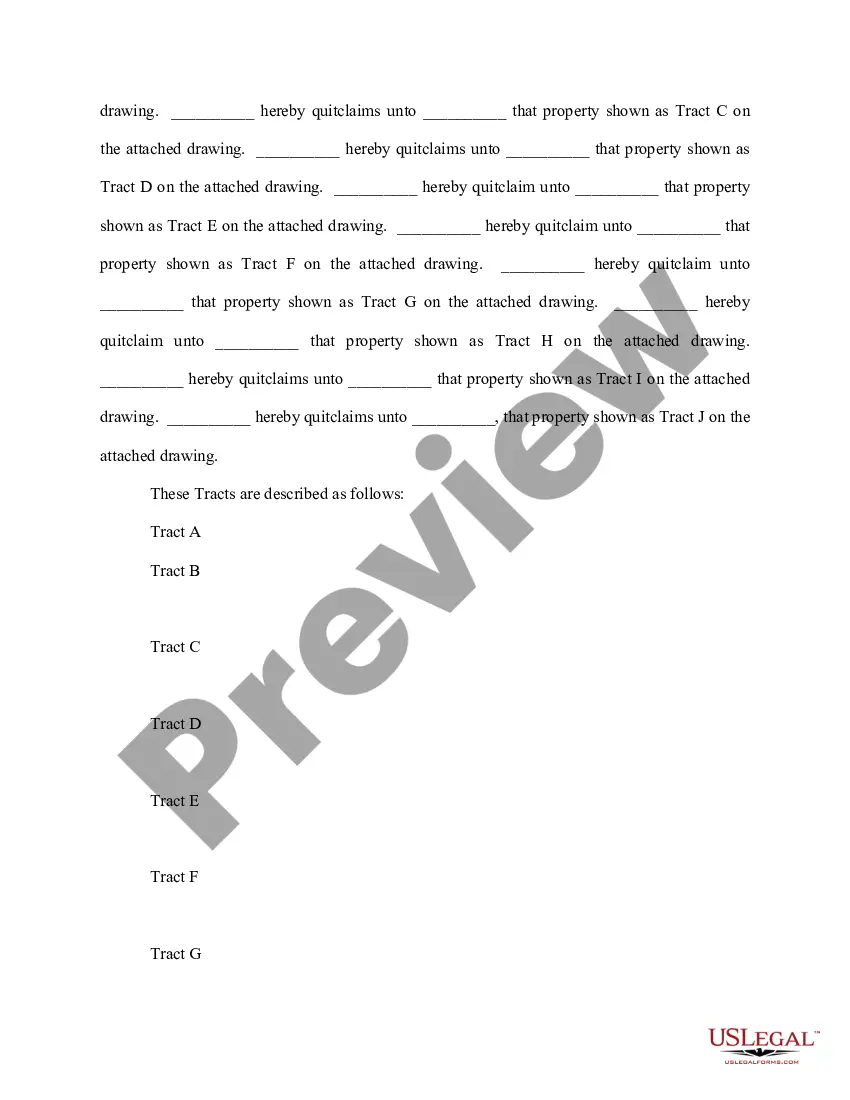
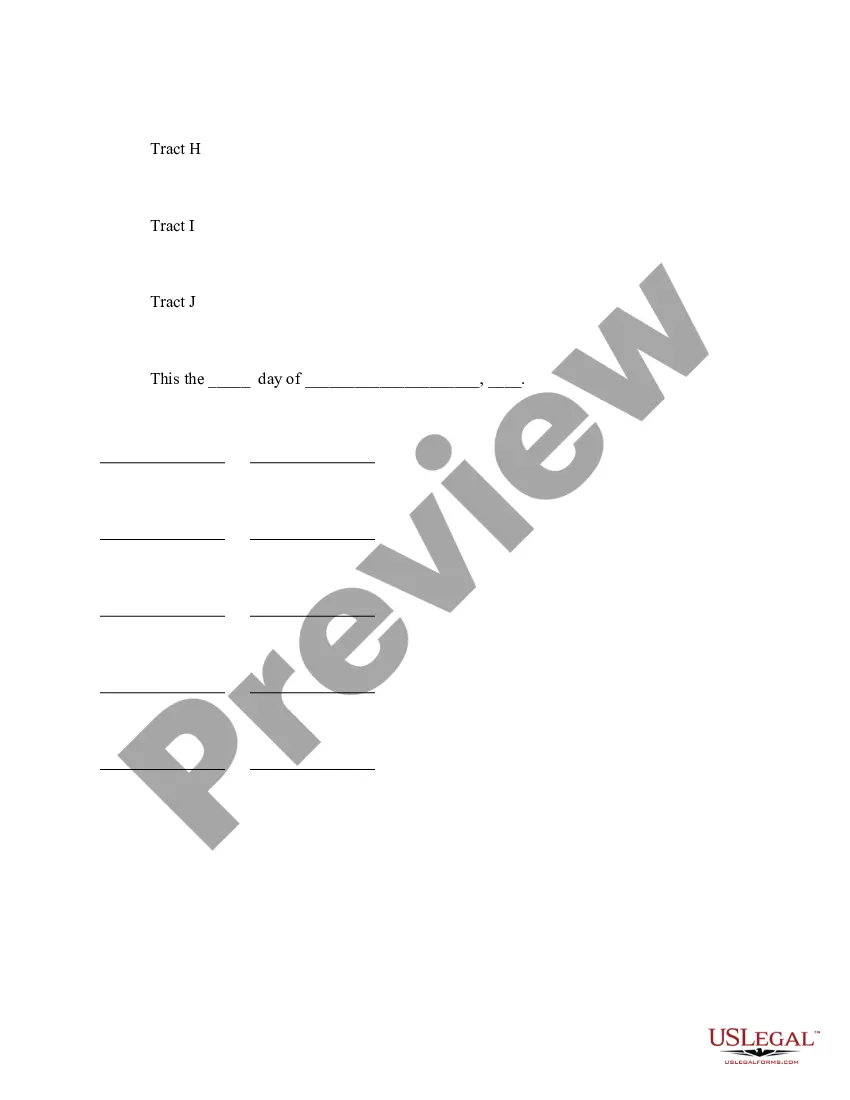

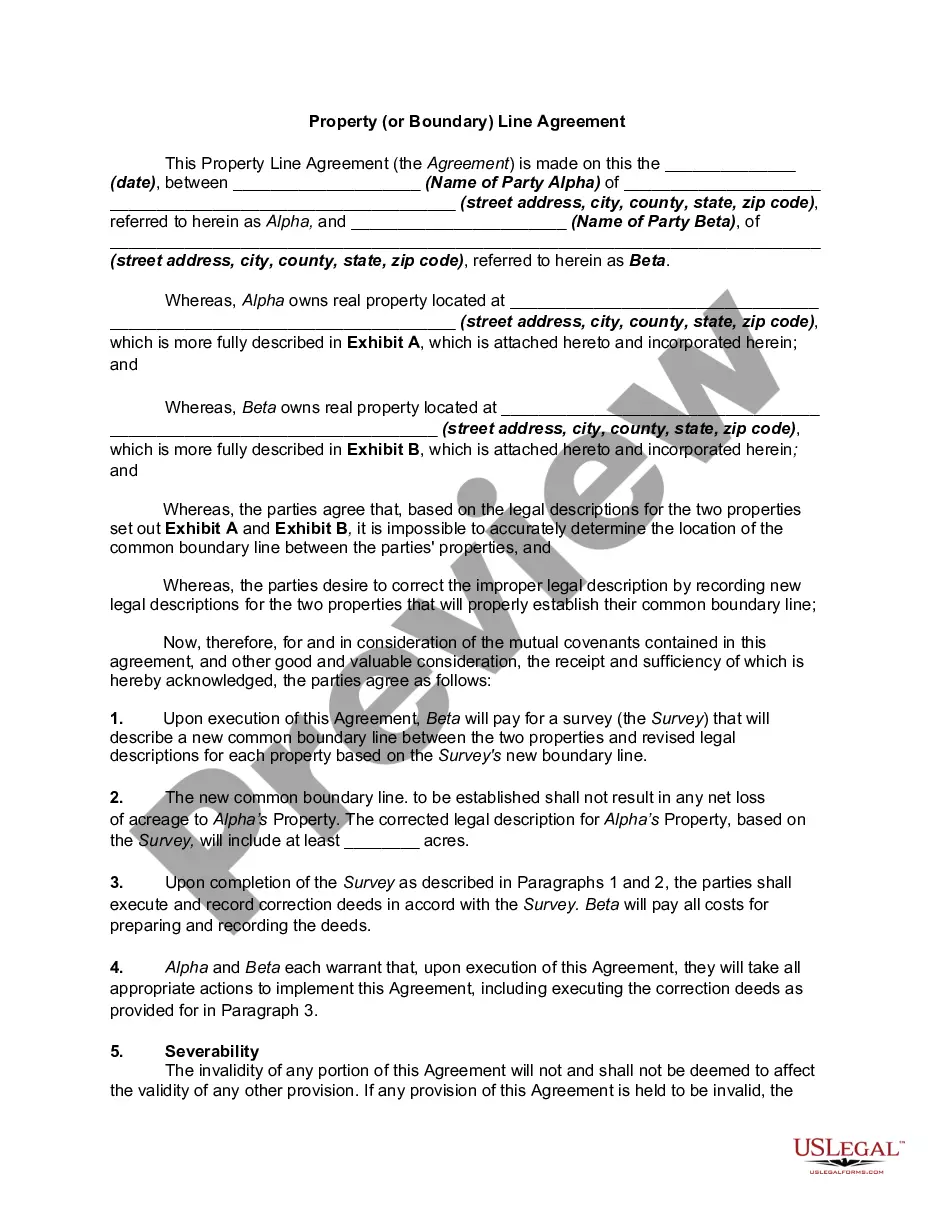
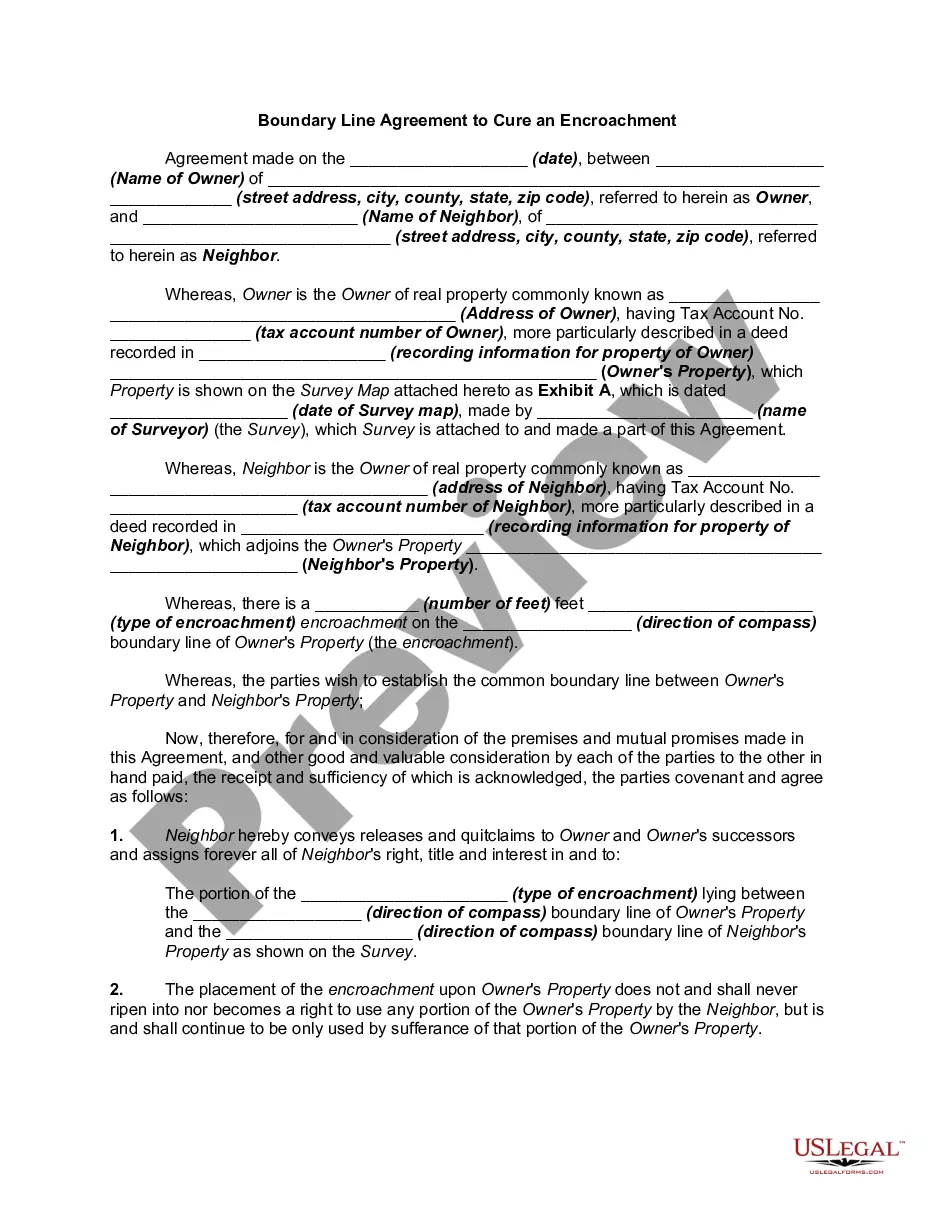
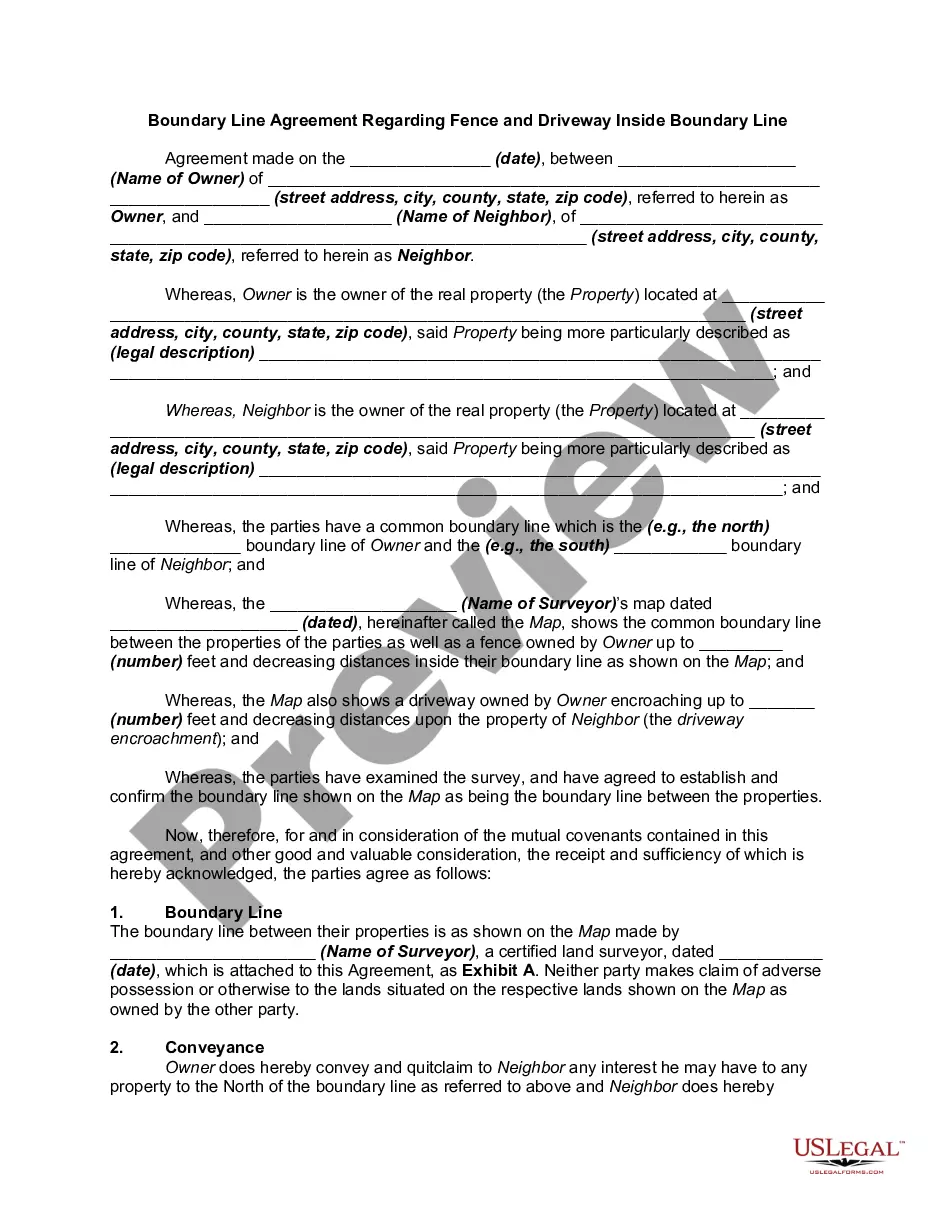
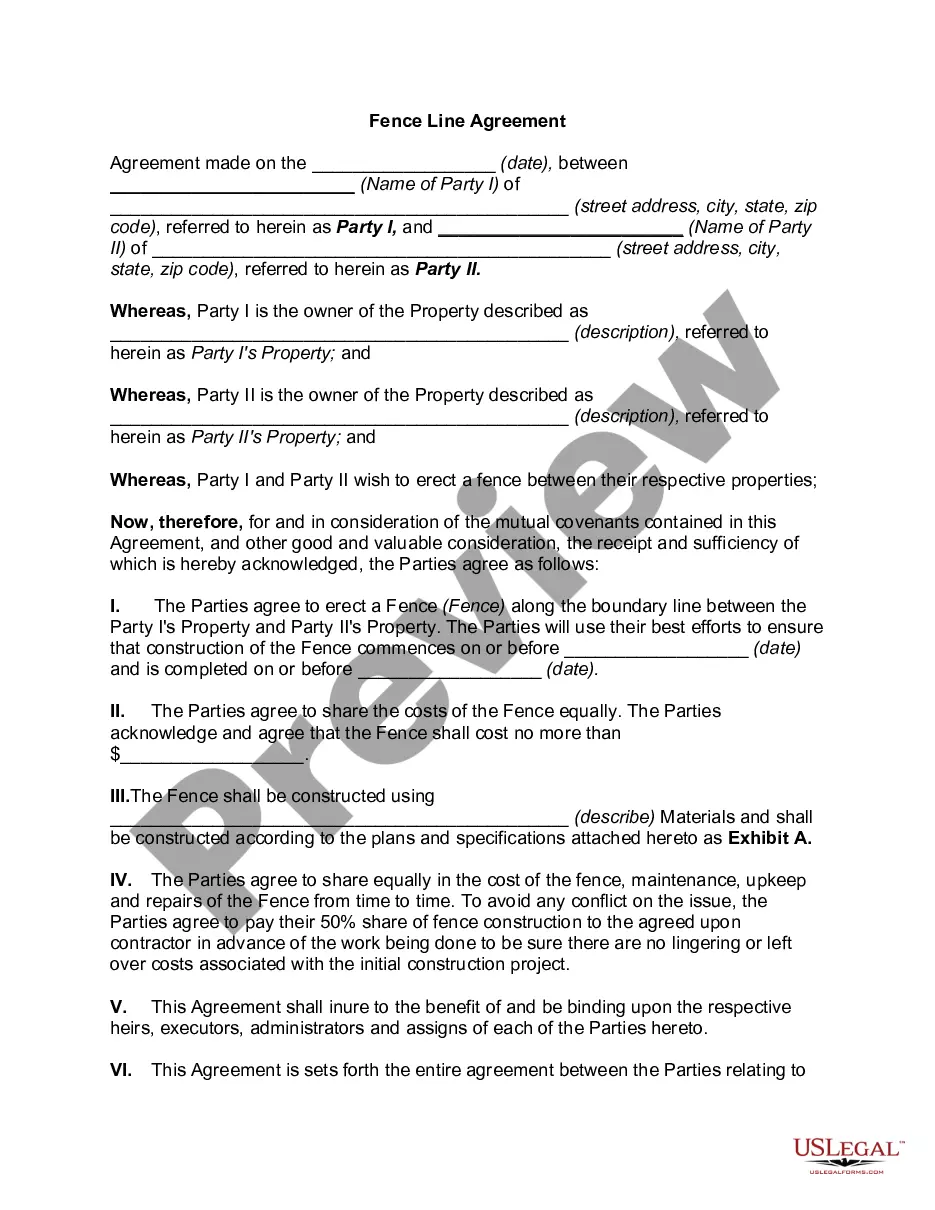
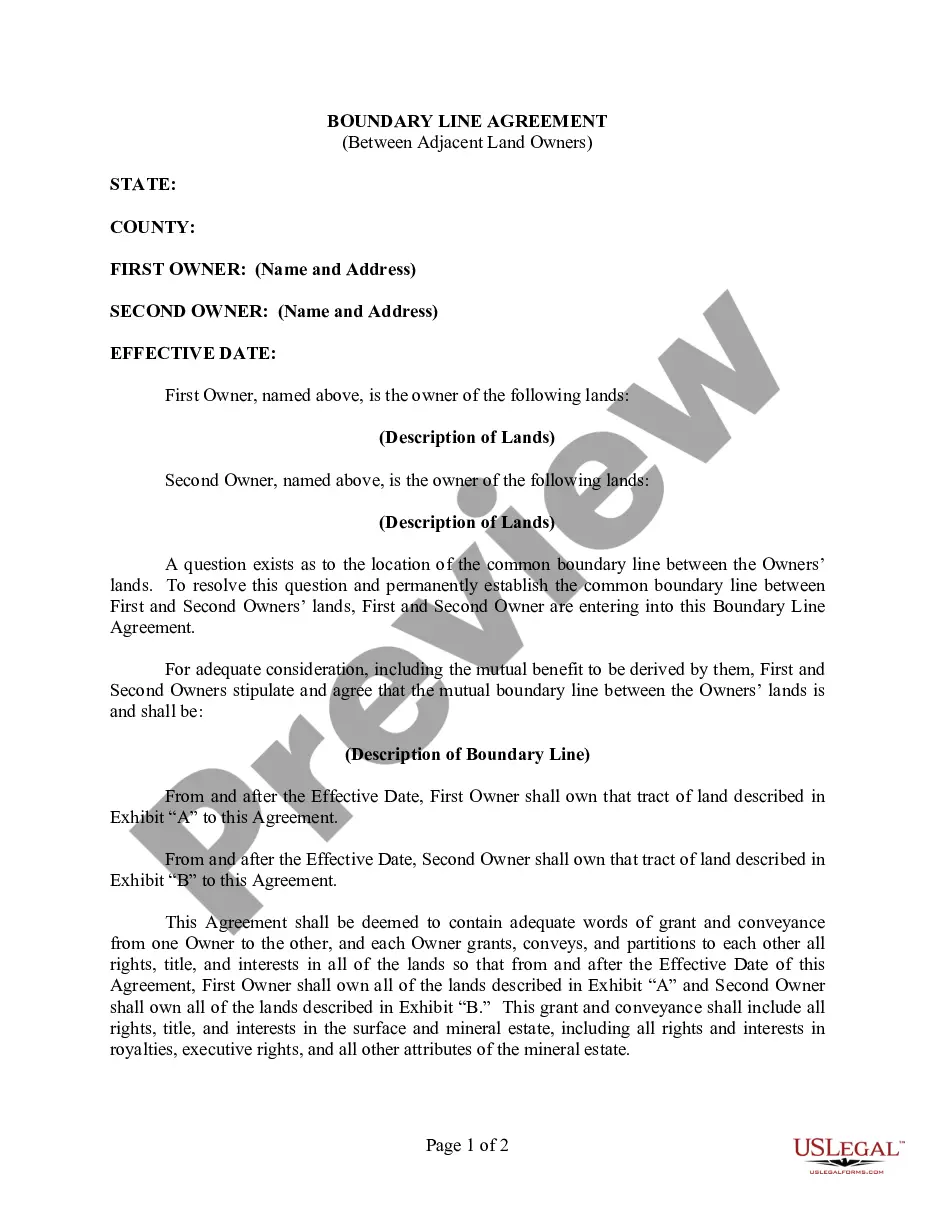
Get your form ready online
Our built-in tools help you complete, sign, share, and store your documents in one place.
Make edits, fill in missing information, and update formatting in US Legal Forms—just like you would in MS Word.
Download a copy, print it, send it by email, or mail it via USPS—whatever works best for your next step.
Sign and collect signatures with our SignNow integration. Send to multiple recipients, set reminders, and more. Go Premium to unlock E-Sign.
If this form requires notarization, complete it online through a secure video call—no need to meet a notary in person or wait for an appointment.
We protect your documents and personal data by following strict security and privacy standards.

Make edits, fill in missing information, and update formatting in US Legal Forms—just like you would in MS Word.

Download a copy, print it, send it by email, or mail it via USPS—whatever works best for your next step.

Sign and collect signatures with our SignNow integration. Send to multiple recipients, set reminders, and more. Go Premium to unlock E-Sign.

If this form requires notarization, complete it online through a secure video call—no need to meet a notary in person or wait for an appointment.

We protect your documents and personal data by following strict security and privacy standards.
Looking for another form?








Form popularity
FAQ
No fence can be higher than 8 feet unless it is at least 15 feet away from all property lines or complies with principal building setbacks.
North Carolina borders the Atlantic Ocean to the east, Virginia to the north, Tennessee to the west, and Georgia and South Carolina to the south.
Boundaries. § 38-1. Special proceeding to establish. The owner of land, any of whose boundary lines are in dispute, may establish any of such lines by special proceedings in the superior court of the county in which the land or any part thereof is situated.
You can request a surveying record from your local building department. Alternatively, you can request a certified copy from your land recorder's office. Some owners choose to share land surveys with tax attorneys and authorities.
For instance, no fence can be higher than 8 feet unless it is at least 15 feet away from all property lines or complies with principal building setbacks. This rule is designed to ensure visibility at intersections for the safety of motorists and pedestrians.
For instance, no fence can be higher than 8 feet unless it is at least 15 feet away from all property lines or complies with principal building setbacks. This rule is designed to ensure visibility at intersections for the safety of motorists and pedestrians.
How to handle property line disputes and encroachments Talk to your neighbor. The first step in handling property line encroachments is to initiate open and respectful communication with your neighbor. Use documentation as proof. Send a Cease and Desist Letter. Get a new property survey. Hire a lawyer.
