Boundary Lines For My Property In Montgomery
Description


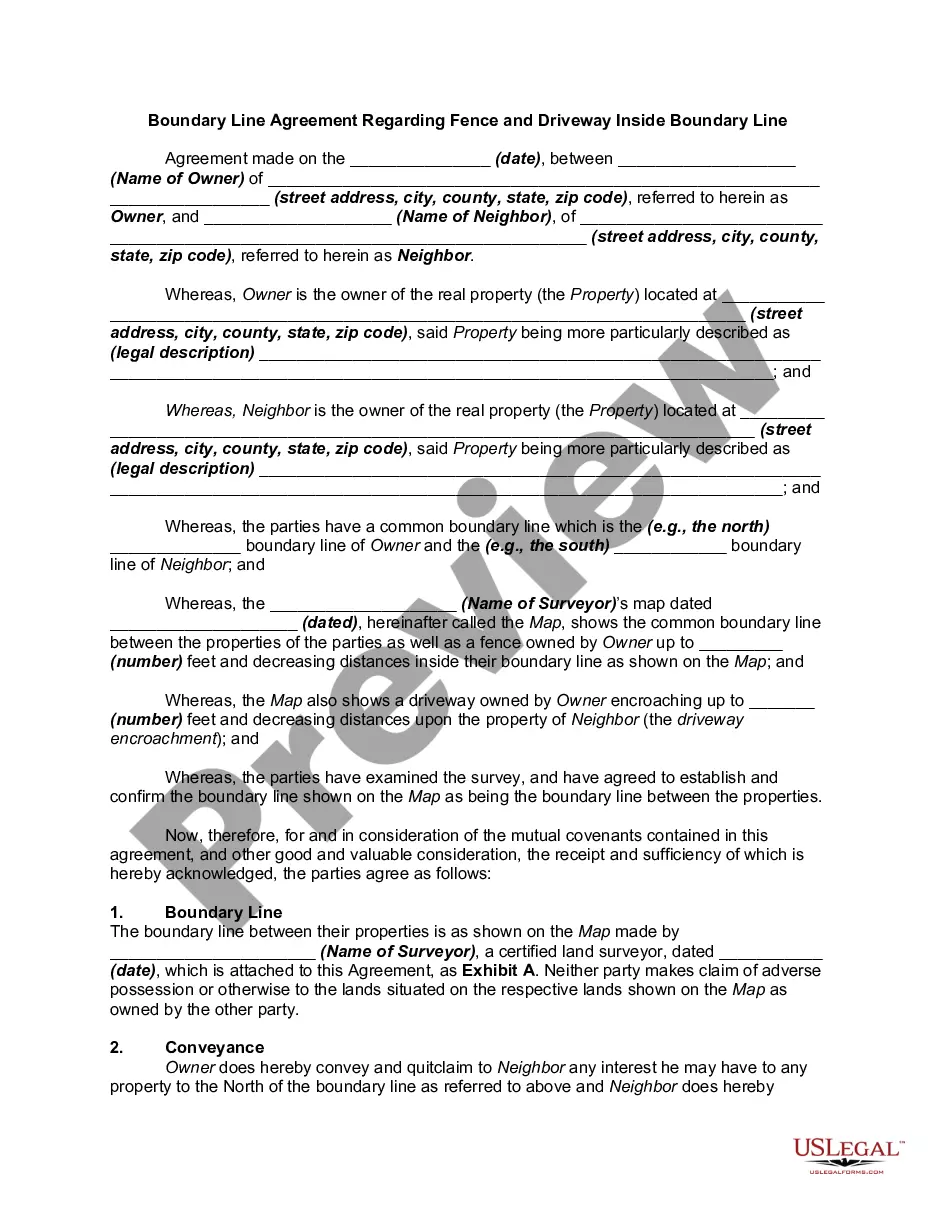
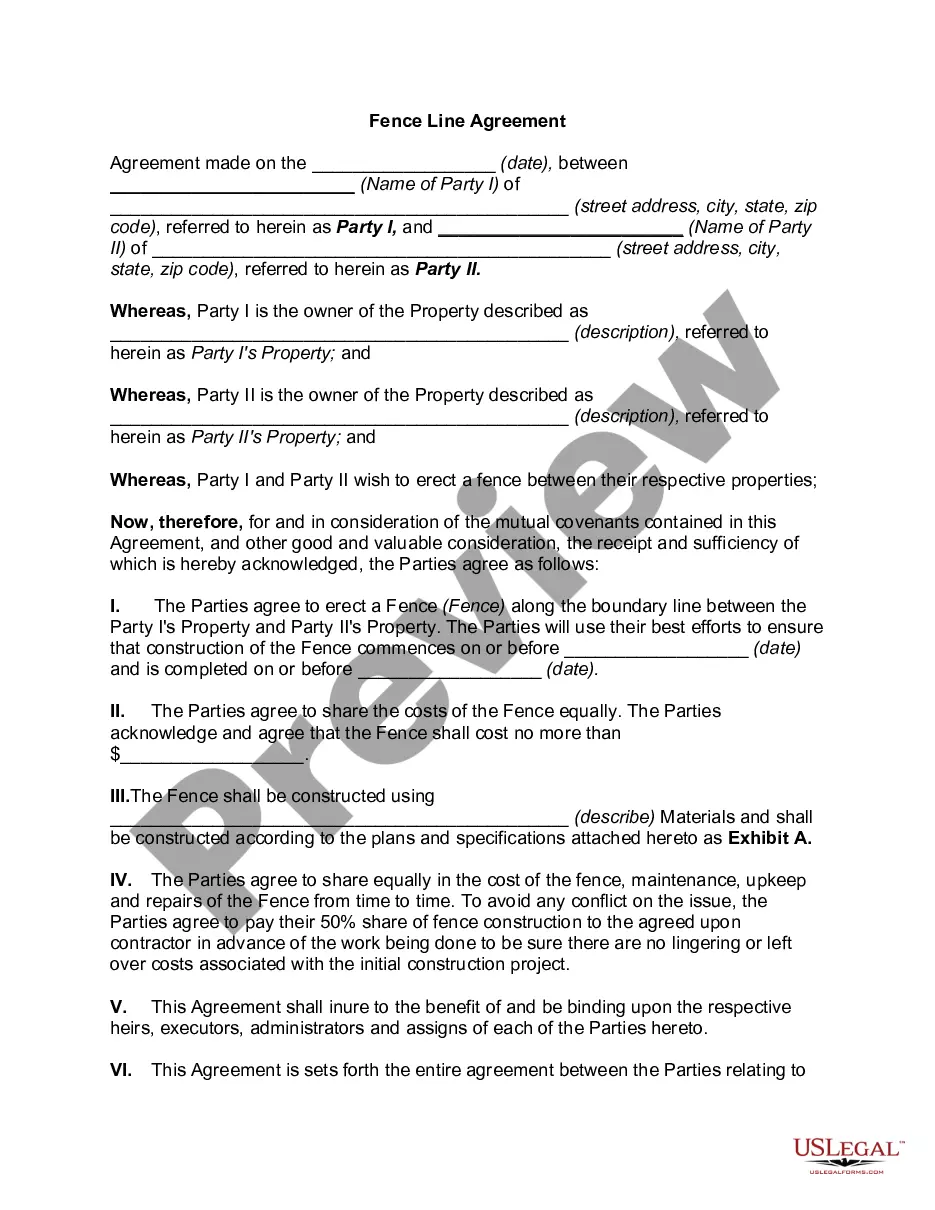
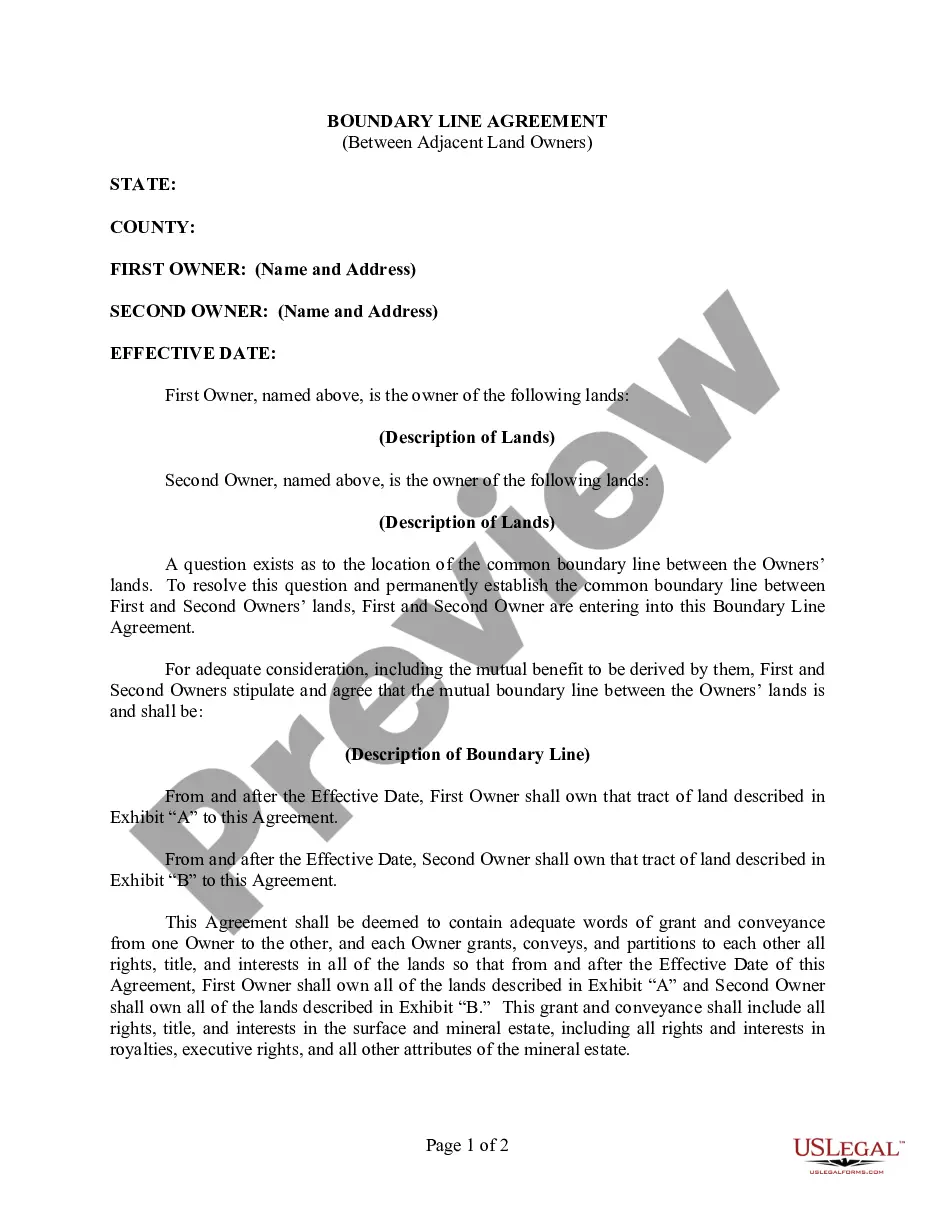
Get your form ready online
Our built-in tools help you complete, sign, share, and store your documents in one place.
Make edits, fill in missing information, and update formatting in US Legal Forms—just like you would in MS Word.
Download a copy, print it, send it by email, or mail it via USPS—whatever works best for your next step.
Sign and collect signatures with our SignNow integration. Send to multiple recipients, set reminders, and more. Go Premium to unlock E-Sign.
If this form requires notarization, complete it online through a secure video call—no need to meet a notary in person or wait for an appointment.
We protect your documents and personal data by following strict security and privacy standards.

Make edits, fill in missing information, and update formatting in US Legal Forms—just like you would in MS Word.

Download a copy, print it, send it by email, or mail it via USPS—whatever works best for your next step.

Sign and collect signatures with our SignNow integration. Send to multiple recipients, set reminders, and more. Go Premium to unlock E-Sign.

If this form requires notarization, complete it online through a secure video call—no need to meet a notary in person or wait for an appointment.

We protect your documents and personal data by following strict security and privacy standards.
Looking for another form?










Form popularity
FAQ
Subdivision record plats showing property lines and dimensions can be obtained from a variety of sources: PLATS—Subdivision record plats can be printed or downloaded from this online repository maintained by the Maryland State Archives. Land Records Department, County Clerk's Office, Rockville.
Section 3 ordinances require a 30' setback from any front property line. Please note that Montgomery County requires a 25' setback or the Established Building Line (EBL), whichever is greater.
If a plat for a property is needed, contact the local Land Records office where the property is located. Plats are also available online through the Maryland State Archives at .plats. Property maps provided courtesy of the Maryland Department of Planning.
Hire a licensed land surveyor The most accurate way to know where your land begins and ends is to hire a surveyor to determine your property lines. The property surveyor will first check county records to understand the history of the lot.
The deed must have a Certification of Preparation. The attorney who prepared the document or one of the parties named in the instrument must sign the Certificate. The grantors (sellers) must sign the deed, which should be acknowledged before a Notary Public. The parcel ID# must be typed or printed on the deed.
You can start with the recent sales of the property by searching on an address using the SDAT's website (State Department of Assessments and Taxation). Follow the instructions to find the current owner of any property. The page will usually refer you to a few previous sales under “Transfer Information.”
Rivers, mountain ranges, oceans, and deserts can all serve as physical boundaries. Many times, political boundaries between countries or states form along physical boundaries. For example, the boundary between France and Spain follows the peaks of the Pyrenees Mountains, while the Alps separate France from Italy.
A relevant boundary is 'the boundary or notional boundary that one side of the building faces and/or coincides with, and that is parallel or at an angle of a maximum of 80 degrees to that side of the building. ' A notional boundary is: 'a boundary presumed to exist between two buildings on the same site. '
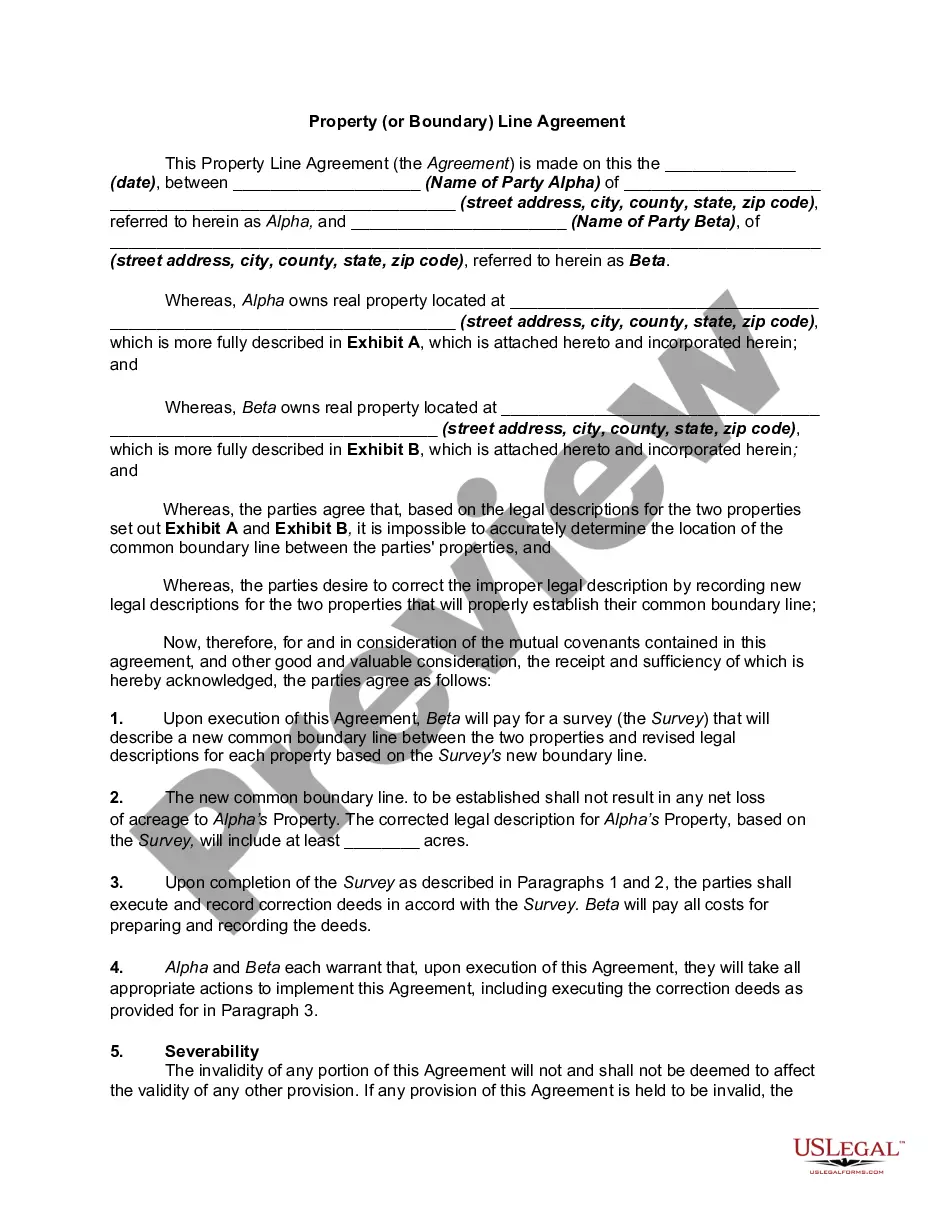
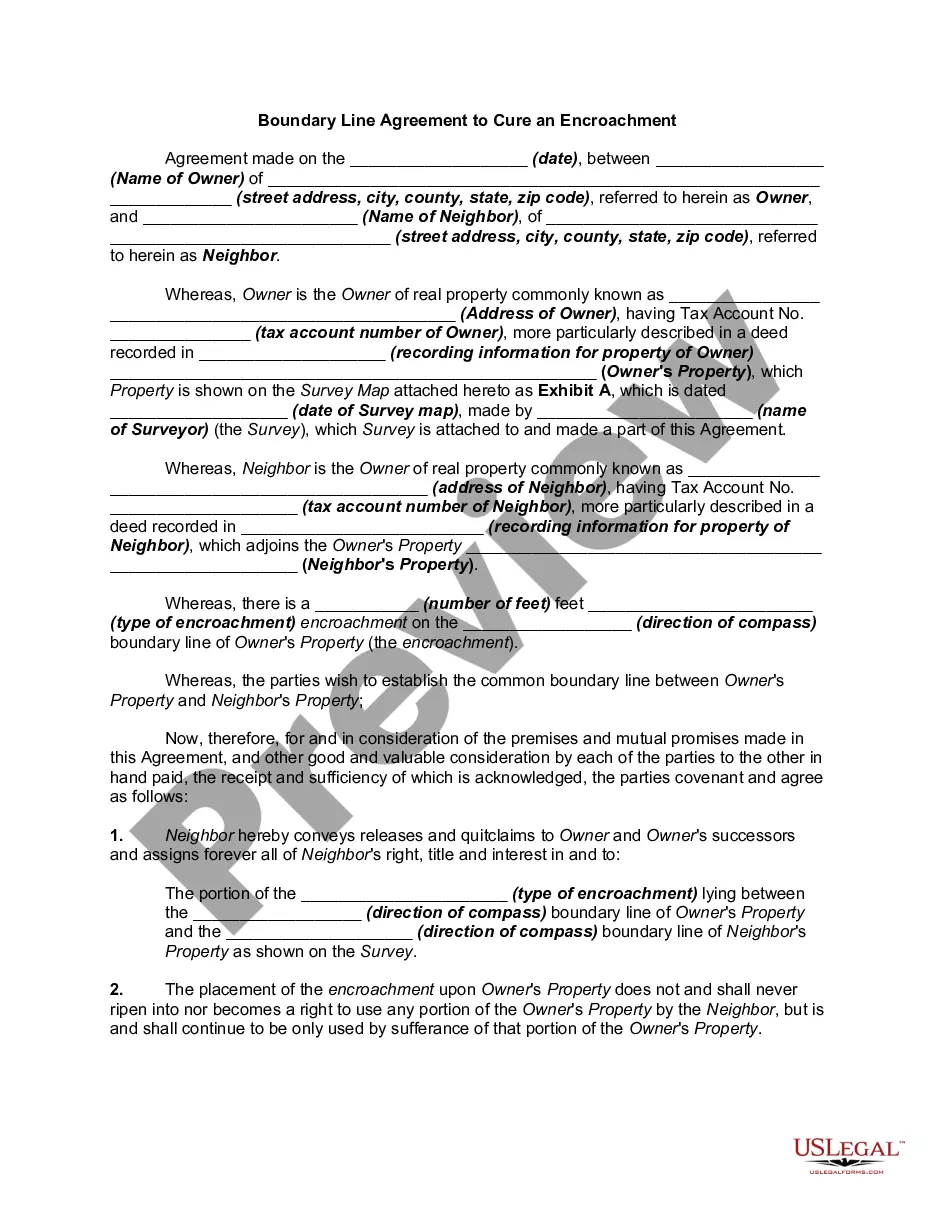
A boundary line is a line along which two areas meet. A boundary line between privately owned parcels of land is usually termed a property line. A boundary line between political entities (such as counties, states, or countries) is usually termed a political boundary.
