Border Lines With In Middlesex
Description

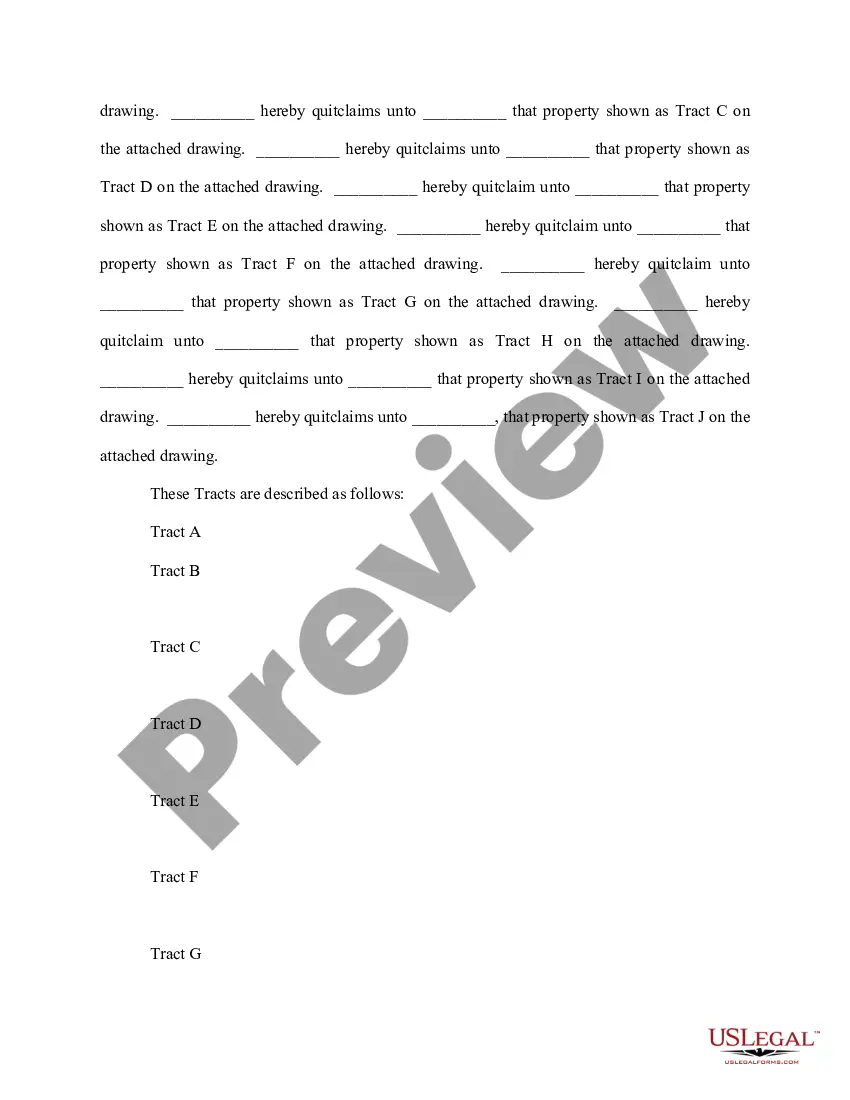

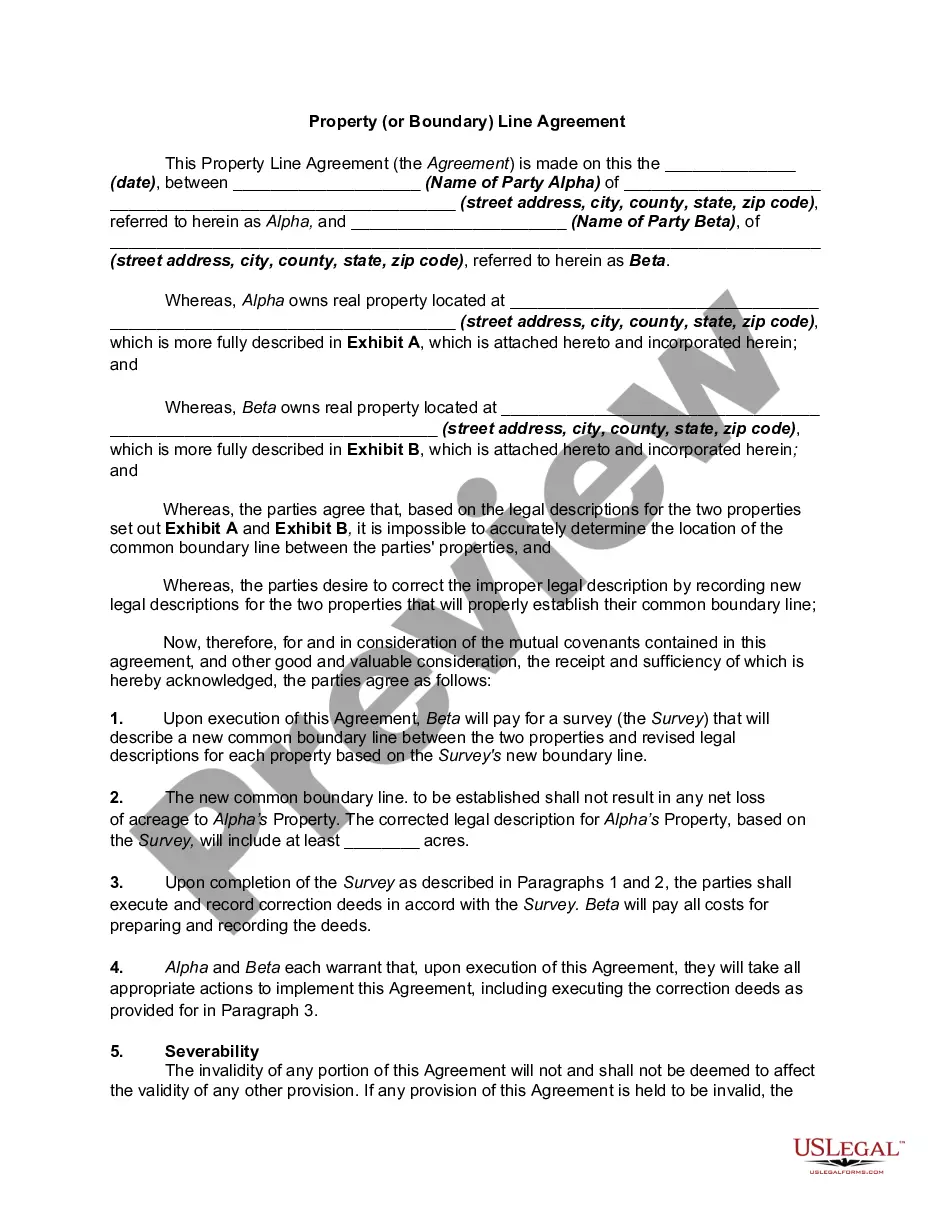
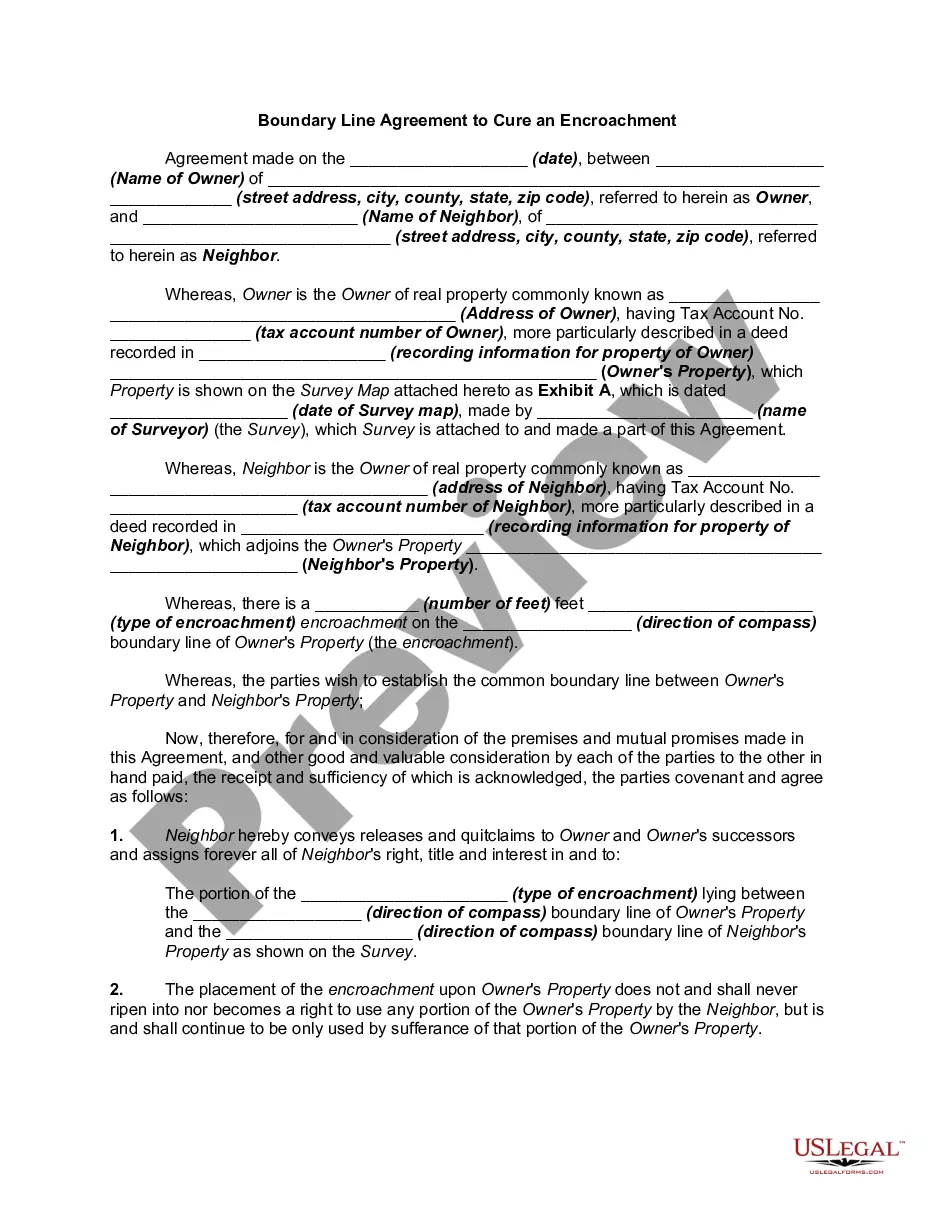
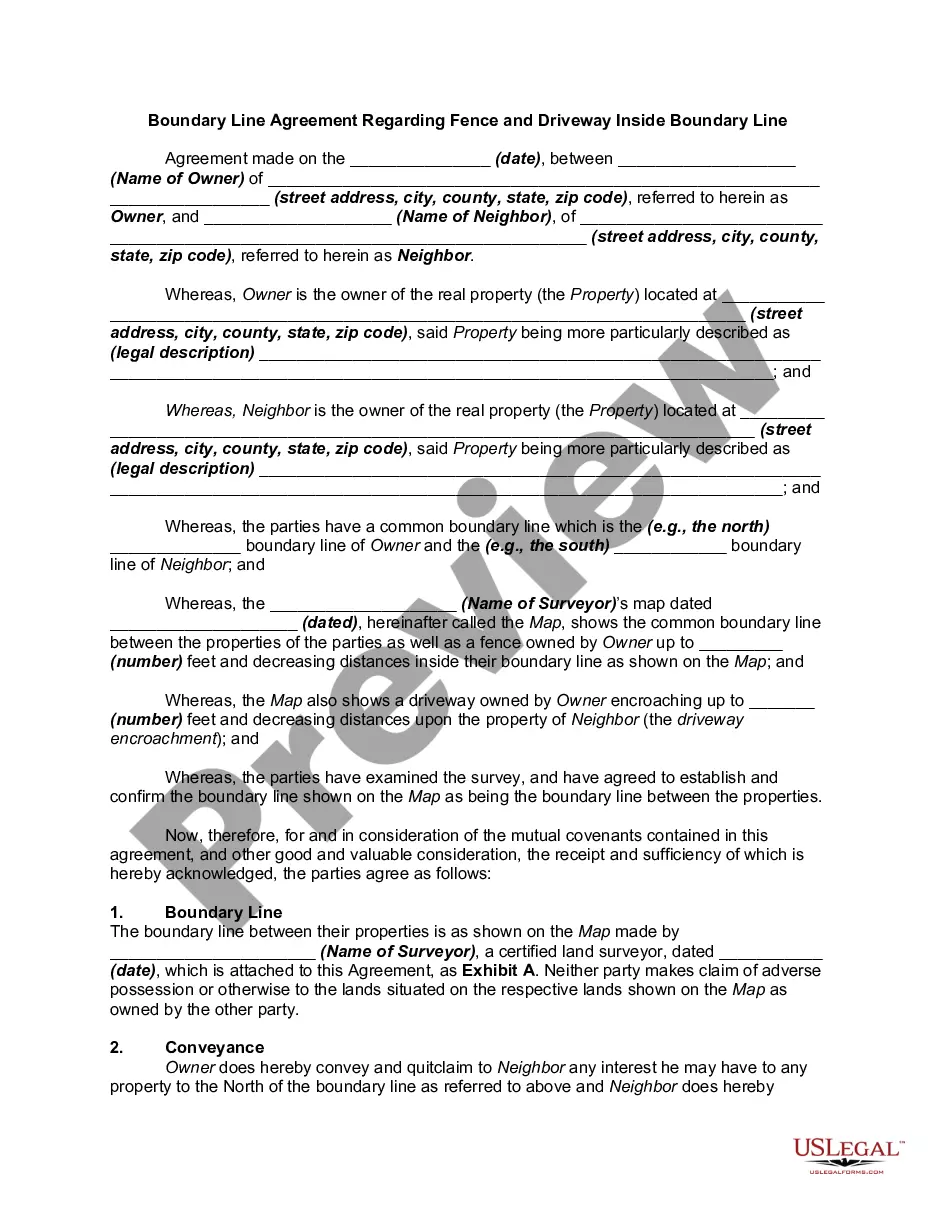
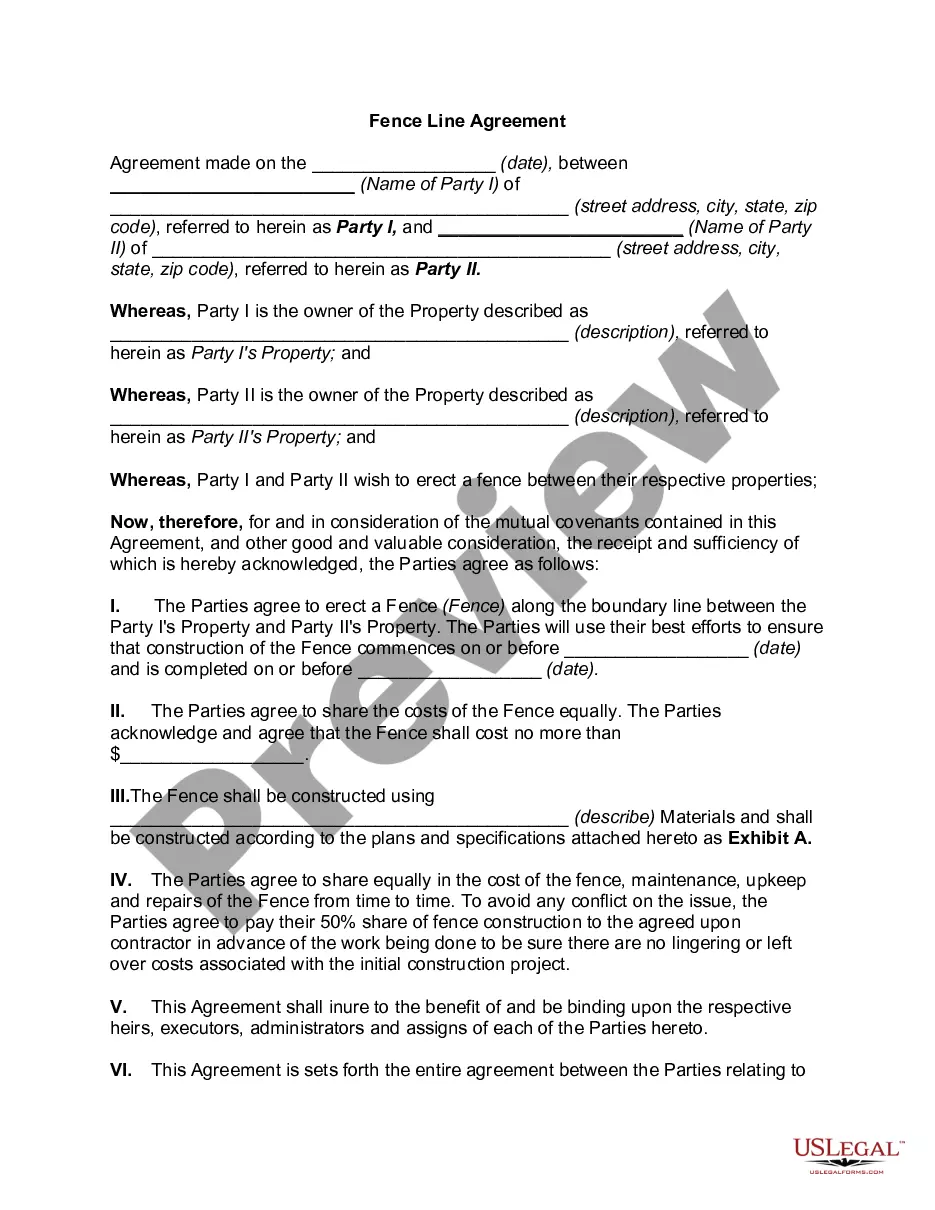
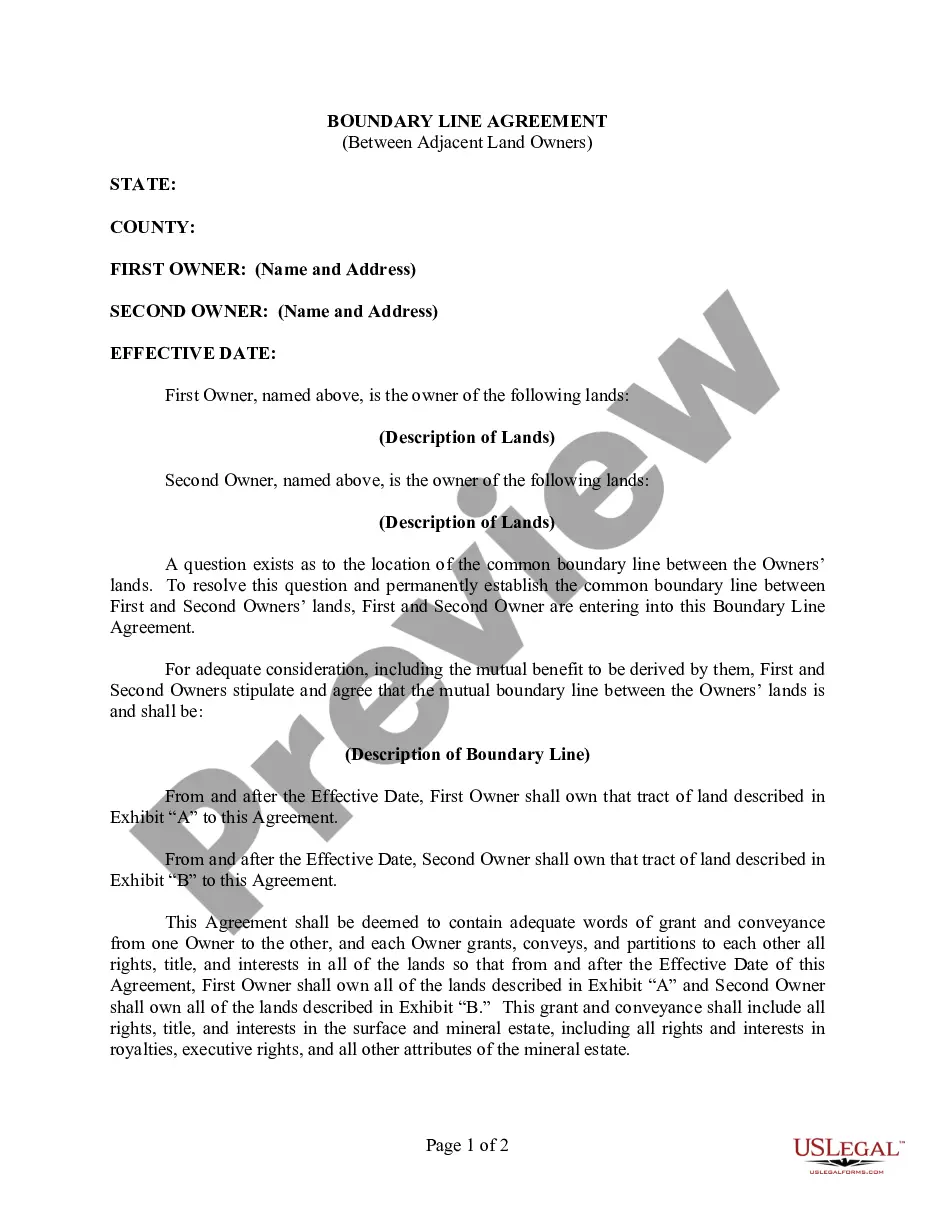
Get your form ready online
Our built-in tools help you complete, sign, share, and store your documents in one place.
Make edits, fill in missing information, and update formatting in US Legal Forms—just like you would in MS Word.
Download a copy, print it, send it by email, or mail it via USPS—whatever works best for your next step.
Sign and collect signatures with our SignNow integration. Send to multiple recipients, set reminders, and more. Go Premium to unlock E-Sign.
If this form requires notarization, complete it online through a secure video call—no need to meet a notary in person or wait for an appointment.
We protect your documents and personal data by following strict security and privacy standards.

Make edits, fill in missing information, and update formatting in US Legal Forms—just like you would in MS Word.

Download a copy, print it, send it by email, or mail it via USPS—whatever works best for your next step.

Sign and collect signatures with our SignNow integration. Send to multiple recipients, set reminders, and more. Go Premium to unlock E-Sign.

If this form requires notarization, complete it online through a secure video call—no need to meet a notary in person or wait for an appointment.

We protect your documents and personal data by following strict security and privacy standards.
Looking for another form?





Form popularity
FAQ
Yes, the driving distance between Middlesex to London is 14 miles. It takes approximately 25 min to drive from Middlesex to London.
After a Royal Commission on Local Government in Greater London, Middlesex was absorbed by an enlarged Greater London in 1965. Despite its disappearance as an administrative county, Middlesex is still used as an area name. It was kept as a postal county; it is an optional component of postal addresses.
The inner London boroughs of Camden, Hackney, Hammersmith and Fulham, Islington, Kensington and Chelsea, Tower Hamlets, Westminster, and the City of London also lie within the boundaries of the historic county of Middlesex.
The county's boundaries largely followed three rivers: the Thames in the south, the Lea to the east and the Colne to the west. A line of hills formed its northern boundary with Hertfordshire. The county was the second smallest of the historic counties of England, after Rutland.
Generally included are Berkshire, Buckinghamshire, Essex, Hertfordshire, Kent, Surrey, and Sussex but others more distant from London—such as Bedfordshire, Cambridgeshire, Hampshire and Oxfordshire—are also sometimes regarded as home counties.
Middlesex is on the north bank of the River Thames, bounded on three sides by rivers, namely the Thames to the south, the Colne to the west (or leastwise its old course) and the Lea to the east.
The county's boundaries largely followed three rivers: the Thames in the south, the Lea to the east and the Colne to the west. A line of hills formed its northern boundary with Hertfordshire. The county was the second smallest of the historic counties of England, after Rutland.
Middlesex no longer exists as an administrative county; it was largely absorbed into Greater London in 1965. However, parts of Middlesex are still recognized in various forms, such as in postal addresses and historical contexts.
The county of Middlesex The county was in the Domesday Book and it was divided into six hundreds (these were subdivisions of the county) which were Edmonton, Elthorne, Gore, Hounslow, Ossulstone and Spelthorne.
