Boundary Lines For My Property In Michigan
Description


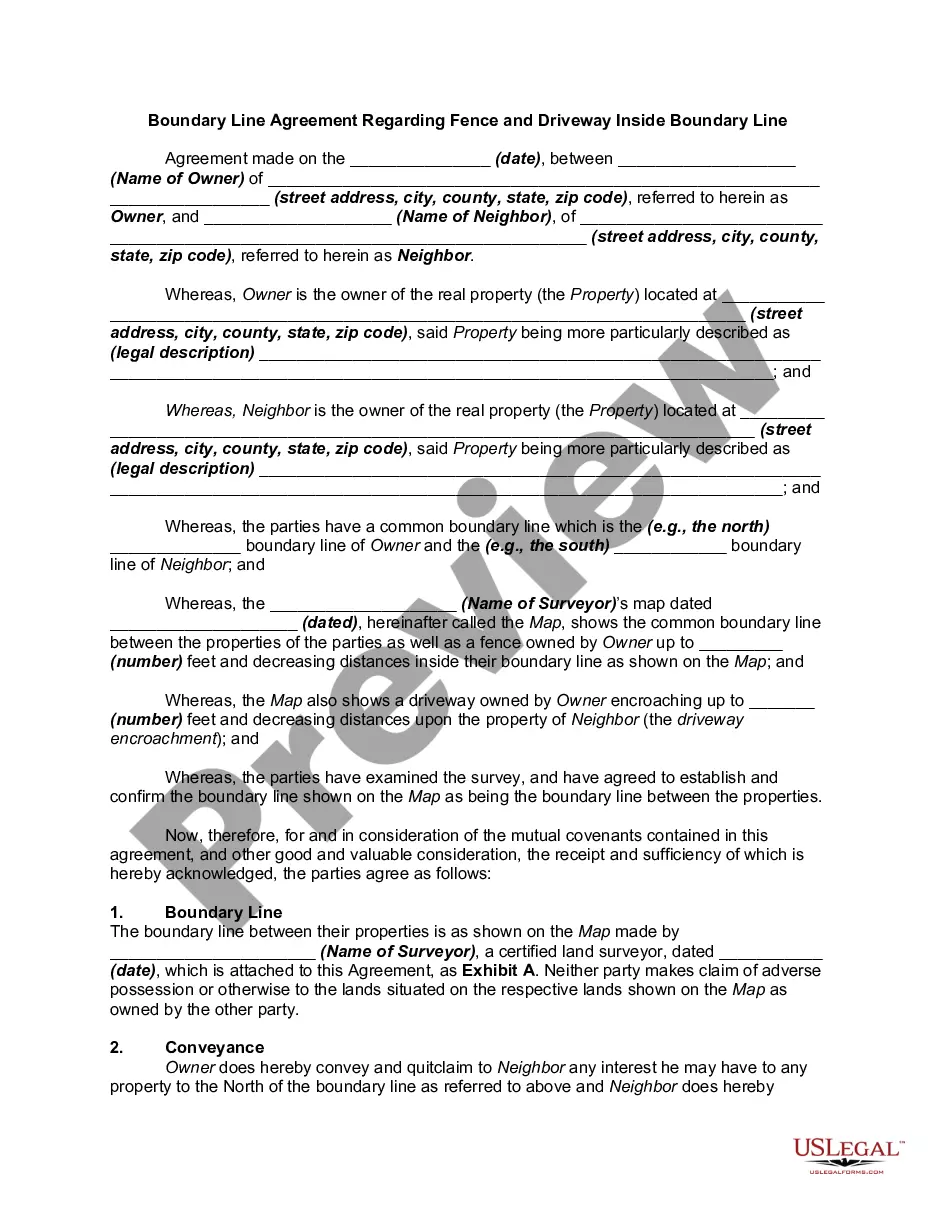
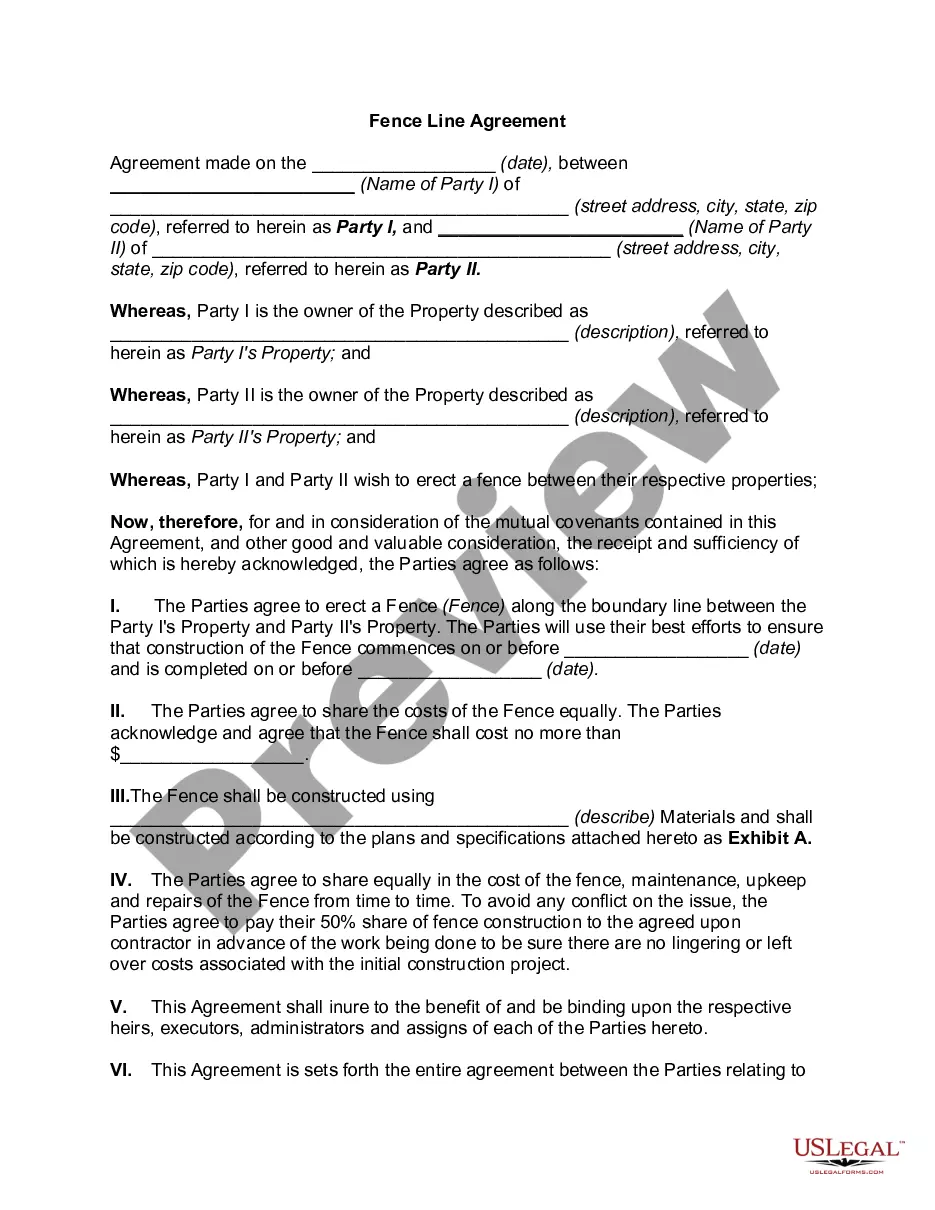
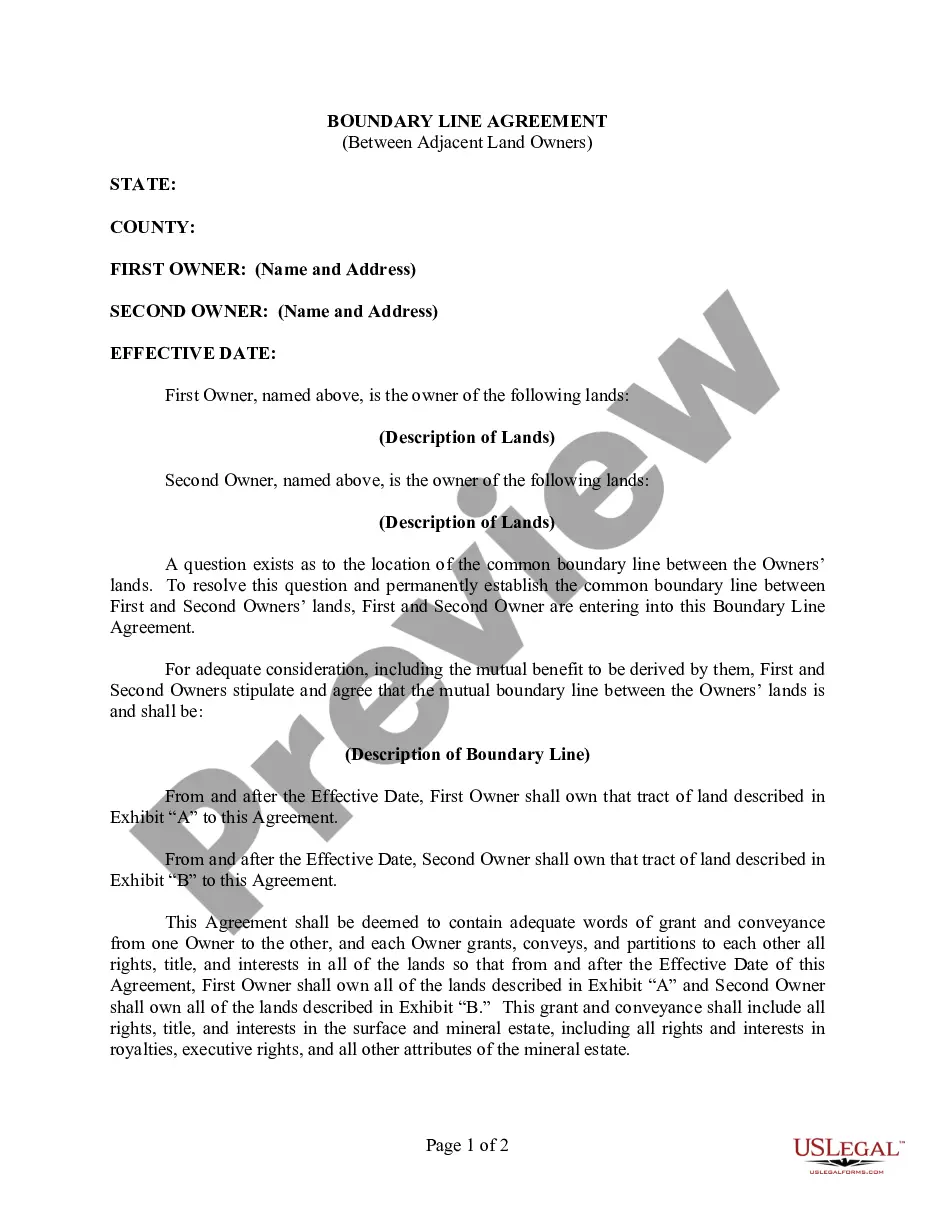
Get your form ready online
Our built-in tools help you complete, sign, share, and store your documents in one place.
Make edits, fill in missing information, and update formatting in US Legal Forms—just like you would in MS Word.
Download a copy, print it, send it by email, or mail it via USPS—whatever works best for your next step.
Sign and collect signatures with our SignNow integration. Send to multiple recipients, set reminders, and more. Go Premium to unlock E-Sign.
If this form requires notarization, complete it online through a secure video call—no need to meet a notary in person or wait for an appointment.
We protect your documents and personal data by following strict security and privacy standards.

Make edits, fill in missing information, and update formatting in US Legal Forms—just like you would in MS Word.

Download a copy, print it, send it by email, or mail it via USPS—whatever works best for your next step.

Sign and collect signatures with our SignNow integration. Send to multiple recipients, set reminders, and more. Go Premium to unlock E-Sign.

If this form requires notarization, complete it online through a secure video call—no need to meet a notary in person or wait for an appointment.

We protect your documents and personal data by following strict security and privacy standards.
Looking for another form?









Form popularity
FAQ
Under Michigan law: Parties can establish a boundary line through long-standing recognition and treatment of a specific line as the property boundary. The required period for acquiescence is 15 years. An explicit agreement is not required; a tacit understanding based on historical practices can suffice.
How to Find the Property Lines for Your Land Check your deed. Check the official website for the assessor's office in your municipality. If you don't have a copy, and there's nothing available online, visit the county recorder's office or the assessor's office. Last but not least, hire a surveyor.
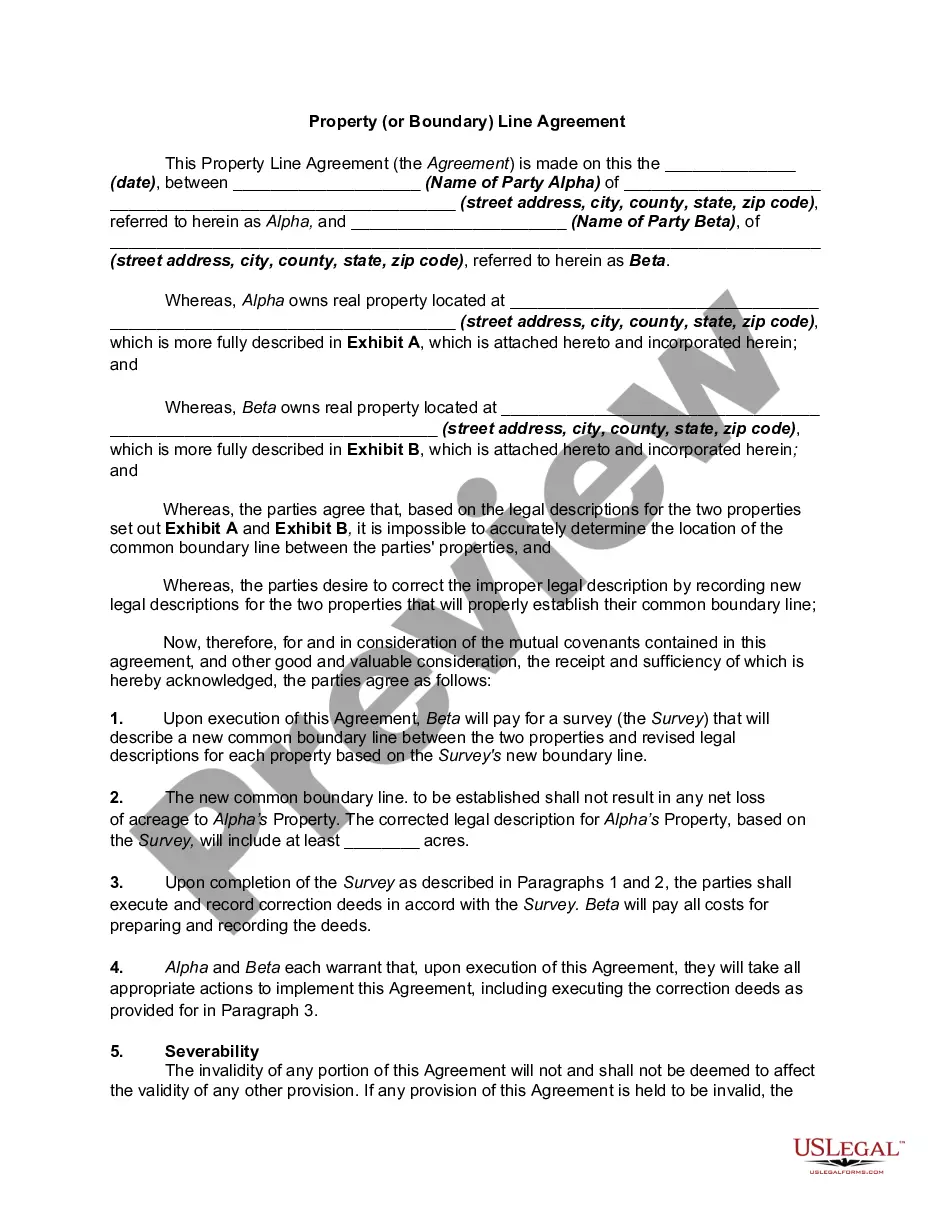
Property markers, monuments or stakes are metal rods usually placed at every corner of the property, including any angle or change of direction of the boundary line. The location of each marker is typically shown on the plat map by lot.
The property title in Michigan represents legal ownership and interest in a property. It is evidence of ownership or interest in a property. Record seekers can find property titles at the Register of Deeds Office.
The title search is conducted by accessing the information related to that particular property via public records. You need only locate your Michigan county's register of deeds and search the recorded property information. All documents recorded with the register of deeds are available to the public.
In Michigan y property records in Michigan can be found at the county. Level each county has aMoreIn Michigan y property records in Michigan can be found at the county. Level each county has a Register of Deeds office responsible for maintaining property records. You can visit the Register of
17 Ways To Find The Owner Of A Property Check Your Local Assessor's Office. Check With The County Clerk. Use Your Local Library. Search Online Databases. Leverage Your State's Parcel Maps. Search For The Owner Online. Look At Google Maps. Consult A Real Estate Agent.
New homes, additions and porches must be set back at least 25 feet from rear lot lines. Decks may be constructed as close as 10 feet to a rear lot line.
Michigan riparian property owners who own land on navigable inland lakes or streams own the respective bottom lands covered by water, however, they do not own the water or the fish that swim within those waters.
Property markers, monuments or stakes are metal rods usually placed at every corner of the property, including any angle or change of direction of the boundary line. The location of each marker is typically shown on the plat map by lot.
