Boundary Lines For Project In King
Description


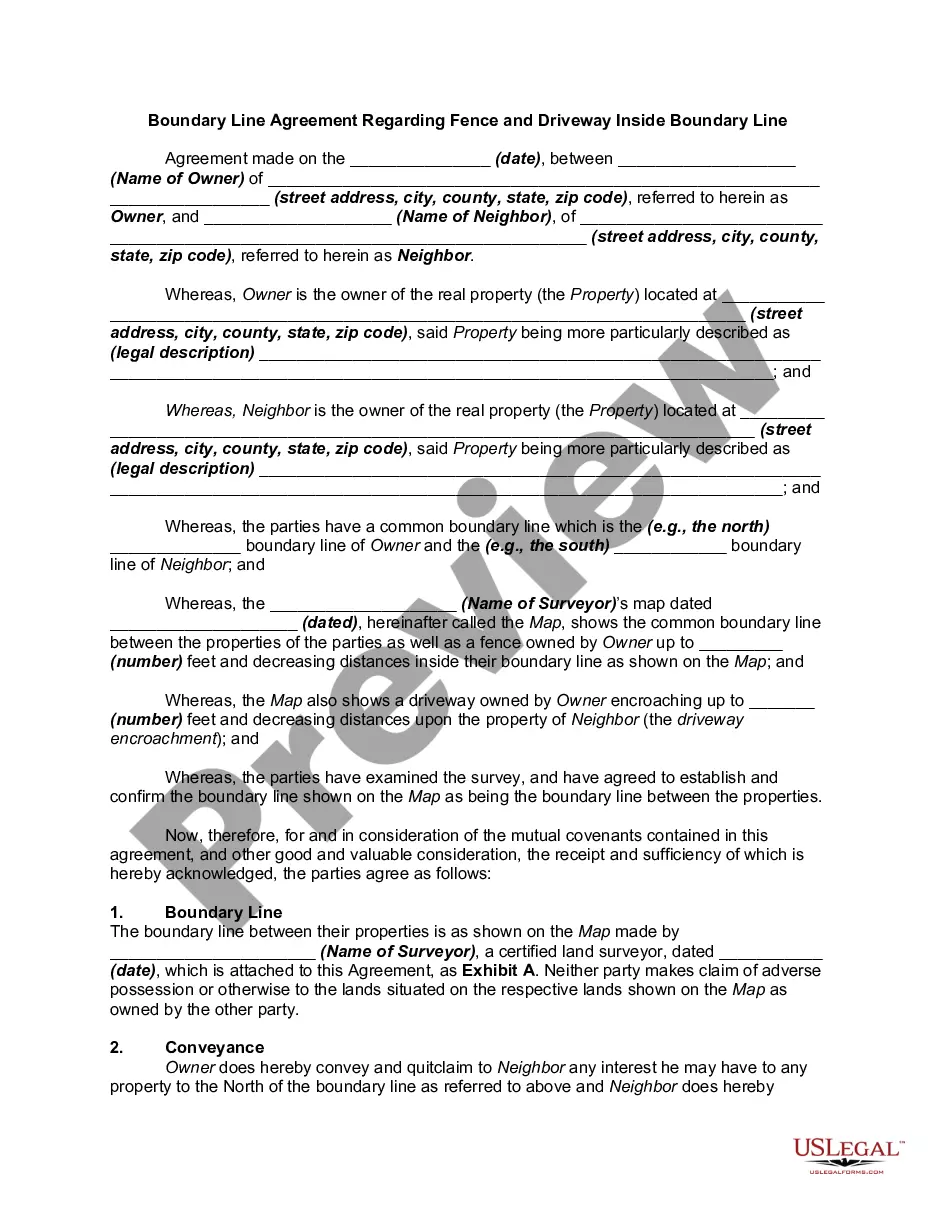
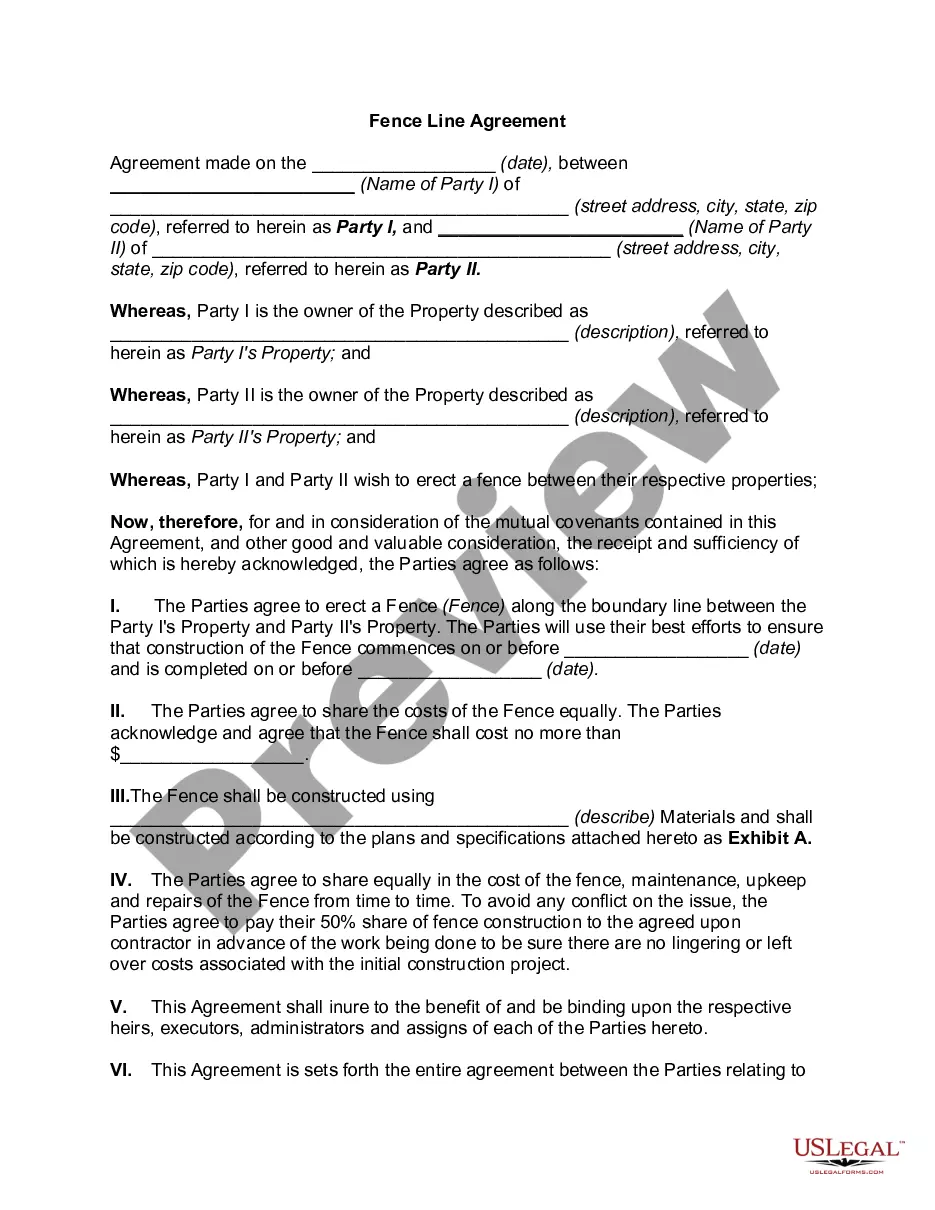
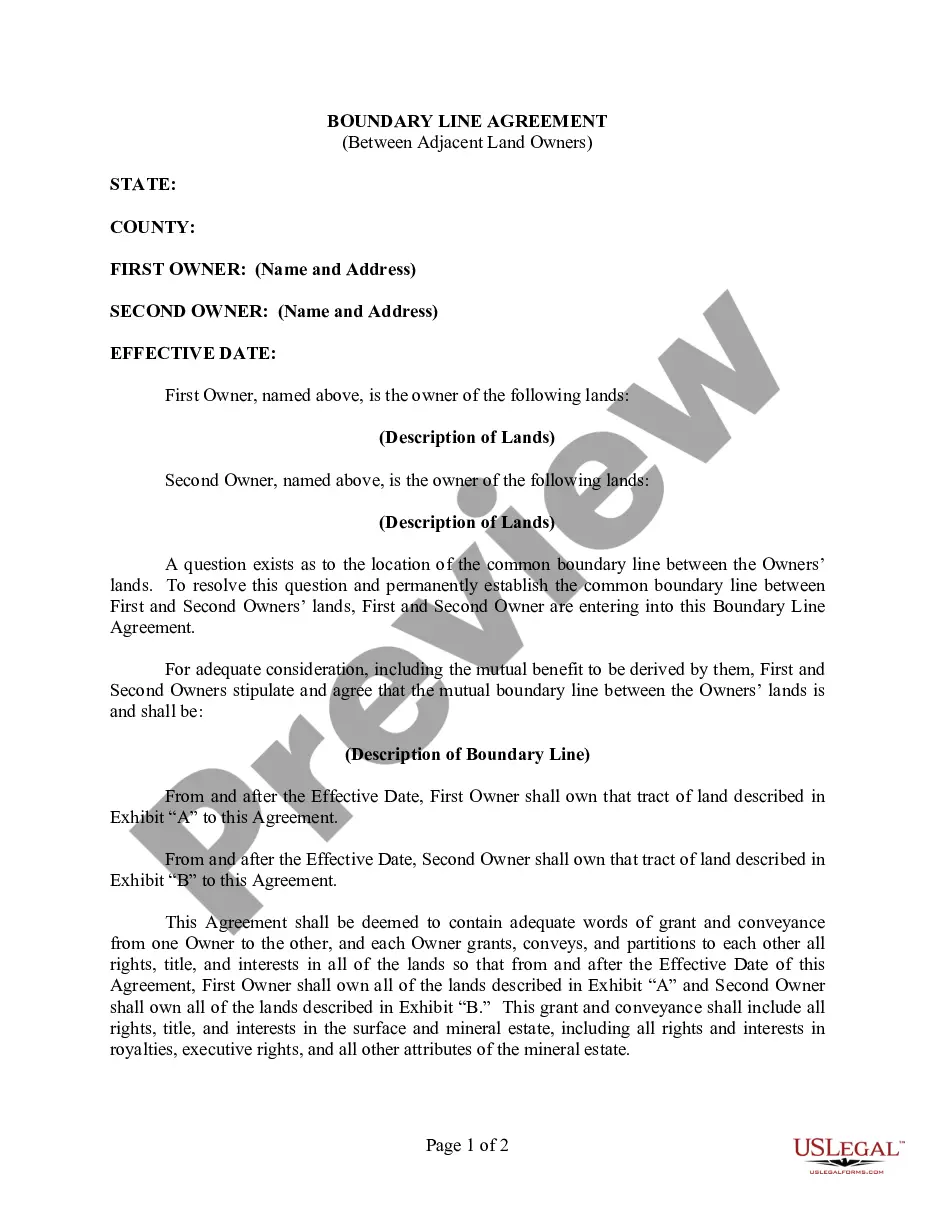
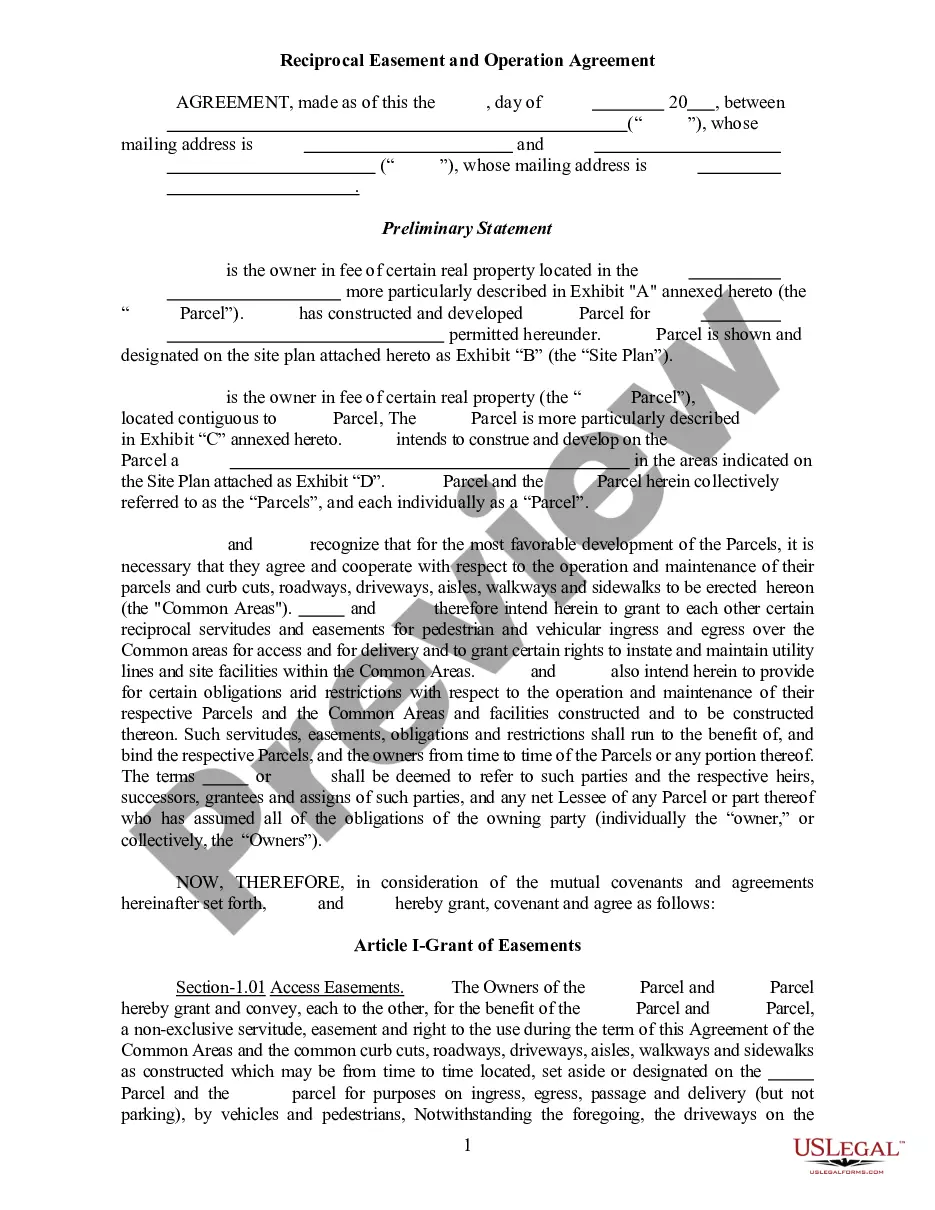
Get your form ready online
Our built-in tools help you complete, sign, share, and store your documents in one place.
Make edits, fill in missing information, and update formatting in US Legal Forms—just like you would in MS Word.
Download a copy, print it, send it by email, or mail it via USPS—whatever works best for your next step.
Sign and collect signatures with our SignNow integration. Send to multiple recipients, set reminders, and more. Go Premium to unlock E-Sign.
If this form requires notarization, complete it online through a secure video call—no need to meet a notary in person or wait for an appointment.
We protect your documents and personal data by following strict security and privacy standards.

Make edits, fill in missing information, and update formatting in US Legal Forms—just like you would in MS Word.

Download a copy, print it, send it by email, or mail it via USPS—whatever works best for your next step.

Sign and collect signatures with our SignNow integration. Send to multiple recipients, set reminders, and more. Go Premium to unlock E-Sign.

If this form requires notarization, complete it online through a secure video call—no need to meet a notary in person or wait for an appointment.

We protect your documents and personal data by following strict security and privacy standards.
Looking for another form?









Form popularity
FAQ
You can get an idea of where the boundaries for your property are by looking at its title plan. Most title plans don't show exact boundaries - you usually don't need to have the exact boundaries recorded anywhere. The rules are different in Scotland and Northern Ireland.
The 7 year rule No tax is due on any gifts you give if you live for 7 years after giving them - unless the gift is part of a trust. This is known as the 7 year rule.
Adverse possession allows someone to claim ownership of land if they have occupied it for a specific period without the legal owner's permission. In the context of garden boundaries, if a neighbour has used or maintained a piece of land for seven years or more, they may have a claim to that land.
The rules are that the fence posts must be on the owners side of the boundary, but there is no law that states the smooth side must face either way. It is entirely their choice which way the fence will face. That being said, there is something of an unwritten rule that should be abided by here.
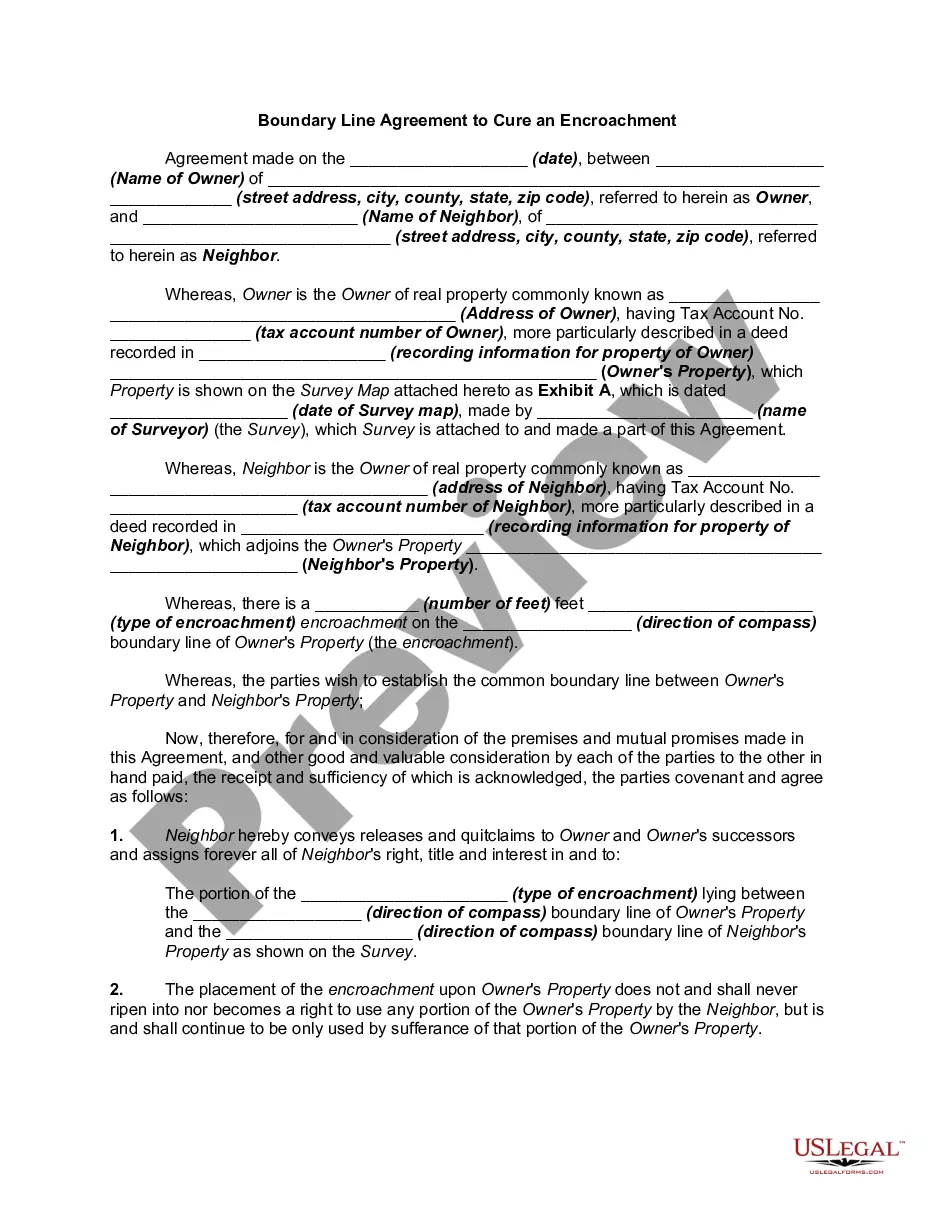
A boundary feature can be a fence, wall, hedge, ditch, piece of wire, or sometimes even just the edge of a driveway. They can be the cause of heated debate and trigger arguments between neighbours, sometimes over just a few inches of ground.
In England and Wales, the time limit for boundary disputes is 12 years. Certain situations might affect this limitation period, so legal advice is recommended.
The possession must be “adverse,” meaning without the owner's consent. It must also be continuous, open, and exclusive for a defined period, which is generally 10 years under the current law. If these conditions are satisfied, the possessor can apply to the Land Registry to become the legal owner of the property.
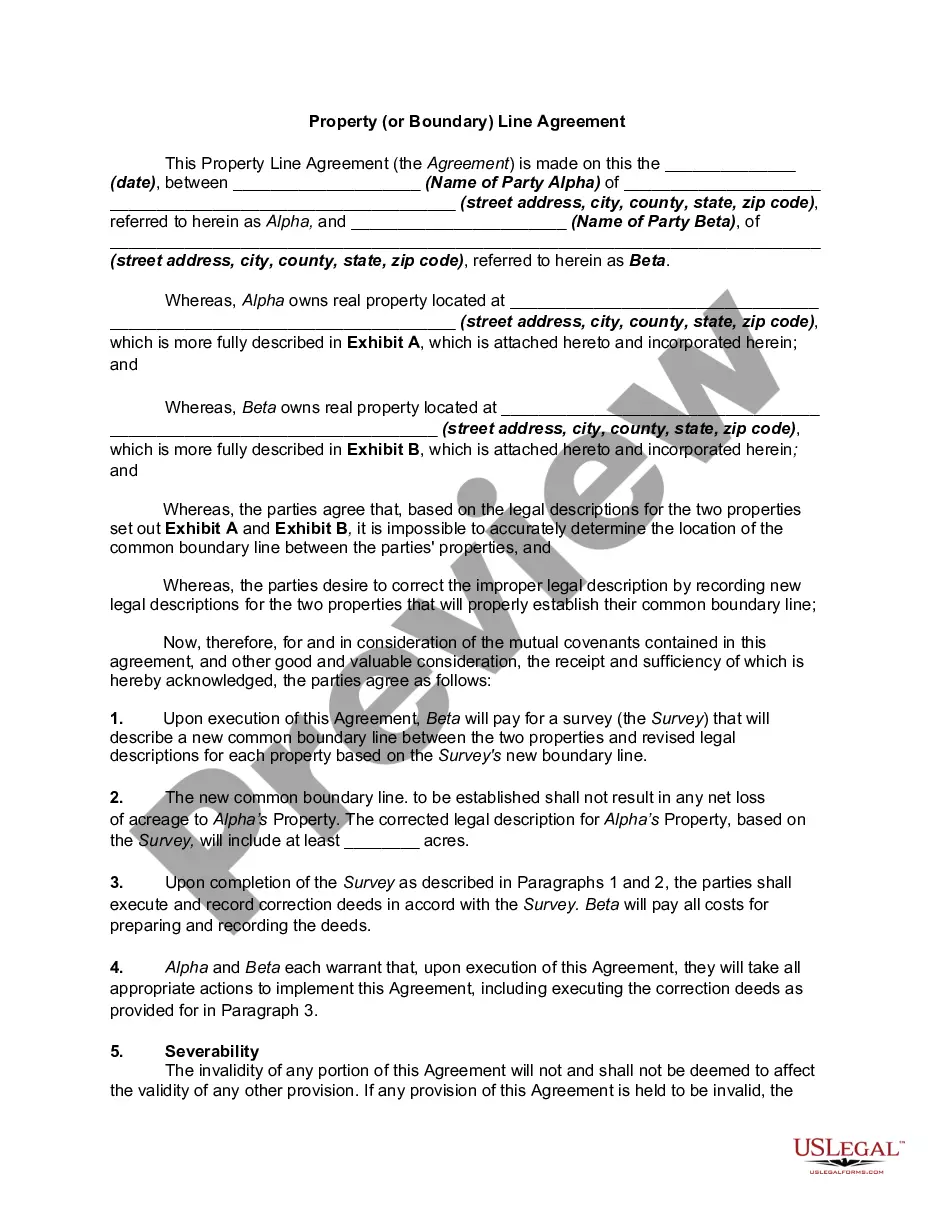
Altering property boundary lines is a significant legal and administrative process. It typically involves: Agreement Between Parties: The affected parties must initially agree to the new boundary lines. Conducting a Survey: A professional surveyor is usually hired to mark the new boundaries accurately.