Indian Boundary Line With Other Countries In Hennepin
Description


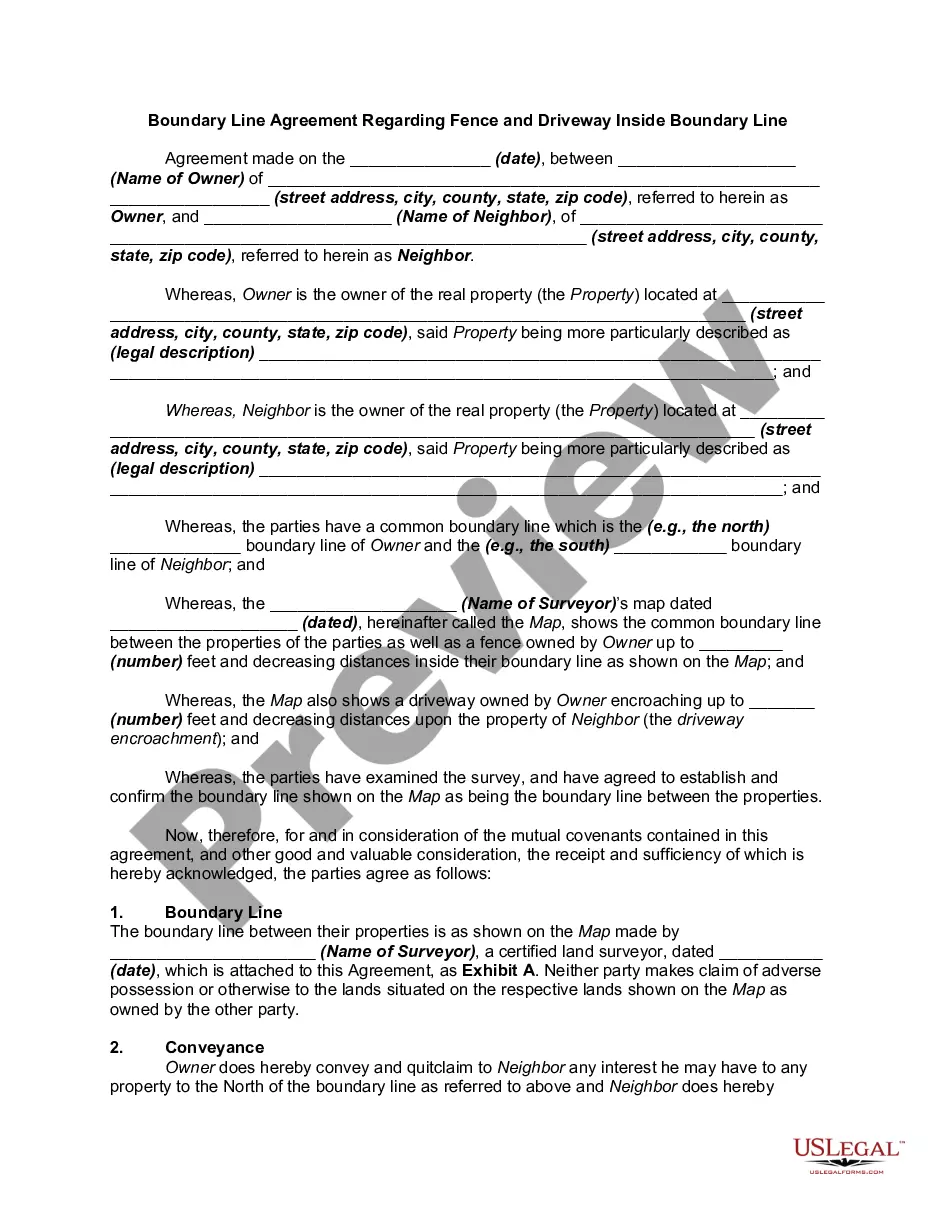
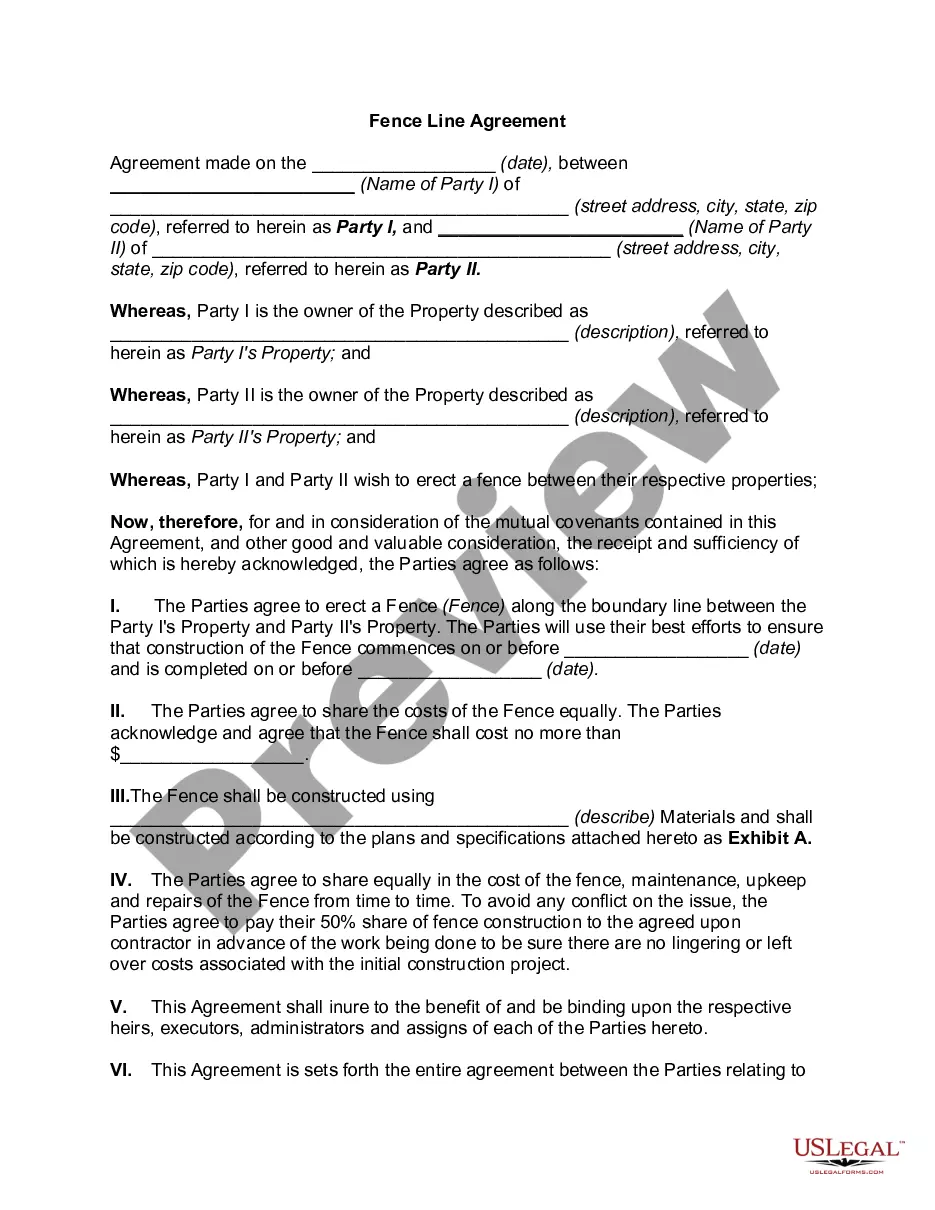
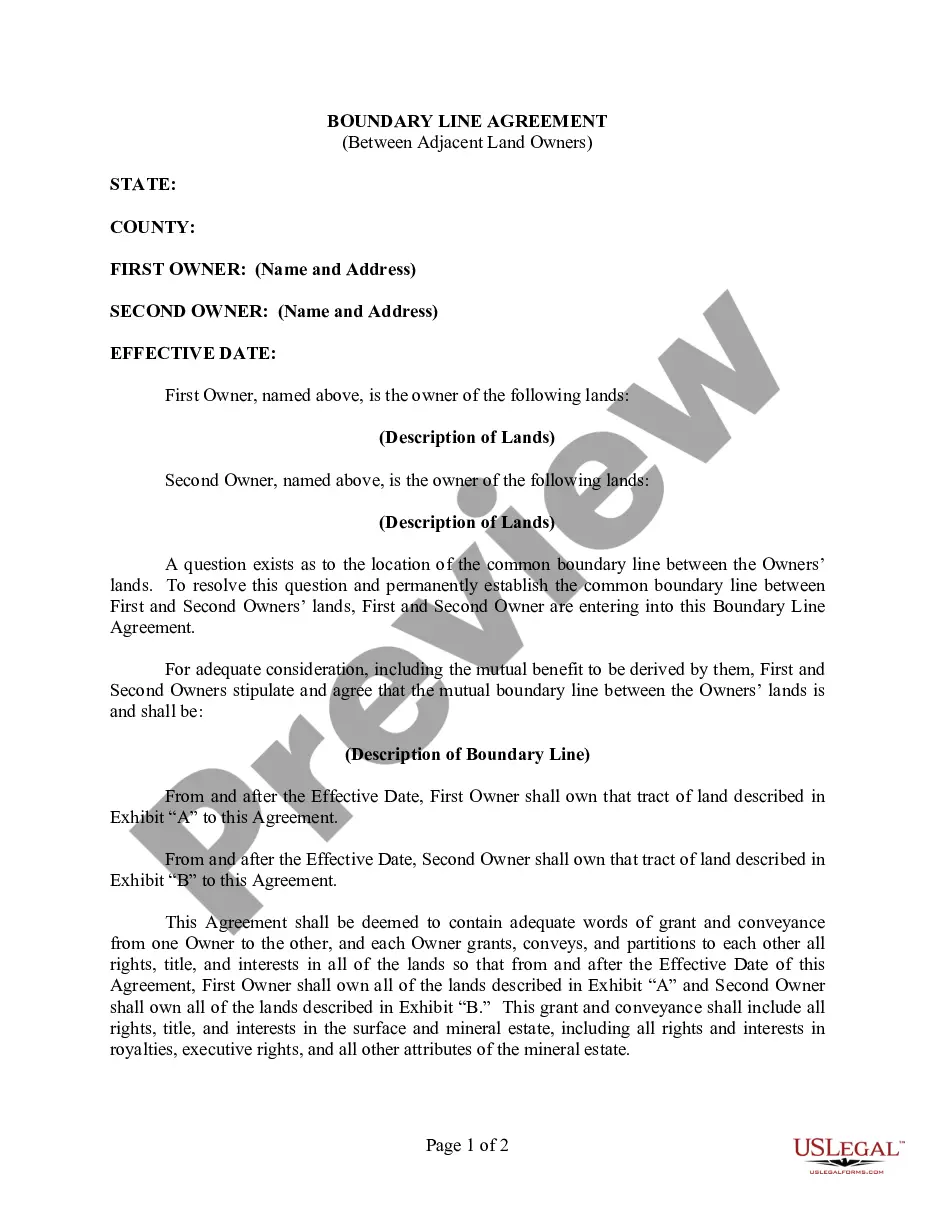
Get your form ready online
Our built-in tools help you complete, sign, share, and store your documents in one place.
Make edits, fill in missing information, and update formatting in US Legal Forms—just like you would in MS Word.
Download a copy, print it, send it by email, or mail it via USPS—whatever works best for your next step.
Sign and collect signatures with our SignNow integration. Send to multiple recipients, set reminders, and more. Go Premium to unlock E-Sign.
If this form requires notarization, complete it online through a secure video call—no need to meet a notary in person or wait for an appointment.
We protect your documents and personal data by following strict security and privacy standards.

Make edits, fill in missing information, and update formatting in US Legal Forms—just like you would in MS Word.

Download a copy, print it, send it by email, or mail it via USPS—whatever works best for your next step.

Sign and collect signatures with our SignNow integration. Send to multiple recipients, set reminders, and more. Go Premium to unlock E-Sign.

If this form requires notarization, complete it online through a secure video call—no need to meet a notary in person or wait for an appointment.

We protect your documents and personal data by following strict security and privacy standards.
Looking for another form?
Form popularity
FAQ
International Boundary Lines are lines of separation between two countries, wherein individual governments have full authority over the land on each side.
The correct answer is Seven. There are seven countries that share a land border with India namely Pakistan, Afghanistan, Nepal, China, desh, Bhutan, and Myanmar.
The Line of Control (LoC) is a military control line between the Indian- and Pakistani-controlled parts of the former princely state of Jammu and Kashmir—a line which does not constitute a legally recognized international boundary, but serves as the de facto border.
Political boundaries are the dividing lines between countries, states, provinces, counties, and cities. These lines, more often called borders, are created by people to separate areas governed by different groups. Sometimes, political boundaries follow physical boundaries, but most of the time you can't see them.
India shares land borders with Bhutan, desh, China, Afghanistan, Myanmar, Nepal, and Pakistan. India's international boundaries include the McMahon Line, Radcliffe Line, Durand Line, Line of Actual Control (LAC), and Line of Control (LOC).
Political boundaries are the dividing lines between countries, states, provinces, counties, and cities. These lines, more often called borders, are created by people to separate areas governed by different groups. Sometimes, political boundaries follow physical boundaries, but most of the time you can't see them.
Besides English, languages with significant numbers of speakers in Hennepin County include Arabic, Hmong, Khmer, Lao, Russian, Somali, Spanish, and Vietnamese.
Minneapolis is a city in Hennepin County, Minnesota, United States, and its county seat. With a population of 429,954 as of the 2020 census, it is the state's most populous city.
The Territorial Legislature of Minnesota established Hennepin County on March 6, 1852, and two years later Minneapolis was named the county seat. Hennepin began as a governmental unit serving a population of only a few hundred people.
The district serves 13 communities: All of Anoka, Champlin and Rapids, and parts of Andover, Blaine, Brooklyn Center, Brooklyn Park, Dayton, Fridley, Ham Lake, Nowthen, Oak Grove and Ramsey.
