Boundary Line For In Florida
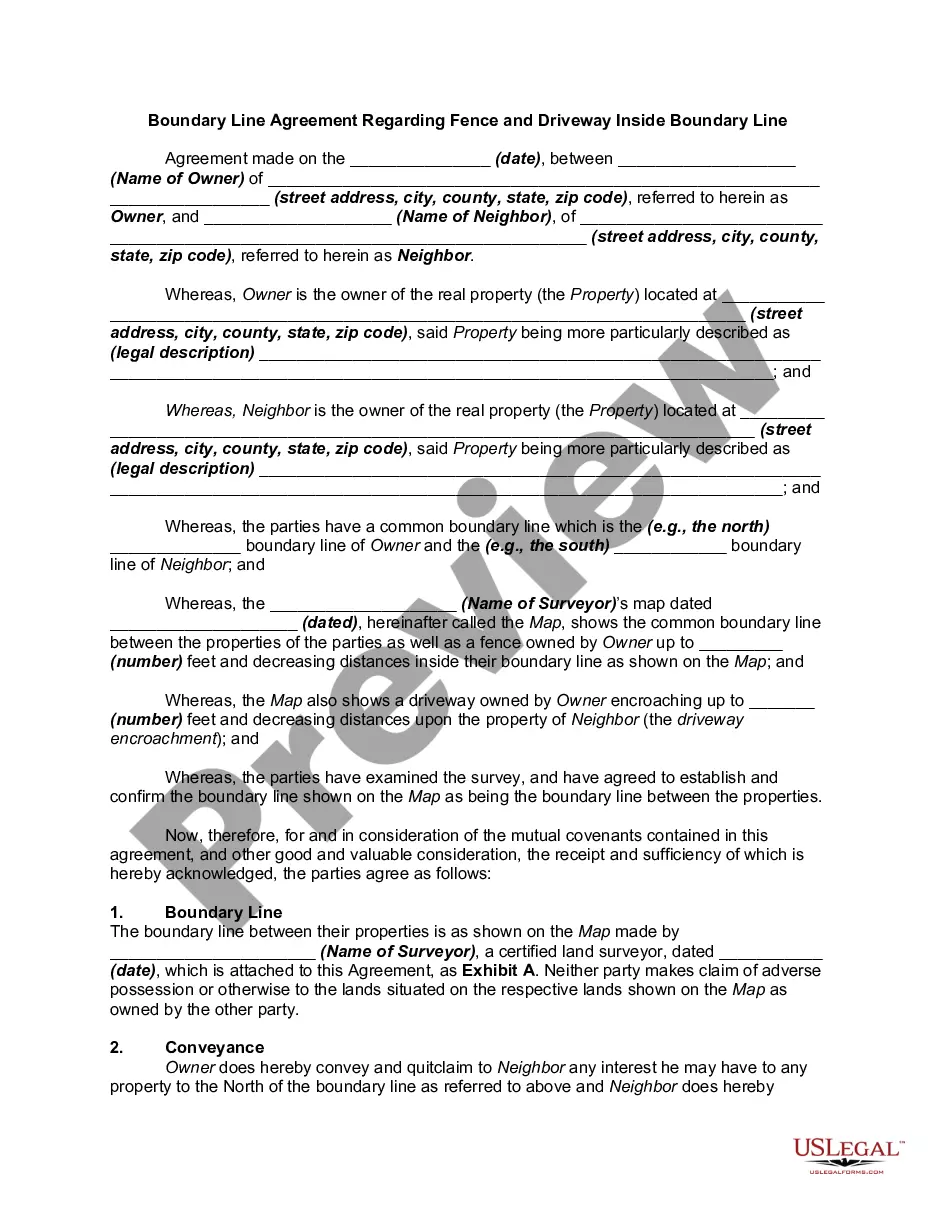
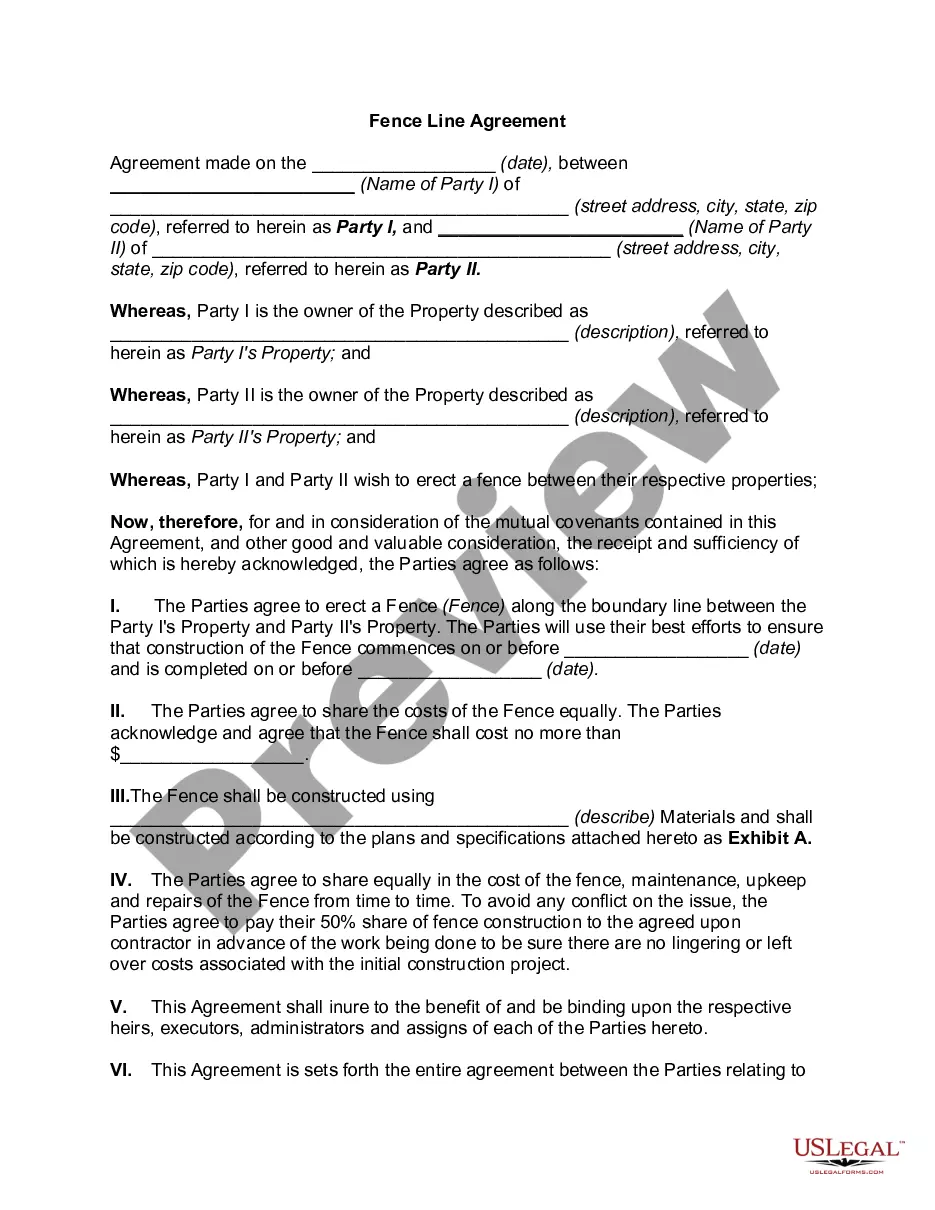
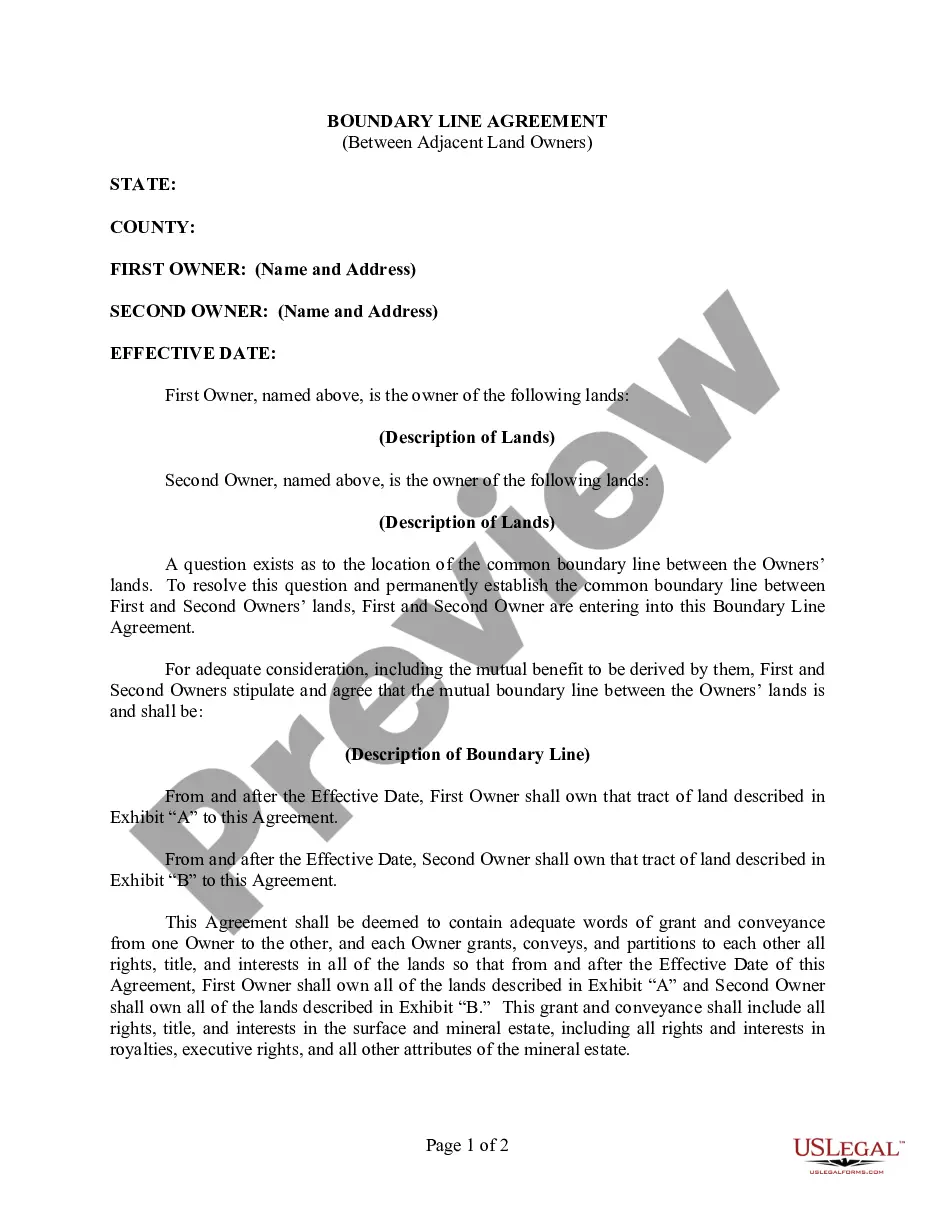
Description

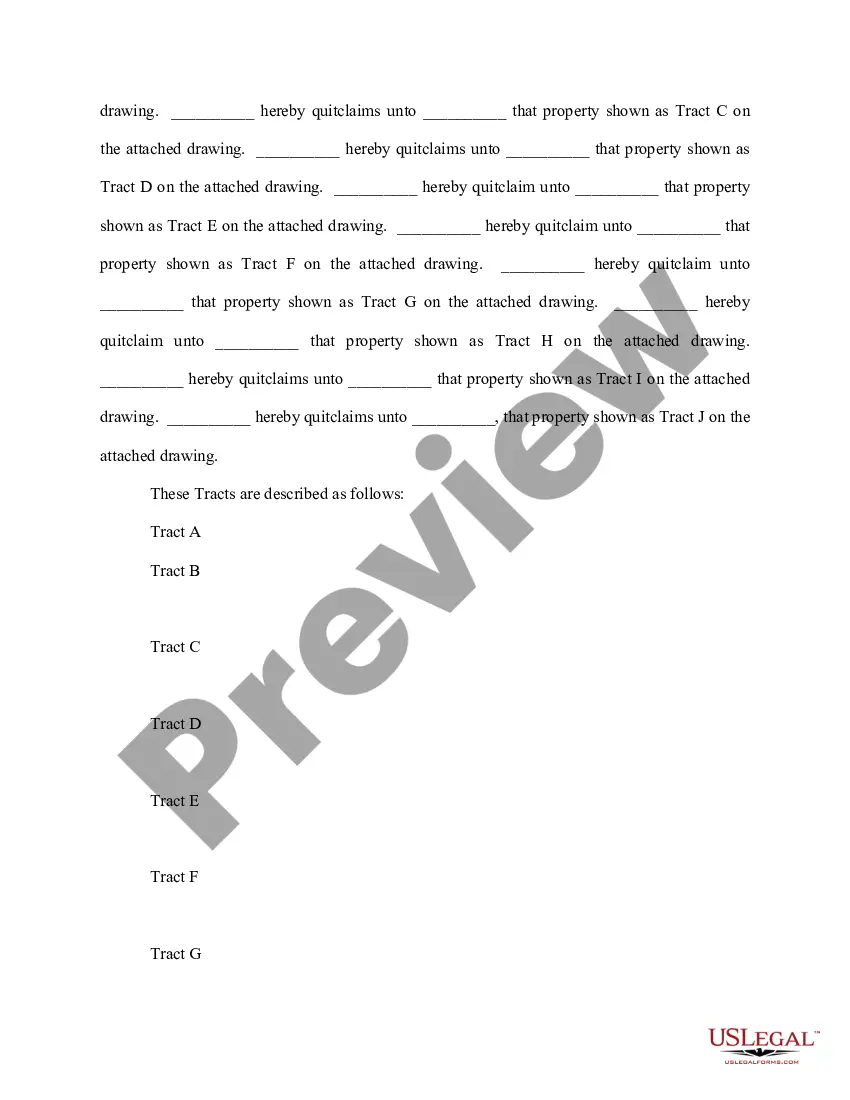
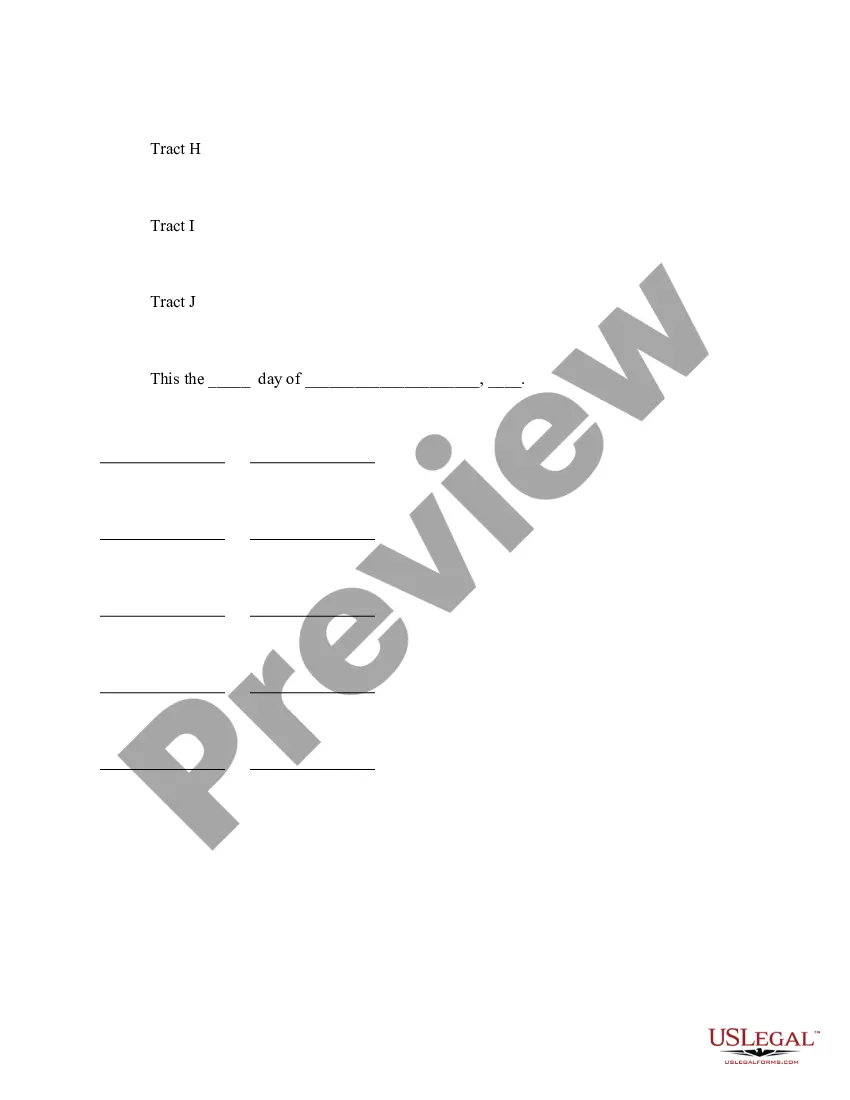

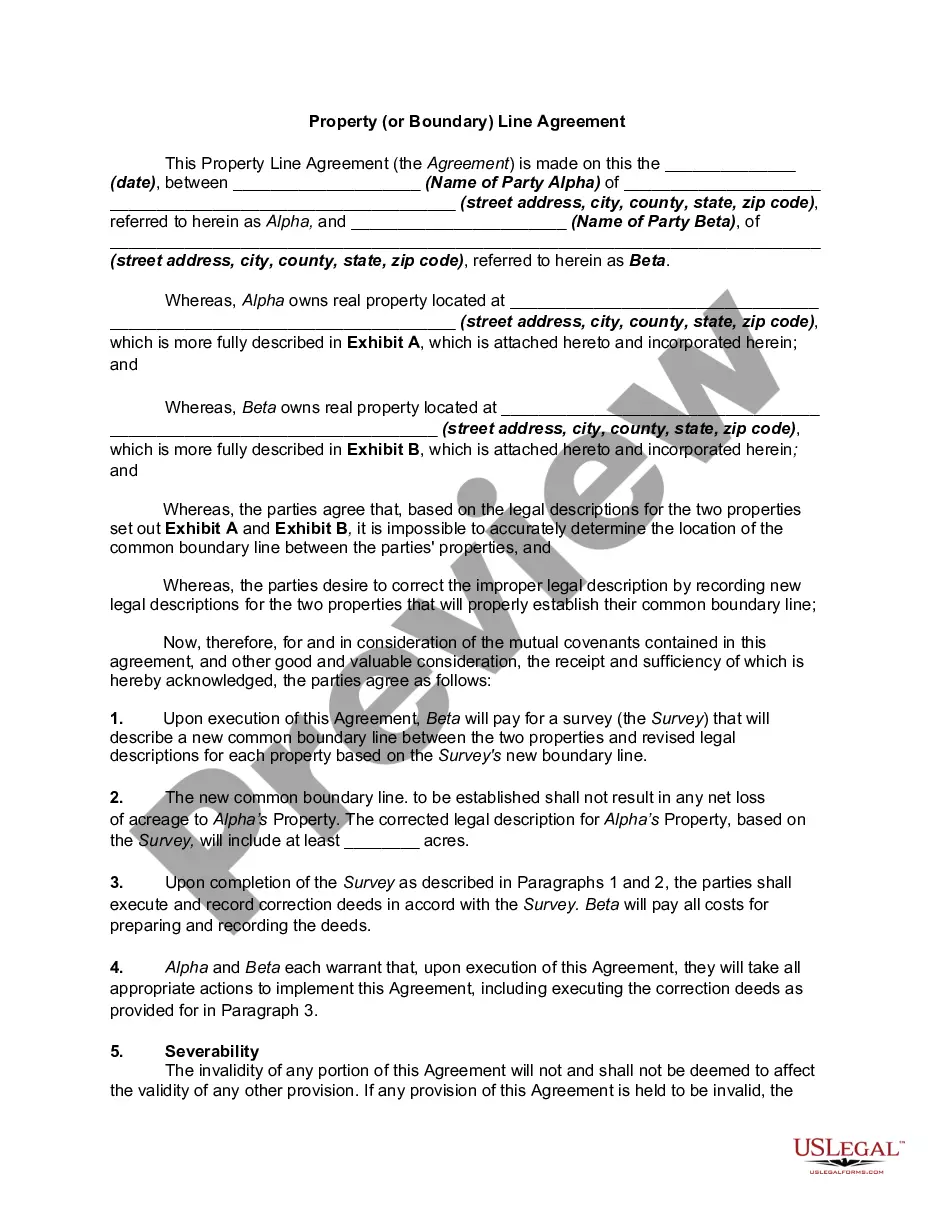
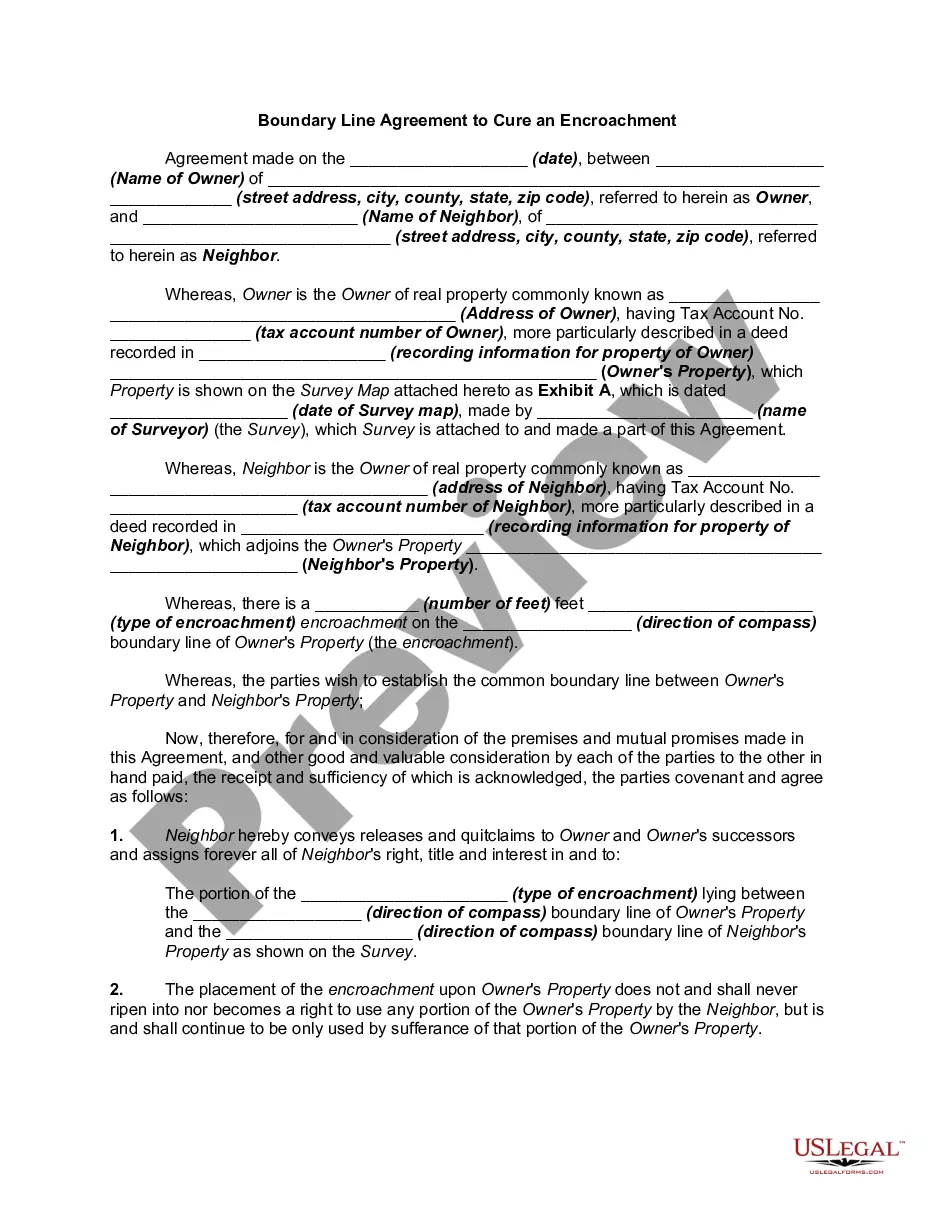
Get your form ready online
Our built-in tools help you complete, sign, share, and store your documents in one place.
Make edits, fill in missing information, and update formatting in US Legal Forms—just like you would in MS Word.
Download a copy, print it, send it by email, or mail it via USPS—whatever works best for your next step.
Sign and collect signatures with our SignNow integration. Send to multiple recipients, set reminders, and more. Go Premium to unlock E-Sign.
If this form requires notarization, complete it online through a secure video call—no need to meet a notary in person or wait for an appointment.
We protect your documents and personal data by following strict security and privacy standards.

Make edits, fill in missing information, and update formatting in US Legal Forms—just like you would in MS Word.

Download a copy, print it, send it by email, or mail it via USPS—whatever works best for your next step.

Sign and collect signatures with our SignNow integration. Send to multiple recipients, set reminders, and more. Go Premium to unlock E-Sign.

If this form requires notarization, complete it online through a secure video call—no need to meet a notary in person or wait for an appointment.

We protect your documents and personal data by following strict security and privacy standards.
Looking for another form?







Form popularity
FAQ
Hire a licensed land surveyor The most accurate way to know where your land begins and ends is to hire a surveyor to determine your property lines. The property surveyor will first check county records to understand the history of the lot.
Determination of the boundary can depend upon what has been possessed in the past. It is generally easier to establish where the boundary lies if the title is in the Land Register which is a plans based system. For the most part, the boundary will be clearly shown by a red line on the Title Plan.
What Is the Most Accurate App for Finding Property Lines? The Land id™ Discover plan is highly regarded for its accuracy in displaying property lines.
The 7-Year Boundary Rule & Adverse Possession Adverse possession allows someone to claim ownership of a property if they've openly used and maintained it for at least seven years without permission from the original owner.
Here's a comprehensive guide to help you locate your property boundaries in Florida. Review Your Property Deed. Check Your Plat Map. Use a Property Line App. Look for Physical Markers. Refer to Recent Surveys. Visit the County Property Appraiser's Website. Consult with Neighbors.
Here are the most common ways to find them: Check Google Maps. This one is the quickest and easiest way to establish where your property lines are. Hire a surveyor. Check online property records. Look for physical markers on your property. Check your property deed. Check a plat map. Review your property survey.
Your property lines are noted in a few different locations, including in the legal description for the lot, which would be on your property deed and on a plat map, typically available through your local assessor's office or planning office.
In Florida, a judgment lien can be attached to the debtor's real estate -- meaning a house, condo, land, or similar kind of property interest.