Boundary Line For Cricket In Fairfax
Description

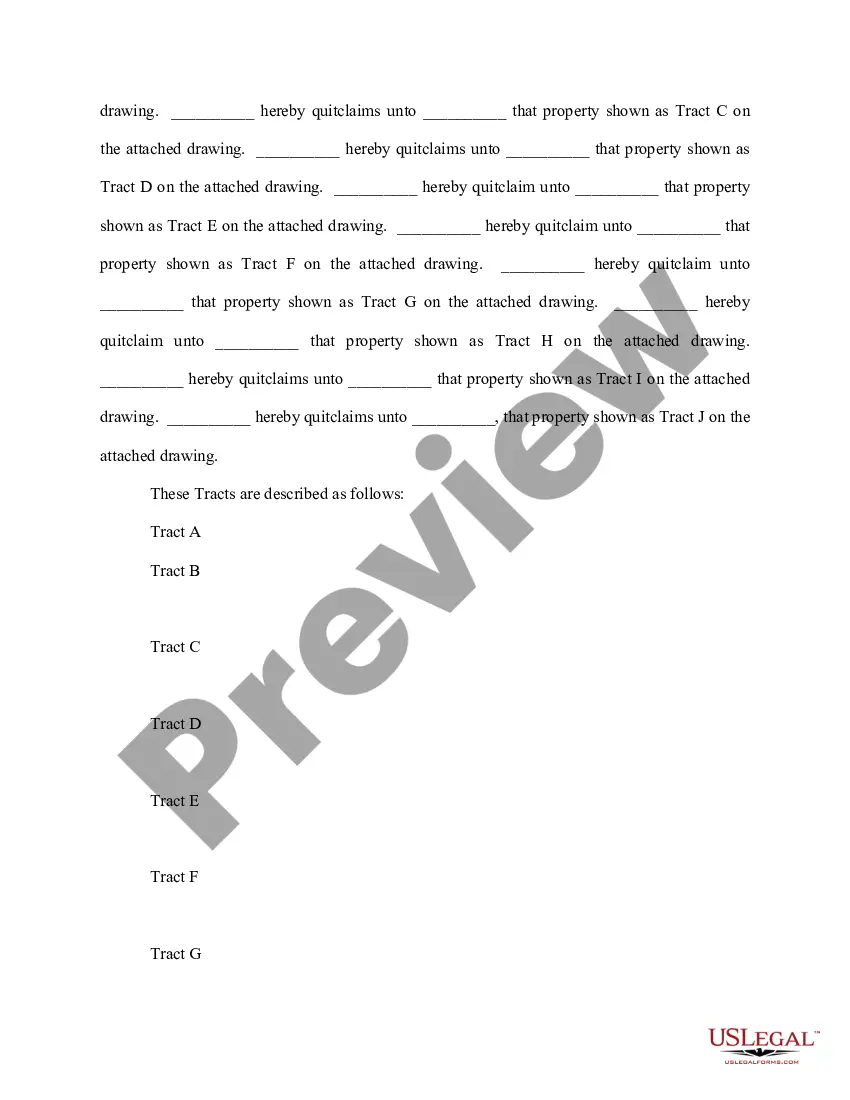



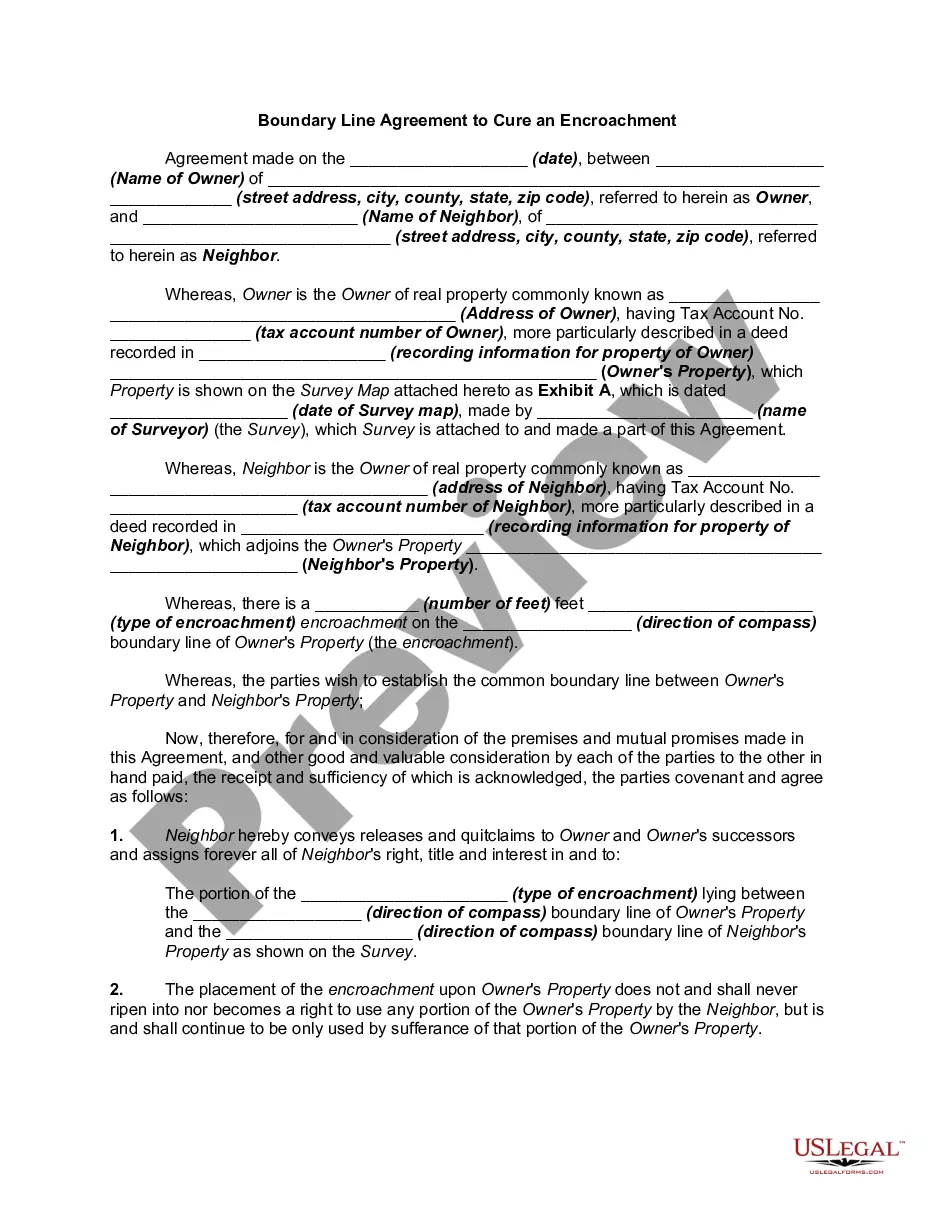


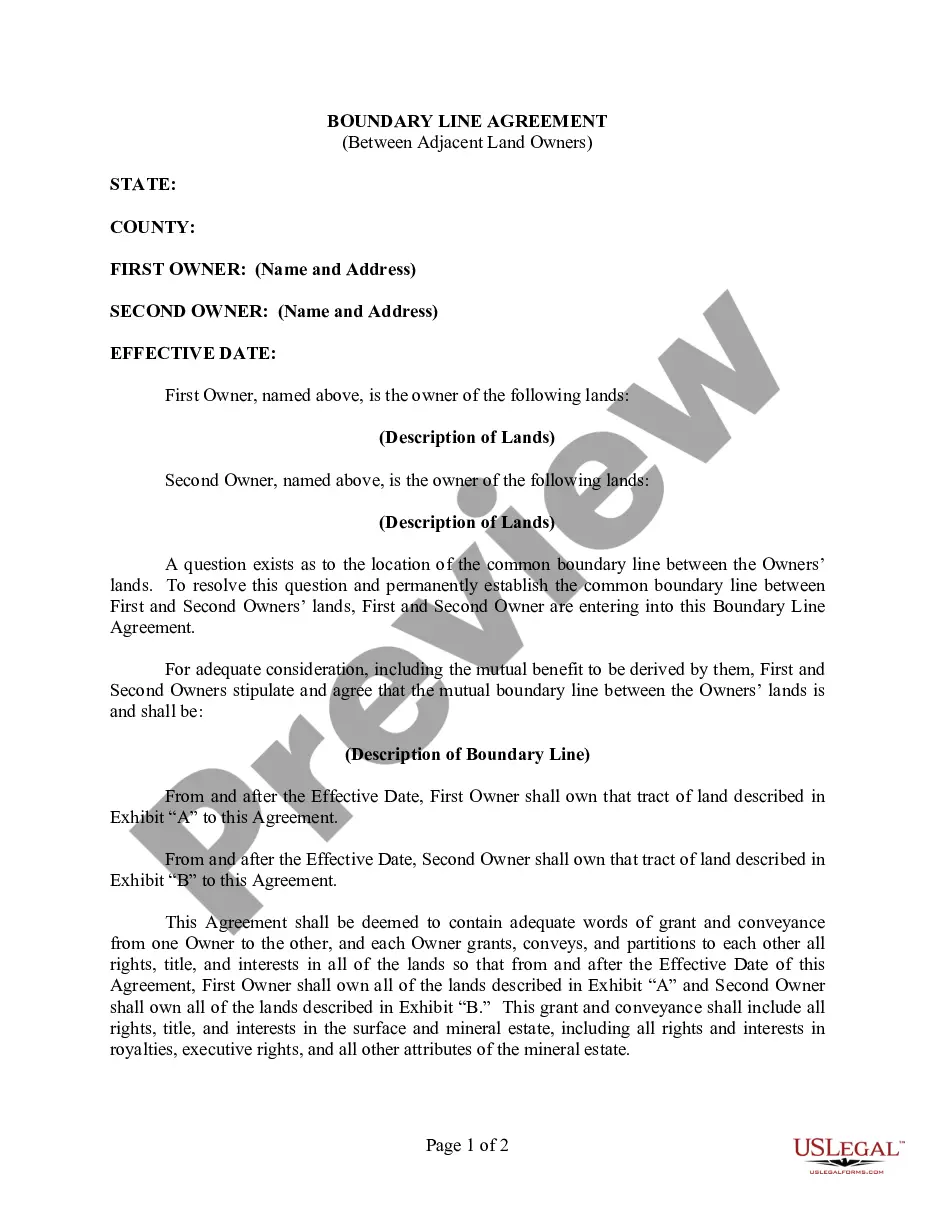
Get your form ready online
Our built-in tools help you complete, sign, share, and store your documents in one place.
Make edits, fill in missing information, and update formatting in US Legal Forms—just like you would in MS Word.
Download a copy, print it, send it by email, or mail it via USPS—whatever works best for your next step.
Sign and collect signatures with our SignNow integration. Send to multiple recipients, set reminders, and more. Go Premium to unlock E-Sign.
If this form requires notarization, complete it online through a secure video call—no need to meet a notary in person or wait for an appointment.
We protect your documents and personal data by following strict security and privacy standards.

Make edits, fill in missing information, and update formatting in US Legal Forms—just like you would in MS Word.

Download a copy, print it, send it by email, or mail it via USPS—whatever works best for your next step.

Sign and collect signatures with our SignNow integration. Send to multiple recipients, set reminders, and more. Go Premium to unlock E-Sign.

If this form requires notarization, complete it online through a secure video call—no need to meet a notary in person or wait for an appointment.

We protect your documents and personal data by following strict security and privacy standards.
Looking for another form?




Form popularity
FAQ
In cricket, the boundary is the perimeter of a playing field. It is also the term given to a scoring shot where the ball is hit to, or beyond, that perimeter, which generally earns four or six runs for the batting team.
Boundary dimensions Dimensions for newly constructed grounds should be a boundary of 50 yards (45.72 m) plus the 3 yard (2.74 m ) safety margin. In this case, this is measured from the middle stump of each pitch used for open-age cricket.
Field size 19.1.3 The aim shall be to maximise the size of the playing area at each venue. With respect to the size of the boundaries, no boundary shall be longer than 90 yards (82 metres), and no boundary should be shorter than 65 yards (59 metres) from the centre of the pitch to be used.
1. The basic method is a white line using a line marker, boundary flags can be added at intervals. 2. The preferred method is a rope which makes the ball jump when contact is made; a useful indication of a (four) boundary.
Another way for batsman to score runs is by hitting the ball to the boundary to score either a 'four' or 'six'. If the ball hits the boundary, this adds four runs to the total score, but if the ball goes over the boundary, that adds six runs to the score.
- The runs scored when the ball touches or crosses the boundary, which are either four or six depending on whether the ball bounced inside the field or not¹. The boundary count can also be used as a tie-breaker in some limited overs matches, such as the 2019 World Cup final between England and New Zealand.
As per ICC rules, all boundaries in a cricket ground must be marked by a rope or similar object. The boundary should be at least 59 m from the centre of the field in men's international cricket – law 19.1. 3. The rope should be a minimum distance of 2.74 metres from the ground's perimeter fencing or advertising signs.
Calculate the probability of hitting a boundary based on the previous performance. The batsman hit a boundary 12 times out of 80 balls. The probability of hitting a boundary (P(Boundary)) is given by the formula: P(Boundary) = Number of boundaries / Total balls played = 12 / 80.
One-story detached structures that are used as tool and storage sheds, playhouses or similar uses that do not exceed 256 square feet and are not classified as Group F-1 or H occupancy are exempt from application for a permit.
A freestanding accessory structure that is between 8.5 feet and 12 feet in height may be located as close as five feet to any side or rear lot line.
