Boundary Lines In India In Chicago
Description


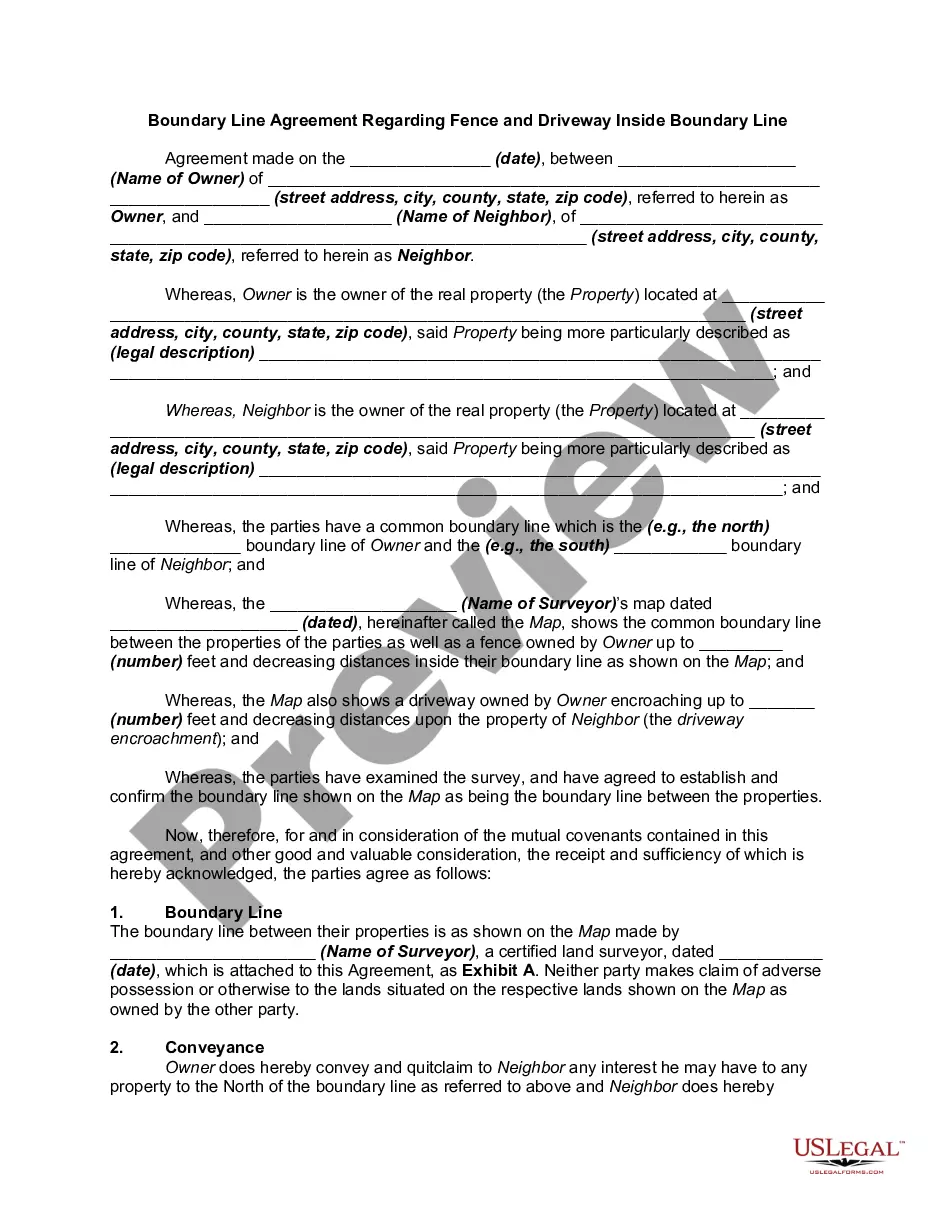
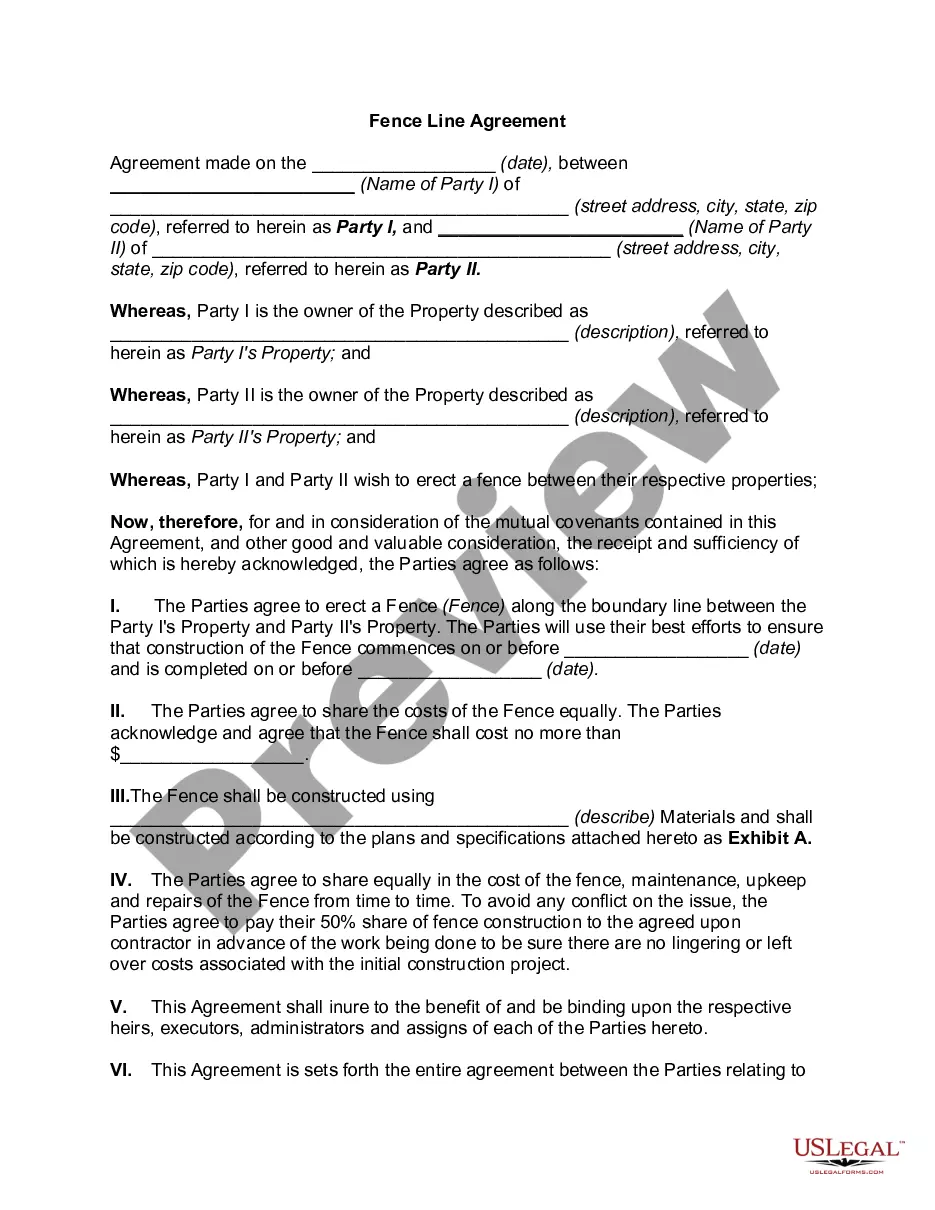
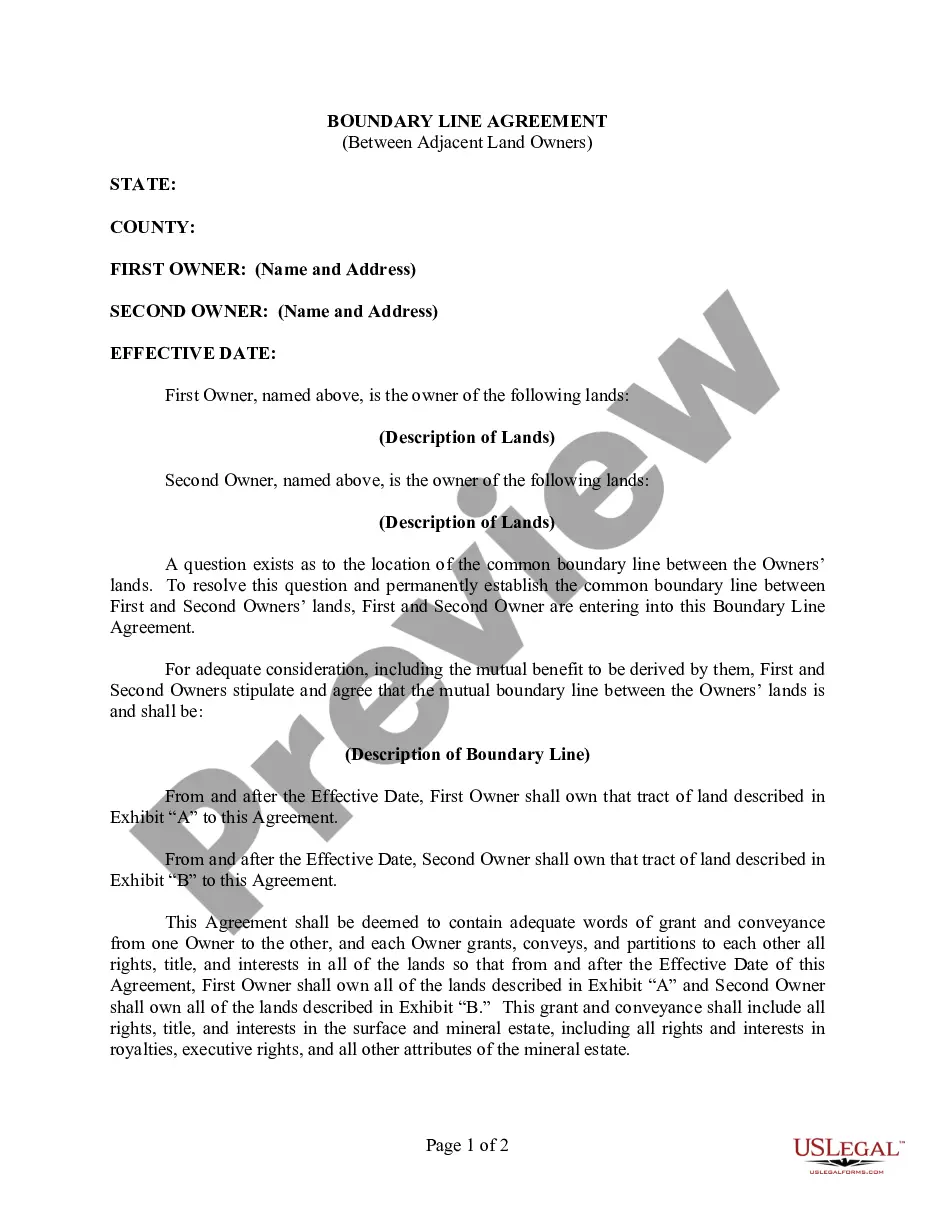
Get your form ready online
Our built-in tools help you complete, sign, share, and store your documents in one place.
Make edits, fill in missing information, and update formatting in US Legal Forms—just like you would in MS Word.
Download a copy, print it, send it by email, or mail it via USPS—whatever works best for your next step.
Sign and collect signatures with our SignNow integration. Send to multiple recipients, set reminders, and more. Go Premium to unlock E-Sign.
If this form requires notarization, complete it online through a secure video call—no need to meet a notary in person or wait for an appointment.
We protect your documents and personal data by following strict security and privacy standards.

Make edits, fill in missing information, and update formatting in US Legal Forms—just like you would in MS Word.

Download a copy, print it, send it by email, or mail it via USPS—whatever works best for your next step.

Sign and collect signatures with our SignNow integration. Send to multiple recipients, set reminders, and more. Go Premium to unlock E-Sign.

If this form requires notarization, complete it online through a secure video call—no need to meet a notary in person or wait for an appointment.

We protect your documents and personal data by following strict security and privacy standards.
Looking for another form?






Form popularity
FAQ
Summary : Boundary Park was known as the Athletic Ground when it was laid out in 1896 for Oldham's first professional club, Oldham County. When County folded in 1899, Pine Villa took over the ground and changed their name to Oldham Athletic.
Indian Mary Park - Merlin Galice Southern Oregon. The Reservation was created in part, in gratitude for one of the local Indians, Umpqua Joe, who in 1855 warned white settlers in the area of a pending massacre. Thanks to Joe's warning the settlers were able to thwart the Indians attacks.
Established in 1816, Illinois' Old Indian Boundary Line ran from the southern tip of Lake Michigan down to the Rock River's confluence with the Mississippi River. In 1982, a decision was made to restore a 7-acre parcel of land along SR 26 back to native tallgrass prairie habitat.
National parks in India are International Union for Conservation of Nature (IUCN) category II protected areas. India's first national park was established in 1936, now known as Jim Corbett National Park, in Uttarakhand. In 1970, India had only five national parks.
Backstory and Context. The sandstone cave in the park was used by Native Americans as a shelter over a thousand years ago. During their time in the cave they left carvings on the cave walls, known as petroglyphs. These carvings are a rare find, and there are few known petroglyphs in the Midwest.
India is a country that shares its borders with nine different countries, covering a total area of about 15200 km. The borders are not only limited to land but are also present in the water bodies. India shares its borders with seven countries via land and seven countries via water as well.
The park opened in 1922. It is named after a boundary line that was determined in the 1816 Treaty of St. Louis between the Odawa, Ojibwe, and Potawatomi tribes and the United States government. The line ran through the present park.
The Indian Boundary is a 20-mile wide area, 10 miles on either side of the Des Plaines River, running south from Lake Michigan to the Kankakee River with the northern boundary line running through northern and western Bolingbrook.
Unauthorized use is prohibited. Illinois is bordered by Wisconsin in the north; Lake Michigan, Indiana, and Kentucky in the east; Kentucky and Missouri in the south; and Missouri and Iowa in the west.
A Native tribe has received back a portion of its ancestral land in Illinois, marking the first federally recognized tribal land in the state.
