Boundary Line Agreement Sample For Unmarried Couples In Arizona
Description

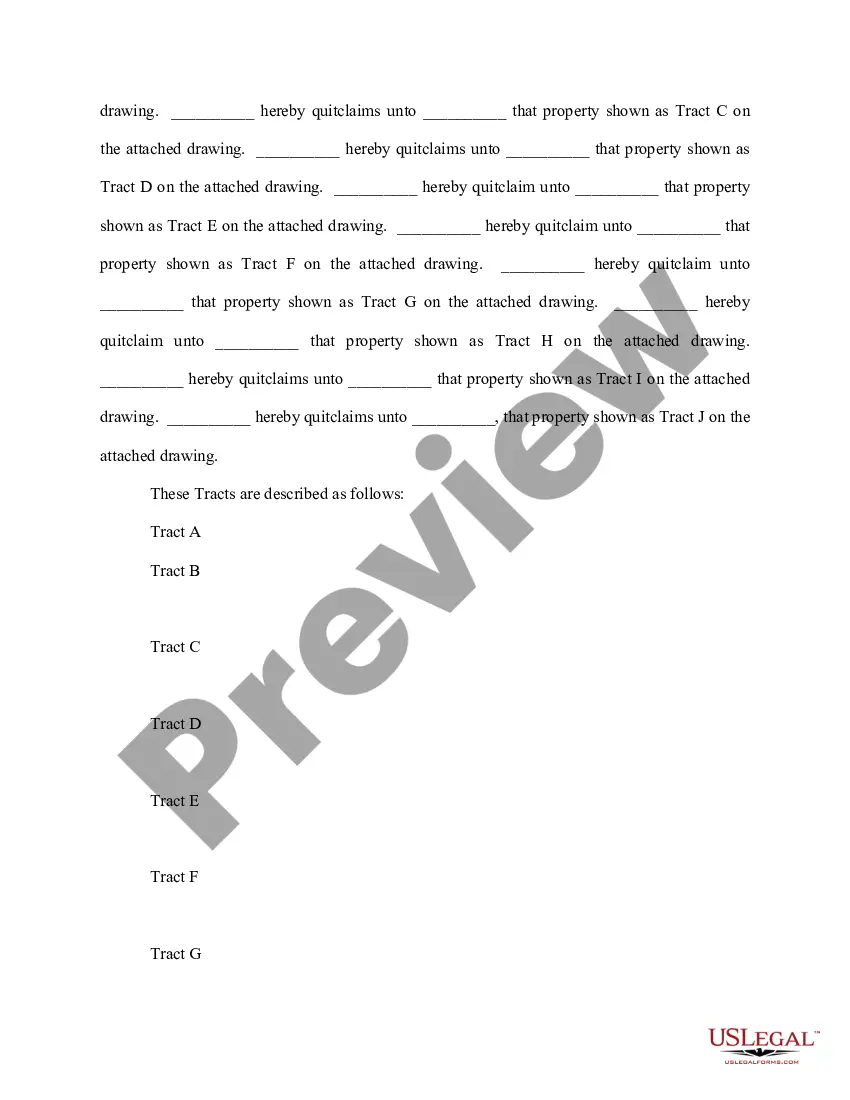
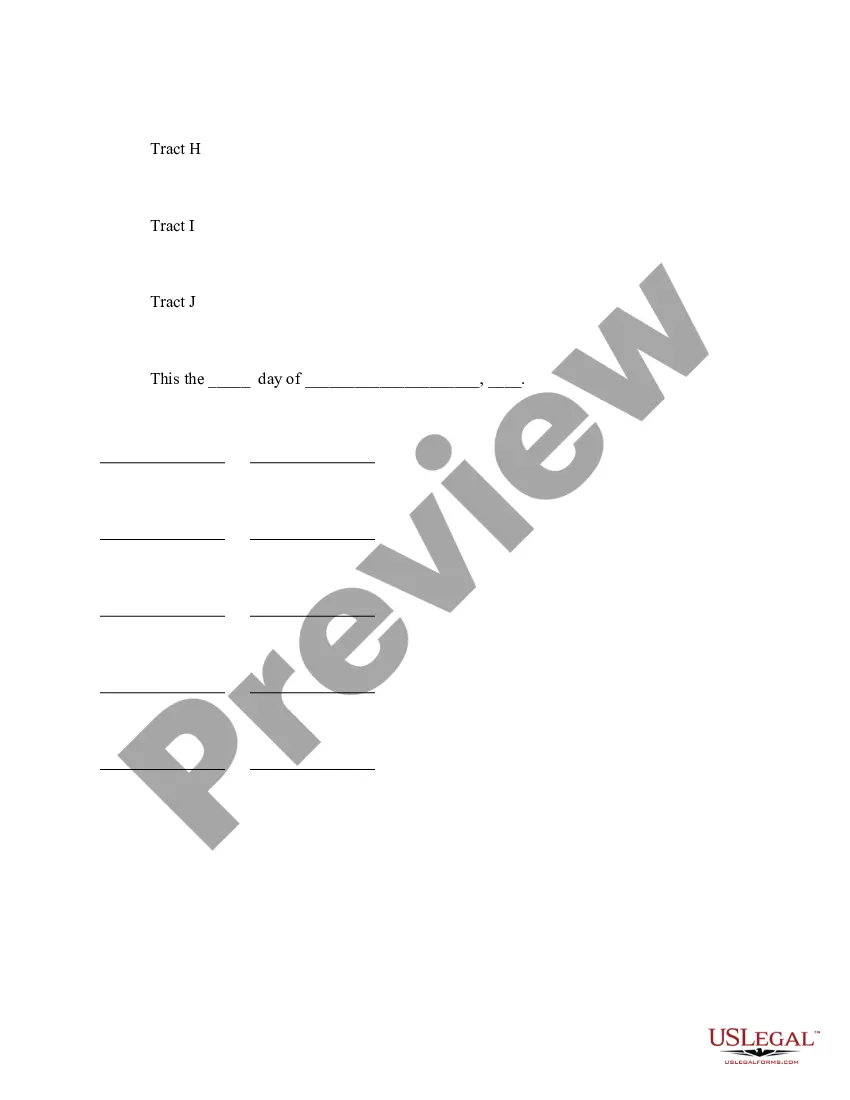

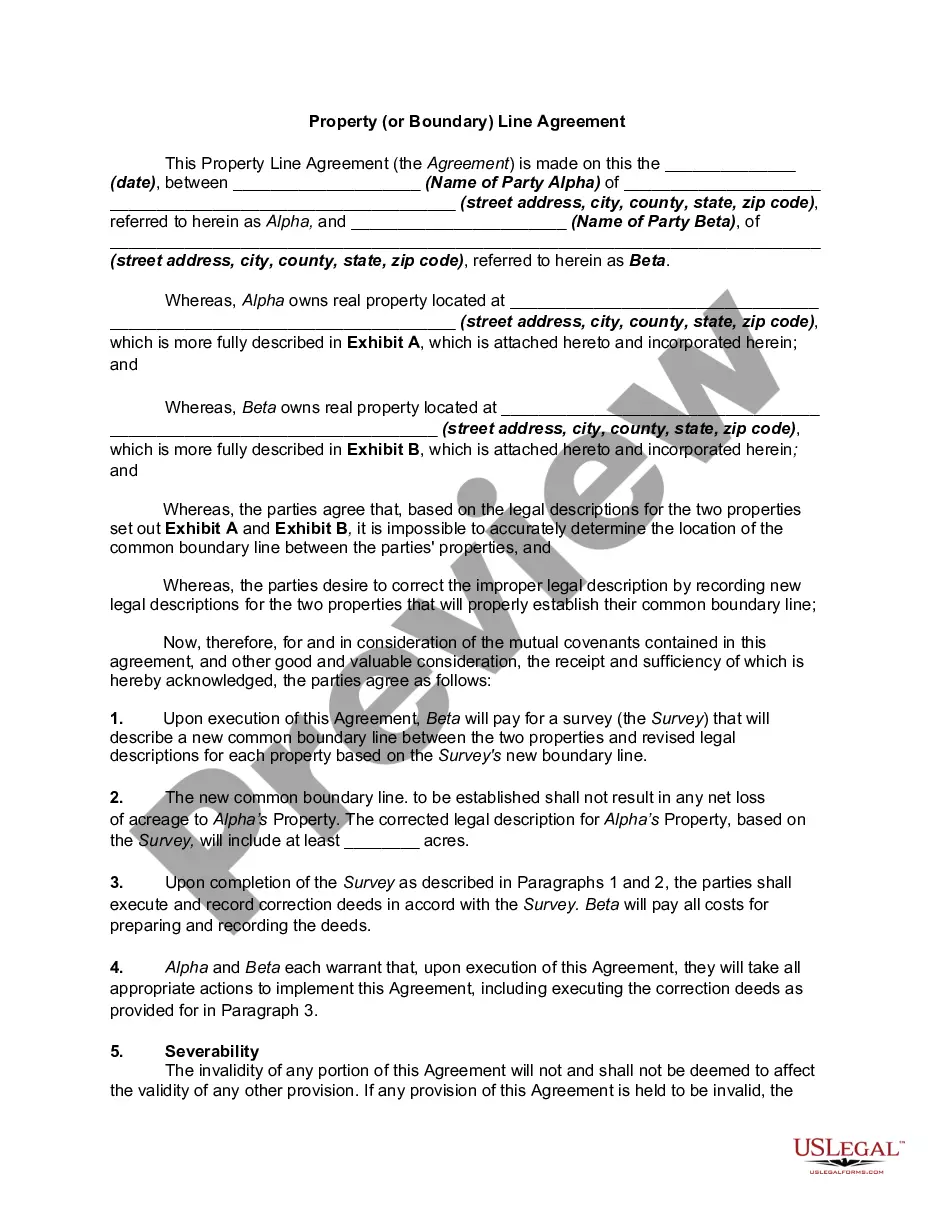
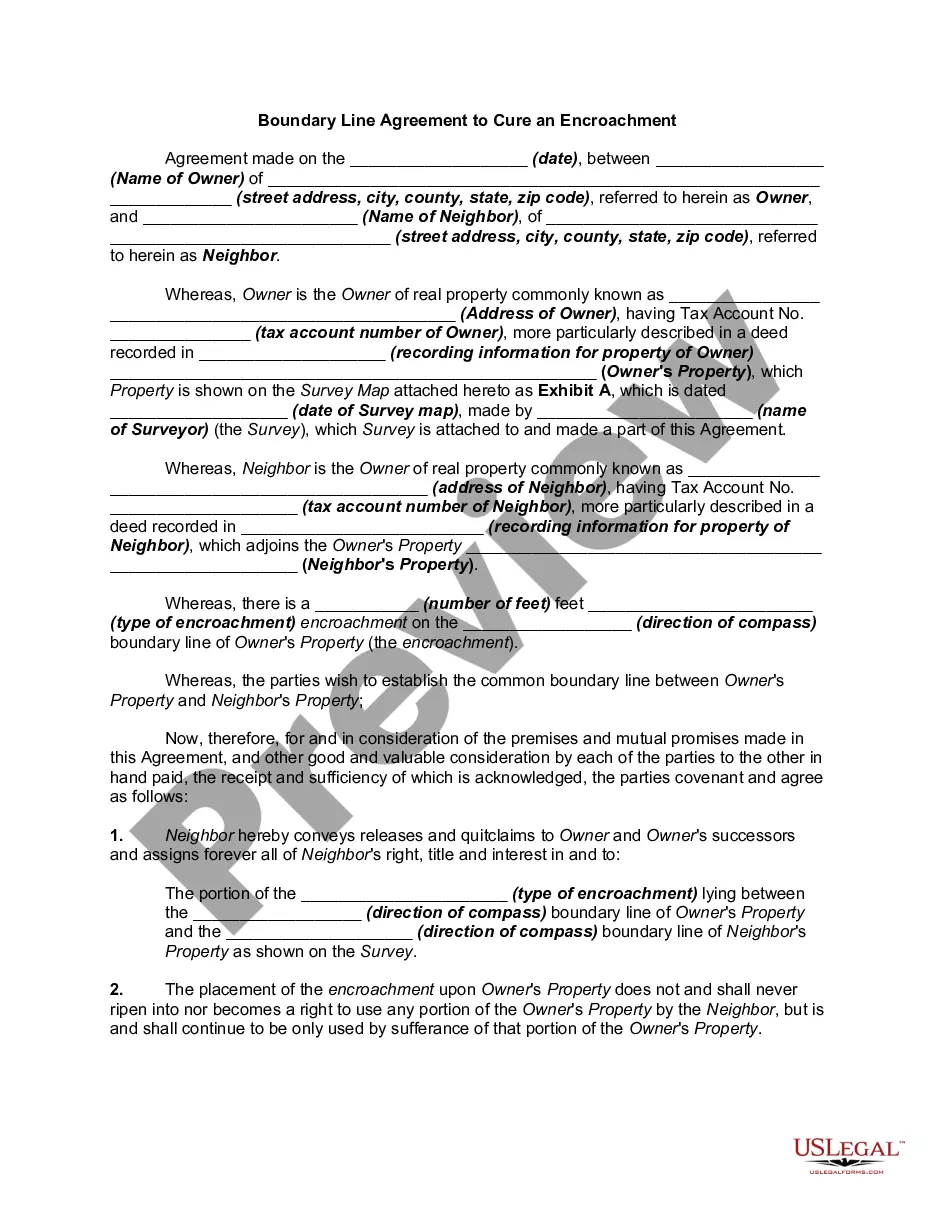
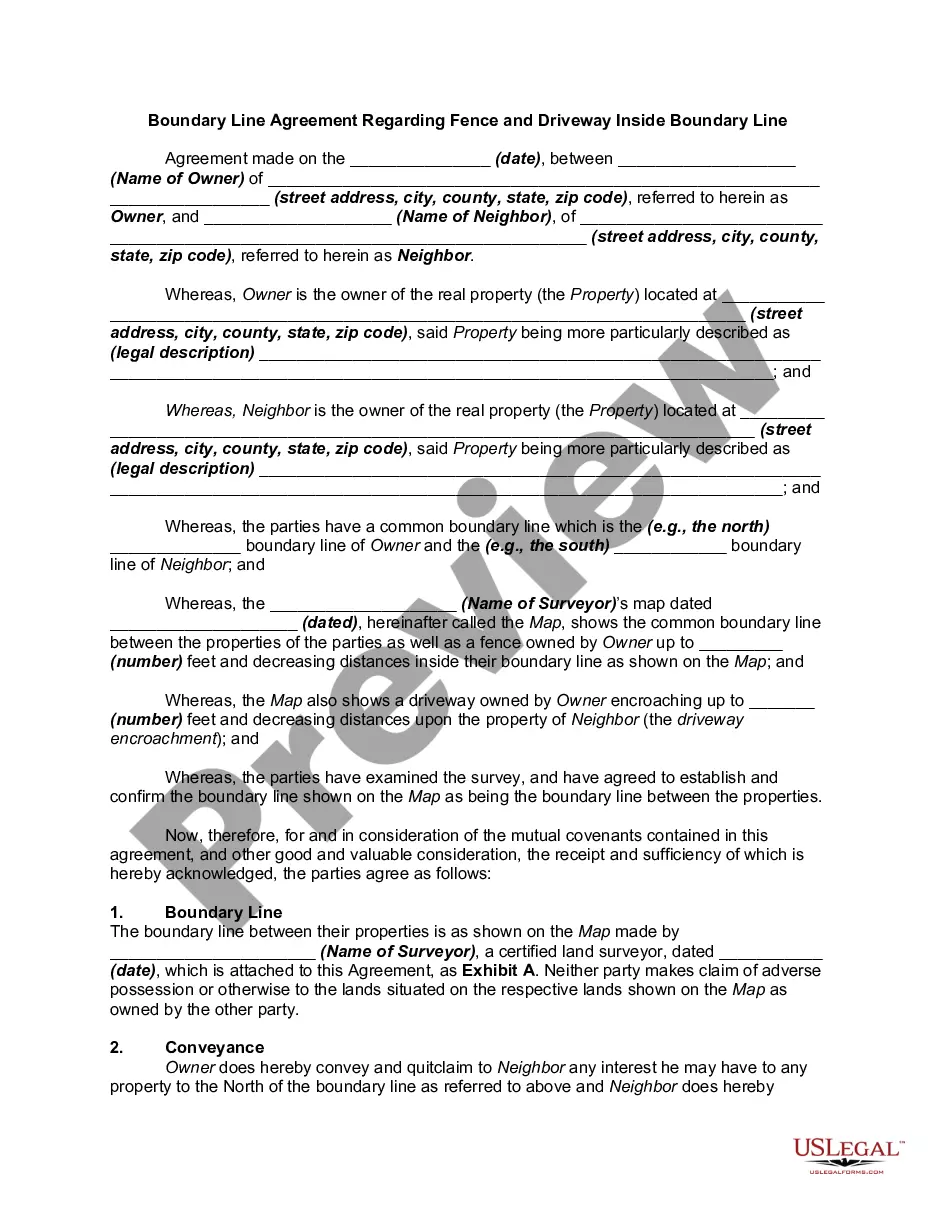
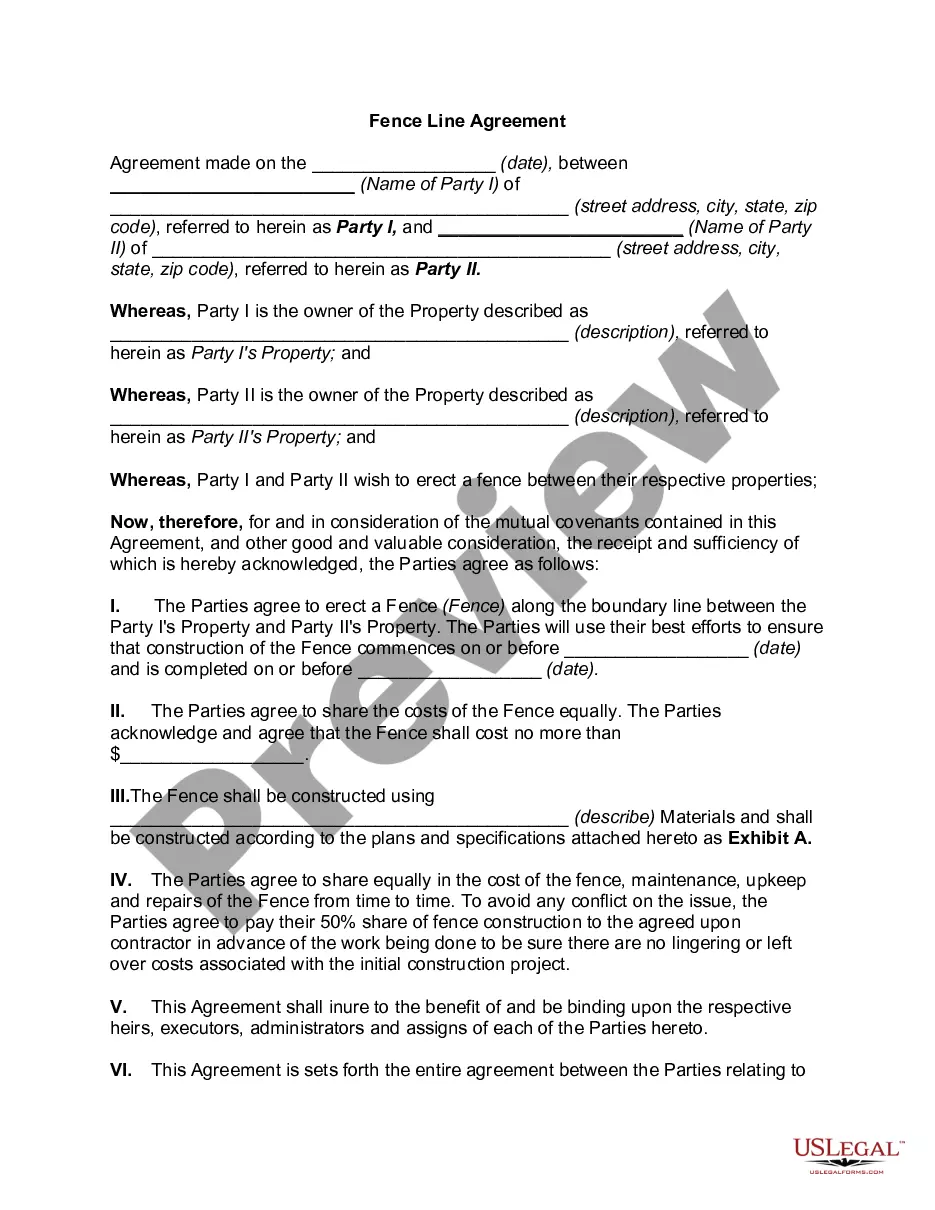
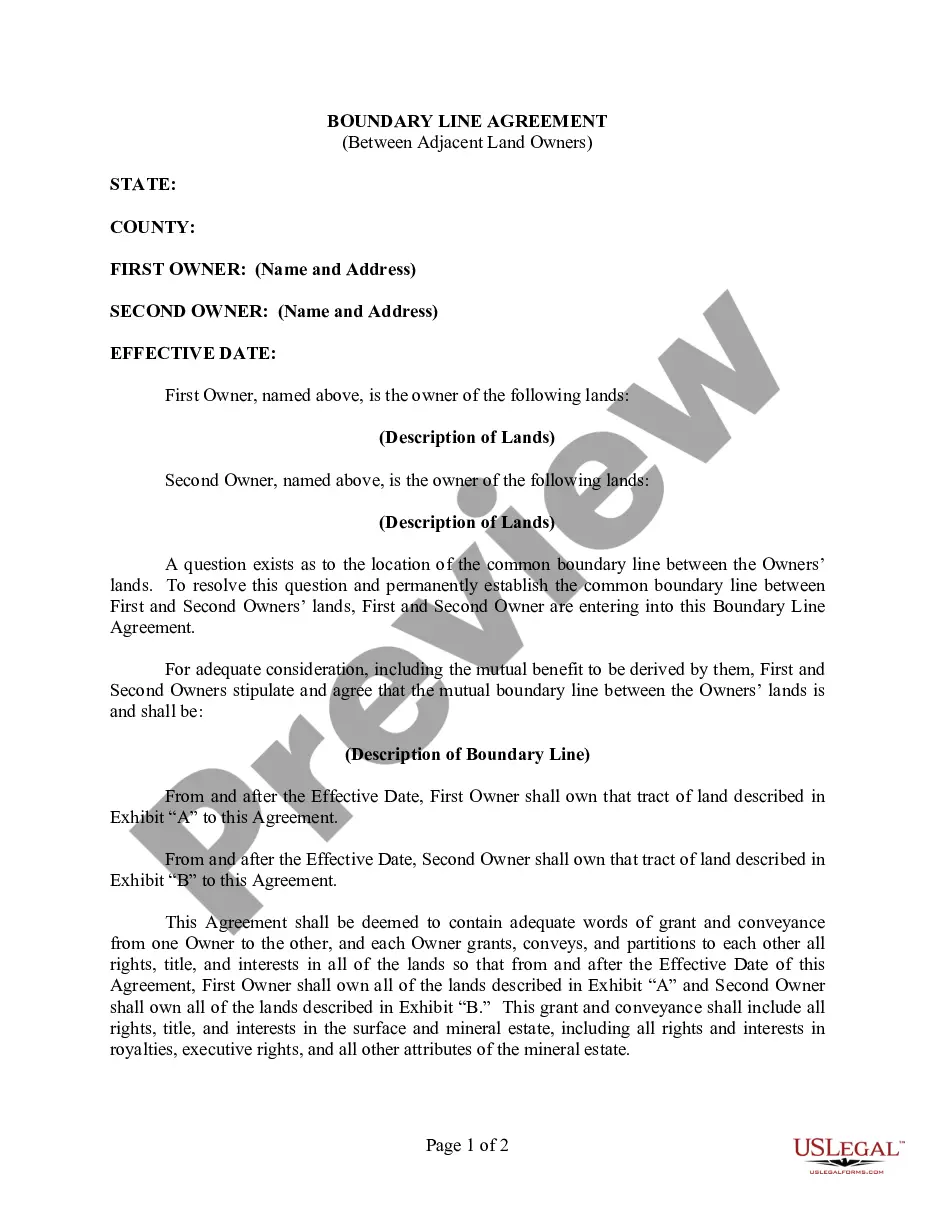
Get your form ready online
Our built-in tools help you complete, sign, share, and store your documents in one place.
Make edits, fill in missing information, and update formatting in US Legal Forms—just like you would in MS Word.
Download a copy, print it, send it by email, or mail it via USPS—whatever works best for your next step.
Sign and collect signatures with our SignNow integration. Send to multiple recipients, set reminders, and more. Go Premium to unlock E-Sign.
If this form requires notarization, complete it online through a secure video call—no need to meet a notary in person or wait for an appointment.
We protect your documents and personal data by following strict security and privacy standards.

Make edits, fill in missing information, and update formatting in US Legal Forms—just like you would in MS Word.

Download a copy, print it, send it by email, or mail it via USPS—whatever works best for your next step.

Sign and collect signatures with our SignNow integration. Send to multiple recipients, set reminders, and more. Go Premium to unlock E-Sign.

If this form requires notarization, complete it online through a secure video call—no need to meet a notary in person or wait for an appointment.

We protect your documents and personal data by following strict security and privacy standards.
Looking for another form?










Form popularity
FAQ
If they were married, they would likely receive spousal maintenance and attorney fees. Arizona is a community property state, as well. However, the rules in Arizona differ greatly from Washington. An unmarried couple that is splitting up in Arizona has no rights to one another's property.
How do I write a Cohabitation Agreement? General details. You'll need to provide some basic information, such as. Expenses. If you'd like, you can specify how you'll divide household expenses. Assets. You can list the assets that each party owns and keeps separate. Debt. Children. Final details.
Yes, you can write your own cohabitation agreement, but to ensure it is legally enforceable, both partners should sign it in front of a notary, and legal counsel is advised to review it for compliance with state laws.
You declare the legal cohabitation together with your partner or cohabitant before the registrar of births, deaths, and marriages. The declaration contains the following information: date of the declaration. surname, first names, place and date of birth, signature of both parties.
Answer: If unmarried: Arizona does not recognize “common law” marriage (A.R.S. 25-111), so there are no formal legal rules for the division of property when an unmarried couple breaks up, regardless of whether or not they lived together.
Cohabiting couples in California can create a 'cohabitation agreement' to outline the terms of their relationship, including property division, financial arrangements, and responsibilities. This legally binding document serves to protect each person's interests and can simplify matters should the relationship end.
Because unmarried cohabitation does not create a marital estate in Arizona, community property principles do not apply when unmarried couples separate. Instead, all property acquired by either party before or during the relationship is considered separate property belonging solely to the person who acquired it.
How do I write a Cohabitation Agreement? General details. You'll need to provide some basic information, such as. Expenses. If you'd like, you can specify how you'll divide household expenses. Assets. You can list the assets that each party owns and keeps separate. Debt. Children. Final details.
