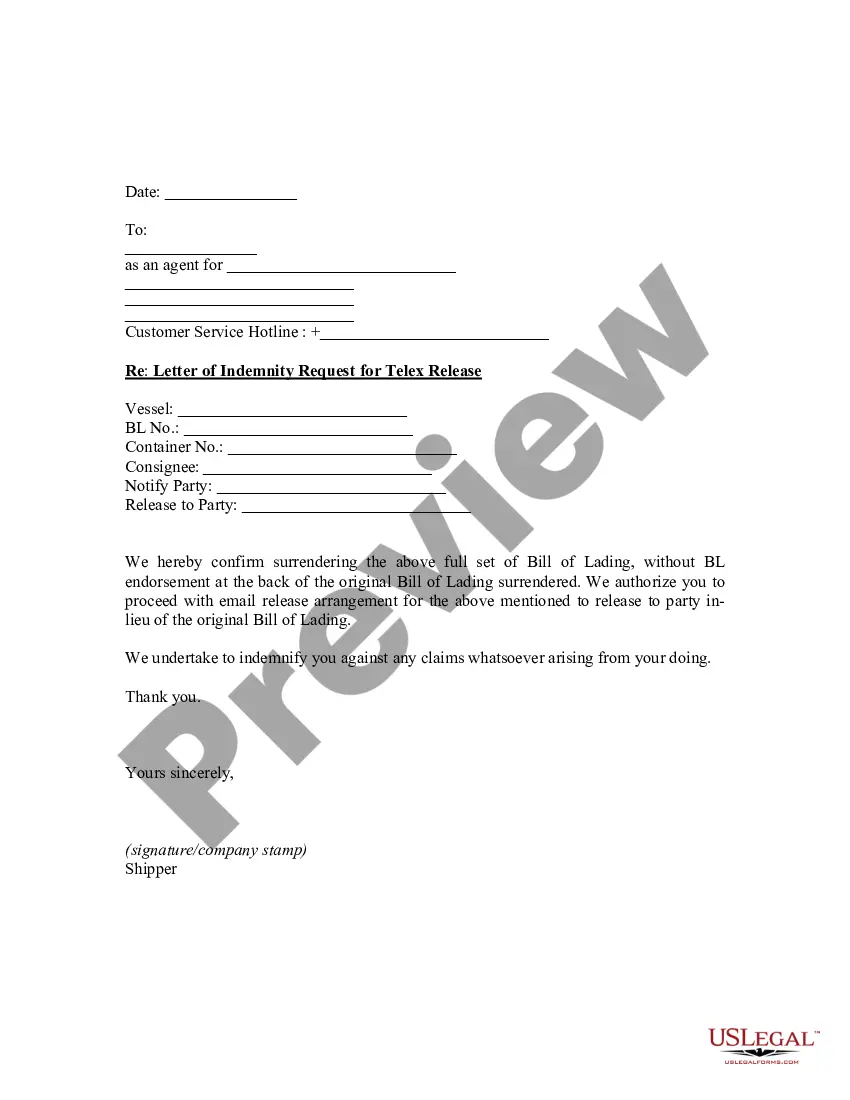
Claim Against Estate File Formal In Utah
Description


Get your form ready online
Our built-in tools help you complete, sign, share, and store your documents in one place.
Make edits, fill in missing information, and update formatting in US Legal Forms—just like you would in MS Word.
Download a copy, print it, send it by email, or mail it via USPS—whatever works best for your next step.
Sign and collect signatures with our SignNow integration. Send to multiple recipients, set reminders, and more. Go Premium to unlock E-Sign.
If this form requires notarization, complete it online through a secure video call—no need to meet a notary in person or wait for an appointment.
We protect your documents and personal data by following strict security and privacy standards.

Make edits, fill in missing information, and update formatting in US Legal Forms—just like you would in MS Word.

Download a copy, print it, send it by email, or mail it via USPS—whatever works best for your next step.

Sign and collect signatures with our SignNow integration. Send to multiple recipients, set reminders, and more. Go Premium to unlock E-Sign.

If this form requires notarization, complete it online through a secure video call—no need to meet a notary in person or wait for an appointment.

We protect your documents and personal data by following strict security and privacy standards.
Looking for another form?








Form popularity
FAQ
The Petition for Probate of Will and Letters Testamentary is requesting for the court to validate the Will and formally appoint the Executor. Once this is done, the court authorizes the Executor to oversee the process of distributing assets and property to beneficiaries per the instructions provided in the Will.
Yes, an executor can sue on behalf of the estate. California Probate Code §9820 empowers an executor to commence and maintain legal actions and proceedings for the benefit of the estate.
There are two types of wills: formal and informal. Formal wills are written by an attorney, signed in the presence of witnesses, and sometimes notarized. Informal wills, also known as holographic wills, are written entirely in the handwriting of the person making the will and do not require witnesses or notarization.
Formal probate is the process for asking the court to appoint a personal representative with a hearing, usually because there is some disagreement about who should be the personal representative or how the estate should be administered and the interested parties need to the court to make decisions.
Time Frame For Suing An Estate The California statute of limitations requires filing the lawsuit within 40 days from the defendant's death. Missing this timeline can affect the outcome of the case.
Formal Probate: High level of court supervision, with multiple hearings and judicial oversight. Informal Probate: Minimal court involvement, with fewer hearings and more autonomy for the personal representative.
Utah recognizes two types of written Wills. To be valid, it must be in writing, signed by you, or another person at your direction and in your presence, and attested in your presence by at least two credible witnesses over the age of 14.
Here are the most common situations: Lack of Testamentary Capacity. This is a commonly cited reason for contesting a will. Undue Influence. Fraud. Improper Execution. The Existence of a More Recent Will.
Privacy Concerns. One common question that arises is whether wills are public record in Utah. The good news is that, in most cases, wills are kept private until the individual passes away.
To contest a will, you will have to file a special pleading in the probate court to object to a petition for probate. This will result in the executor and all the surviving heirs being summoned for a proceeding. There is no right to a jury trial, instead, the trier of the fact will be the court.