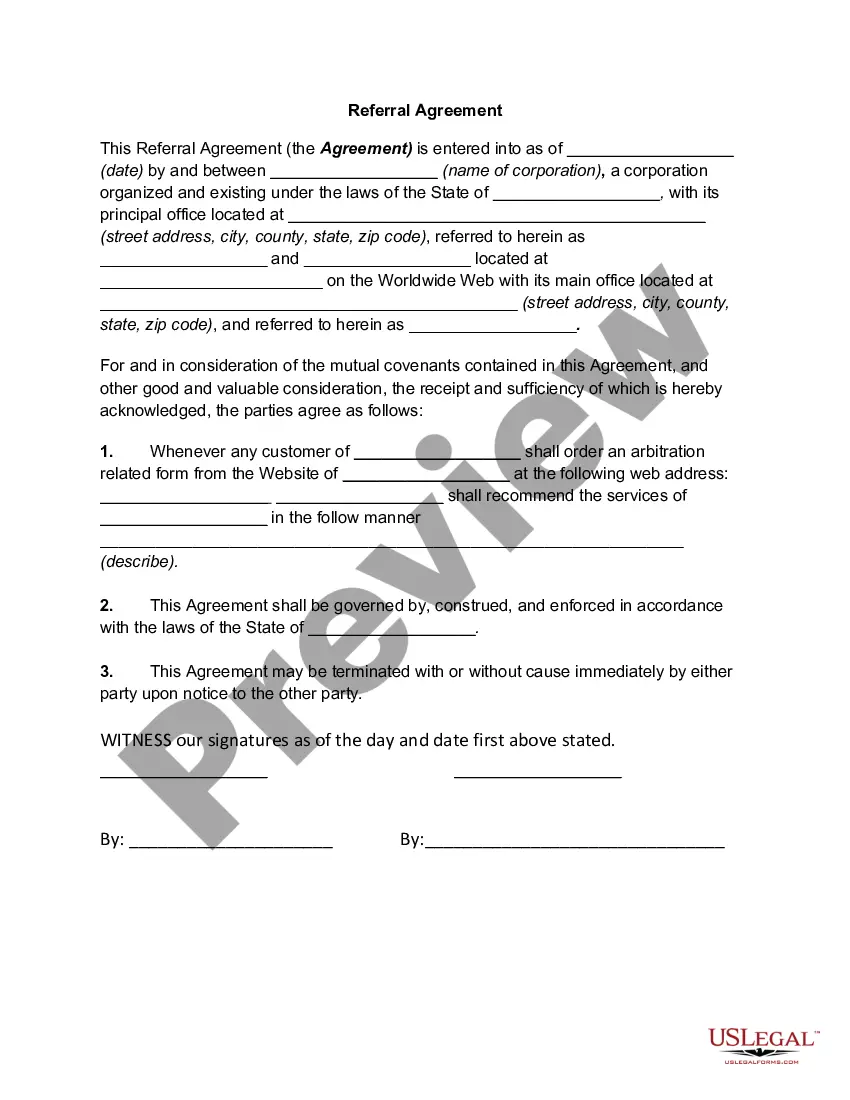
Claim Against Estate File Format In Texas
Description


Get your form ready online
Our built-in tools help you complete, sign, share, and store your documents in one place.
Make edits, fill in missing information, and update formatting in US Legal Forms—just like you would in MS Word.
Download a copy, print it, send it by email, or mail it via USPS—whatever works best for your next step.
Sign and collect signatures with our SignNow integration. Send to multiple recipients, set reminders, and more. Go Premium to unlock E-Sign.
If this form requires notarization, complete it online through a secure video call—no need to meet a notary in person or wait for an appointment.
We protect your documents and personal data by following strict security and privacy standards.

Make edits, fill in missing information, and update formatting in US Legal Forms—just like you would in MS Word.

Download a copy, print it, send it by email, or mail it via USPS—whatever works best for your next step.

Sign and collect signatures with our SignNow integration. Send to multiple recipients, set reminders, and more. Go Premium to unlock E-Sign.

If this form requires notarization, complete it online through a secure video call—no need to meet a notary in person or wait for an appointment.

We protect your documents and personal data by following strict security and privacy standards.
Looking for another form?







Form popularity
FAQ
If a creditor wishes to file a claim against the estate, they must do so in writing and provide documentation of the debt. The claim must be filed with the probate court and a copy must be sent to the executor or administrator of the estate.
No. In Texas, an estate is not a legal entity. Therefore, it cannot sue or be sued. A court will need to appoint a personal representative of an estate, acting in his or her capacity.
A creditor then has a time limit within which they may file a claim against the estate. They must do so within the later of: Six months from when the probate process officially begins (i.e., the date letters testamentary or of administration are granted), or. Four months after the date the mandatory notice is received.
Two Years. Basic Rule: In general, a Texas will contest must be filed within two years from the date the will is admitted to probate, not two years from death.
Intestate Succession: Dying Without a Will in Texas The statutory timelines for intestate succession are as follows: 4 years from the date of death to determine heirs and distribute property. Exceptions allow more time in certain cases involving legal disability, litigation, or efforts to locate missing heirs.
Probate Without an Attorney: The Muniment of Title Exception It is generally appropriate only in the simplest of small estates; for example, when the only property of an estate is a house that needs to be transferred to the sole beneficiary named in the will.
The form must include: The witnesses' names and addresses. Relationships to the decedent. Decedent's date of death. Decedent's marital history. Decedent's family history (children, grandchildren, parents, siblings, nieces/nephews)
The process for muniment of title in Texas is relatively straightforward. Application. The process starts with filing an application in the probate court located in the county where the deceased lived. Court Hearing. Next, the court will review the application and complete the following. Court Order.
What are the Requirements for a Muniment in Texas? The person who has passed away must have left a valid will. The will must be admitted to probate by a court in Texas. The proponent of the will must file an application that includes a statement that the estate does not owe any debts or have debts that will go unpaid.
For example, if the only reason for probating a Will is to clear title to property, then a Will can be admitted to probate as a muniment of title.