Sample Claim Statement With Case Laws In Tarrant
Description


Get your form ready online
Our built-in tools help you complete, sign, share, and store your documents in one place.
Make edits, fill in missing information, and update formatting in US Legal Forms—just like you would in MS Word.
Download a copy, print it, send it by email, or mail it via USPS—whatever works best for your next step.
Sign and collect signatures with our SignNow integration. Send to multiple recipients, set reminders, and more. Go Premium to unlock E-Sign.
If this form requires notarization, complete it online through a secure video call—no need to meet a notary in person or wait for an appointment.
We protect your documents and personal data by following strict security and privacy standards.

Make edits, fill in missing information, and update formatting in US Legal Forms—just like you would in MS Word.

Download a copy, print it, send it by email, or mail it via USPS—whatever works best for your next step.

Sign and collect signatures with our SignNow integration. Send to multiple recipients, set reminders, and more. Go Premium to unlock E-Sign.

If this form requires notarization, complete it online through a secure video call—no need to meet a notary in person or wait for an appointment.

We protect your documents and personal data by following strict security and privacy standards.
Looking for another form?
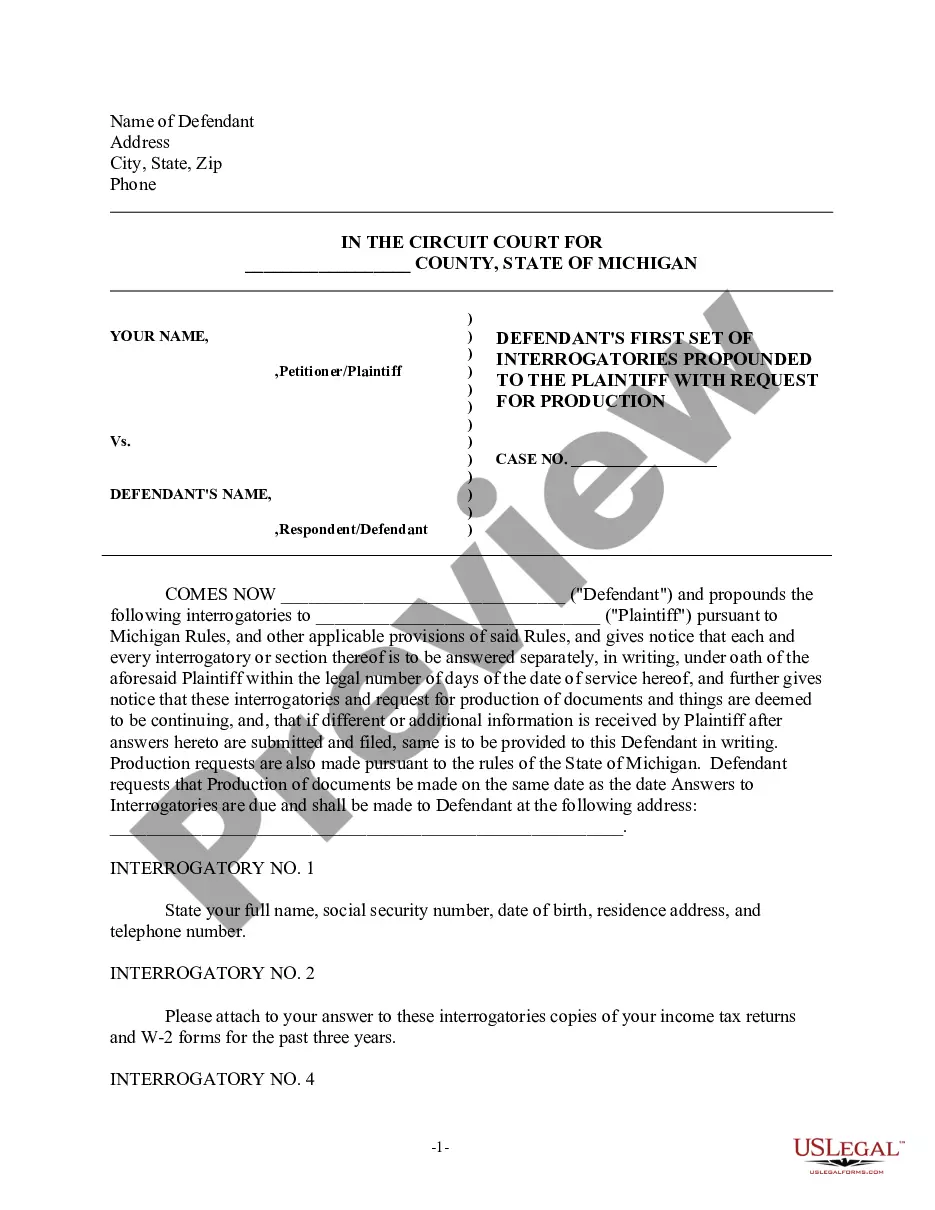

Form popularity
FAQ
(1) by appearing in person before the Justice of the Peace or the clerk and filing a statement of the claim under oath; or, (2) by filing a sworn Small Claims Petition with the Justice of the Peace or clerk of the court.
Most Tarrant County precincts allow you to file your small claims lawsuit through the following methods: In-person. You can go to the court you wish to file your small claims lawsuit and file the forms with a court clerk in person. Online. Some Tarrant County precincts allow e-filing or electronic filing. By mail.
Small Claims Cases in Texas The limit to the amount that a person can sue for in small claims cases is $20,000. Justice courts can also settle landlord/tenant disputes such as evictions and repairs.
In Texas civil cases, one way a case gets dismissed is with something called a "nonsuit." A nonsuit occurs when the plaintiff or petitioner files a notice with the court and other parties to the lawsuit that they no longer wish to pursue the case.
Learn the ropes. Understand how to present your case. Make sure your evidence is relevant and admissible. Get organised. Provide proof for what you say. Remember you must also prove your loss. Comply with court orders and rules. Show respect for the judge, the court and the process.