Suing An Estate Executor For Negligence
Description


Get your form ready online
Our built-in tools help you complete, sign, share, and store your documents in one place.
Make edits, fill in missing information, and update formatting in US Legal Forms—just like you would in MS Word.
Download a copy, print it, send it by email, or mail it via USPS—whatever works best for your next step.
Sign and collect signatures with our SignNow integration. Send to multiple recipients, set reminders, and more. Go Premium to unlock E-Sign.
If this form requires notarization, complete it online through a secure video call—no need to meet a notary in person or wait for an appointment.
We protect your documents and personal data by following strict security and privacy standards.

Make edits, fill in missing information, and update formatting in US Legal Forms—just like you would in MS Word.

Download a copy, print it, send it by email, or mail it via USPS—whatever works best for your next step.

Sign and collect signatures with our SignNow integration. Send to multiple recipients, set reminders, and more. Go Premium to unlock E-Sign.

If this form requires notarization, complete it online through a secure video call—no need to meet a notary in person or wait for an appointment.

We protect your documents and personal data by following strict security and privacy standards.
Looking for another form?
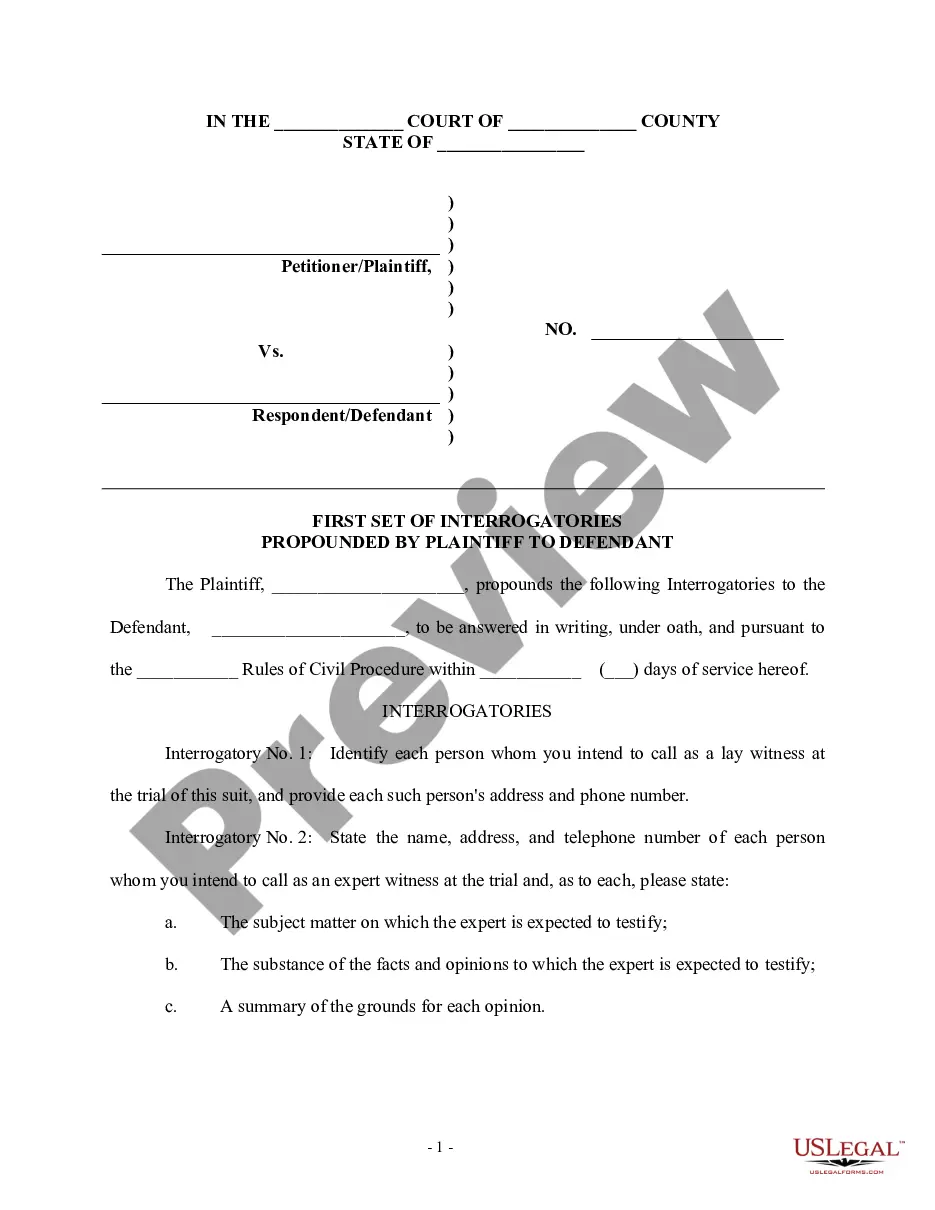
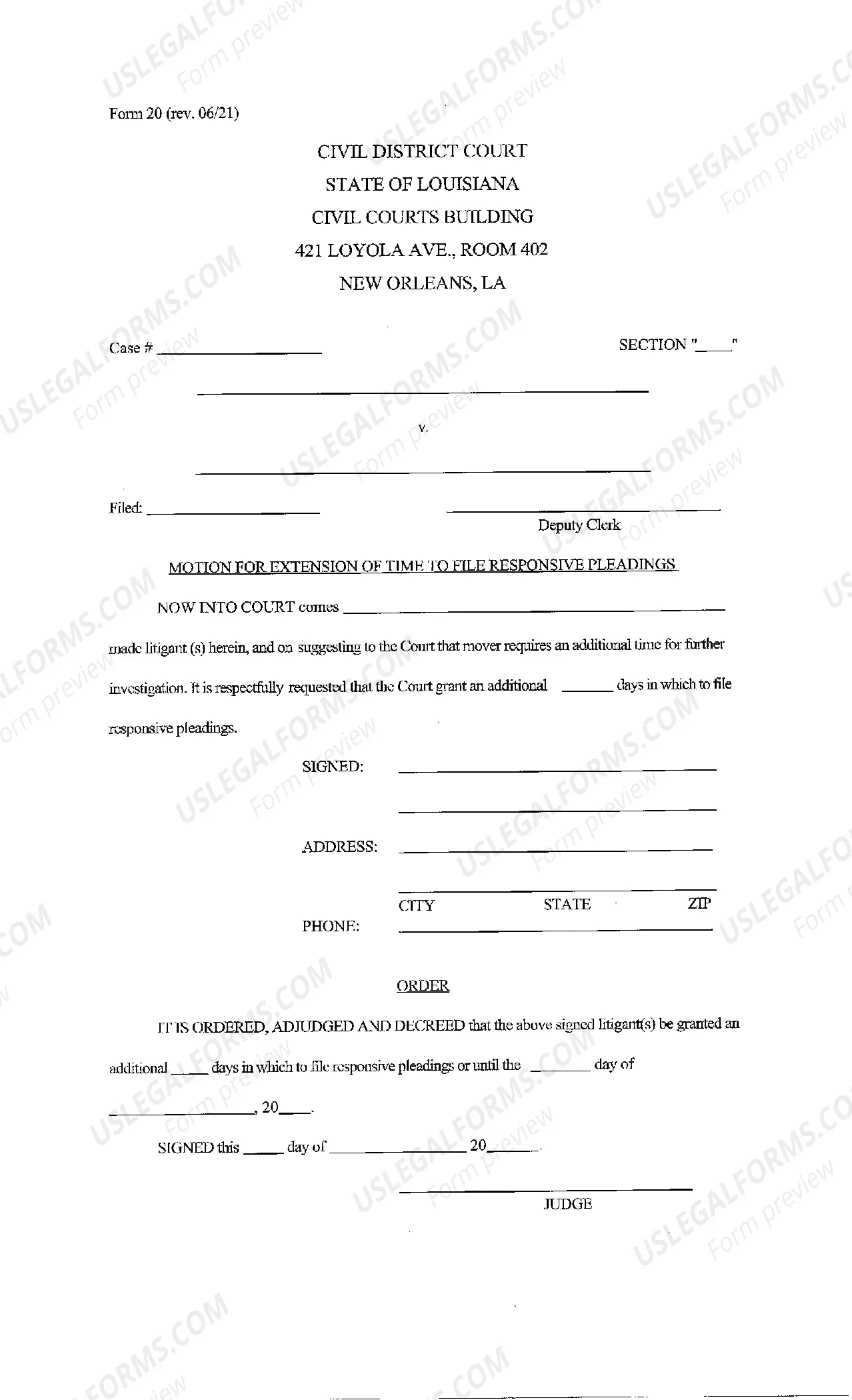
How to fill out Sample Letter For Claim Settlement Against Decedent's Estate?
Acquiring legal documents that comply with federal and local laws is crucial, and the internet provides numerous choices to select from.
However, what’s the use of spending time searching for the properly prepared Suing An Estate Executor For Negligence template online when the US Legal Forms digital library has already compiled such documents in one location.
US Legal Forms is the largest online legal collection featuring over 85,000 editable templates created by lawyers for various business and personal situations.
Review the template using the Preview feature or through the text description to ensure it suits your requirements.
- They are easy to navigate with all files categorized by state and intended use.
- Our specialists keep up with legal changes, ensuring that your documents are always current and compliant when obtaining a Suing An Estate Executor For Negligence from our site.
- Acquiring a Suing An Estate Executor For Negligence is quick and straightforward for both existing and new users.
- If you already possess an account with an active subscription, Log In and save the document template you require in the desired format.
- If you are a newcomer to our site, follow these instructions.
Form popularity
FAQ
To take legal action against an executor, start by gathering evidence of their negligence, such as financial records or communication. Next, consult with an attorney who specializes in probate law to evaluate your case. They can guide you through the process of filing a lawsuit and represent your interests in court. Utilizing resources like US Legal Forms can help you find the necessary legal documents and information for suing an estate executor for negligence.
The statute of limitations for suing an executor generally varies by state, but it often ranges from one to three years. This timeframe begins from the date you discover the negligence or when it should have been discovered. It is crucial to act promptly, as delays can hinder your ability to seek justice. Understanding these time constraints is vital when considering suing an estate executor for negligence.
An executor is held accountable through the probate court, which oversees the administration of the estate. If you believe there has been negligence, you can file a complaint. The court will evaluate the executor's actions and determine if they failed to act in the best interest of the estate. Suing an estate executor for negligence can lead to the removal of the executor and potential financial restitution.
To prove executor misconduct, you must gather evidence that demonstrates the executor's failure to act in the best interest of the estate. This could include financial records, communication logs, or testimonies from other beneficiaries. If you believe that suing an estate executor for negligence is warranted, consider utilizing resources like US Legal Forms to streamline your legal documents and processes. This can help you present a strong case against the executor.
Beneficiaries of the estate typically hold the executor accountable for their actions. If you suspect negligence, you can initiate a legal process to address these concerns. Suing an estate executor for negligence requires proving that the executor failed to fulfill their duties. You may also seek advice from legal professionals to help navigate this process effectively.
To hold an executor accountable, you can request a formal accounting of the estate's finances. This process will help you identify any discrepancies or mismanagement. If the executor fails to provide satisfactory information, you may consider filing a complaint with the court. Engaging with platforms like US Legal Forms can provide you with necessary legal documents and guidance for holding an executor accountable when suing an estate executor for negligence.
To sue the executor of an estate, you should first gather evidence showing negligence. This evidence can include records of mismanagement or failure to fulfill their duties. Next, file a lawsuit in the appropriate court, outlining your claims against the executor. Seeking legal assistance can help you navigate this process effectively, especially when suing an estate executor for negligence.
