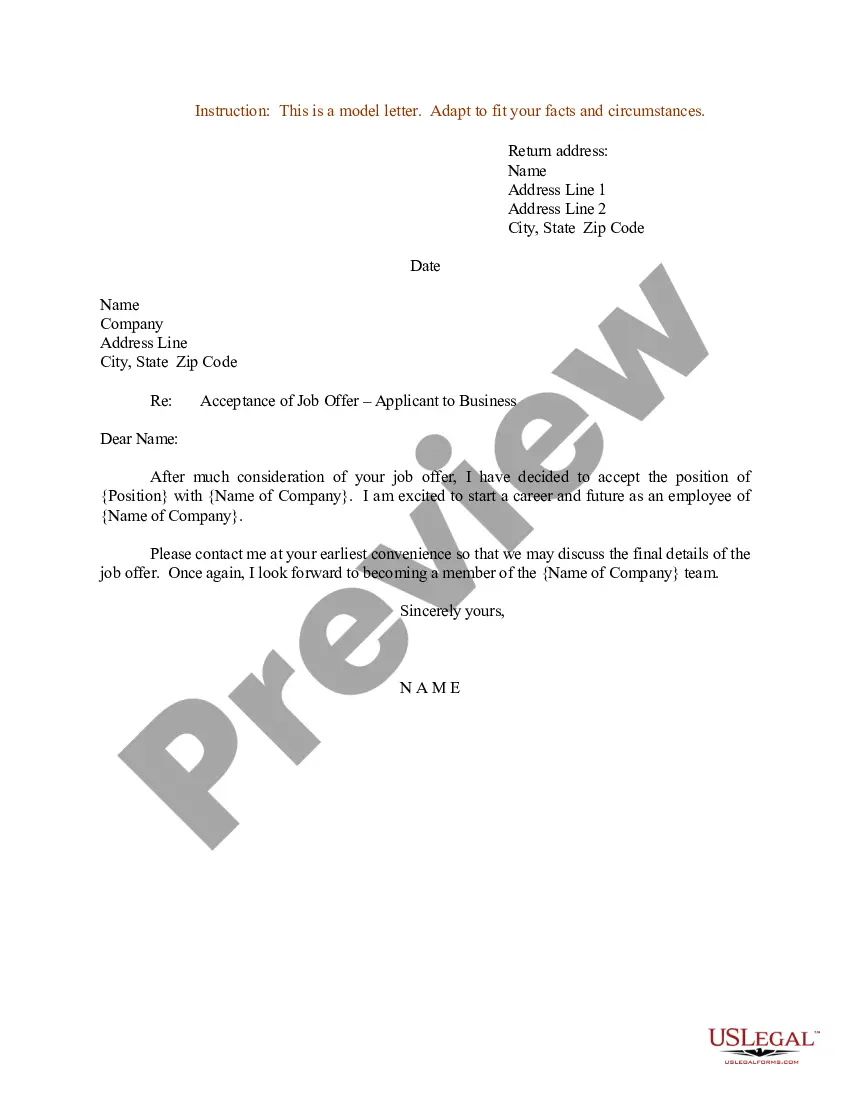
Claim Against Estate File For Maintenance In Suffolk
Description


Get your form ready online
Our built-in tools help you complete, sign, share, and store your documents in one place.
Make edits, fill in missing information, and update formatting in US Legal Forms—just like you would in MS Word.
Download a copy, print it, send it by email, or mail it via USPS—whatever works best for your next step.
Sign and collect signatures with our SignNow integration. Send to multiple recipients, set reminders, and more. Go Premium to unlock E-Sign.
If this form requires notarization, complete it online through a secure video call—no need to meet a notary in person or wait for an appointment.
We protect your documents and personal data by following strict security and privacy standards.

Make edits, fill in missing information, and update formatting in US Legal Forms—just like you would in MS Word.

Download a copy, print it, send it by email, or mail it via USPS—whatever works best for your next step.

Sign and collect signatures with our SignNow integration. Send to multiple recipients, set reminders, and more. Go Premium to unlock E-Sign.

If this form requires notarization, complete it online through a secure video call—no need to meet a notary in person or wait for an appointment.

We protect your documents and personal data by following strict security and privacy standards.
Looking for another form?




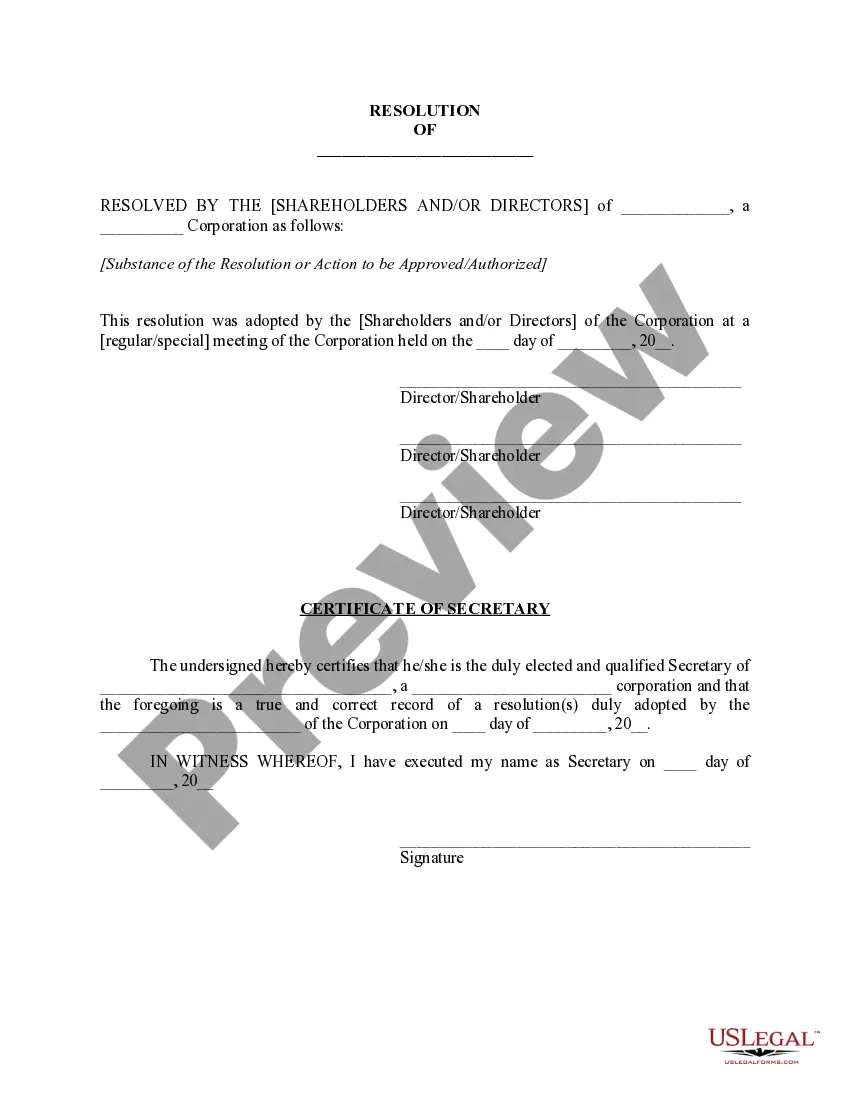



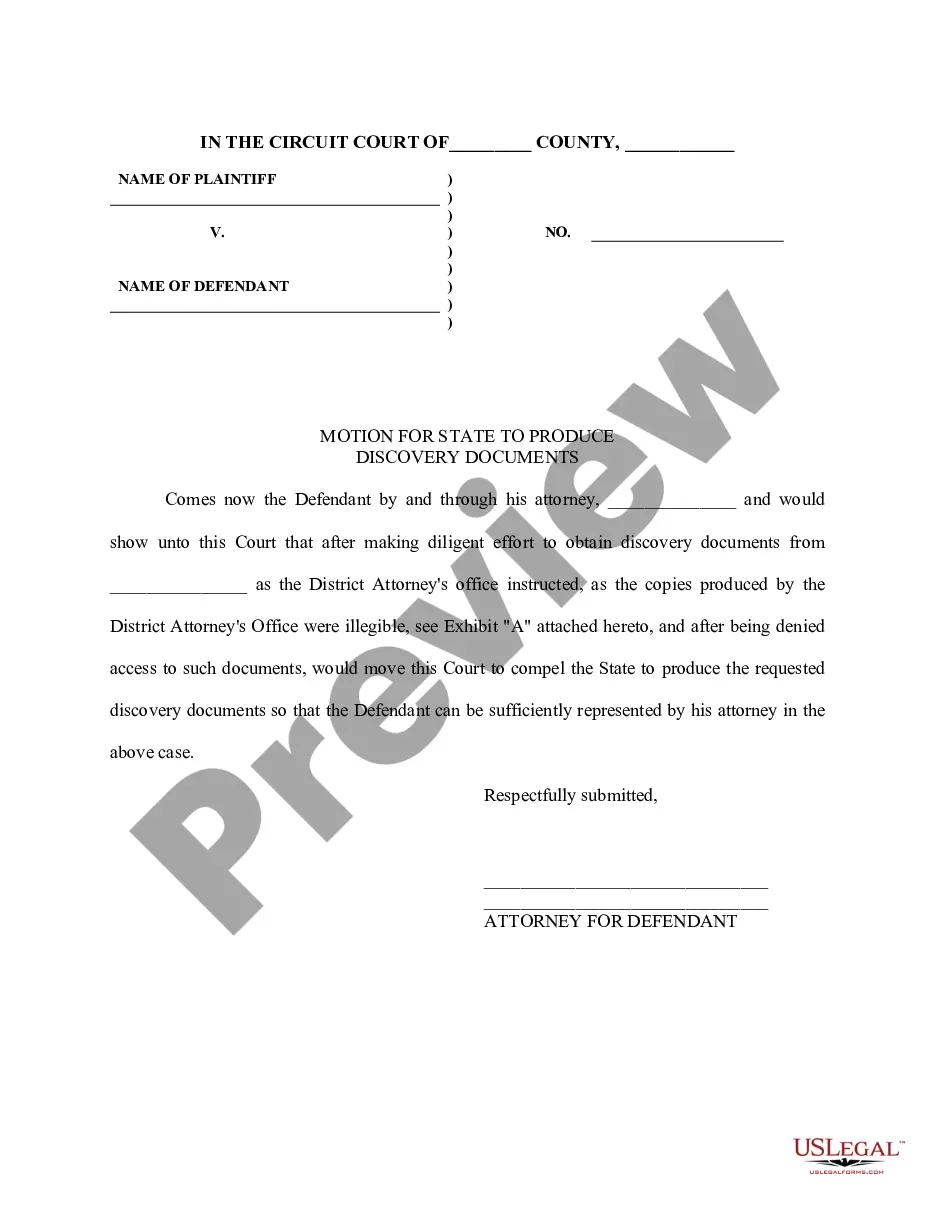
Form popularity
FAQ
Understanding the Deceased Estate 3-Year Rule The core premise of the 3-year rule is that if the deceased's estate is not claimed or administered within three years of their death, the state or governing body may step in and take control of the distribution and management of the assets.
An estate administrator is the appointed legal representative of the deceased. The legal representative may be a surviving spouse, other family member, executor named in the will or an attorney. In general, the estate administrator: Collects all the assets of the deceased.
Under the LRPMA 1934, eligibility very much depends on if the deceased left a Will. If they did, then the Executor of their Estate, named in the Will, is eligible to bring or continue a claim. If the deceased did not leave a Will, then a set list is followed as outlined in the Administration of Estates Act 1945.
The personal representative can bring a claim for losses on behalf of the estate. It is also possible for anyone who was dependent on the deceased (financially or otherwise) to bring a claim in their own right. All claims relating to the same incident would need to be brought at the same time, as one.
Can you make a claim on behalf of someone else? In short, yes: a parent or guardian can make a claim on behalf of an injured child. They have until the child's 18th birthday to make a claim. The child then has a further three years to make a claim themselves, i.e. until they are age 21.
Place a notice in The Gazette giving any creditors 2 months to claim anything they're owed. Do not distribute the estate's assets until the 2 months is up.
Where the deceased has made a will, the will would appoint one or more executors, also known as a personal representative. Anyone of those executors / personal representatives can bring and/or continue with the claim.
Ask the County Clerk or search online for your county's probate forms. Fill out the forms with the requested details, such as the decedent's full name, address, date of birth, and date of death; their personal representatives' contact details; heirs; estate value; and more. Then return the forms to the County Clerk.
To make a claim in an estate, the creditor must go through the court system. The creditor first files a Statement of Claim in the probate matter for the decedent, or the person who died.