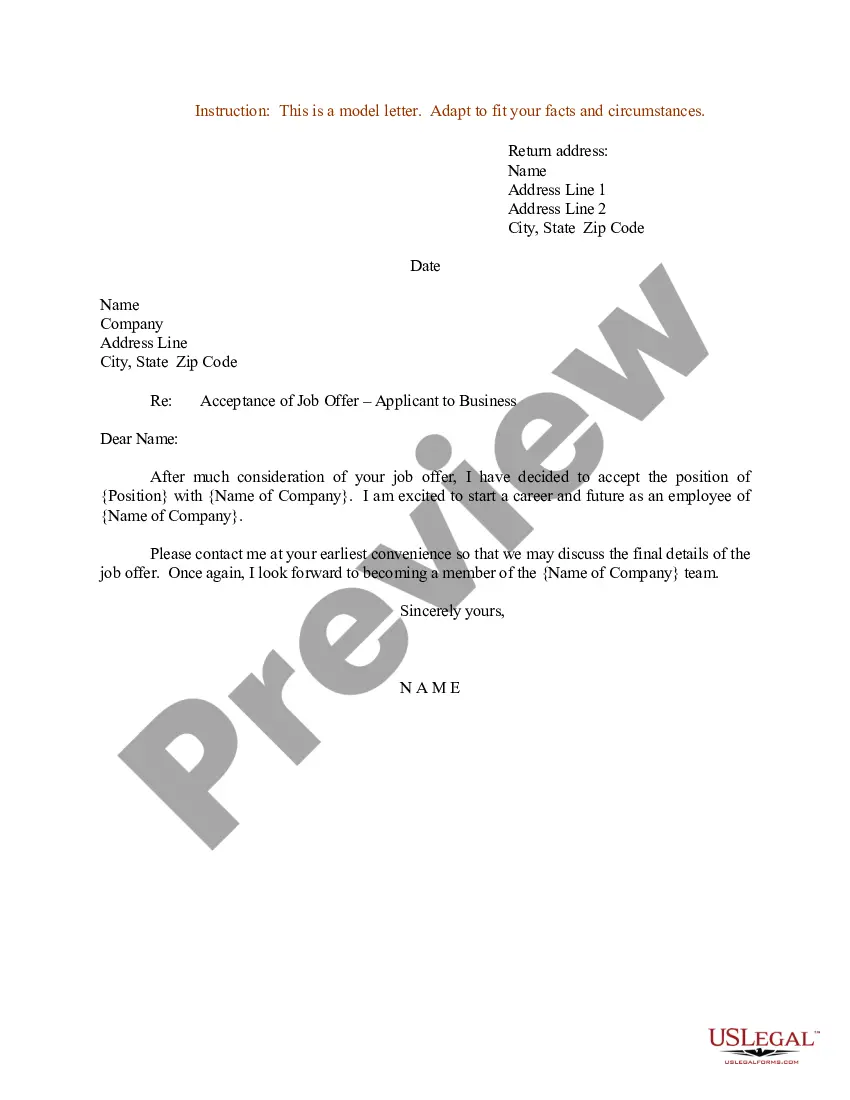
Sample Claim Statement With Example In Santa Clara
Description


Get your form ready online
Our built-in tools help you complete, sign, share, and store your documents in one place.
Make edits, fill in missing information, and update formatting in US Legal Forms—just like you would in MS Word.
Download a copy, print it, send it by email, or mail it via USPS—whatever works best for your next step.
Sign and collect signatures with our SignNow integration. Send to multiple recipients, set reminders, and more. Go Premium to unlock E-Sign.
If this form requires notarization, complete it online through a secure video call—no need to meet a notary in person or wait for an appointment.
We protect your documents and personal data by following strict security and privacy standards.

Make edits, fill in missing information, and update formatting in US Legal Forms—just like you would in MS Word.

Download a copy, print it, send it by email, or mail it via USPS—whatever works best for your next step.

Sign and collect signatures with our SignNow integration. Send to multiple recipients, set reminders, and more. Go Premium to unlock E-Sign.

If this form requires notarization, complete it online through a secure video call—no need to meet a notary in person or wait for an appointment.

We protect your documents and personal data by following strict security and privacy standards.
Looking for another form?


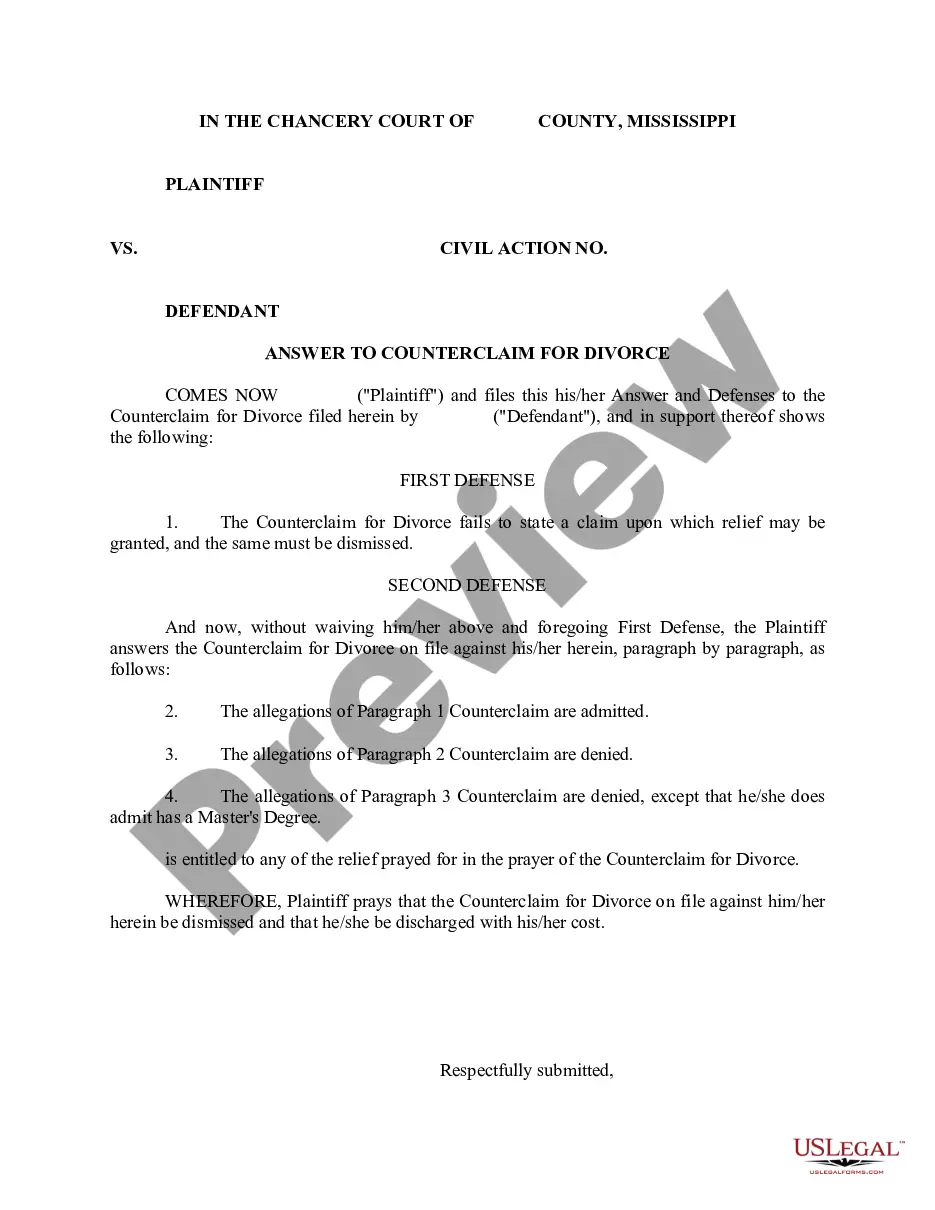
Form popularity
FAQ
Conclusion: Going to small claims court may be worth it for $500, but it will determine how you weigh your costs versus benefits. At a minimum, it is worth it to send a demand letter.
You start your case by filling out an SC-100 Plaintiff's Claim form and filing it with the court clerk. Be sure you name the Defendant correctly or you may not be able to collect your judgment.
Steps to an Alameda County Small Claims Lawsuit Demand payment from the other party before suing. Prepare the lawsuit using Plaintiff's Claim and Order to Go to Small Claims Court. File the lawsuit with the court. Serve the lawsuit on the party you sued. File the Proof of Service. Prepare your evidence.
In many cases, filing in small claims court is the fastest and easiest way for people to legally settle their disputes. The person suing is the plaintiff, and the person being sued is the defendant. A person cannot sue for more than $12,500 in most cases. A business or public entity cannot sue for more than $6,250.
A small claims action begins by filing a Statement of Claim. Small claim cases should be filed with the clerk in the appropriate county. Filing fees for small claims actions are established in the Florida Statutes and local county ordinances. The clerk of court may be able to provide information on filing fees.
Generally, you can only sue for up to $12,500 in small claims court (or up to $6,250 if you're a business). You can ask a lawyer for advice before you go to court, but you can't have one with you in court. Starting November 1, 2021, you can sue or be sued for COVID-19 rental debt in small claims.
If you file a case, you are called the Plaintiff. The person you sue is the Defendant. You start your case by filling out an SC-100 Plaintiff's Claim form and filing it with the court clerk. Be sure you name the Defendant correctly or you may not be able to collect your judgment.
A form called “SC-100” must be completed by you to start a Small Claims case. Once the SC-100 form is filled out, take it to the correct courthouse to file it with the court clerk.
Other Plaintiffs or Defendants (SC-100A) Use this form if you are filing a case that involves three or more Plaintiffs or Defendants. Fill out this form and attach it to your Plaintiff's Claim. Download Other Plaintiff's Form. Proof of Service (SC-104)
In sum, there is no formal minimum amount required to file a small claims case in the Philippines. The small claims rules are silent on any bottom threshold, focusing instead on a maximum jurisdictional limit of PHP 400,000.