Settlement Against Estate With Absolute Sale In San Jose
Description


Get your form ready online
Our built-in tools help you complete, sign, share, and store your documents in one place.
Make edits, fill in missing information, and update formatting in US Legal Forms—just like you would in MS Word.
Download a copy, print it, send it by email, or mail it via USPS—whatever works best for your next step.
Sign and collect signatures with our SignNow integration. Send to multiple recipients, set reminders, and more. Go Premium to unlock E-Sign.
If this form requires notarization, complete it online through a secure video call—no need to meet a notary in person or wait for an appointment.
We protect your documents and personal data by following strict security and privacy standards.

Make edits, fill in missing information, and update formatting in US Legal Forms—just like you would in MS Word.

Download a copy, print it, send it by email, or mail it via USPS—whatever works best for your next step.

Sign and collect signatures with our SignNow integration. Send to multiple recipients, set reminders, and more. Go Premium to unlock E-Sign.

If this form requires notarization, complete it online through a secure video call—no need to meet a notary in person or wait for an appointment.

We protect your documents and personal data by following strict security and privacy standards.
Looking for another form?





Form popularity
FAQ
Time Limits for Filing 120-day deadline: A petition for probate must typically be filed within 120 days of the decedent's passing. This step formally begins the probate process, allowing the court to appoint an executor or administrator to handle the estate.
Time Limits for Filing 30-day deadline: The personal representative (responsible for managing the estate) must notify all beneficiaries and heirs within 30 days of the decedent's death, so everyone understands the probate process and their involvement.
That being said, it is never a good idea to delay the inevitable. California Probate Code section 8001 specifies that the executor has 30 days after the decedent's date of death and after learning they are the nominated executor to petition the court for administration of the estate.
California law says the personal representative must complete probate within one year from the date of appointment, unless s/he files a federal estate tax. In this case, the personal representative can have 18 months to complete probate.
Risk of Estate Taxes and Liens Without probate, the estate may face unresolved tax issues, leading to additional financial liability for the heirs. The estate might also face liens or claims from creditors that could have been resolved through the probate process.
Not all estates need to go through formal probate. Depending on how the property is owned, and the type and amount of property, you may not need to go to court or you may be able to use a simpler court process.
How To Sue A Deceased Person's Estate: Understanding California Law. Probate Code Sections 550 and 552 provide that an action against a deceased person, where the plaintiff seeks recovery of insurance proceeds only, may be filed against “the Estate of Decedent” within the decedent's estate.
A: In California, estates totaling less than $184,500 can avoid probate. A small estate affidavit is a less complicated process for estates valued at less than $166,250.
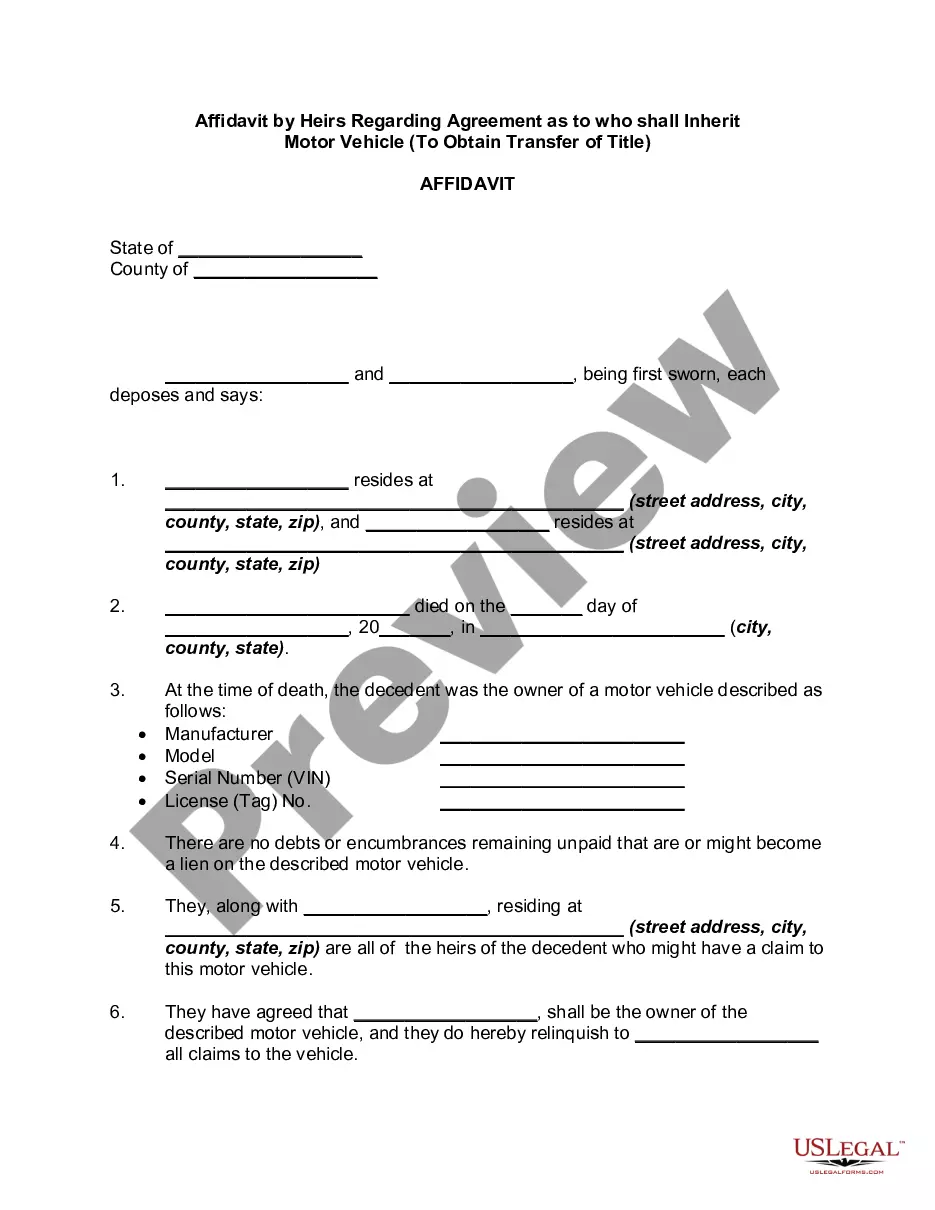
Extra-Judicial Settlement (EJS) with Waiver of Rights An EJS is a legal document that heirs use to divide and distribute the estate of a deceased person when there is no will (intestate succession) and when the heirs are in agreement on the division.

