Executor Of Estate Form After Death Without Will In Salt Lake
Description


Get your form ready online
Our built-in tools help you complete, sign, share, and store your documents in one place.
Make edits, fill in missing information, and update formatting in US Legal Forms—just like you would in MS Word.
Download a copy, print it, send it by email, or mail it via USPS—whatever works best for your next step.
Sign and collect signatures with our SignNow integration. Send to multiple recipients, set reminders, and more. Go Premium to unlock E-Sign.
If this form requires notarization, complete it online through a secure video call—no need to meet a notary in person or wait for an appointment.
We protect your documents and personal data by following strict security and privacy standards.

Make edits, fill in missing information, and update formatting in US Legal Forms—just like you would in MS Word.

Download a copy, print it, send it by email, or mail it via USPS—whatever works best for your next step.

Sign and collect signatures with our SignNow integration. Send to multiple recipients, set reminders, and more. Go Premium to unlock E-Sign.

If this form requires notarization, complete it online through a secure video call—no need to meet a notary in person or wait for an appointment.

We protect your documents and personal data by following strict security and privacy standards.
Looking for another form?

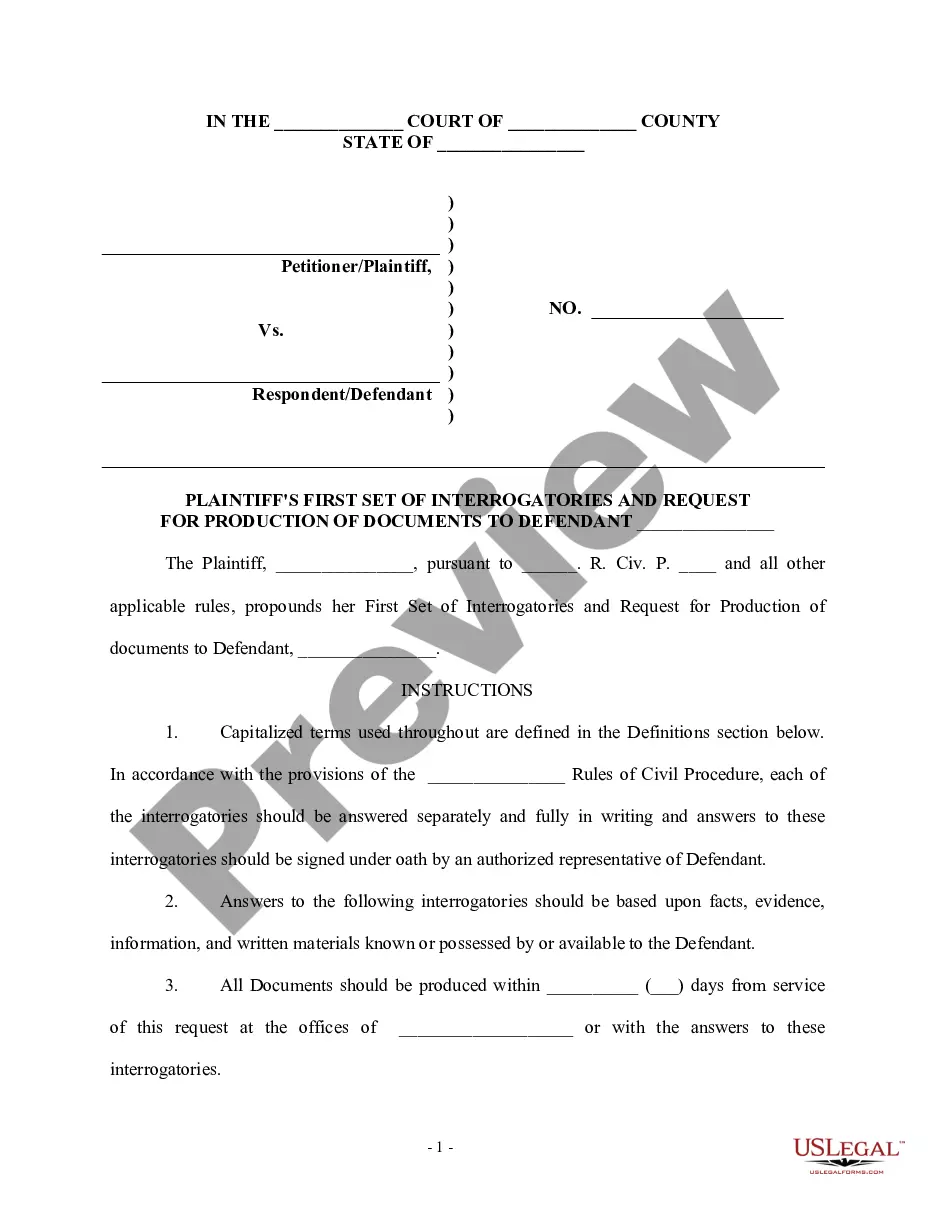
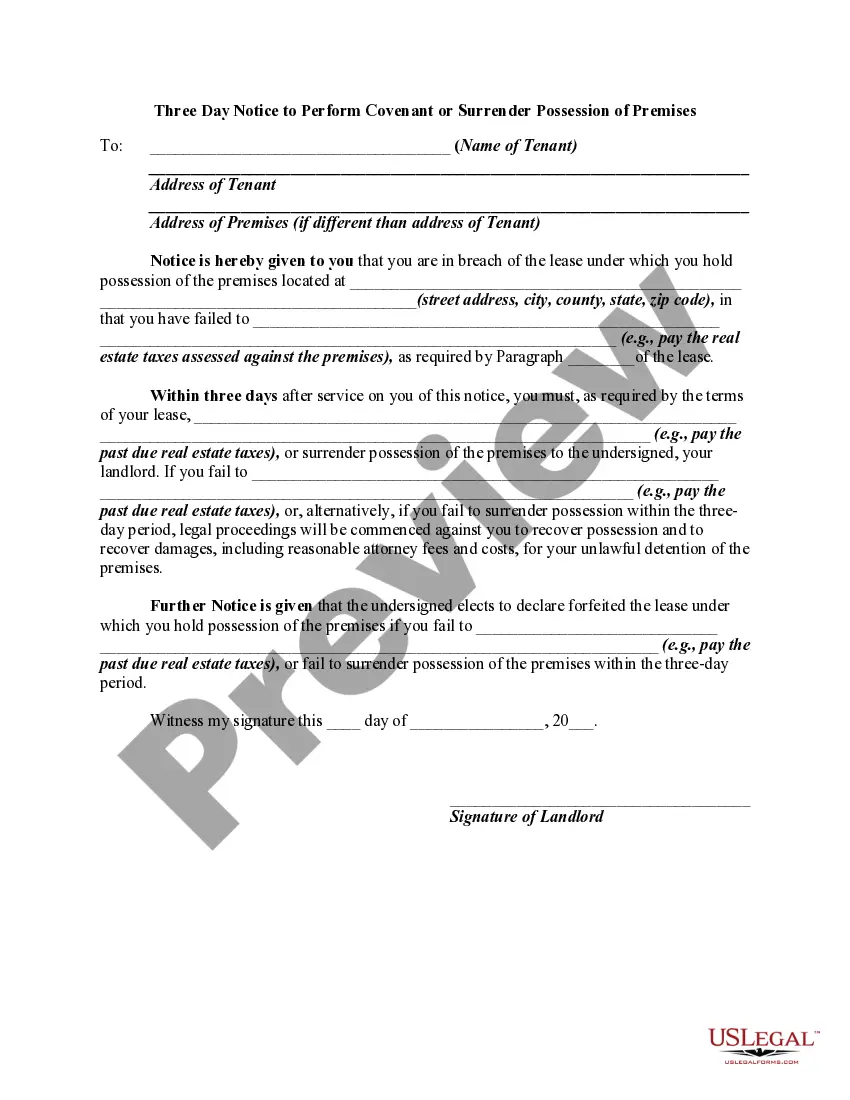
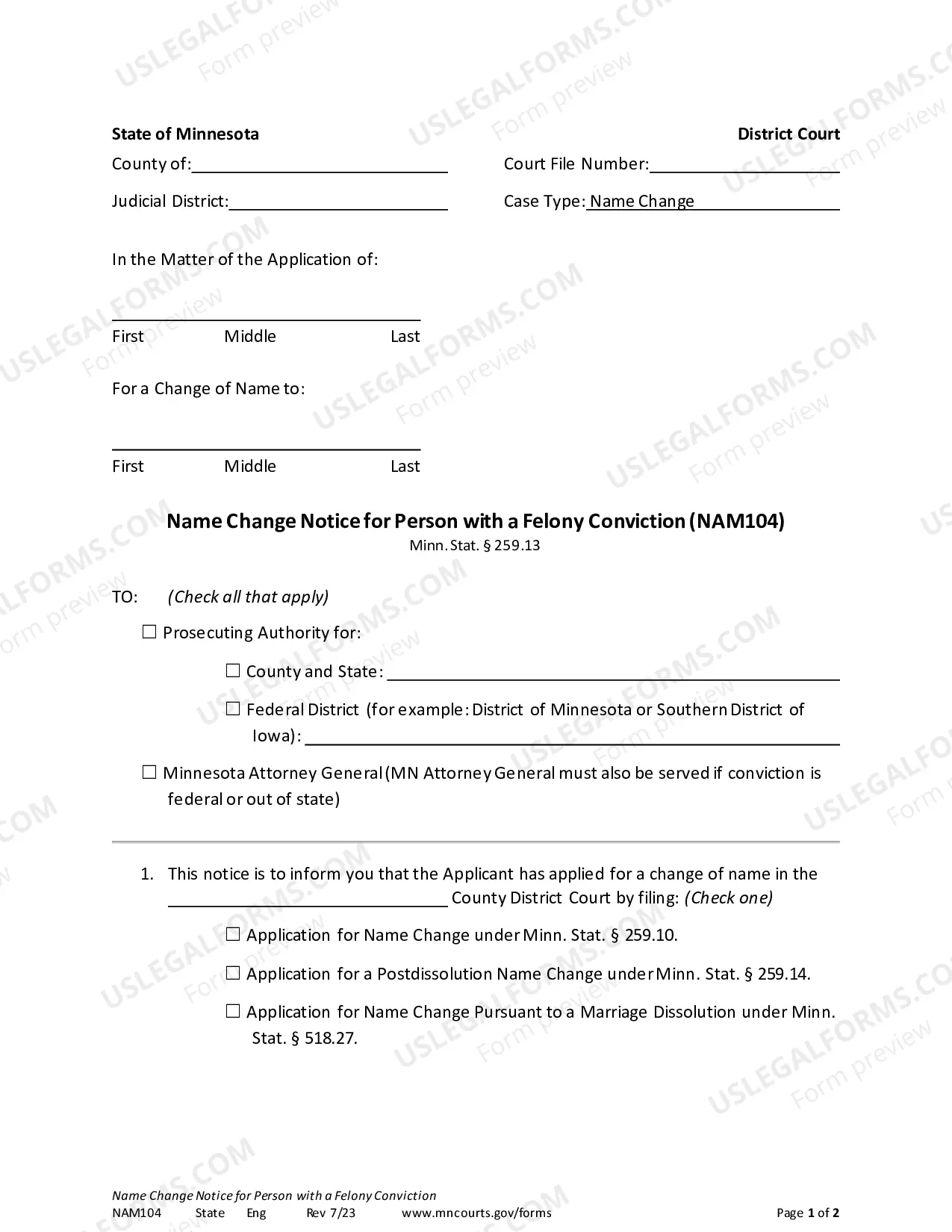
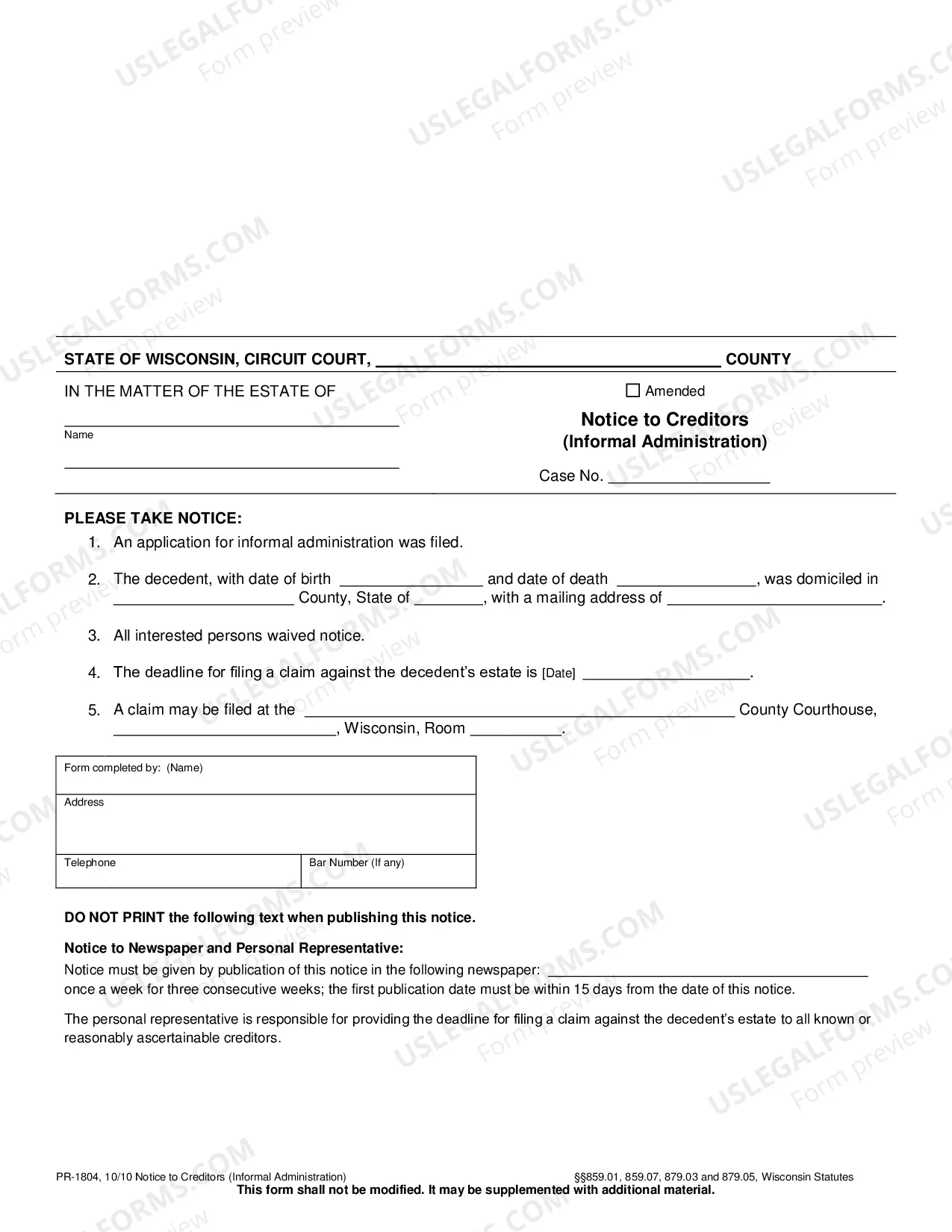
Form popularity
FAQ
Children (or if none, grandchildren) will get an equal share. if there are no children or grandchildren, surviving parents will get a share. if there are no children, grandchildren or surviving parents, any brothers and sisters will get a share (or their children if they died while the deceased was still alive)
Who Gets What in Utah? If you die with:here's what happens: children but no spouse children inherit everything spouse but no descendants spouse inherits everything spouse and descendants from you and that spouse spouse inherits everything3 more rows •
If you die intestate in Utah, your children will receive an “intestate share” of your property. How much each child inherits depends on how many children you have, whether or not you are married and whether your spouse is also your children's parent.
If you'd like to file as the executor of an estate with no will, we've outlined 6 steps for you to follow: Find out your place in line. Obtain waivers from other family members. Contact the court. File your administration petition. Go to the probate hearing. Get a probate bond.
The case must be filed within three years of the date of the decedent's death. If it has been more than three years since the decedent's death, parties will need to follow a different process for a determination of heirs, and should contact a probate attorney for help. Utah Code 75-3-107.
If you weren't named executor in a will, you'd need to file a Letter of Administration with your state's probate court. The court will ask questions about you and your relationship with the deceased. The court will either appoint you as executor or appoint someone else.
Probate is required if: the estate includes real property (land, house, inium, mineral rights) of any value, and/or. the estate has assets (other than land, and not including cars) whose net worth is more than $100,000.
In Utah, you can make a living trust to avoid probate for virtually any asset you own—real estate, bank accounts, vehicles, and so on. You need to create a trust document (similar to a will), naming someone to take over as trustee after your death (called a "successor trustee").
You cannot avoid probate with only a will because wills cannot transfer property. This means if you have assets you want to pass to loved ones, it isn't covered in the will and a probate matter still has to be opened.

