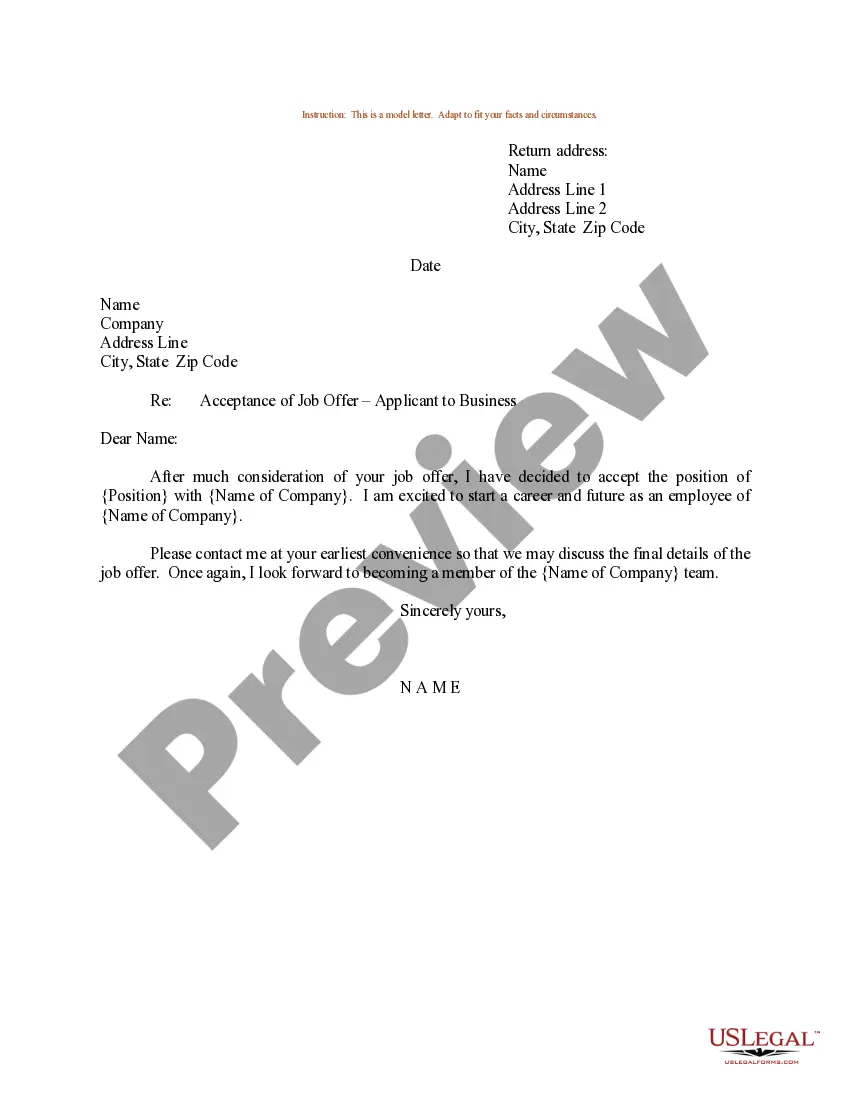
Executor Of Estate Form After Death Format In Queens
Description


Get your form ready online
Our built-in tools help you complete, sign, share, and store your documents in one place.
Make edits, fill in missing information, and update formatting in US Legal Forms—just like you would in MS Word.
Download a copy, print it, send it by email, or mail it via USPS—whatever works best for your next step.
Sign and collect signatures with our SignNow integration. Send to multiple recipients, set reminders, and more. Go Premium to unlock E-Sign.
If this form requires notarization, complete it online through a secure video call—no need to meet a notary in person or wait for an appointment.
We protect your documents and personal data by following strict security and privacy standards.

Make edits, fill in missing information, and update formatting in US Legal Forms—just like you would in MS Word.

Download a copy, print it, send it by email, or mail it via USPS—whatever works best for your next step.

Sign and collect signatures with our SignNow integration. Send to multiple recipients, set reminders, and more. Go Premium to unlock E-Sign.

If this form requires notarization, complete it online through a secure video call—no need to meet a notary in person or wait for an appointment.

We protect your documents and personal data by following strict security and privacy standards.
Looking for another form?









Form popularity
FAQ
Under New York's Surrogate's Court Procedure Act (SCPA), specifically SCPA 1409, the Notice of Probate must be served on all individuals who are named in the Will as beneficiaries. This ensures that these individuals are aware of the probate process and have the opportunity to protect their interests.
If your petition is granted, you will receive letters of administration from the Queens County Surrogate's Court. These letters give you the legal authority to administer the decedent's estate, including managing their assets, paying their debts, and distributing their property to heirs.
An affidavit of heirship is a document, sworn to under oath, that is submitted to the Surrogate's Court definitively identifying all of the people who may have a legal claim to inherit the decedent's assets or property.
A waiver of consent refers to cases where researchers are collecting data or tissue about people without their knowledge or consent. Chapter 2.3 of the National Statement provides guidance on qualifying or waiving conditions for consent.
By signing a waiver of process consent to probate form, you are essentially letting the court know that you have no issues with the will and you are waiving/forfeiting your right to challenge the will and the appointment of the nominated executor.
Common ways to hold or transfer property to avoid the New York probate process include: Living trusts. The State of New York allows residents to create a living trust for nearly any type of asset, including houses, properties, vehicles, and bank accounts. Co-ownership. Beneficiary designations.
If you wish to not include a specific element of consent, or feel you shouldn't obtain consent at all, you should request a waiver of consent from the IRB. If you will have some type of consent process, but will not ask participants to sign a consent form, you should request a waiver of documentation of consent.
These "non-probate assets" include life insurance policies, IRAs, U.S. savings bonds, and jointly held bank accounts. Discounting exempted items, if the total value of your loved one's personal property is below $50,000, the good news is you can likely bypass full probate in New York.