Estate Claim Form Withdrawal In Phoenix
Description


Get your form ready online
Our built-in tools help you complete, sign, share, and store your documents in one place.
Make edits, fill in missing information, and update formatting in US Legal Forms—just like you would in MS Word.
Download a copy, print it, send it by email, or mail it via USPS—whatever works best for your next step.
Sign and collect signatures with our SignNow integration. Send to multiple recipients, set reminders, and more. Go Premium to unlock E-Sign.
If this form requires notarization, complete it online through a secure video call—no need to meet a notary in person or wait for an appointment.
We protect your documents and personal data by following strict security and privacy standards.

Make edits, fill in missing information, and update formatting in US Legal Forms—just like you would in MS Word.

Download a copy, print it, send it by email, or mail it via USPS—whatever works best for your next step.

Sign and collect signatures with our SignNow integration. Send to multiple recipients, set reminders, and more. Go Premium to unlock E-Sign.

If this form requires notarization, complete it online through a secure video call—no need to meet a notary in person or wait for an appointment.

We protect your documents and personal data by following strict security and privacy standards.
Looking for another form?

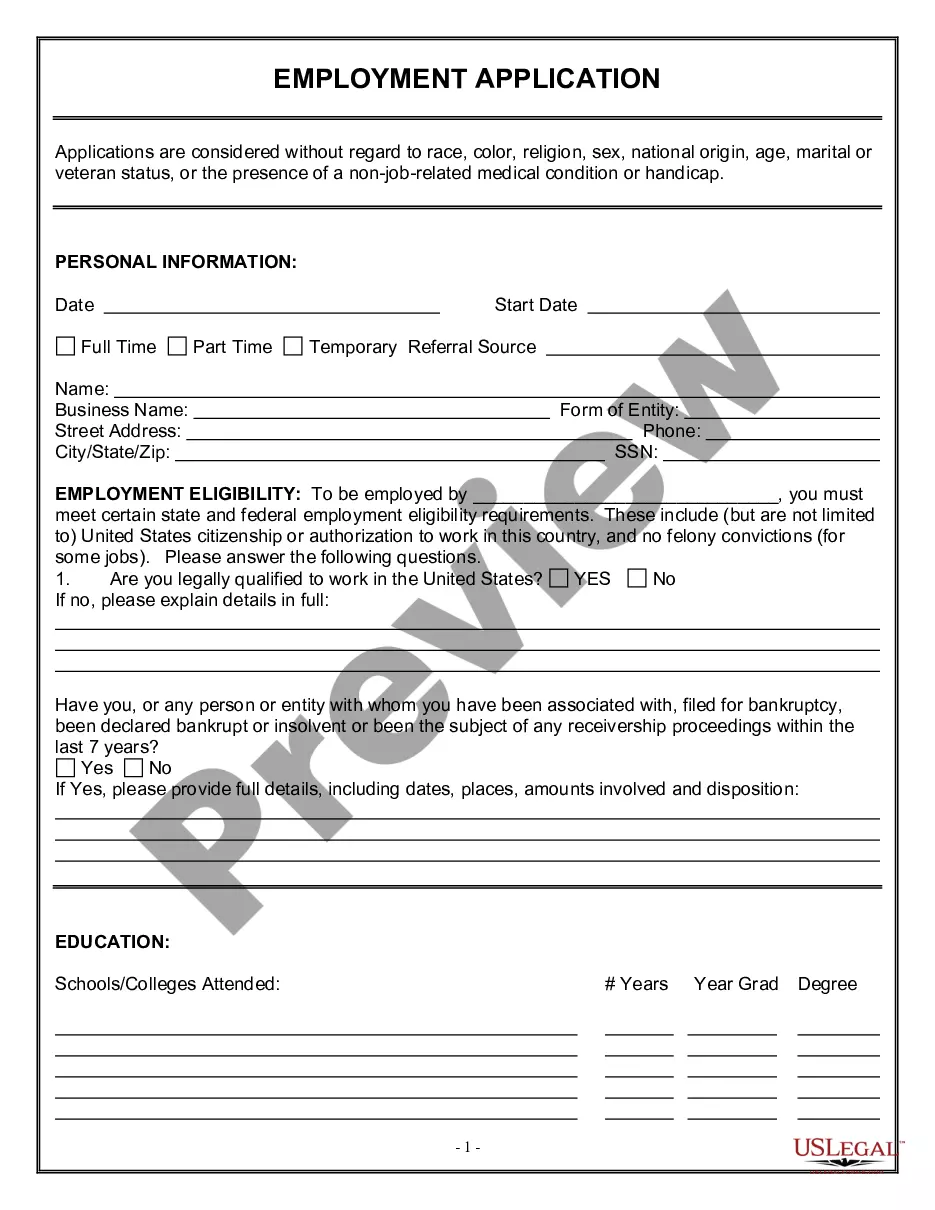


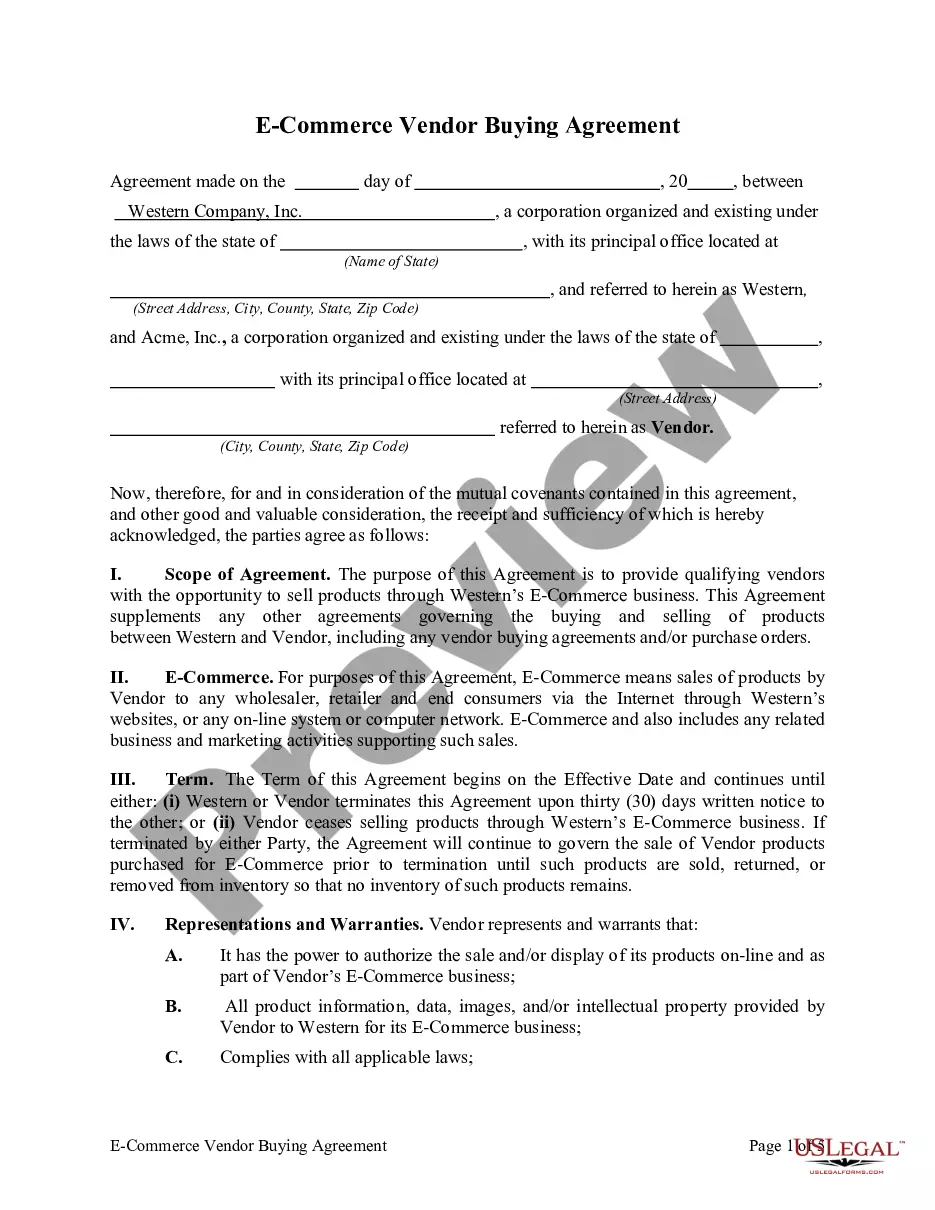





Form popularity
FAQ
Requesting Letters of Testamentary The person acting as the executor of the estate must petition the court to request the letter of testamentary. After they file the necessary documents, the probate court checks them to ensure compliance and authenticate the will.
How long do most estates take to settle? It usually takes anywhere from 6-12 months for an executor to settle an estate, but there are other factors that can influence this, such as jurisdiction, probate time, executor's ability and experience, complexity of the estate, or challenges.
Some estates will not need to go through probate, while others qualify for simplified probate. Some types of assets automatically pass to an heir without any oversight from the probate court.
For additional information, you may call (602) 37-CLERK, or (602) 372-5375.
So there's a lot of frustrating bureaucracy and red tape with the court system. In Arizona, the timeline for wrapping up a probate has no strict deadline for executors. Ideally, the recommended start date is around 60 days after the individual's passing and done within a reasonable timeframe.
As long as there aren't any contests to the will or objections to the executor's actions, the executor will be allowed to settle the estate at the conclusion of the four-month waiting period. That means an executor who is on top of their responsibilities could theoretically wrap up probate in as little as four months.
That is accomplished by filing with the local Probate Court a pleading called an Application for Informal Probate of Will and Appointment of Personal Representative. Alternatively, in the case of an intestate decedent, the pleading is called an Application for Informal Appointment of Personal Representative.
How to Start Probate for an Estate Open the Decedent's Last Will and Testament. Determine Who Will be the Personal Representative. Compile a List of the Estate's Interested Parties. Take an Inventory of the Decedent's Assets. Calculate the Decedent's Liabilities. Determine if Probate is Necessary. Seek a Waiver of Bond.
Opening Probate While some states allow up to six years to probate an estate, the state of Arizona will only accept probate cases that are opened within two years of the decedent's passing (ARS 14-3108).
Required to present their claims within four months after the date of the first publication of the notice to creditors or the claims will be forever barred. required to present their claims within four months after receipt of the notice to creditors by mail or the claims will be forever barred.
