Estate Claim Form For Real In Pennsylvania
Description


Get your form ready online
Our built-in tools help you complete, sign, share, and store your documents in one place.
Make edits, fill in missing information, and update formatting in US Legal Forms—just like you would in MS Word.
Download a copy, print it, send it by email, or mail it via USPS—whatever works best for your next step.
Sign and collect signatures with our SignNow integration. Send to multiple recipients, set reminders, and more. Go Premium to unlock E-Sign.
If this form requires notarization, complete it online through a secure video call—no need to meet a notary in person or wait for an appointment.
We protect your documents and personal data by following strict security and privacy standards.

Make edits, fill in missing information, and update formatting in US Legal Forms—just like you would in MS Word.

Download a copy, print it, send it by email, or mail it via USPS—whatever works best for your next step.

Sign and collect signatures with our SignNow integration. Send to multiple recipients, set reminders, and more. Go Premium to unlock E-Sign.

If this form requires notarization, complete it online through a secure video call—no need to meet a notary in person or wait for an appointment.

We protect your documents and personal data by following strict security and privacy standards.
Looking for another form?



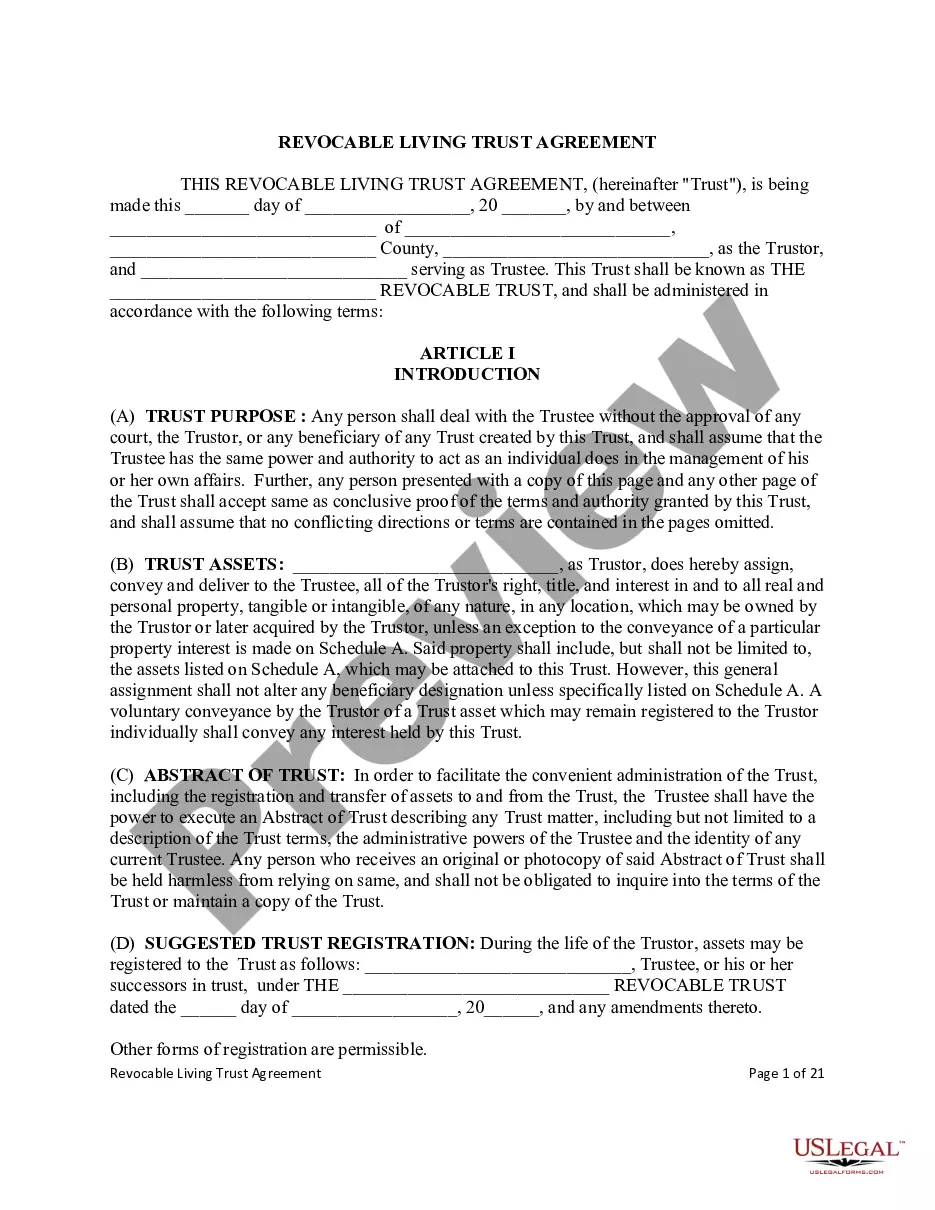
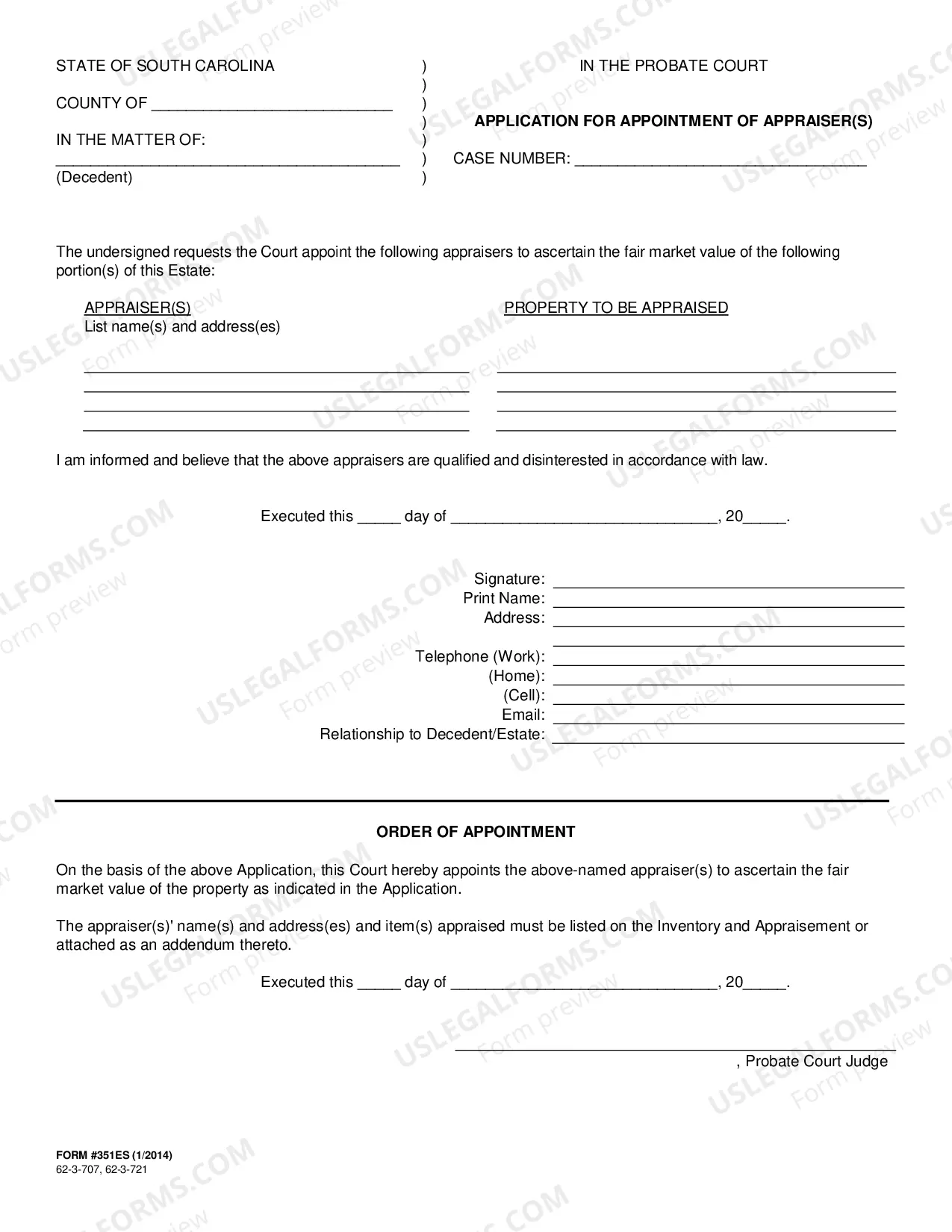
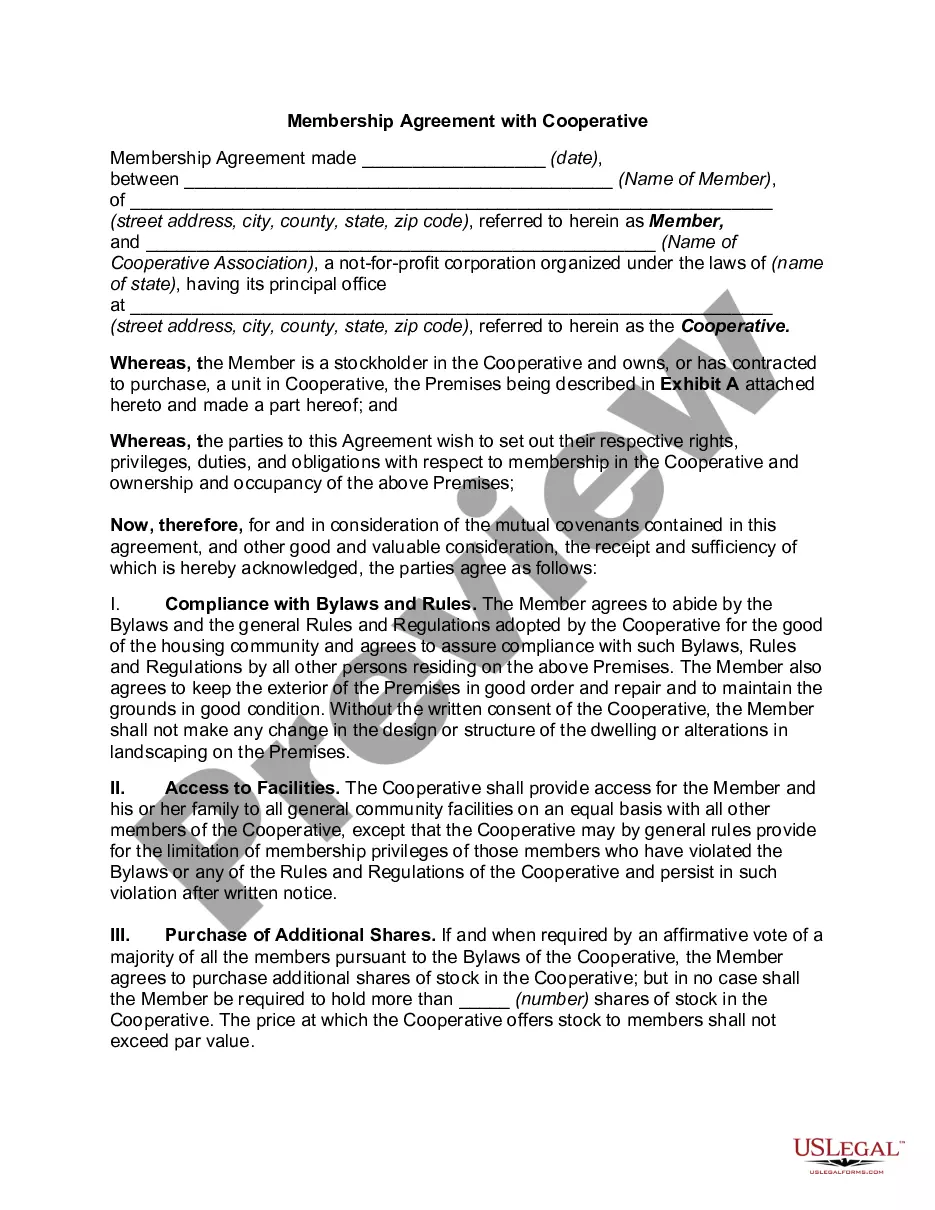
Form popularity
FAQ
The average time to settle an estate in Pennsylvania can vary depending on the complexity of the estate and any potential challenges or disputes. On average, it can take anywhere from 6 months to over a year to complete the probate process and distribute assets to beneficiaries.
See PEF Code §3532(b)(1). No claimant shall have any claim against distributed real property unless such claimant has, within one (1) year after the decedent's death, filed a written notice of claim with the Clerk of Court.
You must file out a form and submit it to the register to make the claim official. If the claim is filed by a creditor with the court, their right to proceed is preserved against what is known as the distributee or who receives assets from the estate only if the real property is considered an estate asset.
A small estate affidavit in Pennsylvania is a sworn statement that allows heirs to claim assets from a deceased person's estate without going through formal probate. It's applicable when the total value of the estate is $50,000 or less, excluding real estate.
When any person dies domiciled in the Commonwealth owning property (exclusive of real estate and of property payable under section 3101 (relating to payments to family and funeral directors), but including personal property claimed as the family exemption) of a gross value not exceeding $50,000, the orphans' court ...
Decedents, Estates and Fiduciaries § 3101. Payments to family and funeral directors. (a) Wages, salary or employee benefits.
Designating beneficiaries on financial accounts, like bank accounts and retirement plans, is also a smart move. By naming beneficiaries, these accounts can transfer directly to them upon your passing, bypassing probate. In Pennsylvania, an estate needs to go through probate if it's worth more than $50,000.
Step 1: Send an email to RA-RV-CEC-DPP@pa(opens in a new tab) / 717-783-4294. Include the following information: Your full name / decedents full name.
Pennsylvania tax records are confidential and may be released only to the taxpayer or pursuant to a release signed by the taxpayer. However, taxpayers can access their tax records 24/7 via their online myPATH account.
Inheritance tax filers can track the status of their return through myPATH by clicking on the Track My Inheritance Tax Return link. To track the status of a return, a user will need the Decedent's Last Name, the Decedent's SSN, and know whether the decedent was a Pennsylvania resident.

