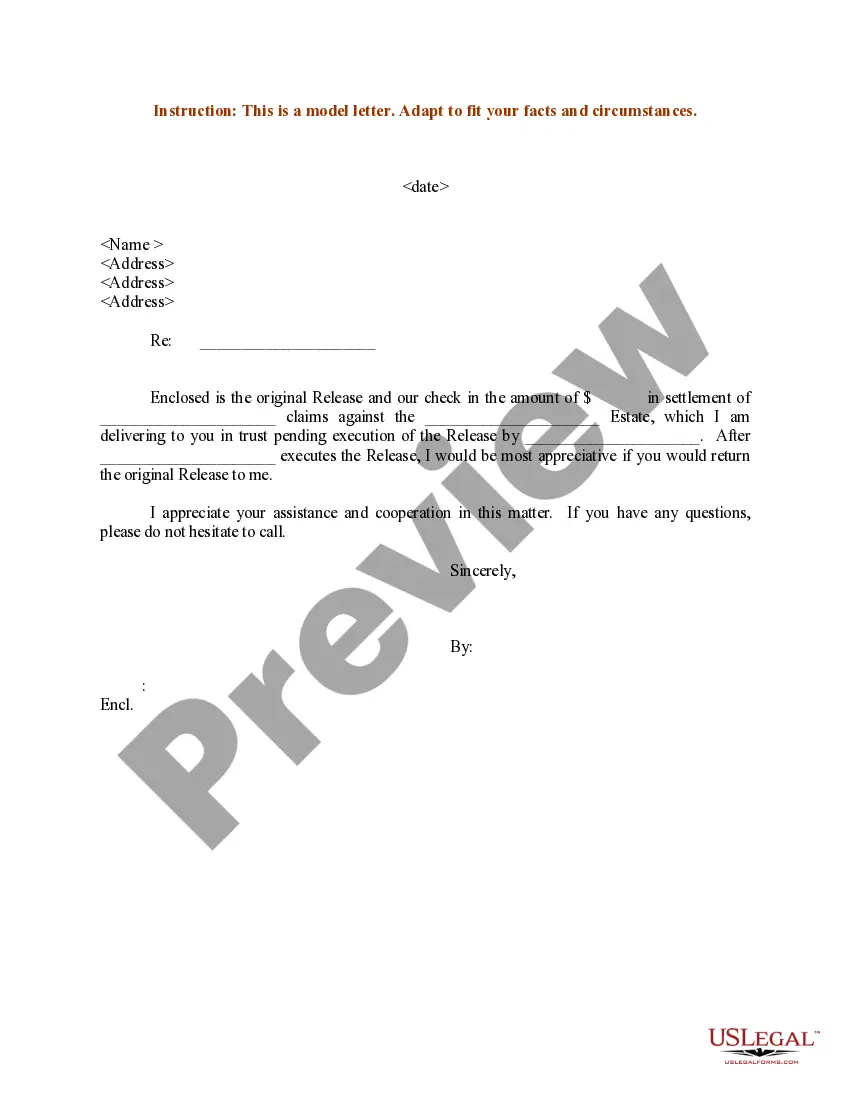
Claim Against Executor Of Estate Without Will In Pennsylvania
Description
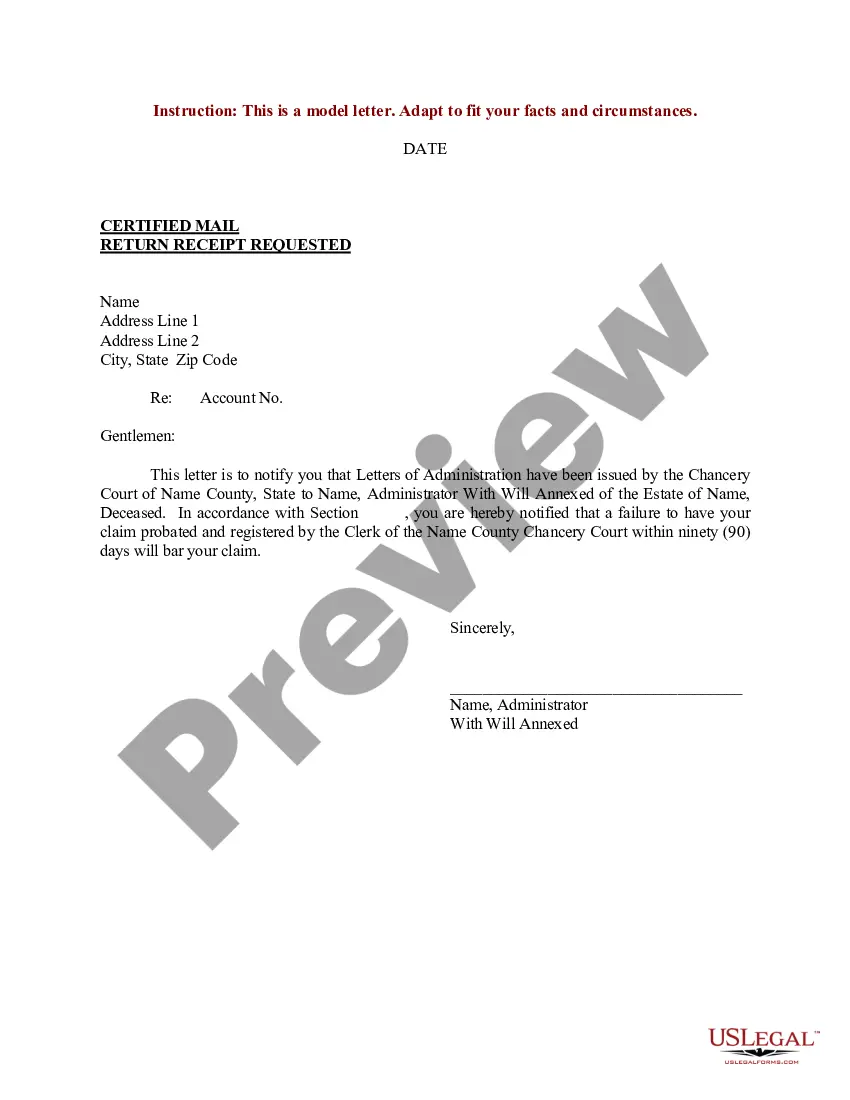
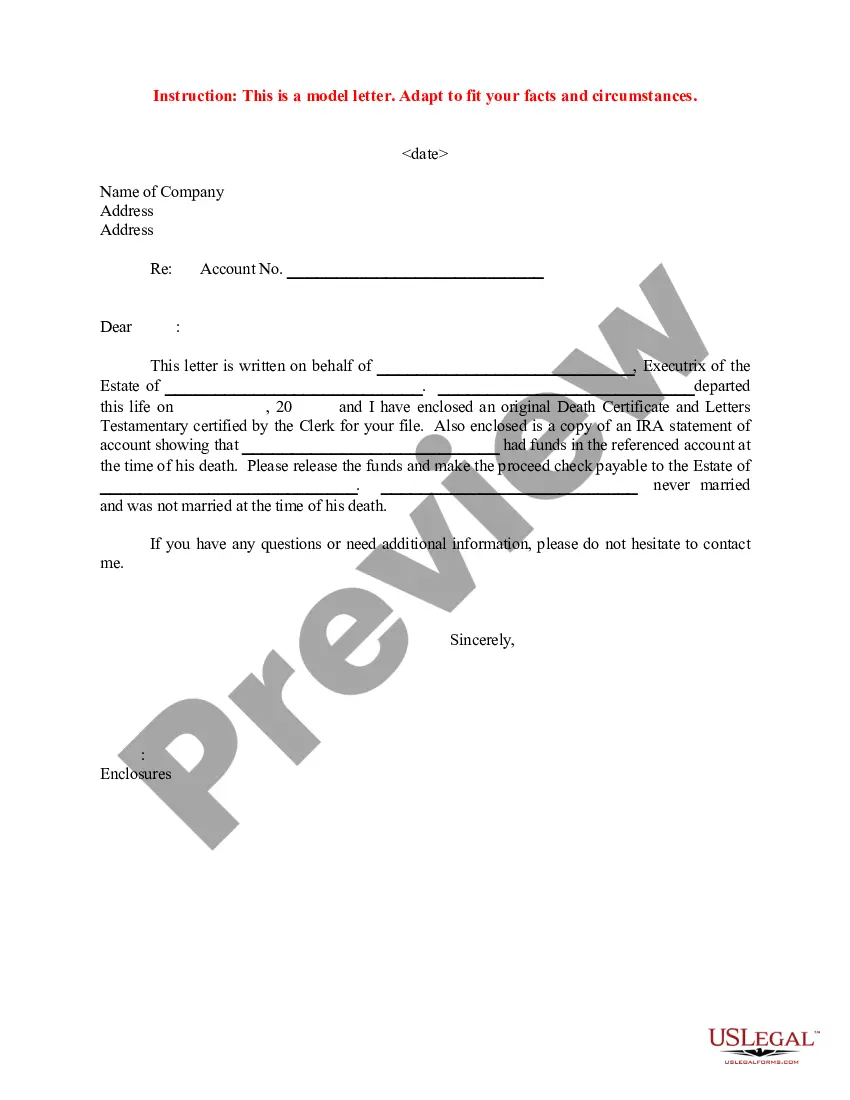
Get your form ready online
Our built-in tools help you complete, sign, share, and store your documents in one place.
Make edits, fill in missing information, and update formatting in US Legal Forms—just like you would in MS Word.
Download a copy, print it, send it by email, or mail it via USPS—whatever works best for your next step.
Sign and collect signatures with our SignNow integration. Send to multiple recipients, set reminders, and more. Go Premium to unlock E-Sign.
If this form requires notarization, complete it online through a secure video call—no need to meet a notary in person or wait for an appointment.
We protect your documents and personal data by following strict security and privacy standards.

Make edits, fill in missing information, and update formatting in US Legal Forms—just like you would in MS Word.

Download a copy, print it, send it by email, or mail it via USPS—whatever works best for your next step.

Sign and collect signatures with our SignNow integration. Send to multiple recipients, set reminders, and more. Go Premium to unlock E-Sign.

If this form requires notarization, complete it online through a secure video call—no need to meet a notary in person or wait for an appointment.

We protect your documents and personal data by following strict security and privacy standards.
Looking for another form?
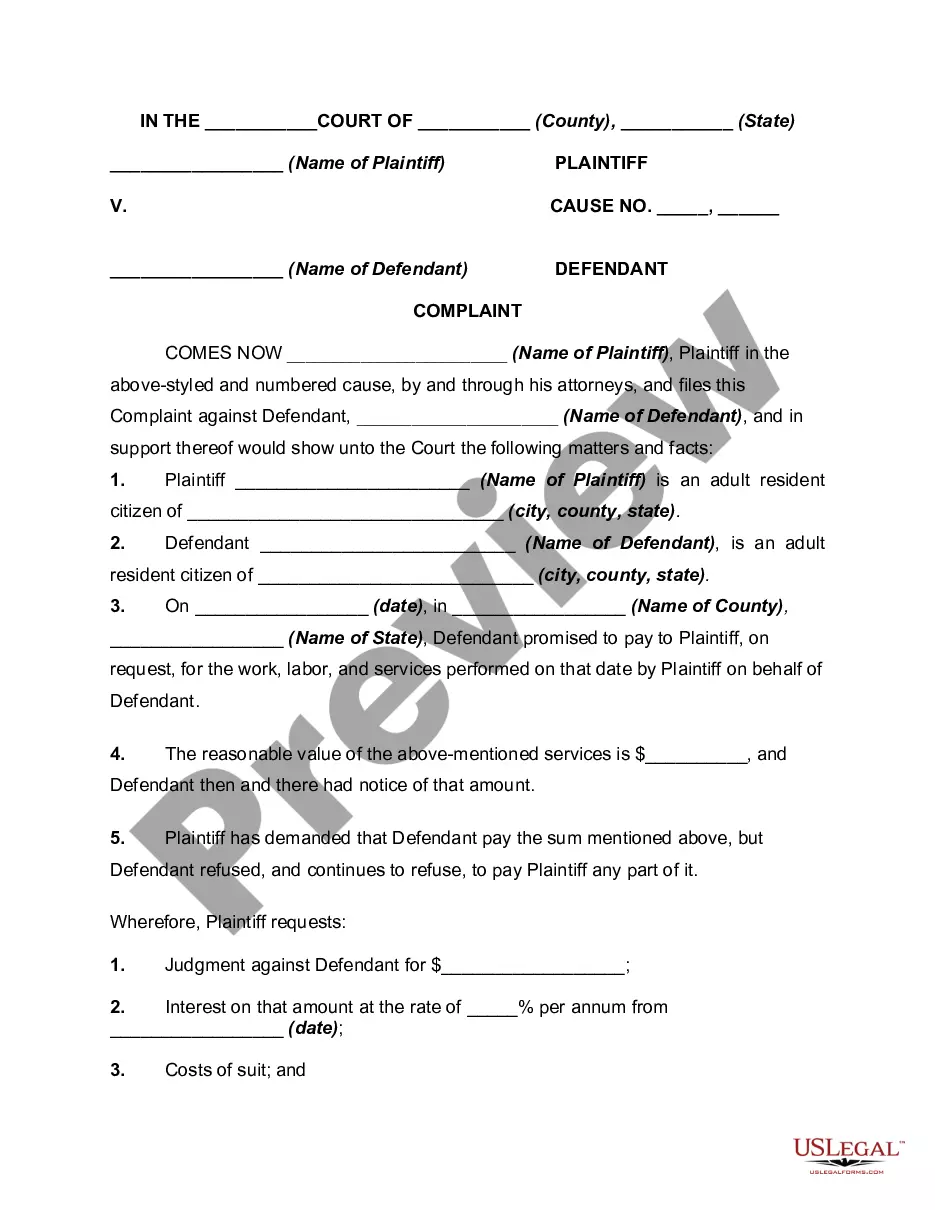
Form popularity
FAQ
If you would like to become the executor of an estate without a will, here are some basic steps to follow. Determine Priority for Appointment. Usually, the first in line to serve as executor is the surviving spouse or children. Complete a Petition for Administration. Receive Court Appointment and Administer Estate.
A creditor against an estate files a claim by providing the personal representative of the estate with written notice. This can be done by submitting a completed Notice of Claim form with the court register. The filing of a claim preserves the creditor's right to collect from the estate.
When a person dies without a will, they have died “intestate.” In cases where someone dies intestate, the Register of Wills will appoint someone to administer the estate. Usually, the estate administrator is a spouse or child of the person who died.
Who Gets What in Pennsylvania? If you die with:here's what happens: spouse and parents spouse inherits the first $30,000 of your intestate property, plus 1/2 of the balance parents inherit remaining intestate property parents but no spouse or descendants parents inherit everything5 more rows
How long probate takes in Pennsylvania varies depending on several factors, but the average process can take anywhere from nine months to over a year. Simple estates with few assets and no disputes may be completed in as little as six months, while more complex estates can take much longer.
Given the magnitude of the responsibilities and the intimacy of the role, you may want to name a close friend or relative as executor, someone who fully understands and respects your wishes, as well as those of your beneficiaries, and who might handle your sentimental heirlooms and other property more sensitively than ...
Can a Beneficiary Sue the Executor? An estate beneficiary has a right to sue the executor or administrator if they are not competently doing their job or are engaged in fiduciary misconduct.
Although there is no set time limit on how long you have to settle an estate in Pennsylvania, probate and estate lawyers can help you get it done in a timely manner and guide you through the process.
The 3-year rule is a tax rule that applies to the sale of certain assets belonging to a deceased estate. If a deceased estate property is sold within 3 years of the deceased's death, the capital gains tax (CGT) on any profit from the sale may be subject to a higher tax rate.