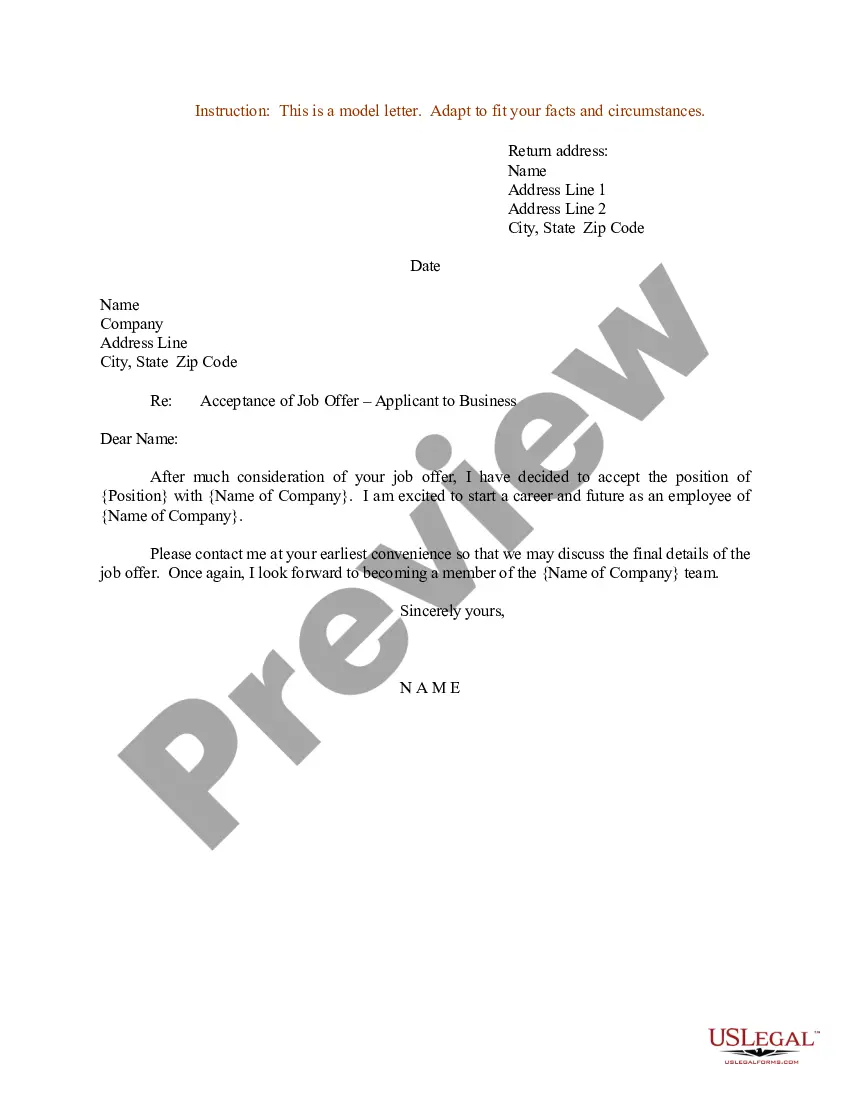
Sample Claim Statement With Nigeria In Orange
Description


Get your form ready online
Our built-in tools help you complete, sign, share, and store your documents in one place.
Make edits, fill in missing information, and update formatting in US Legal Forms—just like you would in MS Word.
Download a copy, print it, send it by email, or mail it via USPS—whatever works best for your next step.
Sign and collect signatures with our SignNow integration. Send to multiple recipients, set reminders, and more. Go Premium to unlock E-Sign.
If this form requires notarization, complete it online through a secure video call—no need to meet a notary in person or wait for an appointment.
We protect your documents and personal data by following strict security and privacy standards.

Make edits, fill in missing information, and update formatting in US Legal Forms—just like you would in MS Word.

Download a copy, print it, send it by email, or mail it via USPS—whatever works best for your next step.

Sign and collect signatures with our SignNow integration. Send to multiple recipients, set reminders, and more. Go Premium to unlock E-Sign.

If this form requires notarization, complete it online through a secure video call—no need to meet a notary in person or wait for an appointment.

We protect your documents and personal data by following strict security and privacy standards.
Looking for another form?






Form popularity
FAQ
You should complete the Statement of Claim by filling in the amount of your claim in the space provided and interest (the clerk cannot advise you on claiming interest). You must determine your court costs then total all of the amounts to make your claim as to what the Defendant owes you.
When writing a claim letter, it's important to be clear and concise, outlining the facts of the situation without making accusations or insinuations. Make sure to include any relevant details or evidence that may help support your claim.
A Statement in Support of Claim will ask for your full name, Social Security number, birth date, contact information, and VA file number. Include your service details. Include your military branch, enlistment dates, and any deployments. Outline your disability.
What is an example of a claim? A claim answers a debatable question posed by a writer, which then is proved in a paragraph or essay. For example, "Dogs make better pets than cats" is a claim that can be argued.
- The Statement of claim should start by identifying the parties to the dispute and their relationship to each other. - Include any relevant background facts. - Explain how and in what way the defendant has wronged you ing to law. This is the legal basis for your claim.
Your Statement of Claim contains your “pleadings”, i.e. your written statement about what your claim is about and why you are entitled to damages. It is the first document that the trial judge will read and the single most important document that you will have to draft throughout the court process.
A formal letter of claim is one of the first steps in the debt recovery process. It sets out the key information relating to the debt and the remedy that resolves the dispute. If the letter of claim is ignored or not responded to within the relevant timeframe then the claimant may choose to obtain a default judgement.
Statement of Claim Write a short and plain statement of the claim. Do not make legal arguments. State as briefly as possible the facts showing that each plaintiff is entitled to the damages or other relief sought.
Claims are potentially arguable. "A liberal arts education prepares students best" is a claim, while "I didn't like the book" is not.
Define terms, use a concrete description, and add details to make sure your reader fully understands your claim. 3. Your third sentence should contain evidence. Provide additional evidence, logic, or reasoning that proves your claim.