Estate Claim Form Withholding In New York
Description


Get your form ready online
Our built-in tools help you complete, sign, share, and store your documents in one place.
Make edits, fill in missing information, and update formatting in US Legal Forms—just like you would in MS Word.
Download a copy, print it, send it by email, or mail it via USPS—whatever works best for your next step.
Sign and collect signatures with our SignNow integration. Send to multiple recipients, set reminders, and more. Go Premium to unlock E-Sign.
If this form requires notarization, complete it online through a secure video call—no need to meet a notary in person or wait for an appointment.
We protect your documents and personal data by following strict security and privacy standards.

Make edits, fill in missing information, and update formatting in US Legal Forms—just like you would in MS Word.

Download a copy, print it, send it by email, or mail it via USPS—whatever works best for your next step.

Sign and collect signatures with our SignNow integration. Send to multiple recipients, set reminders, and more. Go Premium to unlock E-Sign.

If this form requires notarization, complete it online through a secure video call—no need to meet a notary in person or wait for an appointment.

We protect your documents and personal data by following strict security and privacy standards.
Looking for another form?




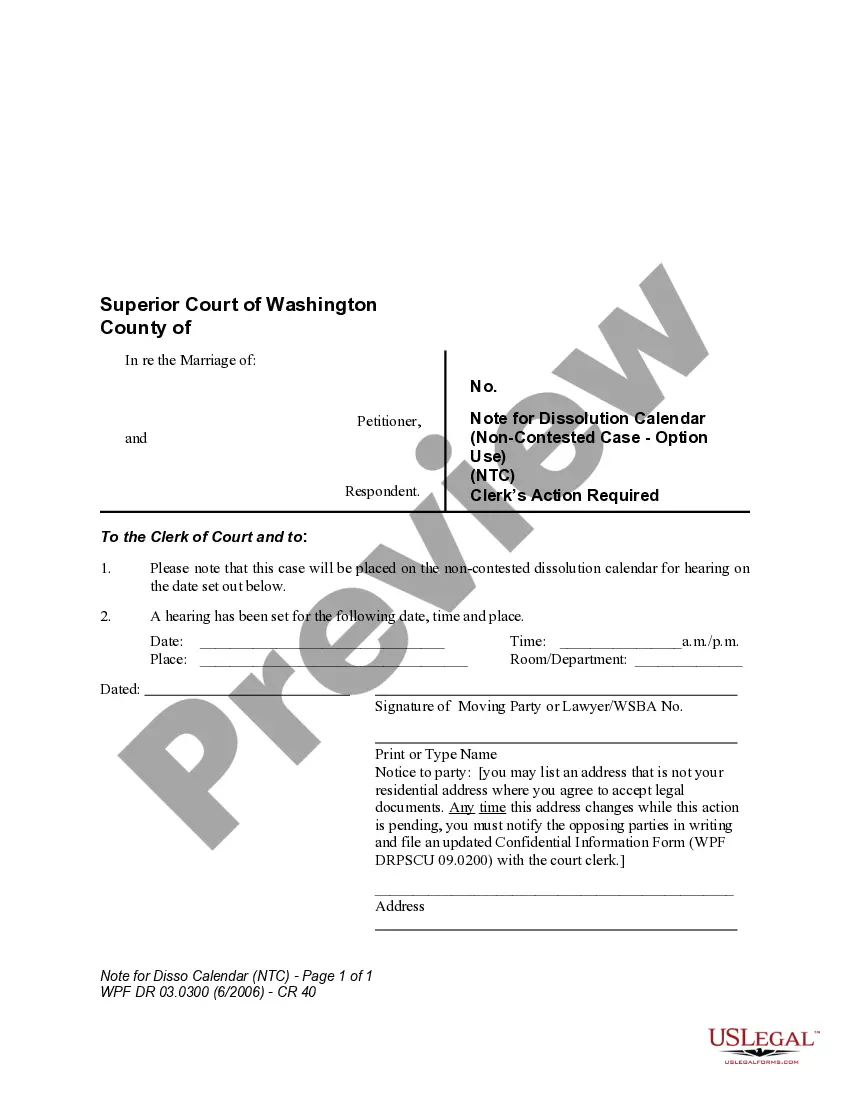


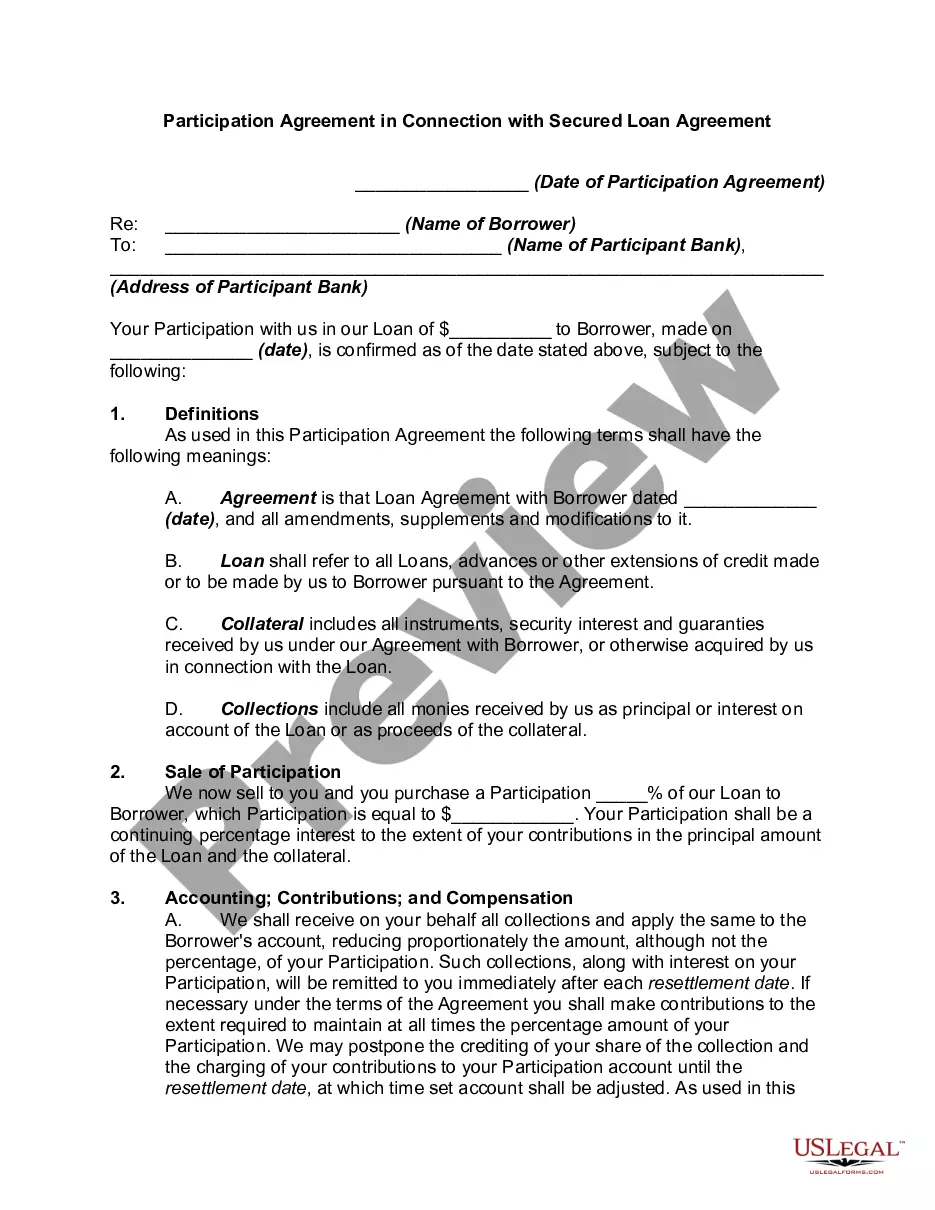


Form popularity
FAQ
How to Submit a Claim A copy of the death certificate. Proof of Address or Ownership connecting the owner to the address or funds. Letters of Authority (Testamentary/Administration) issued by the court certifying your appointment, dated within the last six months, or a Small Estates Affidavit and Table of Heirs.
The Gift Tax Return (Form 709) and the Estate Tax Return (Form 706) document your estate planning and provide the “Paper Trail” for the IRS and state departments of revenue. Most of the estate planning techniques must be reported on these tax returns.
You must file Form ET-706 within nine months after the decedent's date of death, unless you receive an extension of time to file the return. An extension of time to file the estate tax return may not exceed six months, unless the executor is out of the country.
IRAs, both traditional and Roth, are reported on Form 706 Schedule I, Annuities.
This code indicates that Form 706, which is used to determine the amount of the estate tax, has been accepted as filed and an examination has been concluded.
An estate tax return (Form 706) must be filed if the gross estate of the decedent (who is a U.S. citizen or resident), increased by the decedent's adjusted taxable gifts and specific gift tax exemption, is valued at more than the filing threshold for the year of the decedent's death, as shown in the table below.
When authorization is required for the release of personal property, it is usually referred to as an estate tax waiver or a consent to transfer. New York State does not require waivers for estates of anyone who died on or after February 1, 2000. For details, See Publication 603, Estate Tax Waivers.
The estate of an individual who was a NYS resident at the time of death must file a NYS estate tax return if the total of the federal gross estate plus any includible taxable gifts made while the individual was a resident of New York State exceeds the New York State basic exclusion amount ($6,940,000) applicable for ...
New York Estate Tax Exemption The New York estate tax threshold is $7.16 million in 2025 and $6.94 million in 2024. That number will keep going up annually with inflation. This means that if a person's estate is worth less than $7.16 million and they die in 2024, the estate owes nothing to the state of New York.
You can file NY Form IT-203 online, by mail, or by phone. To file online, go to the New York State Department of Taxation and Finance website and click on the "File Your Taxes" link. You will need to create an account and enter your personal information.

