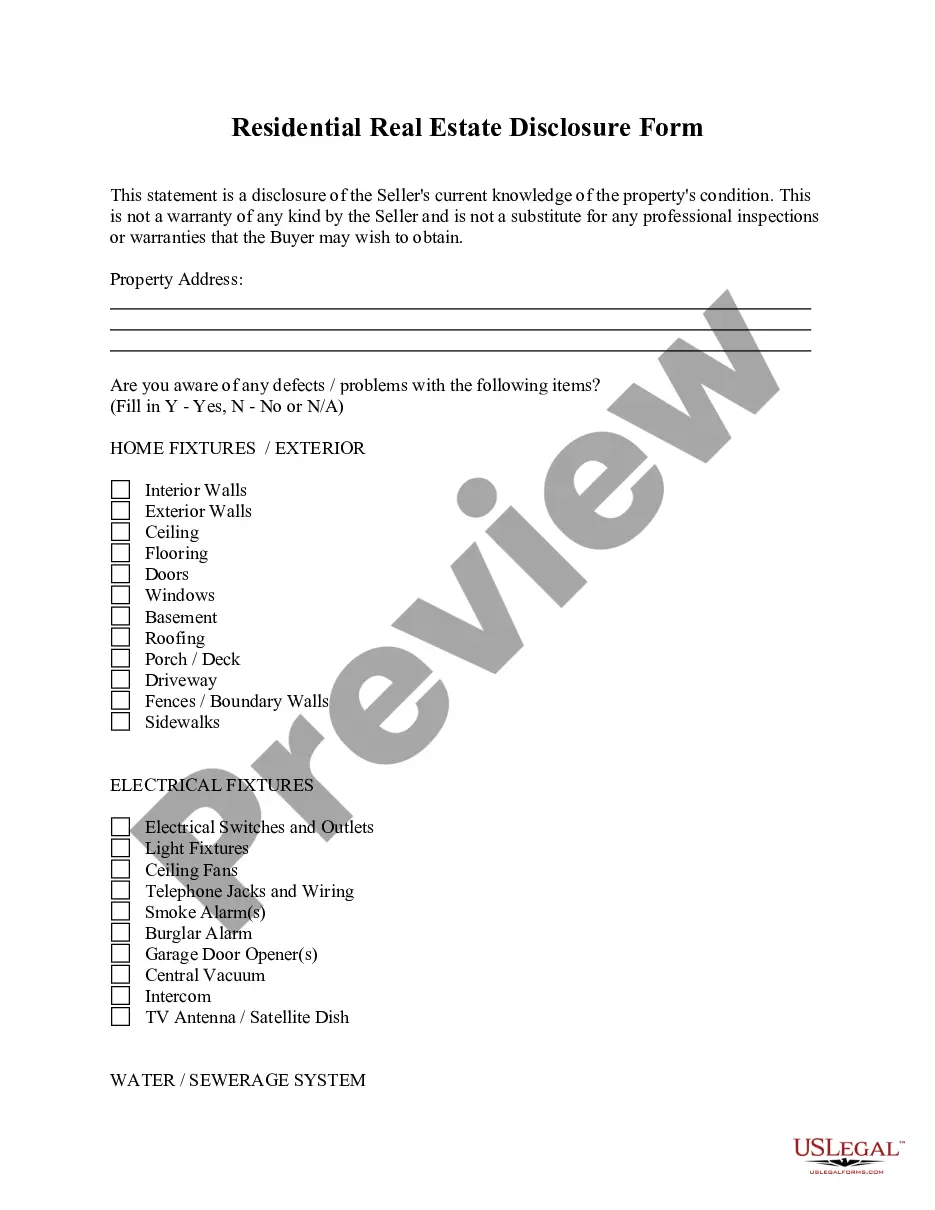
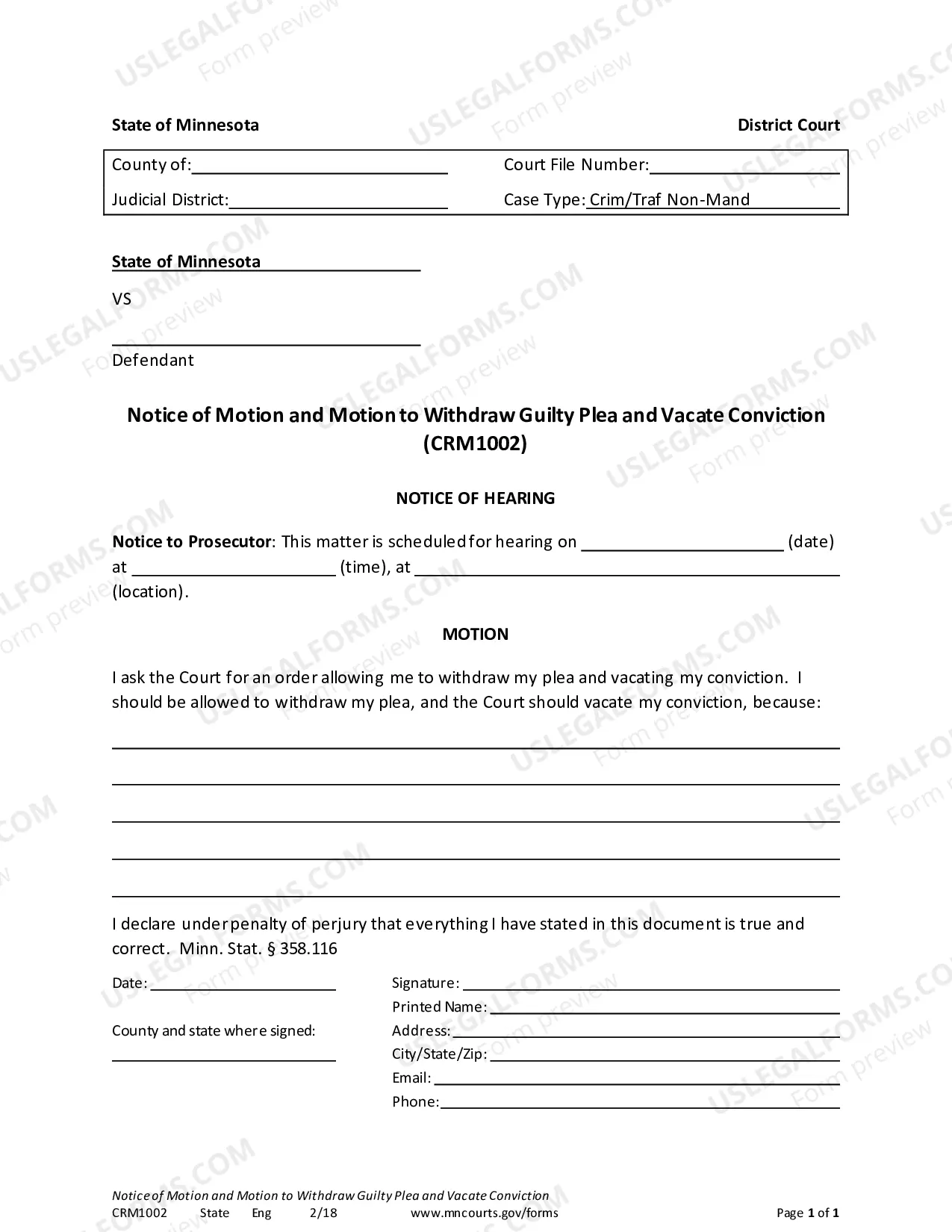
Estate Claim Form For Reimbursement In Massachusetts
Description


Get your form ready online
Our built-in tools help you complete, sign, share, and store your documents in one place.
Make edits, fill in missing information, and update formatting in US Legal Forms—just like you would in MS Word.
Download a copy, print it, send it by email, or mail it via USPS—whatever works best for your next step.
Sign and collect signatures with our SignNow integration. Send to multiple recipients, set reminders, and more. Go Premium to unlock E-Sign.
If this form requires notarization, complete it online through a secure video call—no need to meet a notary in person or wait for an appointment.
We protect your documents and personal data by following strict security and privacy standards.

Make edits, fill in missing information, and update formatting in US Legal Forms—just like you would in MS Word.

Download a copy, print it, send it by email, or mail it via USPS—whatever works best for your next step.

Sign and collect signatures with our SignNow integration. Send to multiple recipients, set reminders, and more. Go Premium to unlock E-Sign.

If this form requires notarization, complete it online through a secure video call—no need to meet a notary in person or wait for an appointment.

We protect your documents and personal data by following strict security and privacy standards.
Looking for another form?

Form popularity
FAQ
Under Massachusetts law (MA Gen L ch 190B § 3-803), creditors have one year from the date of the decedent's death to assert their claims against the estate. This is a shorter time frame than in many other states, which often allow creditors two or more years to make their claims.
If not so resolved, any will probated informally becomes final, and if there is no such probate, the status of the decedent as intestate is finally determined, by a statute of limitations which bars probate and appointment unless requested within three years after death.
In Massachusetts, this involves publishing a legal notice in a local newspaper and sending notices directly to known creditors. Creditors have one year from the date of death to file a claim against the estate.
How do I get a Small Estate Affidavit? Check Eligibility: Verify if the estate qualifies for a Small Estate Affidavit. Obtain the Form: Contact the probate court in the county where the deceased person lived. Complete the Affidavit: Fill out the Small Estate Affidavit form with accurate and complete information.
In general, executors are expected to distribute assets within several months to a year, though larger or contested estates may take longer. Probate courts often set deadlines for filings, but final distribution typically occurs only after debts, taxes and administrative expenses are settled.
The statute of limitations to contest a will varies by state and is typically between three months and two years. If the claim involves fraud, the statute of limitations often begins running on the date the fraud is discovered.
The personal representative of the estate must file the estate tax return. If there is no personal representative, the person who has the decedent's property must file the return. The term personal representative includes: Executor.
Massachusetts source income includes items of gross income derived from or effectively connected with any trade or business, including any employment, carried on by the taxpayer in Massachusetts, whether or not the non-resident is actively engaged in a trade or business or employment in Massachusetts in the year in ...
Who Gets What in Massachusetts? If you die with:here's what happens: children but no spouse children inherit everything spouse but no descendants or parents spouse inherits everything spouse and all of your descendants are from you and that spouse (and the spouse has no other descendants) spouse inherits everything5 more rows

